
Tag Matzo Ball Soup

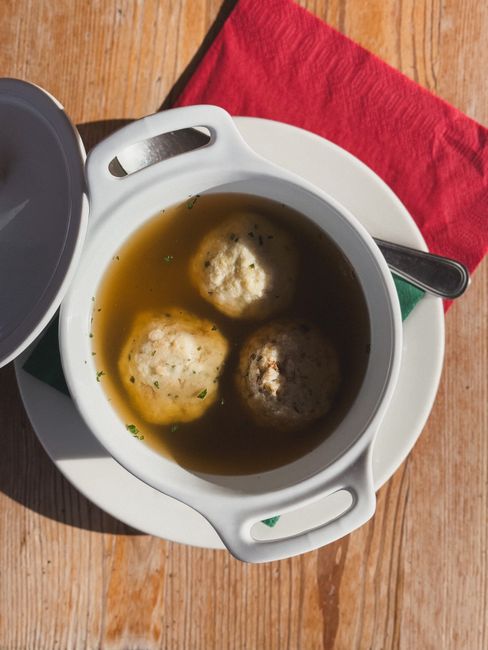
The Ultimate Guide to Matzo Ball Soup: A Jewish Culinary Staple
Matzo ball soup, a cornerstone of Ashkenazi Jewish cuisine, transcends mere sustenance to become a comforting, nostalgic, and deeply satisfying dish. This article offers a comprehensive, SEO-friendly exploration of this beloved soup, delving into its rich history, essential ingredients, preparation techniques, variations, cultural significance, and tips for achieving matzo ball perfection. Whether you’re a seasoned cook looking to refine your recipe or a novice seeking to understand its appeal, this guide provides the in-depth knowledge necessary to master this iconic comfort food.
The foundational element of matzo ball soup is the matzo ball itself. These tender, fluffy dumplings, made from matzo meal, eggs, fat, and liquid, are the heart and soul of the dish. The quality of the matzo meal is paramount. Look for finely ground matzo meal, often labeled as "fine" or "regular." Coarser grinds can result in a denser, less tender matzo ball. The eggs provide structure and richness. Using fresh, large eggs is ideal. The fat component is crucial for tenderness and flavor. Traditionally, schmaltz (rendered chicken fat) is used, offering a distinct, savory depth. For a lighter alternative, vegetable oil or melted unsalted butter can be substituted, though schmaltz remains the purist’s choice. The liquid binder, typically chicken broth or seltzer water, influences the texture. Seltzer water contributes to a lighter, airier matzo ball, while broth infuses more flavor directly. A pinch of salt and pepper is essential for seasoning. The batter should be mixed until just combined; overmixing can develop the gluten in the matzo meal, leading to tough matzo balls. Resting the batter in the refrigerator for at least 30 minutes, or even overnight, allows the matzo meal to fully hydrate and the flavors to meld, resulting in a more tender and cohesive dumpling.
The broth, or "soup" as it is often called, is the second vital component. A clear, flavorful chicken broth is the classic choice. Homemade broth, simmered for hours with chicken bones, mirepoix (carrots, celery, onions), herbs like parsley and dill, and peppercorns, will yield the most robust and satisfying flavor. The gelatin released from the bones during simmering contributes to the silky mouthfeel of the broth. For convenience, high-quality store-bought chicken broth can be used, but it often benefits from enhanced seasoning with fresh herbs and vegetables. The color of the broth is also important. A rich, golden hue indicates a well-rendered and flavorful stock. Simmering vegetables like carrots, celery, and parsnips in the broth adds sweetness and depth. Fresh dill and parsley are indispensable for their aromatic qualities, and a bay leaf can add a subtle herbaceous note. Seasoning the broth judiciously with salt and white pepper is crucial; it should be flavorful enough to stand on its own.
The assembly of the soup is a simple yet elegant process. Gently drop spoonfuls of the chilled matzo ball batter into simmering, well-seasoned chicken broth. The key is to ensure the broth is at a gentle simmer, not a rolling boil, which can cause the matzo balls to break apart. The matzo balls should be cooked until they are fully expanded and tender, which typically takes about 20-25 minutes for medium-sized balls. They should be cooked in batches to avoid overcrowding the pot, which can lower the broth’s temperature and result in uneven cooking. Some cooks prefer to cook the matzo balls separately in water or broth before adding them to the final soup, which can ensure they are perfectly cooked and prevent clouding the main broth. Once cooked, the matzo balls should be allowed to rest briefly in the hot broth before serving.
The garnishes and additions to matzo ball soup elevate the dish from simple to sublime. Shredded cooked chicken, often from the bones used to make the broth, is a classic addition, providing protein and a more substantial meal. Diced carrots and celery, cooked until tender in the broth, add sweetness, texture, and visual appeal. Freshly chopped dill and parsley are essential for their vibrant flavor and color, scattered generously just before serving. Some families include a sprinkle of finely chopped green onions for a mild oniony bite. For those who enjoy a bit of heat, a pinch of red pepper flakes can be added. The goal is to create a harmonious balance of flavors and textures, with the soft matzo balls, savory broth, and tender vegetables complementing each other.
Variations on the classic matzo ball soup abound, reflecting regional differences and personal preferences. Some families opt for a lighter, "floating" matzo ball, achieved by using seltzer water and a smaller amount of fat in the batter, resulting in a more delicate and airy dumpling. Others prefer a denser, richer matzo ball, often achieved by using more fat and less liquid. Some recipes incorporate finely grated onions or garlic into the matzo ball batter for an extra layer of flavor. For a vegetarian or vegan version, vegetable broth can be used, and the matzo balls can be made with vegetable oil and an egg replacer, though achieving the exact traditional texture can be challenging. Some cultures incorporate different herbs or spices into the broth, such as a bay leaf or a hint of nutmeg, to impart a unique flavor profile. The addition of other vegetables like parsnips, leeks, or even small dumplings in addition to the matzo balls can also be found in some traditional recipes.
The cultural significance of matzo ball soup is deeply ingrained in Jewish tradition. It is a dish often prepared for Shabbat, holidays like Passover (when matzo meal is readily available and a central ingredient), and as a comforting remedy for illness. The act of making and sharing matzo ball soup is often associated with family gatherings, love, and nurture. It is a taste of home for many, evoking memories of childhood and generations past. The "Jewish penicillin" moniker, affectionately given to the soup for its perceived restorative properties, speaks to its comforting and healing reputation, particularly when one is feeling under the weather. This perceived medicinal quality stems from the warmth of the broth, the nourishment of the ingredients, and the psychological comfort it provides.
Achieving matzo ball perfection requires attention to detail and a few key techniques. Firstly, ensure the matzo ball batter is chilled thoroughly. This is crucial for preventing the matzo balls from disintegrating during cooking. Secondly, don’t overmix the batter. Mix only until the ingredients are combined. Overmixing develops gluten, leading to tough matzo balls. Thirdly, cook the matzo balls in gently simmering broth. Avoid a vigorous boil, as this can break them apart. Fourthly, cook them in batches if necessary. Overcrowding the pot will lower the broth’s temperature and result in unevenly cooked matzo balls. Fifthly, allow the matzo balls to rest in the hot broth for a few minutes before serving. This allows them to absorb some of the broth’s flavor and achieve a more tender texture. For those struggling with matzo balls that sink, consider adding a touch more seltzer water to the batter, ensuring the fat is fully incorporated, or checking the freshness of your baking powder if using (though traditionally leavening agents are not used in classic matzo balls). Another tip for consistent results is to use a uniform scoop size for your matzo balls. This ensures they all cook at the same rate. Some cooks also advocate for gently rolling the batter into balls rather than spooning, which can lead to a more uniform shape and even cooking. However, spooning is generally preferred for a more rustic and traditional appearance.
The nutritional profile of matzo ball soup makes it a wholesome choice. Chicken broth provides hydration and electrolytes. Chicken, if added, is a source of lean protein. Vegetables contribute vitamins, minerals, and fiber. The matzo balls themselves offer carbohydrates for energy. While traditionally made with chicken fat, healthier preparations are readily achievable. The ability to control the fat and sodium content when making it from scratch allows for a healthier rendition compared to many commercially prepared soups. The comforting nature of the soup also contributes to overall well-being, offering emotional sustenance alongside physical nourishment.
When it comes to sourcing ingredients for authentic matzo ball soup, prioritize quality. Fresh chicken, if making homemade broth, will make a significant difference. Good quality matzo meal is essential for the dumplings. Fresh herbs like dill and parsley add unparalleled aroma and flavor. While store-bought broth can be a time-saver, opting for a low-sodium, high-quality brand is recommended. For those with dietary restrictions, seeking out gluten-free matzo meal can allow for a modified, yet still delicious, version.
Serving matzo ball soup is an art in itself. Ladle the hot broth generously into bowls, ensuring each serving has at least one, and ideally two, perfectly cooked matzo balls. Add shredded chicken and cooked vegetables. Garnish with a generous sprinkle of fresh dill and parsley. A slice of crusty bread or challah for dipping is a welcome accompaniment. The visual appeal of the soup – the golden broth, the tender dumplings, the vibrant green herbs – is as important as its taste.
In conclusion, matzo ball soup is more than just a recipe; it’s a culinary tradition, a source of comfort, and a testament to the enduring power of simple, well-prepared food. By understanding the nuances of its ingredients, mastering the techniques of preparation, and appreciating its cultural significance, one can create a truly exceptional matzo ball soup that nourishes both the body and the soul. This comprehensive guide has aimed to equip you with the knowledge and inspiration to achieve matzo ball soup mastery.


