
Butterflied Roast Chicken With Lemon And Rosemary

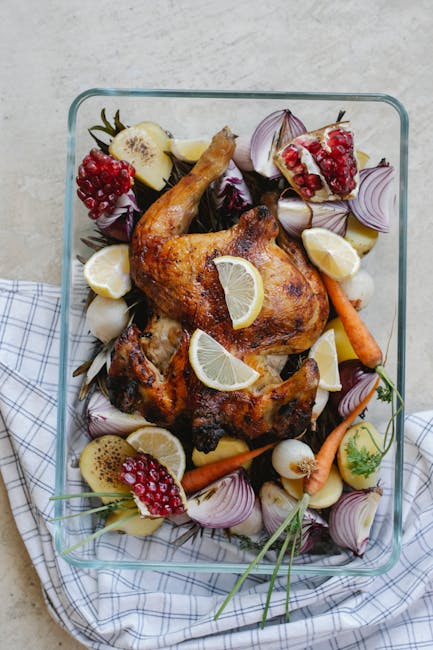
Butterflied Roast Chicken with Lemon and Rosemary: The Ultimate Guide to Crispy Skin and Juicy Meat
Butterflying a chicken, also known as spatchcocking, fundamentally transforms the roasting process. This technique involves removing the backbone and flattening the bird, allowing it to cook more evenly and significantly reducing overall cooking time. The flat surface area also promotes superior browning and crisping of the skin. When combined with the bright, aromatic flavors of lemon and rosemary, butterflied roast chicken becomes a show-stopping centerpiece that is surprisingly simple to prepare. This guide delves into the why and how of creating this delicious dish, covering everything from selecting the right chicken to achieving perfectly cooked, succulent meat with an irresistibly crispy exterior. Understanding the science behind butterflying unlocks a new level of roasting mastery, ensuring consistent, restaurant-quality results every time. The increased surface area exposed to heat allows for more rapid evaporation of moisture from the skin, leading to that coveted crispiness. Simultaneously, the flattened bird ensures that the breast meat, which cooks faster than the dark meat, doesn’t become overcooked while waiting for the thighs and legs to reach their optimal temperature. This balanced cooking approach is the cornerstone of a truly exceptional roast chicken.
The foundational element of any successful roast chicken is the quality of the bird itself. Opt for a free-range or organic chicken whenever possible. These birds tend to have a more developed flavor and a firmer texture due to their more active lifestyle and natural diet. Look for a chicken that is plump and firm to the touch, with clear, bright eyes. The skin should be smooth and unblemished. The size of the chicken is also a consideration; a 3-4 pound bird is generally ideal for butterflying, fitting comfortably on a standard baking sheet and cooking within a reasonable timeframe. For larger gatherings, consider purchasing multiple smaller chickens rather than one exceptionally large bird. This promotes more even cooking. Properly handling and storing the chicken is crucial for food safety. Always refrigerate your chicken below 40°F (4°C) and use it within a day or two of purchase. Before preparing the chicken, ensure your hands and all surfaces that come into contact with raw poultry are thoroughly cleaned and sanitized to prevent cross-contamination. This initial attention to sourcing and handling sets the stage for a superior final product. The fat content and muscle structure of a well-raised chicken contribute significantly to both flavor and moisture retention during the roasting process.
The process of butterflying a chicken, while appearing daunting, is remarkably straightforward with the right tools and a bit of practice. You will need a sturdy pair of kitchen shears or poultry shears. Position the chicken breast-side down on a clean cutting board. Locate the backbone, which runs along the length of the chicken’s underside. Using your shears, cut along one side of the backbone, from the tail end to the neck end. Repeat this process on the other side of the backbone. Once both cuts are complete, the backbone should be entirely removed. You can discard the backbone or save it for making stock. With the backbone removed, turn the chicken over so it is breast-side up. Press down firmly on the breastbone with the heel of your hand. You should hear a crack or pop, which signifies that the sternum has broken, allowing the chicken to lie flat. This flattened state is the essence of butterflying. If the chicken doesn’t lie completely flat, you can make a small incision on either side of the breastbone where it is still rigid and press again. Ensure the wings are tucked in or tied to prevent them from burning during cooking. This preparatory step is critical for even heat distribution and achieving that coveted crispy skin all over.
The aromatic flavor profile of lemon and rosemary is a classic pairing that complements the richness of chicken beautifully. For this recipe, you will need one large lemon and several sprigs of fresh rosemary. The lemon should be halved or quartered. Rosemary, with its piney, earthy notes, adds depth and fragrance. Fresh rosemary is essential for its vibrant flavor; dried rosemary will not provide the same aromatic intensity. You will also need a generous amount of good quality olive oil, salt, and freshly ground black pepper. Other optional seasonings that pair well include garlic powder, onion powder, and a pinch of paprika for added color and a hint of smokiness. The beauty of this recipe lies in its simplicity, allowing the core flavors to shine. The acidity of the lemon helps to tenderize the meat and cuts through the richness of the chicken, while the rosemary infuses it with its characteristic fragrance. Prepare your lemon by zesting half of it and then juicing both halves. This will provide both the aromatic oils from the zest and the bright, tangy juice. Finely chop the leaves from half of the rosemary sprigs; leave the remaining sprigs whole for cavity and pan placement.
To prepare the chicken for roasting, pat it thoroughly dry with paper towels. This is a crucial step for achieving crispy skin. Any residual moisture on the skin will steam the chicken rather than allowing it to brown and crisp. Place the butterflied chicken, skin-side up, on a large baking sheet lined with parchment paper or aluminum foil for easier cleanup. In a small bowl, combine the olive oil, lemon zest, chopped rosemary, salt, and freshly ground black pepper. You can also add any other desired seasonings at this stage. Rub this aromatic mixture all over the chicken, ensuring you get under the skin of the breast and thighs for maximum flavor penetration. Gently lift the skin from the breast and thigh meat and spread some of the herb and oil mixture directly onto the meat. This direct application ensures the flavors meld deeply with the chicken. Tuck the lemon quarters and the whole rosemary sprigs under the flattened chicken or around it on the baking sheet. The lemon will release its juices and steam, infusing the chicken with citrusy notes as it roasts, while the rosemary sprigs will impart their aroma.
Preheating your oven to the correct temperature is paramount for successful roasting. For butterflied chicken, a moderately high temperature is ideal. Preheat your oven to 425°F (220°C). This high heat promotes rapid browning and creates a wonderfully crispy skin without overcooking the interior. Ensure your oven has reached its preheated temperature before placing the chicken inside. Position the baking sheet with the chicken in the center of the oven. The cooking time will vary depending on the size of your chicken, but a 3-4 pound butterflied chicken will typically roast in 45-60 minutes. To check for doneness, insert an instant-read meat thermometer into the thickest part of the thigh, avoiding the bone. The chicken is cooked through when the internal temperature reaches 165°F (74°C). You can also check by piercing the thigh with a fork; the juices should run clear. Resist the urge to open the oven door too frequently, as this can cause the oven temperature to drop and prolong cooking time.
Once the chicken has reached its optimal internal temperature, remove it from the oven. It is crucial to allow the chicken to rest for at least 10-15 minutes before carving. This resting period allows the juices to redistribute throughout the meat, resulting in a more succulent and flavorful chicken. If you cut into the chicken too soon, the juices will escape, leaving the meat dry. Tent the chicken loosely with aluminum foil while it rests. This helps to keep it warm without steaming the crispy skin. During this resting period, you can prepare any accompanying side dishes or make a simple pan sauce from the drippings. The resting time is not just a suggestion; it is an integral part of the cooking process that directly impacts the final texture and moisture of the chicken. The muscle fibers relax, allowing them to reabsorb the juices that were pushed to the surface during cooking.
The versatility of butterflied roast chicken with lemon and rosemary makes it a perfect centerpiece for any occasion. It pairs wonderfully with a variety of side dishes. Roasted vegetables such as potatoes, carrots, and Brussels sprouts are excellent companions, as they can often be roasted on the same baking sheet alongside the chicken during the latter part of its cooking time. A simple green salad with a light vinaigrette provides a refreshing contrast. For a more substantial meal, consider serving it with mashed potatoes, couscous, or a pilaf. The pan drippings, infused with lemon and rosemary, can be used to create a quick and flavorful pan sauce. Deglaze the pan with a splash of chicken broth or white wine, scraping up any browned bits from the bottom. Simmer until slightly reduced, then whisk in a knob of butter for richness. This simple sauce elevates the entire dish. The bright flavors of the chicken also lend themselves well to serving with a side of herbed rice or a quinoa salad.
Troubleshooting common issues ensures consistently excellent results. If the chicken skin isn’t as crispy as desired, it might be due to insufficient drying before roasting, a lower oven temperature, or opening the oven door too often. Ensure the chicken is patted thoroughly dry and the oven is accurately preheated. If the chicken is overcooked, it’s likely a matter of cooking time; using a meat thermometer is the most reliable method for accurate doneness. If the chicken is undercooked, simply return it to the oven for an additional 5-10 minutes, checking the temperature frequently. Uneven cooking can occur if the chicken isn’t properly butterflied and flattened. Ensure you press down firmly on the breastbone to break the sternum. The lemon can sometimes cause slight charring on the skin if placed directly on top for the entire cooking time; consider adding them halfway through if this is a concern. Always remember that practice makes perfect, and understanding these common pitfalls will help you achieve a flawless butterflied roast chicken every time. Attention to detail in the preparation and cooking stages is key to overcoming these potential challenges and maximizing the deliciousness of your roast.


