
Category Baby Food Recipes

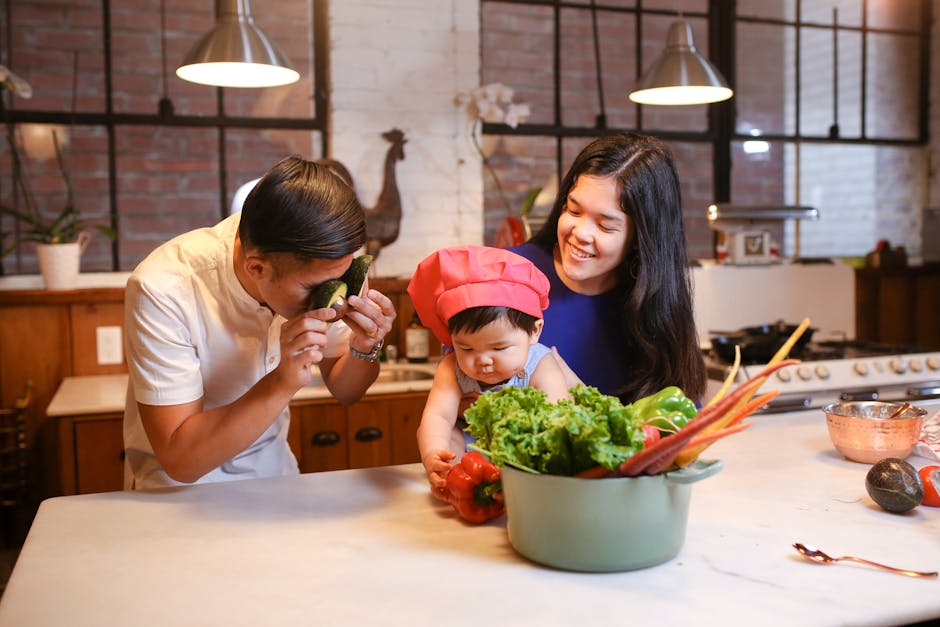
Nourishing Beginnings: A Comprehensive Guide to Baby Food Recipes
Introducing solid foods to an infant marks a significant milestone, a transition from milk-based nutrition to a more diverse diet. This phase, often beginning around six months of age, requires careful consideration of textures, flavors, and nutritional content. Creating homemade baby food offers unparalleled control over ingredients, avoiding preservatives, added sugars, and artificial additives often found in commercial options. It also allows for the introduction of a wide variety of nutrient-dense foods, fostering healthy eating habits from the outset. The key is to start with single-ingredient purees, gradually progressing to more complex textures and combinations as the baby’s digestive system matures and their palate expands. This guide will explore essential baby food recipes, categorized by nutrient focus and developmental stage, providing parents with the knowledge and inspiration to create wholesome meals for their little ones.
Stage 1: Single-Ingredient Purees (Approximately 6 Months)
The initial introduction of solids should focus on easily digestible, single-ingredient purees. This allows parents to identify potential allergens and introduces the baby to individual flavors. Iron-rich foods are particularly important at this stage as a baby’s natural iron stores begin to deplete.
-
Iron-Fortified Infant Cereal: While technically not a "recipe" in the traditional sense, iron-fortified infant cereals (rice, oat, or barley) are a cornerstone of early feeding. Prepare according to package directions using breast milk, formula, or water. Ensure it’s smooth and lump-free. This is often the first food introduced due to its easily digestible nature and crucial iron content.
-
Sweet Potato Puree: Sweet potatoes are an excellent source of Vitamin A, Vitamin C, and fiber. Bake or steam a peeled sweet potato until fork-tender. Blend with a small amount of breast milk, formula, or water to achieve a smooth consistency. The natural sweetness makes it highly palatable for babies.
-
Butternut Squash Puree: Similar to sweet potato, butternut squash is rich in Vitamin A and C, along with potassium. Roast or steam cubed butternut squash until soft. Puree with a liquid to achieve the desired texture. Its mild, slightly sweet flavor is well-accepted by infants.
-
Pea Puree: Peas offer protein, fiber, and vitamins A and K. Steam fresh or frozen peas until tender. Blend with a little cooking water or breast milk until completely smooth. Straining the puree can remove the outer skin for an extra-smooth texture, which is beneficial for very young babies.
-
Apple Puree: Apples provide fiber and Vitamin C. Peel, core, and steam or bake apples until soft. Blend with a small amount of water or apple juice (unsweetened, 100% juice) if needed. Ensure there are no added sugars.
-
Pear Puree: Pears are another gentle fruit option, rich in fiber and Vitamin C. Steam or bake peeled and cored pears until tender. Puree with a little water or breast milk. Pears are often well-tolerated due to their low acidity.
-
Banana Puree: Bananas are a fantastic source of potassium and easy to prepare. Simply mash a ripe banana with a fork until smooth. For a thinner consistency, a small amount of breast milk or formula can be incorporated. Bananas do not typically require cooking.
-
Avocado Puree: Avocados are a powerhouse of healthy fats, crucial for brain development, along with folate and potassium. Mash a ripe avocado with a fork until completely smooth. A small splash of breast milk or formula can be added to achieve the desired consistency. No cooking is required.
Stage 2: Introducing Variety and Texture (Approximately 7-9 Months)
As babies become more accustomed to solids and develop better oral motor skills, parents can introduce a wider range of flavors, slightly thicker textures, and simple combinations of previously introduced foods.
-
Carrot Puree: Carrots are rich in beta-carotene (which the body converts to Vitamin A) and fiber. Steam or boil peeled and chopped carrots until very tender. Puree with a little cooking water or breast milk. A slightly thicker texture is usually well-tolerated at this stage.
-
Broccoli Puree: Broccoli offers vitamins C and K, and fiber. Steam broccoli florets until tender. Puree with a small amount of cooking water or breast milk. Straining might be beneficial for the smoothest texture.
-
Zucchini Puree: Zucchini is mild in flavor and easily digestible, providing vitamin C and potassium. Steam or boil peeled and deseeded zucchini until tender. Puree with cooking water or breast milk.
-
Peach Puree: Peaches are a good source of vitamins A and C. Steam or bake peeled and pitted peaches until soft. Puree with a little water or breast milk.
-
Plum Puree: Plums are known for their mild laxative effect, which can be helpful for constipated babies. Steam or bake pitted plums until tender. Puree with a little water.
-
Chicken Puree: Lean protein is essential. Cook a small piece of boneless, skinless chicken breast until thoroughly cooked. Blend with a little breast milk, formula, or low-sodium chicken broth until smooth. Ensure no bones or skin are present.
-
Turkey Puree: Similar to chicken, cooked turkey breast can be pureed. Ensure it is well-cooked and blended to a smooth consistency with liquid.
-
Lentil Puree: Lentils are a fantastic plant-based source of iron and protein. Cook red lentils until very soft. Puree with cooking water. This may require a bit more liquid to achieve a smooth consistency.
-
Sweet Potato and Carrot Mash: Combine cooked sweet potato and carrot, mashed together. This offers a delightful flavor combination and introduces mild texture variations.
-
Apple and Cinnamon Puree: Cooked apple puree with a tiny pinch of cinnamon (ensure it’s pure cinnamon, not a blend with sugar). Cinnamon can introduce a warming flavor.
-
Pear and Ginger Puree: Steamed pear puree with a tiny hint of fresh ginger. Ginger can aid digestion and introduce a subtle spice.
-
Yogurt with Fruit Puree: Plain, unsweetened whole-milk yogurt mixed with a fruit puree (like banana or peach). This introduces dairy and probiotics, but should be introduced cautiously due to potential allergies.
Stage 3: More Complex Textures and Combinations (Approximately 9-12 Months and Beyond)
By this stage, babies can typically handle thicker purees, mashed foods with small soft lumps, and more sophisticated flavor combinations. Finger foods also become increasingly important for developing pincer grasp and self-feeding skills.
-
Beef and Vegetable Mash: Cooked, finely ground beef, pureed with cooked carrots, sweet potatoes, and a little low-sodium beef broth. This is a hearty, nutrient-dense meal.
-
Salmon and Pea Mash: Cooked, deboned, and skinless salmon, flaked and mashed with steamed peas and a touch of dill. Salmon provides omega-3 fatty acids.
-
Chicken and Rice Casserole (Pureed): Cooked chicken and rice (plain), pureed with cooked peas and carrots, and a little low-sodium chicken broth. This introduces a more complex texture and flavor profile.
-
Beans and Sweet Potato Mash: Cooked mashed beans (black beans or kidney beans, well-rinsed if canned) mixed with mashed sweet potato. This is a good source of fiber and protein.
-
Oatmeal with Berries: Cooked oatmeal mixed with pureed strawberries or blueberries. Berries are rich in antioxidants. Ensure they are well-pureed to avoid choking hazards.
-
Mango and Coconut Milk Smoothie: Ripe mango blended with unsweetened coconut milk. This is a dairy-free, nutrient-rich option with healthy fats.
-
Quinoa with Spinach and Squash: Cooked quinoa mashed with steamed spinach and roasted butternut squash. Quinoa is a complete protein.
-
Vegetable Medley with Herbs: A combination of steamed and mashed zucchini, broccoli, and bell peppers, seasoned with finely chopped fresh parsley or chives.
-
Fruit and Cheese Bits: Small pieces of soft fruits like ripe melon or banana, combined with tiny cubes of mild cheese (like cheddar or mozzarella) for babies who have progressed to finger foods. Ensure the cheese is low-sodium and cut into age-appropriate sizes.
-
Mini Meatballs (Soft): Finely ground lean meat (beef, turkey, chicken) mixed with a little cooked, mashed sweet potato or breadcrumbs, rolled into tiny, soft meatballs, and baked or pan-fried until thoroughly cooked. Cut into small, manageable pieces.
Key Considerations for Baby Food Preparation:
- Hygiene: Thoroughly wash hands, utensils, and produce before preparation.
- Cooking Methods: Steaming, boiling, baking, and roasting are preferred methods for cooking baby food. Avoid frying or adding excessive oils.
- Texture Progression: Start with smooth purees and gradually introduce thicker consistencies with small lumps as your baby develops.
- Temperature: Always test the temperature of the food before serving to ensure it is lukewarm.
- Storage: Store homemade baby food in airtight containers in the refrigerator for up to 3 days or freeze in ice cube trays or individual portions for up to 2-3 months. Thaw in the refrigerator or gently reheat.
- Allergen Introduction: Introduce new foods, especially common allergens like peanuts, eggs, dairy, and soy, one at a time and in small amounts. Monitor for any signs of allergic reaction. Consult your pediatrician for guidance on allergen introduction.
- Iron and Vitamin C: Prioritize iron-rich foods and pair them with vitamin C-rich foods to enhance iron absorption.
- Avoiding Salt and Sugar: Do not add salt or sugar to baby food. Babies do not need these additives, and it can lead to the development of unhealthy taste preferences.
- Consult Your Pediatrician: Always discuss the introduction of solids and any concerns you may have with your pediatrician. They can provide personalized advice based on your baby’s individual needs and developmental stage.
SEO Keywords: baby food recipes, homemade baby food, infant nutrition, first foods for baby, baby puree recipes, stage 1 baby food, stage 2 baby food, stage 3 baby food, baby led weaning recipes, iron rich baby food, allergy introduction baby food, baby meal ideas, healthy baby food, organic baby food recipes, baby food preparation, complementary feeding, starting solids, baby weaning foods.


