
Italian Spaghetti Sauce With Meatballs

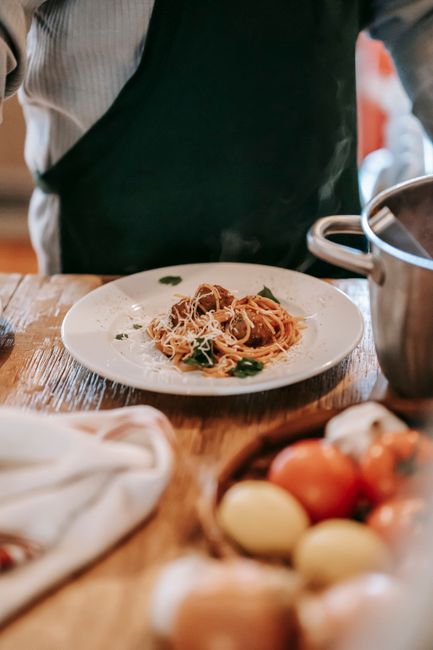
Authentic Italian Spaghetti with Meatballs: A Deep Dive into the Heart of the Classic
The quintessential Italian-American dish, spaghetti with meatballs, is more than just a meal; it’s a culinary icon, a comfort food staple, and a gateway into the rich tapestry of Italian-American heritage. While often simplified in popular culture, creating an authentic and deeply flavorful spaghetti and meatballs requires understanding the nuances of its components: the sauce and the meatballs themselves. This article will meticulously explore the essential elements, techniques, and variations that elevate this beloved dish from good to unforgettable, providing a comprehensive guide for home cooks seeking to master this classic.
The foundation of any exceptional spaghetti and meatballs lies in its sauce, or sugo. A true Italian-American sugo is a slow-simmered labor of love, built upon a base of high-quality tomatoes and aromatics. The cornerstone of this base is often a soffritto, a finely diced mirepoix of onion, carrot, and celery, slowly sautéed in olive oil until tender and translucent. This process caramelizes the vegetables, releasing their natural sweetness and adding a profound depth of flavor. The sweetness of the carrot is particularly crucial in balancing the acidity of the tomatoes, creating a harmonious flavor profile. Garlic, minced or thinly sliced, is added towards the end of the soffritto cooking to prevent burning and impart its pungent aroma.
The choice of tomatoes is paramount. While many recipes opt for canned crushed tomatoes, a more nuanced approach often involves a combination of San Marzano tomatoes, prized for their sweet, low-acidic flavor and meaty texture, and tomato paste. Tomato paste, when sautéed until it darkens to a deep brick red, undergoes a Maillard reaction, intensifying its umami notes and adding a rich, concentrated tomato flavor to the sauce. Some purists advocate for adding a splash of red wine during the soffritto stage, allowing it to reduce and deglaze the pan, further enriching the sauce with complex tannins and fruity undertones.
The simmering process is where the magic truly happens. A slow, gentle simmer over low heat for at least 1.5 to 2 hours, or even longer, allows the flavors to meld and deepen. This prolonged cooking breaks down the tomato solids, creating a smoother, more integrated sauce. Herbs play a vital role. Fresh basil, added towards the end of cooking to preserve its vibrant aroma, is essential. Oregano, bay leaves, and a pinch of red pepper flakes for a subtle warmth are also common additions. The seasoning should be adjusted judiciously throughout the simmering process, with salt and freshly cracked black pepper being the primary focus. Some cooks also add a pinch of sugar to counteract any lingering acidity from the tomatoes, but this should be done with caution to avoid an overly sweet sauce.
The meatballs, or polpette, are equally as critical as the sauce. The ideal meatball is a delicate balance of tender, moist interior and a slightly firm, browned exterior. The classic blend for meatballs typically includes ground beef and ground pork. The pork adds moisture and a richer flavor, while the beef provides structure. Some recipes incorporate ground veal for an even more tender result. The fat content of the ground meats is important; a lean-to-fat ratio of around 80/20 is generally ideal to prevent dry, crumbly meatballs.
The binders and flavorings for the meatballs are crucial for achieving the desired texture and taste. A combination of dried breadcrumbs (preferably from day-old Italian bread) and milk or water is commonly used to moisten the mixture and create a tender crumb. Soaking the breadcrumbs in milk or water before incorporating them into the meat mixture ensures even hydration. Eggs are essential for binding the ingredients together, preventing the meatballs from falling apart during cooking. Finely grated Parmesan cheese or Pecorino Romano adds a salty, nutty depth.
Aromatic additions to the meatball mixture include finely minced onion, garlic, and fresh parsley. Some chefs advocate for sautéing the onion and garlic before adding them to the raw meat mixture to mellow their harshness and release their sweetness. Seasoning with salt and freshly cracked black pepper is non-negotiable. The key to tender meatballs lies in gentle mixing. Overworking the meat mixture will develop the gluten in the breadcrumbs, resulting in tough, dense meatballs. Mix just until all ingredients are combined.
The cooking method for the meatballs significantly impacts their final texture and flavor. While some recipes advocate for frying the meatballs before adding them to the sauce, which imparts a desirable crust and extra flavor, others prefer to gently simmer them directly in the sauce. This latter method allows the meatballs to absorb the flavors of the sauce as they cook and remain exceptionally moist. If frying, a medium-hot oil is necessary to achieve a golden-brown exterior without overcooking the interior. They should be browned on all sides, but not cooked through at this stage, as they will finish cooking in the sauce.
The size of the meatballs is a matter of personal preference. Traditional Italian meatballs are often smaller, allowing for more surface area to absorb sauce. Larger, more Americanized versions are also popular. Regardless of size, consistency in size is important for even cooking.
The integration of meatballs into the sauce is the final act in this culinary symphony. Once the sauce has developed its rich flavor and the meatballs have been browned (if frying), they are gently added to the simmering sauce. The meatballs should be submerged in the sauce to ensure even cooking and flavor infusion. The sauce should then be gently simmered for at least 30 minutes to an hour, allowing the meatballs to cook through and absorb the essence of the sugo. This slow simmer also allows the sauce to thicken further and its flavors to marry.
The pasta choice is often debated. While spaghetti is the traditional accompaniment, other long pasta shapes like bucatini or linguine are also excellent choices. The pasta should be cooked al dente, meaning it has a slight bite to it. Overcooked pasta can render the entire dish mushy. The cooked pasta is typically tossed with a ladleful of sauce before being plated, and then generously topped with more sauce and a scattering of fresh basil.
Variations on this classic are abundant, reflecting regional differences and personal adaptations. Some Italian-American families add a touch of sweetness to their sauce with a tablespoon of sugar or a pinch of nutmeg. Others incorporate a splash of milk or cream into the meatball mixture for added richness. The inclusion of different meats in the meatball blend, such as lamb or chicken, can offer interesting flavor profiles. Some chefs even add a small amount of ricotta cheese to the meatball mixture for an exceptionally soft and moist texture.
For those seeking to deepen their understanding of Italian-American cuisine, exploring the historical context of this dish is illuminating. The tradition of meatballs in sauce likely evolved from the Italian custom of serving polpette as a separate course. When Italian immigrants arrived in America, they adapted their culinary traditions to readily available ingredients and shared cooking spaces, leading to the integration of meatballs and sauce with pasta. This fusion created a hearty, economical, and incredibly satisfying meal that quickly became a cornerstone of the Italian-American kitchen.
The SEO considerations for this topic are numerous. Keywords such as "spaghetti and meatballs recipe," "authentic Italian meatballs," "homemade marinara sauce," "classic Italian-American dishes," and "how to make spaghetti sauce" are crucial. Optimizing content with descriptive titles, headings (H2, H3), and meta descriptions that incorporate these keywords will improve search engine visibility. The depth of information provided, including detailed ingredient lists, step-by-step instructions, and explanations of culinary techniques, also contributes to a higher ranking. Focusing on providing unique and valuable content that answers user queries thoroughly is key to both SEO success and reader satisfaction. The emphasis on authenticity and the breakdown of each component caters to a discerning audience seeking to replicate a genuine taste of Italian-American heritage. The comprehensive nature of this article ensures it serves as a valuable resource for anyone looking to master this iconic dish.


