
Banana Pudding Ice Cream
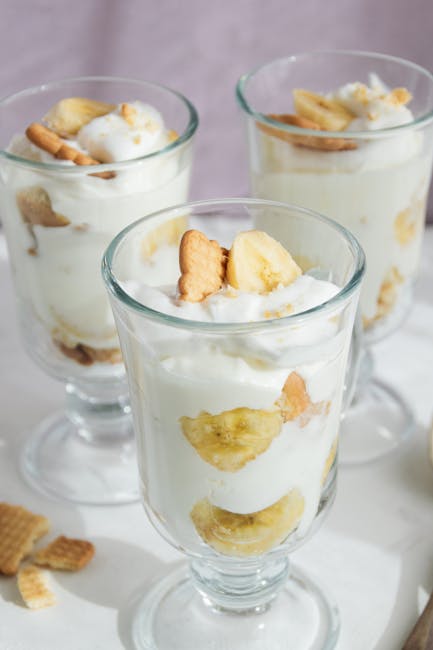
The Ultimate Guide to Banana Pudding Ice Cream: A Creamy, Dreamy Delight
Banana pudding ice cream transcends the ordinary, merging the comforting nostalgia of classic banana pudding with the refreshing indulgence of homemade ice cream. This dessert is not merely a flavor combination; it’s an experience, a symphony of textures and tastes that evokes childhood memories and satisfies sophisticated palates alike. The inherent sweetness of ripe bananas, the creamy richness of custard, and the delightful crunch of vanilla wafers are all masterfully captured and transformed into a frozen treat that is both familiar and excitingly new. Crafting this dessert at home allows for an unparalleled level of customization, from the ripeness of the bananas to the quality of the cream, ensuring a truly bespoke culinary masterpiece. The process, while requiring a degree of patience, is immensely rewarding, culminating in a scoop of pure, unadulterated bliss.
The foundational element of exceptional banana pudding ice cream is, unsurprisingly, the banana. The ripeness of the banana is paramount. Overripe bananas, characterized by their brown spots and soft texture, are the ideal choice. Their sugars have concentrated significantly, resulting in a more intense sweetness and a deeper, more complex banana flavor. This natural sweetness reduces the need for added sugar in the ice cream base, allowing the true essence of the fruit to shine. When preparing the bananas, mashing them thoroughly is crucial. This releases their juices and pulp, ensuring their flavor is evenly distributed throughout the ice cream. Some recipes advocate for caramelizing the bananas before incorporating them into the base. This process involves cooking the mashed or sliced bananas with a bit of sugar and butter until they soften and develop a rich, toffee-like flavor. This adds another layer of depth and complexity, transforming the simple banana into a more sophisticated flavor component. However, for a cleaner, more direct banana taste, simply mashing ripe bananas and incorporating them directly into the custard base is equally effective. The decision between these approaches often comes down to personal preference and the desired flavor profile.
The ice cream base itself is a critical component, dictating the overall texture and richness of the final product. A classic custard-based ice cream, often referred to as French-style ice cream, forms the ideal foundation for banana pudding ice cream. This method involves tempering egg yolks into a heated mixture of milk and cream. The egg yolks act as emulsifiers and thickeners, resulting in an exceptionally smooth and creamy texture. The process begins by heating milk and heavy cream together. While this mixture heats, egg yolks are whisked with sugar until they become pale and slightly thickened. A small amount of the hot milk and cream mixture is then gradually whisked into the egg yolks to temper them, preventing them from scrambling. Once tempered, the egg yolk mixture is returned to the saucepan with the remaining milk and cream and cooked gently over low heat, stirring constantly, until the custard thickens enough to coat the back of a spoon. This cooking process also pasteurizes the eggs, a crucial safety consideration. The custard is then strained to remove any potential bits of cooked egg and chilled thoroughly before churning. Chilling the base is a non-negotiable step; a cold base churns more efficiently and results in a smoother ice cream. For those seeking a quicker or egg-free option, a Philadelphia-style ice cream base can also be adapted. This method relies solely on milk, cream, and sugar, omitting the eggs. While it offers a lighter texture, it may lack the inherent richness and silkiness of a custard base.
The integration of the "pudding" element into the ice cream is where the magic truly happens. This typically involves incorporating crumbled vanilla wafers or a homemade vanilla wafer cookie into the ice cream base, either during the churning process or folded in afterwards. The wafers provide a delightful textural contrast to the creamy ice cream, mimicking the satisfying crunch of a traditional banana pudding. The key is to ensure the wafers retain some of their crispness, avoiding sogginess. This can be achieved by adding them towards the end of the churning cycle or by folding them in just before the ice cream is transferred to its final storage container. Some recipes suggest lightly toasting the wafers before crumbling them to enhance their flavor and prevent them from becoming overly soft. The quality of the vanilla wafer is also important. Opt for good-quality wafers with a distinct vanilla flavor; avoid overly sweet or bland varieties that might dilute the overall taste profile. The amount of wafers can also be adjusted to personal preference, from a subtle hint of crunch to a more substantial presence.
The act of churning the ice cream is where the transformation from liquid base to frozen delight occurs. Whether using an ice cream maker with a pre-frozen bowl or a compressor-based machine, the process involves agitating the cold base while it freezes. This continuous movement breaks down ice crystals as they form, resulting in a smoother, creamier texture. Over-churning can lead to an icy texture, while under-churning will result in a softer, more slushy consistency. The ideal consistency after churning is that of soft-serve ice cream. At this stage, the crumbled vanilla wafers are typically folded in. Some recipes also call for a swirl of homemade or high-quality store-bought banana pudding. This could be a simple cooked pudding or a more decadent crème anglaise infused with banana flavor. The swirl adds ribbons of intense banana flavor and a slightly different texture, enhancing the overall sensory experience.
After churning, the ice cream requires a period of "ripening" or hardening in the freezer. This allows the ice cream to firm up to a scoopable consistency. It’s crucial to transfer the churned ice cream to an airtight container to prevent the formation of ice crystals on the surface, which can lead to a less desirable texture. Placing a piece of parchment paper or plastic wrap directly on the surface of the ice cream before sealing the container can further help to minimize ice crystal formation. Allowing the ice cream to freeze for at least 4-6 hours, or preferably overnight, will ensure it reaches its optimal texture and flavor. The flavors will also meld and deepen during this hardening period.
Beyond the core ingredients, several enhancements can elevate banana pudding ice cream to new heights. A touch of bourbon or rum can add a sophisticated warmth and complexity, complementing the sweetness of the banana and the richness of the custard. A pinch of cinnamon or nutmeg can introduce a hint of spice, creating a cozy and comforting flavor profile. For those who enjoy a more pronounced caramel note, a drizzle of homemade caramel sauce folded in during the final stages of churning or swirled on top before freezing can be an exquisite addition. Extracts, such as a high-quality vanilla extract or even a subtle banana extract, can be used to amplify the banana flavor. However, it’s important to use extracts judiciously, as too much can lead to an artificial taste. The goal is to enhance, not overpower, the natural flavors.
The SEO-rich keywords relevant to banana pudding ice cream are numerous and varied. These include: "banana pudding ice cream recipe," "homemade banana pudding ice cream," "best banana pudding ice cream," "creamy banana ice cream," "vanilla wafer ice cream," "custard ice cream recipe," "banana dessert recipes," "no-churn banana pudding ice cream" (for those seeking alternative methods), "ice cream maker recipes," "summer desserts," "nostalgic desserts," "sweet treats," and "frozen desserts." Incorporating these terms naturally throughout the article will significantly improve its search engine visibility. Discussing variations like "banana pudding ice cream with swirls," "bourbon banana pudding ice cream," or "vegan banana pudding ice cream" can also attract a wider audience and address specific search queries.
The visual appeal of banana pudding ice cream is also a key consideration. The pale yellow hue of the banana base, interspersed with the golden flecks of crumbled vanilla wafers, is inherently inviting. Garnishes can further enhance its presentation. A dollop of whipped cream, a sprinkle of crushed vanilla wafers, a fresh slice of banana, or a drizzle of caramel sauce can transform a simple scoop into an artistic creation. Serving the ice cream in chilled bowls or glasses adds to the overall dining experience.
For home cooks looking to replicate this delightful dessert, a well-structured recipe is essential. The process typically involves: preparing the banana component (mashing or caramelizing), creating the custard base (heating milk/cream, tempering eggs, cooking), chilling the base, churning the ice cream, incorporating mix-ins (wafers, swirls), and hardening the ice cream. Each step requires attention to detail, but the outcome is invariably worth the effort. The satisfaction of creating a truly exceptional dessert from scratch, one that evokes fond memories and delights the senses, is a reward in itself. The popularity of banana pudding ice cream stems from its ability to evoke comfort and joy, making it a perennial favorite for all ages. Its rich, creamy texture and balanced sweet and banana flavors make it a standout dessert that is sure to impress.





