Mastering the Art of Oven Roasted Potatoes A Guide to Culinary Precision and Texture

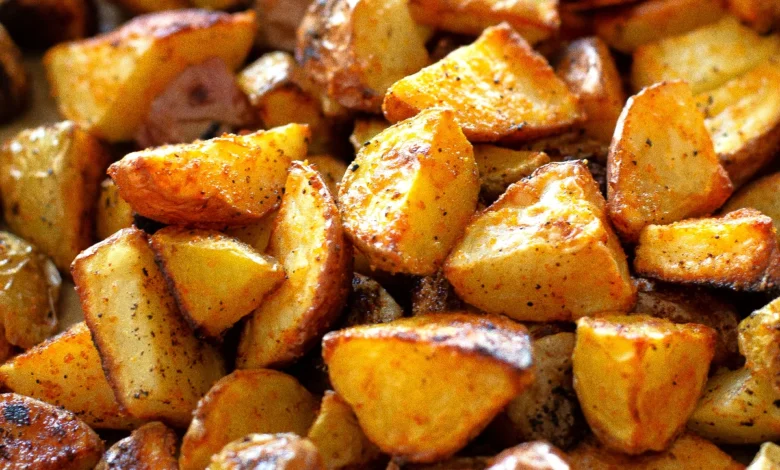
The quest for the perfect oven-roasted potato remains a central pillar of contemporary home gastronomy, bridging the gap between casual family dining and professional culinary standards. While the dish appears deceptively simple, achieving the optimal balance of a shattered-glass exterior and a pillowy, cloud-like interior requires a sophisticated understanding of heat transfer, starch chemistry, and moisture control. Culinary experts and home chefs alike have long debated the specific variables—ranging from potato variety to oil-to-surface-area ratios—that elevate a standard side dish into a centerpiece of texture and flavor. Recent developments in home cooking techniques, championed by figures such as Christy Denney, emphasize the importance of caramelized edges and the avoidance of common pitfalls like overcrowding and undercooking, which often result in a subpar dining experience.
The importance of this staple cannot be overstated in the context of the modern diet. As consumers increasingly move away from deep-fried preparations due to health considerations, the oven-roasting method has emerged as a preferred alternative, offering the sensory satisfaction of a French fry with a significantly reduced lipid profile. This transition is supported by a growing body of culinary research suggesting that high-heat roasting, when executed with precision, facilitates the Maillard reaction—a chemical process between amino acids and reducing sugars that gives browned food its distinctive flavor and aroma.
Historical Context and the Evolution of the Roasted Potato
The potato, or Solanum tuberosum, has undergone a dramatic transformation since its introduction to Europe from the Andean highlands in the 16th century. Initially met with suspicion, it eventually became the backbone of Western agriculture and nutrition. The evolution of roasting as a preparation method coincided with the development of the modern oven. Unlike boiling or mashing, which were the primary methods of the 18th and 19th centuries, roasting allowed for a preservation of the tuber’s structural integrity while introducing complex textural contrasts.
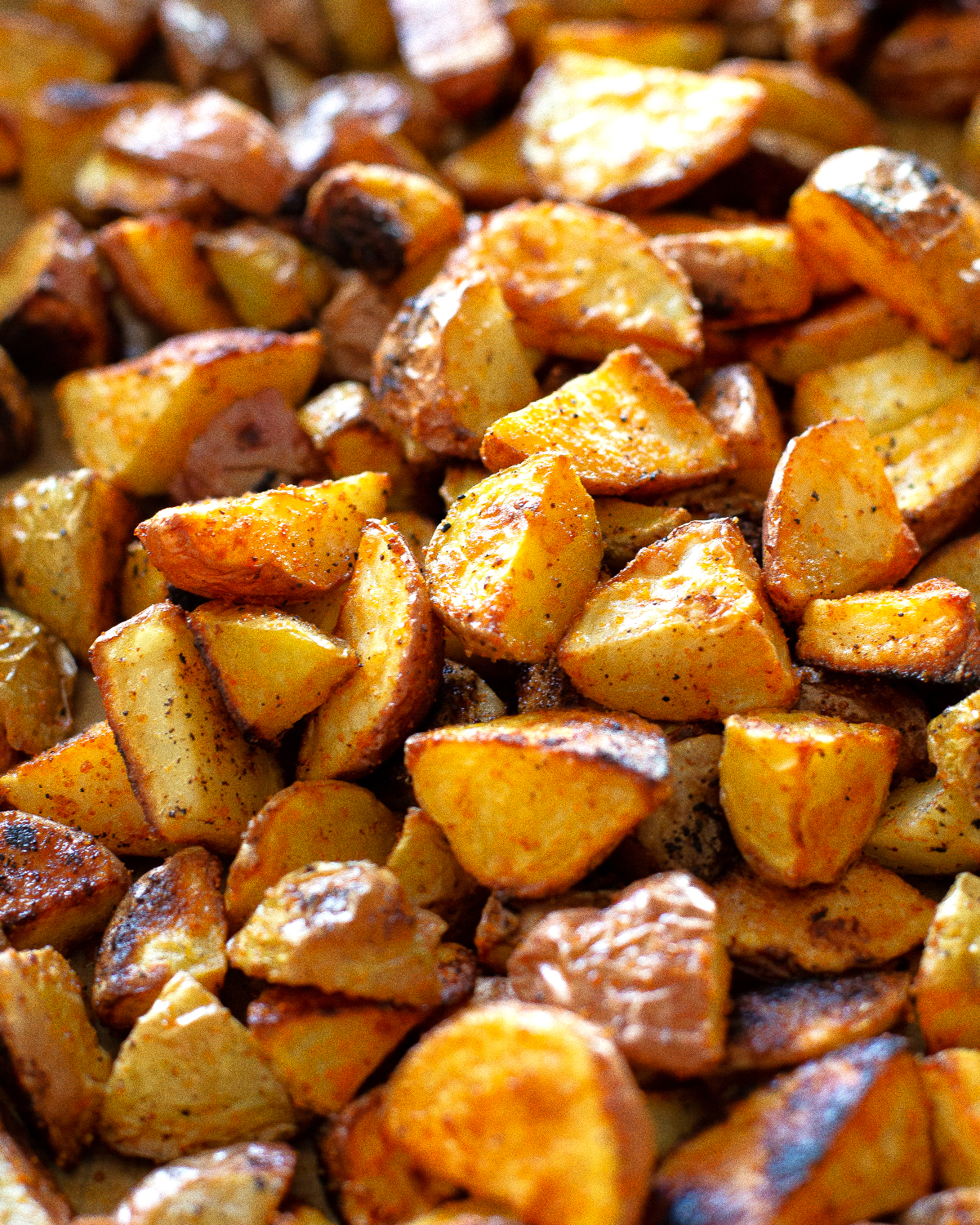
In the mid-20th century, the rise of the fast-food industry popularized the deep-fried potato, setting a new global standard for "crispiness." However, the late 20th and early 21st centuries saw a resurgence in home-roasting techniques as "comfort food" became a focus of culinary blogs and television programming. Influencers like Christy Denney have played a pivotal role in democratizing these professional techniques, translating complex kitchen science into repeatable protocols for the average household. Denney’s approach, which draws inspiration from the "crispy bits" found at the bottom of fast-food containers, highlights a consumer preference for maximized surface area and high-intensity seasoning.
The Physics of Thermal Distribution: Avoiding the Crowded Pan
One of the most critical factors in successful roasting is the management of steam. When potatoes are placed in a high-heat environment, they release internal moisture. If the potatoes are packed too closely on a sheet pan, this moisture creates a localized humid microclimate, effectively steaming the potatoes rather than roasting them. To achieve the desired golden-brown crust, air must be allowed to circulate freely around each piece of produce.
Data from culinary test kitchens suggests that for a standard 18×13-inch rimmed baking sheet, the optimal capacity is approximately two pounds of cut potatoes. Exceeding this limit leads to a phenomenon known as "pan crowding," which inhibits the evaporation of surface moisture. When potatoes are spaced at least half an inch apart, the dry heat of the oven can efficiently dehydrate the exterior, allowing the temperature of the potato skin to rise above the boiling point of water, thus triggering the browning process.
Varietal Selection and Starch Composition
The success of a roasted potato is heavily predicated on the biological characteristics of the tuber itself. Potatoes are generally classified into three categories: starchy, waxy, and all-purpose.
- Russet Potatoes (Starchy): High in starch and low in moisture, Russets are the traditional choice for baking and frying. Their cell structure is prone to breaking down, which creates a floury texture that excels at absorbing fats and seasonings. When roasted, they produce a thick, crunch-heavy crust.
- Yukon Gold Potatoes (All-Purpose): These are frequently cited by culinary professionals as the ideal roasting potato. They possess a medium starch content and a naturally buttery flavor. Their skin is thin enough that peeling is unnecessary, and they maintain a creamy, dense interior even after prolonged exposure to high heat.
- Red Potatoes (Waxy): Low in starch and high in moisture, these potatoes hold their shape exceptionally well. While they are excellent for salads, they struggle to achieve the same level of exterior crispness as starchy varieties.
Analysis of consumer trends indicates a growing preference for Yukon Golds in the "roasted" category due to their versatility and the aesthetic appeal of their golden flesh.
Methodological Standards for Optimal Results
To replicate the high-quality results described by seasoned cooks, a specific protocol must be followed. This "faux-frying" technique relies on four primary pillars:
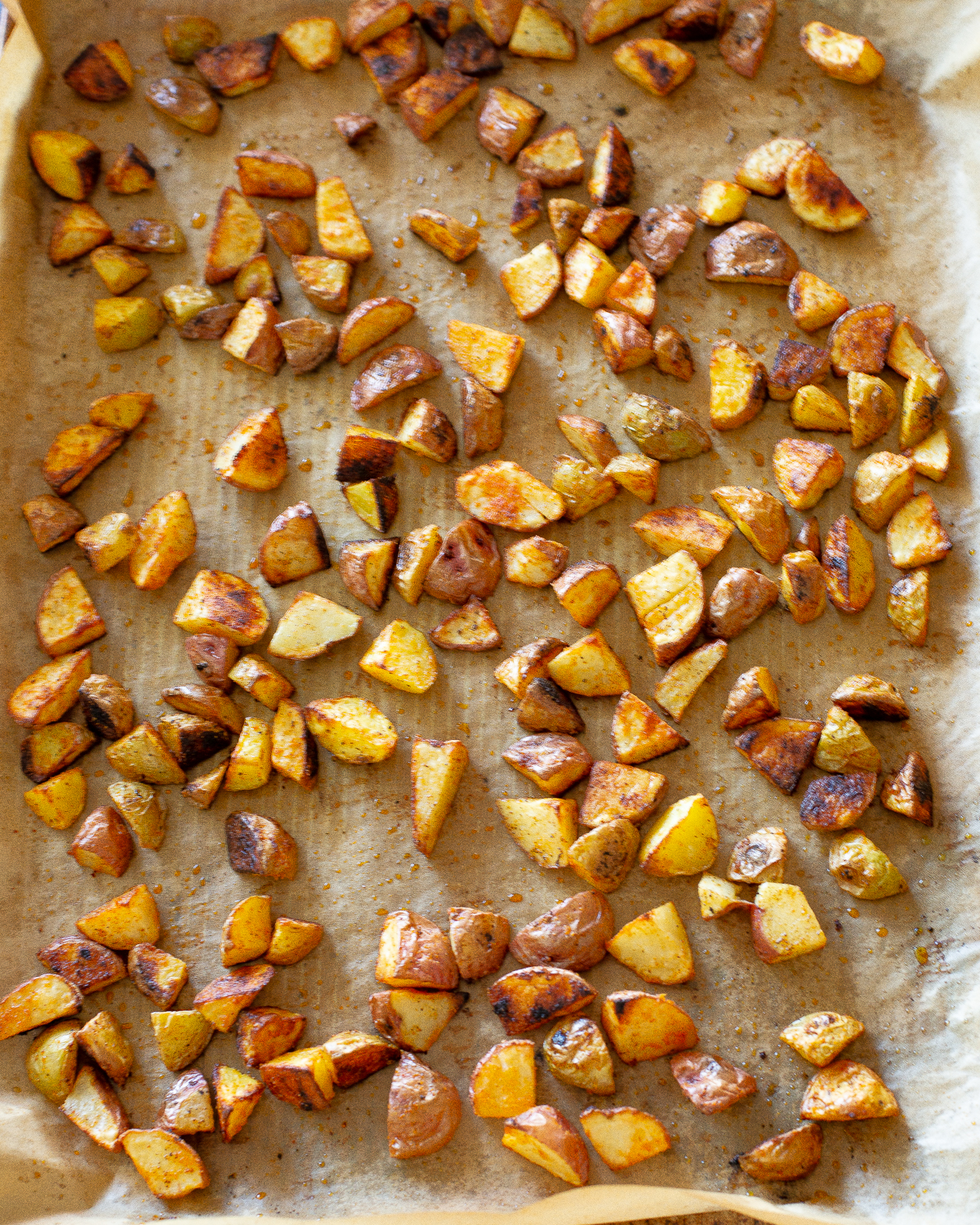
Precision Cutting: The potatoes must be uniform in size to ensure they cook at the same rate. A size of 3/4 inch to 1 inch is recommended. Smaller chunks increase the surface-area-to-volume ratio, which maximizes the "crispy" potential of each bite.
Surface Prep and Parchment: The use of parchment paper is more than a convenience for cleanup; it acts as a non-stick interface that allows the potato to caramelize without tearing when flipped. It also aids in even heat distribution across the bottom of the tuber.
High-Temperature Execution: Roasting should occur at temperatures between 400°F and 425°F (204°C to 218°C). This high heat is necessary to crisp the exterior before the interior becomes overcooked and loses its structural integrity.
Seasoning Integration: Modern recipes have moved beyond simple salt and pepper. The inclusion of garlic powder, onion powder, and dried herbs provides a complex flavor profile that survives the high-heat environment. It is noted that fresh garlic often burns at these temperatures, making granulated or powdered versions more effective for long roasts.
Chronology of a Standard Roast
The timeline for producing professional-grade roasted potatoes typically spans 35 to 45 minutes, depending on the oven’s calibration and the specific potato variety used.
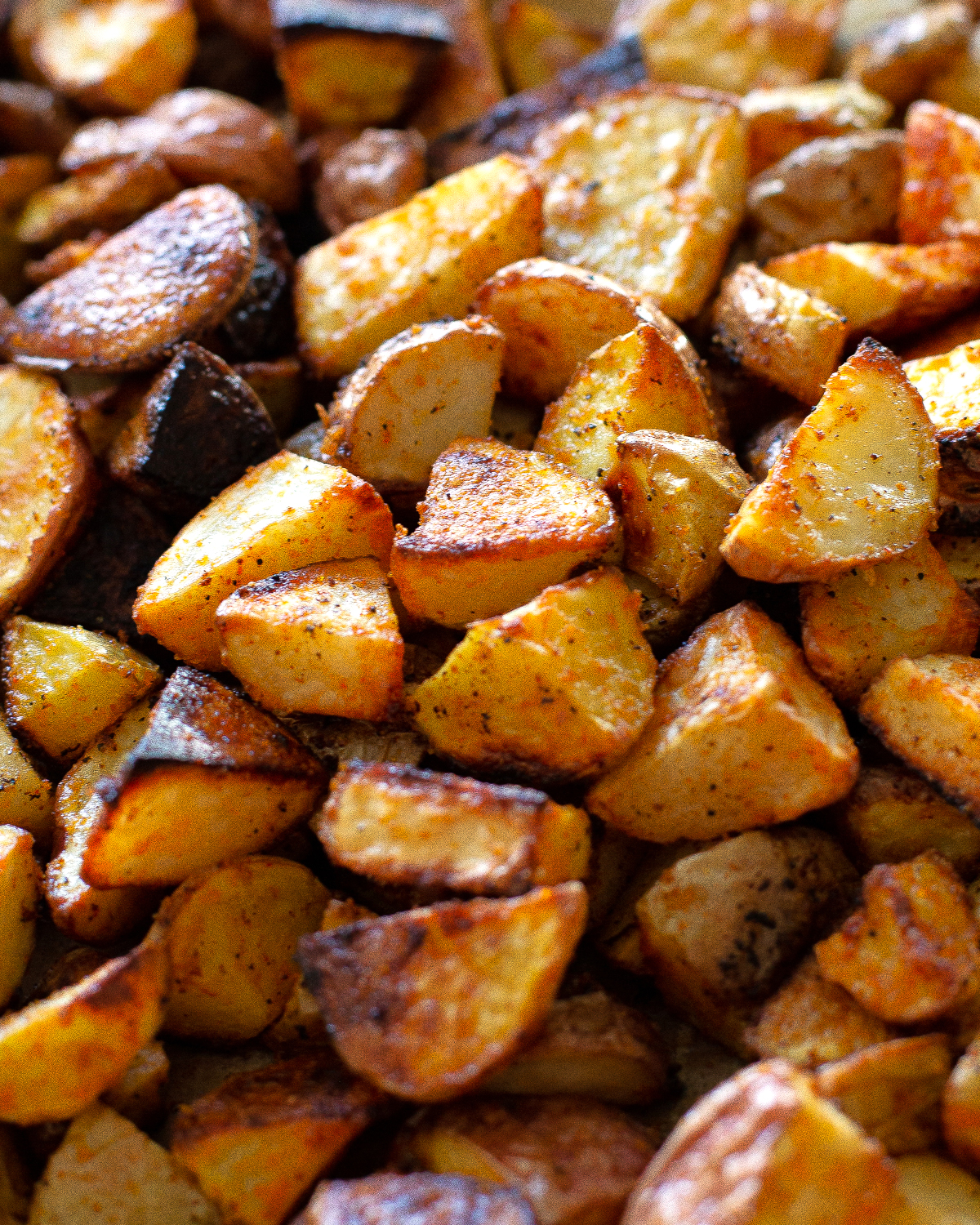
- 0–10 Minutes: Initial moisture release. The potatoes begin to soften, and the oil starts to sizzle against the parchment paper.
- 10–25 Minutes: The internal starches gelatinize. The potatoes become tender. This is usually the point where a manual "flip" or toss is required to ensure even browning.
- 25–40 Minutes: The Maillard reaction accelerates. The exterior dehydrates and browns, forming the characteristic "golden caramelized edges."
- Post-Roast: A resting period of 2–3 minutes allows the internal steam to stabilize, ensuring the crust remains crisp rather than becoming soggy from residual internal moisture.
Nutritional Implications and Consumer Health
From a nutritional standpoint, roasted potatoes offer a compelling profile. A medium potato with the skin intact provides approximately 45% of the daily value of Vitamin C and more potassium than a banana. By roasting with heart-healthy oils—such as olive or avocado oil—rather than submerging in trans-fat-heavy frying vats, the cook preserves these micronutrients while managing caloric density.
Market research suggests that "home-style" roasted vegetables are seeing a 15% year-over-year increase in mentions on restaurant menus, reflecting a broader societal shift toward "whole foods" that are minimally processed. The ability to prepare these at home further empowers consumers to control sodium and fat intake, addressing long-standing public health concerns regarding the "side dish" category.
Broader Impact and Culinary Implications
The roasted potato is often dismissed as a mere accompaniment, but its role in the culinary landscape is foundational. It serves as a litmus test for a cook’s attention to detail. In a professional setting, the quality of the roasted potatoes can signal the overall standards of the kitchen. For the home cook, it represents a reliable, cost-effective, and highly adaptable solution for feeding a family.
As culinary technology continues to evolve—with the rise of convection ovens and air fryers—the fundamental principles of the roasted potato remain the same. It is an exercise in the balance of elements: the earthiness of the tuber, the conductivity of the fat, and the transformative power of dry heat. By adhering to the technical guidelines of proper spacing, high heat, and varietal selection, the humble potato is elevated to a sophisticated gastronomic experience that satisfies both the palate and the requirement for nutritional substance. In the words of culinary observers, there is perhaps no greater disappointment in a meal than an undercooked potato, and conversely, no greater simple pleasure than one roasted to perfection.
Related posts: