The Enduring Legacy and Culinary Evolution of the Traditional American Peach Cobbler

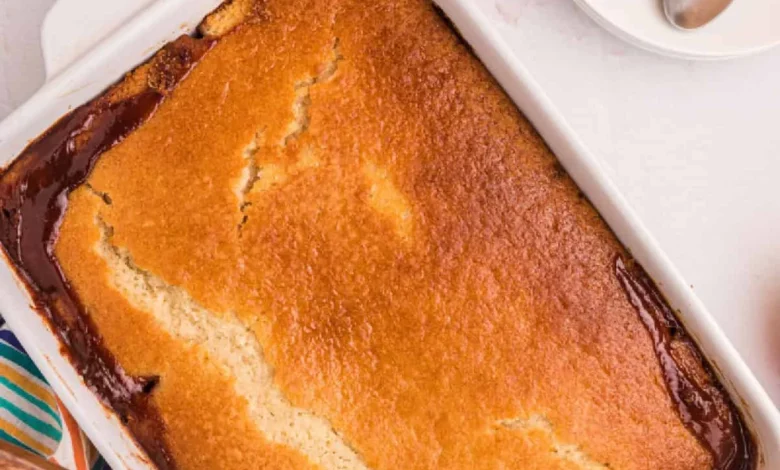
The peach cobbler remains a cornerstone of American domestic confectionery, representing a blend of colonial heritage, agricultural necessity, and modern convenience. This dessert, characterized by its bubbling fruit base and varied pastry or cake-like toppings, has transcended its humble origins to become a seasonal staple in both professional kitchens and private households. Recent data from culinary historians and agricultural experts suggests that the enduring popularity of the dish is rooted not only in its flavor profile—marked by the synergy of stone fruit, cinnamon, and nutmeg—but also in its remarkable adaptability to seasonal availability and shifting consumer preferences for "easy" or "accessible" home-baking methods.
Historical Context and Chronological Development
The lineage of the peach cobbler is inextricably linked to the early American colonial period. Historians note that the dish evolved from British suet puddings and fruit pies. Early settlers, lacking the specialized equipment or refined ingredients necessary to produce traditional English pastry crusts, adapted by "cobbling" together biscuit dough or cake batter over locally available fruit. This "cobbled" appearance, resembling a stone street, eventually gave the dish its name.

Throughout the 19th century, the cobbler became a pragmatic solution for frontier families. As pioneers moved westward, the availability of fresh peaches—particularly in the southern and western regions of the United States—solidified the peach cobbler as a regional favorite. By the mid-20th century, the rise of industrial food processing introduced canned and frozen peaches, allowing the dessert to move beyond its strict summer seasonality. The modern "Easy Peach Cobbler" recipe, which emphasizes a preparation time of approximately 30 minutes and a total time of one hour and 15 minutes, reflects the contemporary shift toward minimizing labor while maximizing traditional flavor profiles.
Technical Analysis of the Modern Recipe
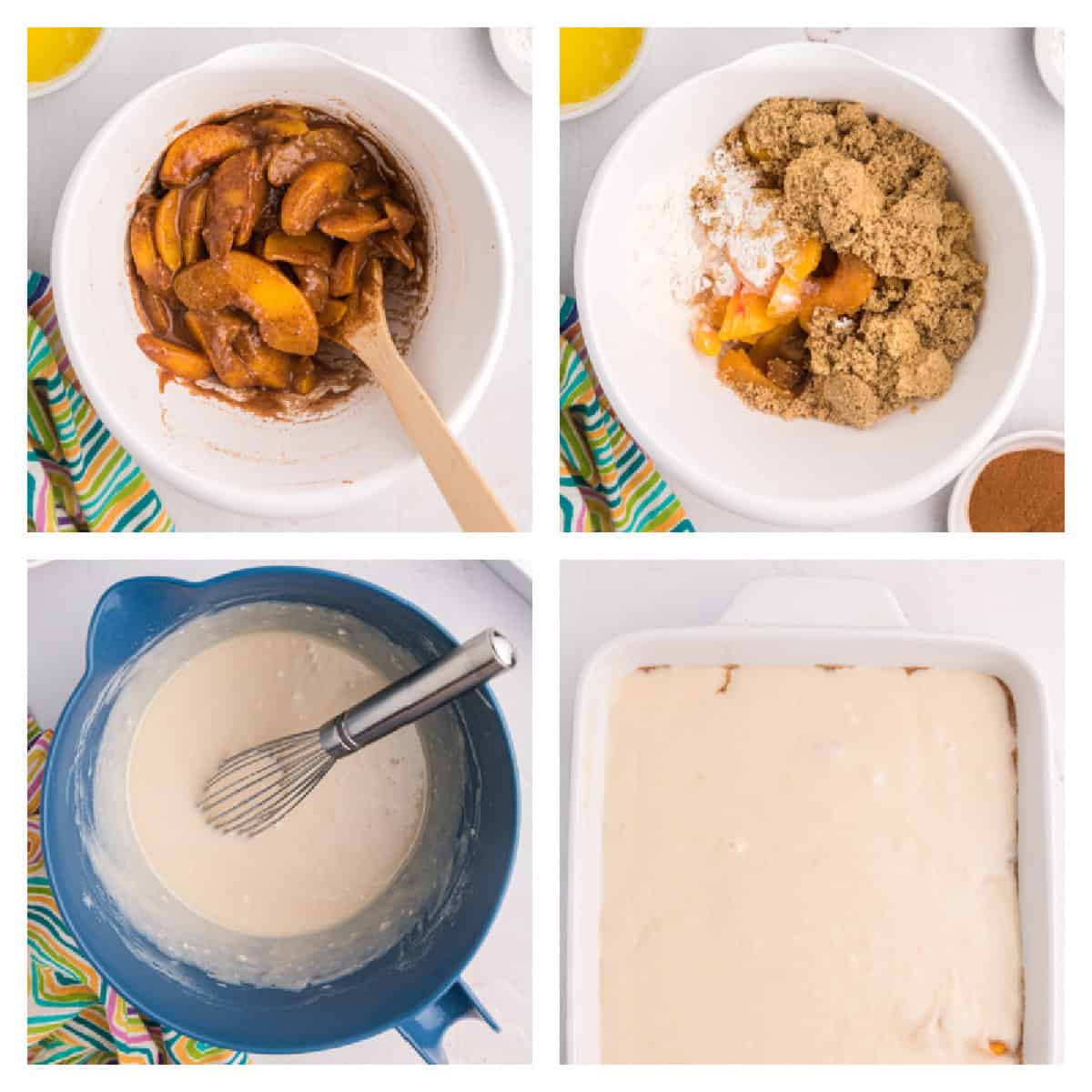
A detailed examination of the standard easy peach cobbler reveals a specific chemical and textural architecture. Unlike the "biscuit-style" cobbler, which utilizes a denser, leavened dough dropped in mounds, the version popularized in modern domestic science often features a soft, buttery topping that bridges the gap between a sponge cake and a biscuit.
Ingredient Composition and Interaction
The structural integrity of the dessert relies on several key components:
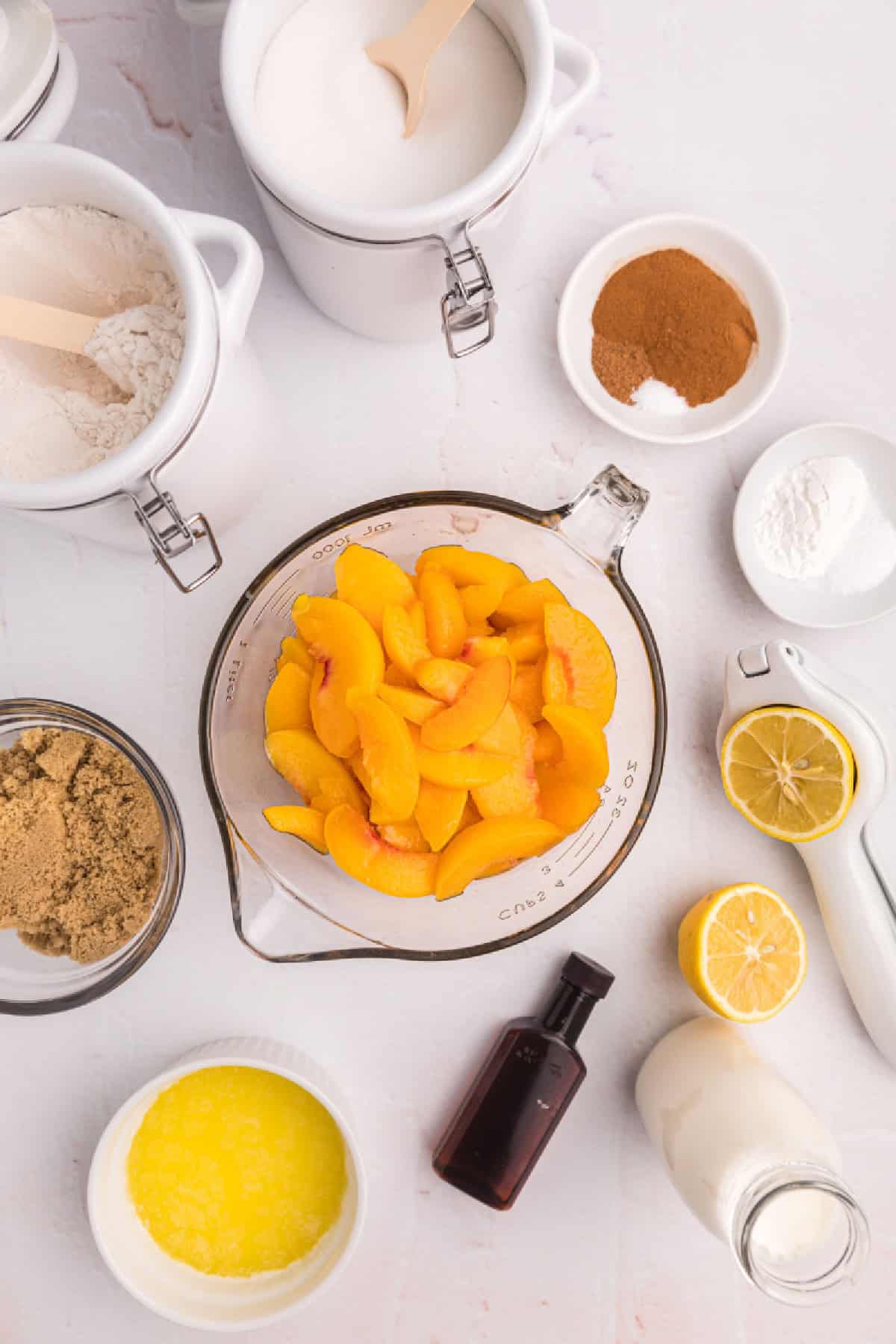
- Fruit Base: Typically requiring several cups of peaches (fresh, frozen, or canned), the fruit undergoes a maceration process where sugars and heat extract natural juices.
- Aromatic Spices: The inclusion of cinnamon and nutmeg provides a warm flavor profile that complements the acidity of the peaches.
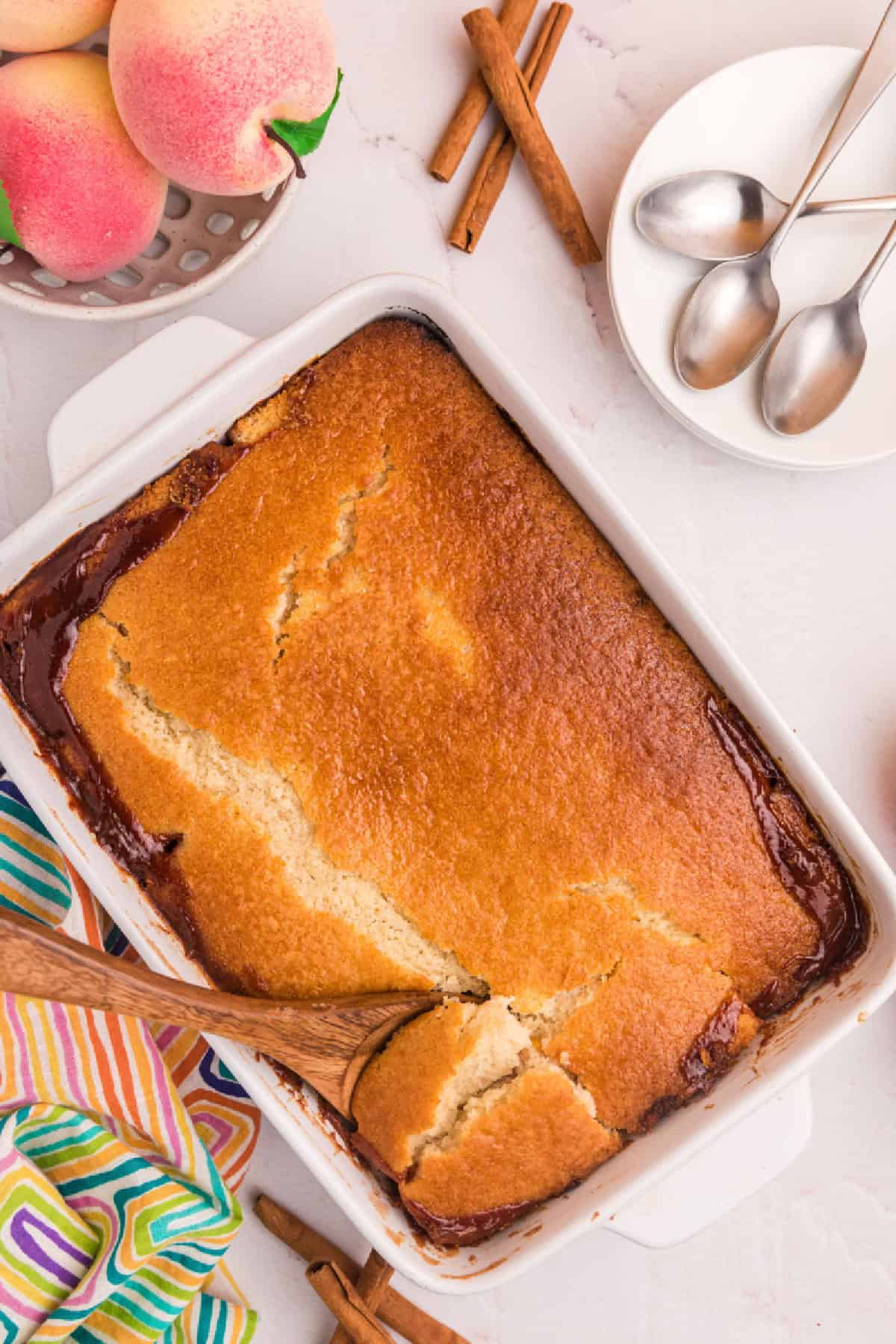
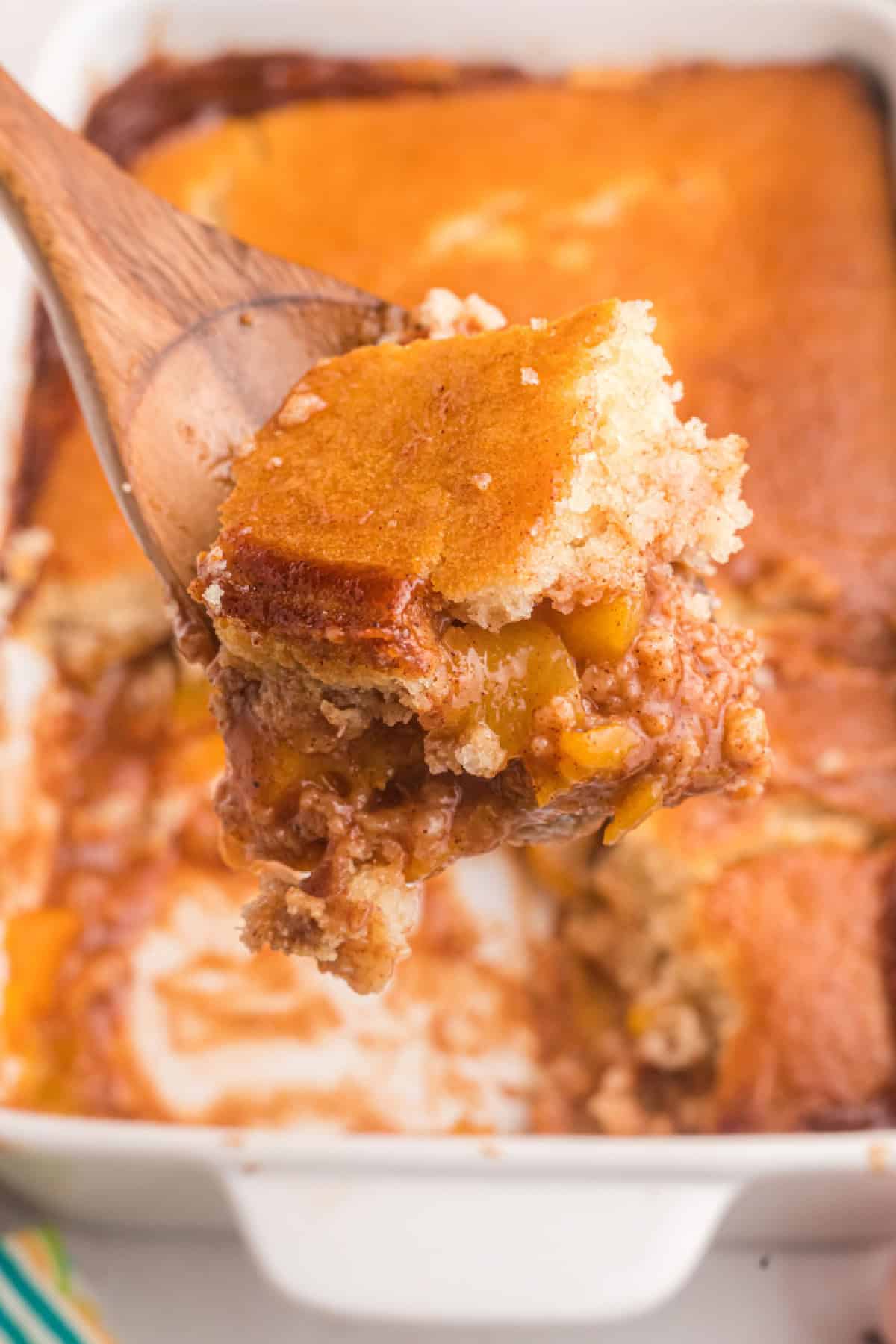
- Leavening and Texture: The topping utilizes a combination of flour, sugar, and leavening agents (such as baking powder) to create a golden, porous crust. As the dish bakes for the recommended 45 minutes, the topping absorbs the rising fruit juices, resulting in a jammy interface between the fruit and the cake.
Nutritional Data
Based on a standard yield of 12 servings, a single portion of this dessert typically contains approximately 350 calories. The macronutrient breakdown is as follows:
- Carbohydrates: 64g, primarily derived from fruit sugars and flour.
- Fats: 9g, with a significant portion (6g) being saturated fat, usually from butter.
- Micronutrients: The dish provides notable amounts of Vitamin A (466 IU) and Calcium (127 mg), largely due to the fruit content and dairy components.
Agricultural Impact and Ingredient Flexibility
The peach industry in the United States plays a vital role in the proliferation of this dessert. Georgia, South Carolina, and California remain the primary producers, with peak harvest times occurring between June and August. However, the versatility of the peach cobbler allows for the use of frozen fruit, which has seen a steady increase in consumer demand.
According to agricultural market reports, the frozen fruit sector allows for "dessert emergencies" or off-season consumption without a significant loss in nutritional value. Frozen peaches are often processed at the peak of ripeness, ensuring that the sugar-to-acid ratio remains consistent with fresh counterparts. This flexibility is a key selling point for modern recipes, as it removes the barrier of seasonality and encourages year-round baking.
The "Easy" Movement in Domestic Science
The transition from complex, multi-step pastry recipes to "easy" versions reflects a broader trend in American home life. Sociologists studying domestic habits suggest that the "Easy Peach Cobbler" is part of a larger movement toward "comfort food efficiency." By reducing the preparation time to 30 minutes, the recipe becomes accessible to working-class families and novice bakers.
The rise of digital platforms has further accelerated this trend. Websites such as RecipeBoy.com and other culinary archives have popularized versions of the dish that require fewer ingredients—sometimes as few as three in simplified "dump cake" variations. This democratization of baking ensures that traditional flavors are preserved even as the technical skills required to produce them are streamlined.
Reactions from the Culinary Community
Professional pastry chefs and food critics often view the cobbler through the lens of "nostalgia marketing." While high-end restaurants may offer deconstructed or gourmet versions of the dish, the consensus remains that the traditional, rustic presentation is what consumers crave.
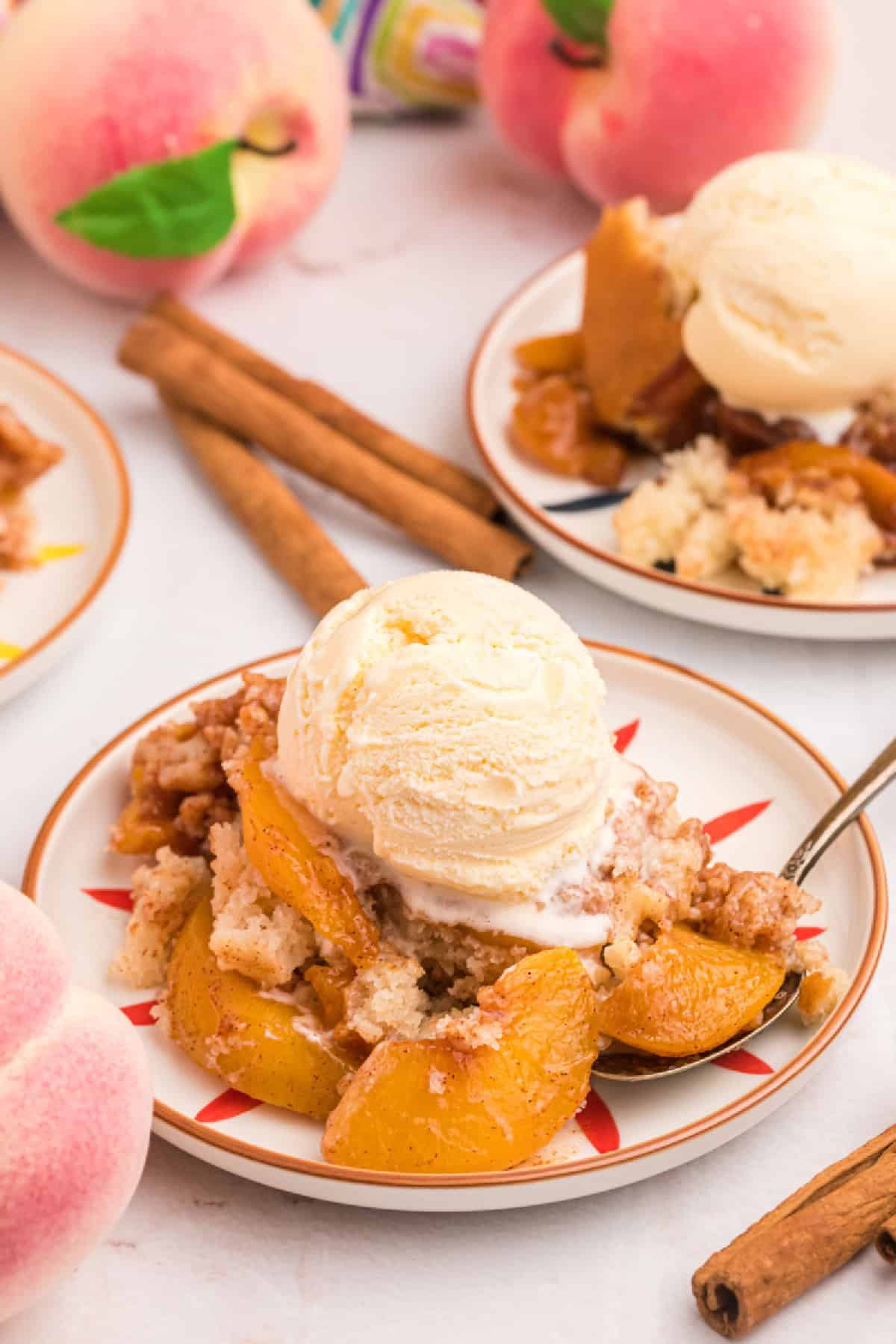
"The appeal of the peach cobbler lies in its lack of pretension," notes a leading food industry analyst. "It is a dessert that invites communal sharing. The addition of a melting scoop of vanilla ice cream is not merely a serving suggestion; it is a thermal and textural contrast that has become an expected part of the experience."
In professional test kitchens, the "cake-like" topping is often praised for its ability to maintain a crisp exterior while remaining tender inside. This contrast is cited as the primary reason why the cobbler remains more popular than its cousins, the "crumble" or the "crisp," which utilize oats or nuts for texture.
Economic and Social Implications
The peach cobbler serves as more than just a dessert; it is an economic driver for local farmers’ markets and a social catalyst at gatherings. In the Southern United States, peach festivals often center around cobbler-making competitions, which can draw thousands of tourists and generate significant local revenue.
Furthermore, the dish holds a unique place in the "comfort food" hierarchy. Psychological studies on food preferences indicate that warm, fruit-based desserts are frequently associated with positive childhood memories and a sense of domestic security. This emotional connection ensures a consistent market for the ingredients—peaches, butter, and sugar—regardless of broader economic fluctuations.
Future Outlook: Sustainability and Innovation
As the culinary landscape evolves, the peach cobbler is also seeing innovations in sustainability. There is a growing movement toward using "ugly fruit"—peaches that are aesthetically imperfect and thus rejected by grocery stores but perfectly suited for baking. By utilizing these peaches in cobblers, home bakers and commercial kitchens can contribute to reducing food waste.
Additionally, dietary adaptations are becoming more common. Gluten-free flour blends and plant-based butter substitutes are being integrated into the "easy" cobbler framework, allowing the dish to remain relevant in an era of increasing dietary restrictions. Despite these changes, the core identity of the dish—warm, spiced fruit under a golden crust—remains unchanged.
Conclusion
The Easy Peach Cobbler is a testament to the enduring power of simple, high-quality ingredients. Its journey from a colonial necessity to a modern summer icon highlights the intersection of history, agriculture, and domestic efficiency. With a preparation process that accommodates both the seasoned baker and the time-constrained parent, the dish is poised to remain a fixture of the American table for generations to come. Whether served at a high-profile holiday gathering or a casual backyard potluck, the peach cobbler continues to deliver a consistent, comforting, and quintessentially American culinary experience.