
Corned Beef And Cabbage Ii

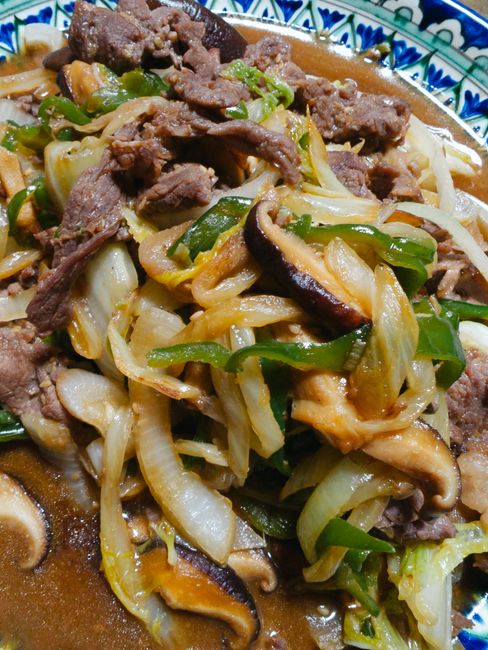
Corned Beef and Cabbage: A Culinary Icon of St. Patrick’s Day and Beyond
Corned beef and cabbage, a dish intrinsically linked with St. Patrick’s Day celebrations, holds a significant place in the culinary landscape, particularly in North America. While often portrayed as an ancient Irish tradition, its modern form is more accurately an amalgamation of immigrant adaptation and resourcefulness. The "corned" aspect refers to the curing process, which involves preserving beef in a coarse salt solution, historically referred to as "corns" of salt. This method, while ancient, was more prevalent in coastal communities for its preservation qualities. The pairing with cabbage, a readily available and inexpensive staple, further cemented its practicality. This article delves into the history, preparation, variations, and cultural significance of corned beef and cabbage, exploring its evolution from a humble immigrant meal to a beloved national dish. Understanding the nuances of its preparation and the subtle regional differences enriches the appreciation for this deceptively simple yet profoundly satisfying dish.
The genesis of corned beef and cabbage as we know it is rooted in the waves of Irish immigration to North America, particularly in the 19th century. Facing economic hardship and seeking new opportunities, Irish immigrants brought with them their culinary traditions. However, the ingredients readily available and affordable in their new homes often differed from those they were accustomed to. Beef, specifically the tougher cuts like brisket, was more accessible and cheaper than the pork and bacon that were staples in Ireland. The corning process, a form of salting and curing, was a practical way to preserve this meat and tenderize it for consumption. Cabbage, on the other hand, was a ubiquitous and inexpensive vegetable, easily grown and widely consumed. Thus, the combination of corned beef and cabbage emerged not from a prescriptive ancestral recipe, but from a pragmatic fusion of available resources and culinary ingenuity. This adaptation allowed Irish immigrants to recreate a sense of home while navigating the realities of a new continent. The dish became a symbol of their resilience and ability to make the most of what was at hand. The association with St. Patrick’s Day, a celebration of Irish heritage, further cemented its popular appeal, transforming it into an iconic dish for the holiday.
The preparation of authentic corned beef and cabbage is a multi-step process that emphasizes tenderizing the meat and melding the flavors. The most crucial element is the corned beef brisket itself. Traditionally, this cut of beef is cured in a brine, typically containing salt, sugar, and a blend of spices such as peppercorns, coriander seeds, mustard seeds, and bay leaves. Many home cooks opt for pre-brined corned beef, readily available in most grocery stores, simplifying the process. The cooking method is paramount to achieving the desired tenderness. Boiling is the most common and effective technique. The corned beef is submerged in water, often with aromatics like onions and bay leaves, and simmered for an extended period. The duration varies depending on the size and thickness of the brisket, but typically ranges from 3 to 5 hours, or until the meat is fork-tender. This slow simmering process breaks down the connective tissues, rendering the beef incredibly soft and succulent.
Once the corned beef has reached optimal tenderness, the cabbage is introduced to the cooking liquid. Whole or quartered heads of cabbage are added to the simmering pot during the last 30-45 minutes of cooking. This allows the cabbage to soften and absorb the savory flavors of the beef broth, becoming tender yet retaining a slight bite. Some recipes advocate for cooking the cabbage separately to maintain its vibrant color and prevent it from becoming overly mushy, but the traditional method involves co-cooking. The resulting liquid, rich with beef flavor, is often used as a flavorful broth for serving the dish.
Beyond the core components, several accompaniments elevate the corned beef and cabbage experience. Boiled potatoes, often a waxy variety like Yukon Gold or red potatoes, are a classic pairing. They are typically cooked alongside the corned beef or boiled separately. Carrots are another common addition, lending a touch of sweetness and color to the plate. A dollop of Dijon mustard or spicy brown mustard is almost obligatory, its sharp tang cutting through the richness of the beef. Some culinary enthusiasts also incorporate a side of horseradish sauce, its fiery bite offering a contrasting sensation. The visual appeal of the dish, with its rich reddish-brown beef, vibrant green cabbage, and pale yellow potatoes, is as much a part of its charm as its flavor.
While the classic preparation reigns supreme, numerous variations and regional interpretations of corned beef and cabbage exist, reflecting diverse culinary influences and personal preferences. In some areas, particularly those with a strong Irish-American presence, the inclusion of root vegetables like parsnips and turnips is common, adding further depth and complexity to the stew. The brining process itself can be customized, with cooks experimenting with different spice blends and curing times to achieve unique flavor profiles. Some may opt for a sweeter brine, incorporating brown sugar or maple syrup, while others prefer a spicier rendition with cayenne pepper or red pepper flakes.
The cooking method can also be adapted. While boiling remains the most traditional, some chefs advocate for braising the corned beef in beer or broth, resulting in an even richer and more concentrated flavor. The use of a slow cooker or Instant Pot offers convenience for busy cooks, allowing for a hands-off approach that still yields tender and flavorful corned beef. Oven-roasting the corned beef after a initial boil or braise is another technique employed to develop a slightly crispier exterior, though this deviates from the classic tender, steamed texture. The cabbage preparation can also be modified; some prefer to sauté or roast it for a more caramelized flavor and firmer texture, rather than boiling. These adaptations, while moving away from strict tradition, showcase the dish’s adaptability and its capacity to evolve within different culinary contexts.
The cultural significance of corned beef and cabbage extends far beyond its taste and texture. It serves as a potent symbol of Irish-American identity and heritage. For many, preparing and consuming this dish is a ritual, a way to connect with their roots and celebrate their ancestry, particularly around St. Patrick’s Day. The ubiquity of the dish in Irish pubs and restaurants across North America further solidifies its cultural standing. It represents a shared experience, a culinary touchstone that brings people together. Beyond its ethnic association, corned beef and cabbage has also become a comfort food, evoking feelings of warmth, nostalgia, and home. Its perceived simplicity belies its hearty and satisfying nature, making it a perennial favorite. The dish’s journey from an immigrant necessity to a celebratory staple is a testament to its enduring appeal and its ability to transcend its humble origins. It embodies resilience, adaptation, and the power of food to connect us to our past and to each other.
The economic realities that shaped corned beef and cabbage are worth noting. In the 19th century, brisket was a less desirable cut of beef due to its toughness and high connective tissue content. This made it an affordable option for working-class immigrants. The corning process, a form of salt curing, not only preserved the meat but also helped to tenderize it over time, making it more palatable. Cabbage, as mentioned, was a readily available and inexpensive vegetable, a cornerstone of many European diets. The combination thus represented a cost-effective and filling meal. The dish’s association with St. Patrick’s Day likely gained traction as Irish communities grew and sought to celebrate their heritage. Restaurants and pubs recognized the demand for traditional fare, and corned beef and cabbage became a staple during the festive period, further embedding it in the public consciousness. Its enduring popularity speaks to its ability to provide a hearty, flavorful, and economical meal that resonates with a broad audience, regardless of their ethnic background.
Nutritional considerations of corned beef and cabbage, while not typically the primary focus of its enjoyment, are worth acknowledging. Corned beef, being a cured and processed meat, can be high in sodium. The fat content can also vary depending on the cut of brisket used. However, it is also a good source of protein, iron, and B vitamins. Cabbage, on the other hand, is a nutrient-dense vegetable, offering dietary fiber, vitamin C, and various antioxidants. When prepared with minimal added fat and served with boiled potatoes, the dish can provide a relatively balanced meal. The cooking process, particularly boiling, can leach some water-soluble vitamins from the cabbage, but its overall nutritional contribution remains significant. For those seeking to reduce sodium intake, using a lower-sodium corned beef or rinsing pre-brined meat thoroughly can be beneficial. Opting for leaner cuts of brisket and incorporating a generous portion of cabbage and potatoes helps to create a more wholesome plate.
The evolution of corned beef and cabbage’s perception is a fascinating aspect of its history. Initially, it was a dish of necessity for immigrants, a practical and affordable meal. Over time, as Irish-American communities prospered and their cultural contributions gained wider recognition, the dish became a symbol of pride and heritage. The association with St. Patrick’s Day, a holiday that has moved from a religious observance to a broader cultural celebration, has further elevated its status. What was once a humble working-class staple is now a celebrated dish, enjoyed by people of all backgrounds. This transformation reflects the broader narrative of immigrant adaptation and the integration of ethnic cuisines into the mainstream culinary landscape. The dish’s journey mirrors the journey of the Irish diaspora itself, evolving and adapting while retaining its core identity.
The search for the perfect corned beef and cabbage recipe often leads to passionate debates about the "right" way to prepare it. While the core ingredients are consistent, the nuances of spice blends, brining techniques, and cooking times can elicit strong opinions. Some purists insist on homemade brine, believing it offers superior flavor and control over ingredients. Others champion the convenience of store-bought corned beef, while still experimenting with their own spice packets. The debate over boiling versus braising the corned beef, or cooking the cabbage separately versus co-cooking, reflects the diverse culinary philosophies at play. Ultimately, the "best" recipe is subjective and often tied to personal memories and family traditions. The joy of corned beef and cabbage lies not only in its consumption but also in the shared experience of preparation and the personal touches that make each iteration unique. This inherent flexibility is a key factor in its enduring popularity.


