
Greek Spinach Rice Spanakorizo

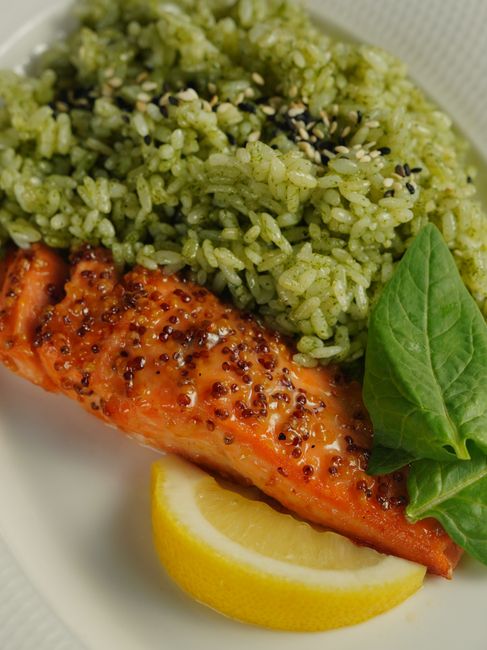
Spanakorizo: The Authentic Greek Spinach Rice Recipe for a Healthy and Flavorful Meal
Spanakorizo, a cornerstone of Greek home cooking, is more than just a dish; it’s a testament to the simple yet profound flavors of the Mediterranean diet. This comforting and nutritious pilaf, featuring tender spinach and fragrant rice, embodies the Greek philosophy of utilizing fresh, seasonal ingredients to create dishes that are both wholesome and deeply satisfying. The name itself, derived from "spanaki" (spinach) and "rizi" (rice), clearly articulates its core components. While variations exist across different regions and households, the fundamental elements of fresh spinach, rice, olive oil, lemon, and aromatic herbs remain consistent, promising a dish that is both rustic and refined. Its inherent health benefits, owing to the abundance of vitamins, minerals, and fiber from the spinach, coupled with the energy-providing carbohydrates from the rice, make spanakorizo a smart culinary choice for any meal. It’s a dish that can be enjoyed hot or at room temperature, making it exceptionally versatile. Whether served as a main course, a vibrant side dish, or even a light lunch, spanakorizo offers a delightful culinary experience that transports one directly to the sun-drenched landscapes of Greece. This article will delve into the intricacies of preparing authentic spanakorizo, exploring its nutritional value, historical context, essential ingredients, detailed cooking steps, common variations, serving suggestions, and tips for achieving the perfect texture and flavor. Understanding these elements will empower home cooks to recreate this beloved Greek classic with confidence and flair, ensuring a truly authentic and delicious outcome.
The nutritional powerhouse of spanakorizo lies primarily in its star ingredient: spinach. This leafy green is an exceptional source of vitamins A, C, and K, along with folate and iron. Vitamin A, crucial for vision and immune function, is abundant in spinach, as is vitamin C, a potent antioxidant that supports skin health and collagen production. Vitamin K plays a vital role in blood clotting and bone health. The folate content is essential for cell growth and DNA formation, while iron is indispensable for oxygen transport throughout the body. Beyond vitamins and minerals, spinach is rich in dietary fiber, which aids digestion, promotes satiety, and helps regulate blood sugar levels. Rice, the other primary component, provides complex carbohydrates, offering sustained energy release. When brown rice is used, the fiber content is further enhanced, contributing to a more robust nutritional profile. Olive oil, the quintessential Greek cooking fat, contributes monounsaturated fats, which are known for their heart-health benefits, and antioxidants. The addition of lemon juice not only brightens the flavor profile but also provides vitamin C and aids in the absorption of iron from the spinach. Dill, often a key herb in spanakorizo, adds a unique freshness and is believed to possess anti-inflammatory properties. Parsley, another common addition, offers vitamins K, A, and C, as well as antioxidants. The combination of these ingredients creates a dish that is not only delicious but also contributes positively to overall health and well-being, fitting perfectly within the framework of a balanced and nutrient-dense diet.
The history of spanakorizo is intrinsically linked to the agrarian lifestyle and the availability of ingredients in Greece. Like many traditional Greek dishes, spanakorizo emerged from a need to utilize readily available produce and grains in a sustainable and flavorful manner. Spinach, a hardy and adaptable crop, has been cultivated in the Mediterranean region for centuries, and rice, while not as historically ubiquitous as wheat or barley in all parts of Greece, gained prominence over time, particularly in areas with suitable growing conditions. The simplicity of the recipe suggests its roots in peasant cuisine, where resourcefulness and a deep understanding of flavor pairings were paramount. The use of olive oil, a staple of the Greek diet since ancient times, further cements its historical authenticity. The addition of lemon and fresh herbs like dill and parsley reflects the Greek appreciation for bright, natural flavors that complement the earthiness of vegetables. While precise origins are difficult to pinpoint, spanakorizo likely evolved organically in homes and tavernas, passed down through generations. Its popularity has endured due to its adaptability to seasonal produce and its inherent comfort-food qualities. It represents a culinary tradition that values simplicity, seasonality, and the harmonious blending of wholesome ingredients to create deeply satisfying meals. This enduring legacy speaks to the dish’s timeless appeal and its ability to nourish both body and soul.
The cornerstone of an exceptional spanakorizo is the quality and freshness of its ingredients.
- Spinach: The star of the dish, fresh spinach is paramount. Opt for young, tender leaves for a sweeter flavor and more delicate texture. If using mature spinach, remove the tougher stems. Frozen spinach can be used as a convenient alternative, but fresh will always yield superior results in terms of flavor and texture. When using frozen spinach, ensure it is thoroughly thawed and squeezed dry to prevent a watery final dish. The quantity of spinach is substantial, as it wilts considerably during cooking.
- Rice: Medium-grain or short-grain rice varieties are ideal for spanakorizo. They tend to absorb liquid well and become tender without becoming mushy, creating a pleasing texture. Arborio rice, commonly used for risotto, can also be a good choice, contributing a creamy consistency. Basmati or long-grain rice are generally not recommended as they can result in a drier, less cohesive dish.
- Olive Oil: High-quality extra virgin olive oil is indispensable for its flavor and health benefits. It provides a rich, fruity base for the dish and helps to meld the flavors together.
- Aromatics: Finely chopped yellow or red onion forms the flavor foundation. Garlic, minced, adds a pungent depth.
- Herbs: Fresh dill and fresh parsley are the quintessential herbs for spanakorizo. Dill, with its feathery fronds, imparts a distinct anise-like freshness, while parsley adds a clean, herbaceous note. Dried herbs can be used in a pinch, but fresh is highly recommended for optimal flavor.
- Lemon: Fresh lemon juice is crucial for its bright, acidic counterpoint to the richness of the olive oil and the earthiness of the spinach. It also helps to enhance the vibrant green color of the spinach.
- Broth or Water: Vegetable broth or chicken broth can be used to cook the rice, adding an extra layer of flavor. Alternatively, water can be used, especially if you want the spinach and herb flavors to be more prominent.
- Seasoning: Salt and freshly ground black pepper are essential for bringing out the individual flavors of the ingredients. Some recipes may include a pinch of sugar to balance the acidity of the lemon and spinach, though this is optional.
Achieving the perfect spanakorizo involves a methodical approach, ensuring each ingredient contributes optimally to the final dish.
- Preparation of Spinach: Thoroughly wash the spinach to remove any grit. If using large, mature leaves, trim any tough stems. Chop the spinach roughly. If using frozen spinach, thaw it completely and squeeze out as much excess moisture as possible.
- Sautéing the Aromatics: In a large, heavy-bottomed pot or Dutch oven, heat a generous amount of olive oil over medium heat. Add the finely chopped onion and sauté until softened and translucent, about 5-7 minutes. Do not brown. Add the minced garlic and cook for another minute until fragrant, being careful not to burn it.
- Toasting the Rice: Add the rice to the pot with the sautéed aromatics. Stir well to coat the rice grains in the olive oil. Toast the rice for 2-3 minutes, stirring constantly, until the edges of the grains appear slightly translucent. This toasting step helps the rice to cook more evenly and prevents it from becoming gummy.
- Adding Liquids and Spinach: Pour in the vegetable broth or water. Bring the mixture to a simmer. Add the chopped spinach to the pot. It may seem like a lot of spinach, but it will wilt down significantly. Stir gently to incorporate the spinach into the rice mixture. Add the chopped fresh dill and parsley.
- Simmering and Cooking: Once the mixture returns to a gentle simmer, reduce the heat to low, cover the pot tightly, and cook for approximately 15-20 minutes, or until the rice is tender and most of the liquid has been absorbed. The cooking time will vary depending on the type of rice used. Avoid stirring too frequently during this stage, as it can release starch and make the rice gummy.
- Resting and Finishing: Once the rice is cooked, remove the pot from the heat and let it stand, covered, for 5-10 minutes. This resting period allows the steam to redistribute evenly, ensuring fluffy rice.
- Adding Lemon and Final Seasoning: Uncover the pot. Drizzle generously with fresh lemon juice. Taste and adjust seasoning with salt and freshly ground black pepper as needed. Gently fluff the spanakorizo with a fork.
While the classic spanakorizo is wonderfully satisfying on its own, there are several variations that can add new dimensions of flavor and texture.
- Adding Feta Cheese: Crumbling feta cheese into the spanakorizo towards the end of cooking or as a topping adds a salty, tangy counterpoint. The creamy texture of melted feta complements the rice and spinach beautifully.
- Incorporating Other Vegetables: Some recipes include finely diced leeks, carrots, or celery along with the onion for added depth of flavor and nutrients. Peas can also be a welcome addition, especially in spring.
- Using Different Grains: While rice is traditional, some modern interpretations might use quinoa or bulgur wheat for a different nutritional profile and texture. However, the cooking times and liquid ratios will need to be adjusted accordingly.
- Spicier Variations: A pinch of red pepper flakes or a finely chopped chili pepper can be added with the aromatics for a subtle heat.
- Lemon Zest: Grating some fresh lemon zest into the dish along with the juice can intensify the citrus aroma and flavor.
Spanakorizo’s versatility makes it a beloved dish for a variety of occasions.
- Main Course: Served in generous portions, spanakorizo can be a complete and satisfying vegetarian main course. It’s often accompanied by a dollop of plain Greek yogurt or a side of crusty bread for dipping.
- Side Dish: As a side, it pairs exceptionally well with grilled fish, lamb chops, chicken, or pork. Its bright flavors cut through the richness of grilled meats and seafood.
- Mezze: Small portions of spanakorizo are perfect for a Greek meze spread, offering a healthy and flavorful option alongside other small plates like tzatziki, dolmades, and olives.
- Salad: Served at room temperature or chilled, spanakorizo makes an excellent base for a light and refreshing salad. Add some cherry tomatoes, cucumber, red onion, and a drizzle of olive oil and lemon dressing for a vibrant salad.
- Light Lunch: A bowl of warm spanakorizo makes for a perfect, nourishing light lunch.
To consistently achieve a perfect spanakorizo, mastering a few key techniques is essential. The correct ratio of liquid to rice is crucial for achieving tender, perfectly cooked grains without a mushy or dry outcome. Always use medium or short-grain rice, as it absorbs liquid more effectively. Don’t be tempted to stir the rice too much once it’s simmering, as this releases starch and can lead to a gummy texture. The resting period after cooking is non-negotiable; it allows the steam to evenly distribute, ensuring fluffy rice. When adding the spinach, it’s important to use fresh, vibrant leaves and to ensure they are well-washed. If using frozen spinach, squeezing out all excess moisture is critical to avoid a watery dish. The quality of the olive oil significantly impacts the final flavor, so invest in a good extra virgin variety. Finally, don’t shy away from the lemon juice; it’s the bright counterpoint that elevates the entire dish. Seasoning is key; taste and adjust salt and pepper at the end, as the flavors meld and deepen during resting.
Spanakorizo is more than just a recipe; it’s an embodiment of Greek culinary heritage, a celebration of simple, wholesome ingredients, and a testament to the enduring power of comforting, nutritious food. Its adaptability, health benefits, and vibrant flavor profile have solidified its place as a beloved staple in Greek cuisine and a growing favorite in kitchens around the world. By understanding the nuances of its preparation and appreciating its inherent qualities, home cooks can confidently recreate this authentic Greek dish, bringing a taste of the Mediterranean into their own homes. Whether seeking a healthy main course, a flavorful side, or a delightful appetizer, spanakorizo offers a truly satisfying and memorable culinary experience.


