
Teriyaki Chicken Stir Fry

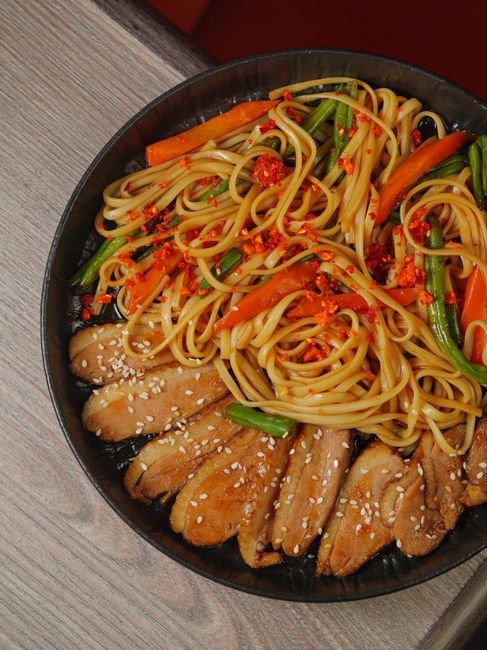
The Ultimate Guide to Teriyaki Chicken Stir Fry: Flavor, Technique, and Variations
Teriyaki chicken stir fry represents a harmonious fusion of sweet, savory, and umami flavors, elevated by the satisfying textural contrast of tender chicken and crisp-tender vegetables, all brought together by a glossy, aromatic sauce. This dish transcends its seemingly simple ingredients, offering a culinary experience that is both comforting and exciting. At its core, teriyaki chicken stir fry is a celebration of efficient cooking, transforming raw components into a vibrant, flavorful meal in a matter of minutes. The magic lies in the precise balance of the teriyaki sauce – a delicate dance between soy sauce, mirin (a sweet rice wine), sake (Japanese rice wine), and sugar – which caramelizes beautifully under high heat, coating every morsel of chicken and vegetable with an irresistible glaze. Understanding the fundamental components and techniques is key to mastering this versatile dish, allowing for endless customization and consistently delicious results.
The foundation of any great teriyaki chicken stir fry is, unequivocally, the teriyaki sauce. While pre-made sauces are readily available, crafting your own offers unparalleled control over flavor and quality. The essential ingredients are: soy sauce, which provides the salty, umami backbone; mirin, contributing sweetness and a glossy sheen; sake, adding depth and a subtle tang; and sugar, which caramelizes to create that signature sticky texture and sweetness. The ratio of these ingredients is crucial. A common starting point is two parts soy sauce to one part mirin and one part sake, with sugar adjusted to taste. For a richer, more complex flavor, consider adding a touch of honey or brown sugar alongside white sugar. Garlic and ginger, minced or grated, are non-negotiable aromatics that infuse the sauce with pungent warmth and freshness. A cornstarch slurry – cornstarch dissolved in a small amount of cold water – is added towards the end of cooking to thicken the sauce to the desired consistency, ensuring it clings to the ingredients without becoming overly gloopy. Experimentation with additional flavor enhancers like a dash of sesame oil for nutty aroma, a pinch of red pepper flakes for heat, or even a tablespoon of oyster sauce for an extra layer of savory depth, can elevate your teriyaki sauce from good to exceptional. The beauty of a homemade teriyaki sauce lies in its adaptability; you can tailor the sweetness, saltiness, and spice to perfectly suit your palate.
The chicken component of teriyaki chicken stir fry requires careful selection and preparation to ensure optimal tenderness and flavor absorption. Boneless, skinless chicken thighs are generally preferred over chicken breasts for stir-frying. Thighs possess a higher fat content, which keeps them moist and tender during the high-heat cooking process, preventing them from becoming dry or tough. Chicken breasts, while leaner, can easily overcook. If using chicken breasts, it’s imperative to slice them thinly against the grain and avoid overcooking. Marinating the chicken is an integral step that imbues it with teriyaki flavor from the inside out. A simple marinade can consist of a portion of your prepared teriyaki sauce, perhaps with added garlic, ginger, and a touch of sesame oil. Marinating for at least 30 minutes, or up to a few hours in the refrigerator, allows the flavors to penetrate the meat. Before stir-frying, it’s essential to pat the marinated chicken thoroughly dry with paper towels. Excess moisture will steam the chicken rather than sear it, hindering the development of those desirable browned bits and caramelization.
Vegetables are the vibrant canvas upon which the teriyaki chicken stir fry is painted, providing essential nutrients, color, and textural intrigue. The key to successful vegetable stir-frying lies in their preparation and cooking order. Cut vegetables into uniform, bite-sized pieces to ensure even cooking. Harder vegetables like broccoli florets, carrots, and bell peppers should be cut smaller or blanched briefly before stir-frying to achieve a tender-crisp texture. Softer vegetables such as snap peas, snow peas, mushrooms, and bok choy require less cooking time and should be added later in the process. A classic teriyaki chicken stir fry often features a medley of colors and textures: the crunch of broccoli, the sweetness of carrots, the vibrant hues of bell peppers (red, yellow, and orange), the earthy notes of mushrooms, and the crisp bite of snap peas. Onions, typically sliced or wedged, provide an aromatic foundation. Garlic and ginger, often minced or grated, are sautéed briefly at the beginning of the stir-frying process to release their fragrant oils, forming an aromatic base for the entire dish. The aim is for vegetables that are cooked through but still retain a pleasant crispness, offering a delightful contrast to the tender chicken.
The stir-frying technique itself is a rapid, high-heat cooking method that demands precision and efficiency. A wok or a large, heavy-bottomed skillet is the ideal vessel for stir-frying due to its ability to distribute heat evenly and its broad surface area, which allows ingredients to cook in a single layer, promoting searing rather than steaming. Begin by heating your wok or skillet over high heat. Once smoking hot, add a high-smoke-point oil such as peanut oil, canola oil, or vegetable oil. The oil should shimmer but not smoke excessively. Add your aromatics (garlic and ginger) and stir-fry for a mere 30 seconds until fragrant. Next, add the marinated and dried chicken. Spread the chicken in a single layer and allow it to sear without disturbing it for a minute or two until browned on one side. Then, stir-fry the chicken until it is mostly cooked through, about 70-80% done. Remove the chicken from the wok and set it aside. This step, known as "batch cooking" or "staggered cooking," is crucial for preventing overcrowding the pan, which would lead to steaming instead of searing.
With the chicken removed, add a little more oil if necessary and introduce your harder vegetables (broccoli, carrots, bell peppers). Stir-fry for a few minutes until they begin to soften. Then, add your quicker-cooking vegetables (snap peas, mushrooms). Continue to stir-fry until the vegetables are tender-crisp. Now, return the partially cooked chicken to the wok. Pour your prepared teriyaki sauce over the chicken and vegetables. Bring the sauce to a simmer and cook for another 2-3 minutes, stirring constantly, until the sauce thickens and coats all the ingredients beautifully. If the sauce is too thin, add your cornstarch slurry gradually, stirring until it reaches your desired consistency. The final minutes of cooking are where the magic happens, as the sauce caramelizes, creating that irresistible sticky glaze.
Serving teriyaki chicken stir fry is traditionally done over steamed rice, which acts as a perfect neutral base to soak up the flavorful sauce. Jasmine rice or sushi rice are excellent choices. For added texture and visual appeal, garnish your teriyaki chicken stir fry with toasted sesame seeds and thinly sliced green onions. These simple additions provide a nutty crunch and a fresh, sharp counterpoint to the rich flavors of the dish.
The beauty of teriyaki chicken stir fry lies in its inherent versatility, allowing for numerous variations and adaptations to suit diverse dietary needs and flavor preferences. For a protein swap, shrimp, thinly sliced beef, or firm tofu can be used in place of chicken, each requiring slight adjustments to cooking time. Tofu, in particular, benefits from pressing to remove excess water and can be pan-fried until golden brown before being added to the stir-fry. To elevate the vegetable component, consider incorporating less common additions such as asparagus spears, baby corn, water chestnuts, or even edamame for a protein boost. For those seeking a gluten-free option, ensure your soy sauce is replaced with tamari, a gluten-free soy sauce alternative. Coconut aminos can also serve as a lower-sodium, soy-free substitute in the teriyaki sauce. Spicy enthusiasts can amp up the heat by adding sriracha or chili garlic sauce to the teriyaki sauce or by including fresh chilies like jalapeños or Thai bird chilies in the stir-fry. For a healthier twist, reduce the sugar content in the teriyaki sauce or opt for a naturally sweetening agent like date paste. Serving the stir-fry over quinoa or brown rice instead of white rice offers a more nutrient-dense option.
Mastering teriyaki chicken stir fry is a culinary skill that rewards with consistently delicious and adaptable results. From the meticulous crafting of the teriyaki sauce to the precise execution of the stir-frying technique and the thoughtful selection of vegetables, each step contributes to the final masterpiece. Whether enjoyed as a quick weeknight meal or a more elaborate weekend feast, teriyaki chicken stir fry remains a beloved classic, celebrated for its vibrant flavors, satisfying textures, and its ability to bring people together around the table. The journey of perfecting this dish is one of continuous learning and delightful experimentation, ensuring that every rendition is a personal triumph. The principles of high heat, proper ingredient preparation, and balanced sauce creation are the cornerstones of this enduringly popular dish, making it accessible to home cooks of all skill levels. Understanding these core elements unlocks the potential for endless creative interpretations, solidifying teriyaki chicken stir fry’s status as a true culinary chameleon.


