Prosciutto And Provolone Panini Sandwiches
The Ultimate Prosciutto and Provolone Panini: A Culinary Deep Dive for Food Enthusiasts and Home Cooks
The prosciutto and provolone panini is more than just a sandwich; it’s a meticulously crafted culinary experience. This Italian-inspired pressed delight, characterized by its crispy, toasted exterior and warm, melty interior, offers a harmonious interplay of savory, salty, and slightly sharp flavors. At its core, the success of this panini hinges on the quality of its two starring ingredients: prosciutto di Parma and authentic provolone cheese. Prosciutto, a dry-cured ham originating from Italy, is renowned for its delicate, melt-in-your-mouth texture and nuanced, sweet, and nutty profile. The finest prosciutto, such as Prosciutto di Parma DOP (Denominazione di Origine Protetta), undergoes a rigorous aging process, often spanning 12 to 24 months, which develops its complex flavor and renders its fat exceptionally tender. This slow curing allows natural enzymes to break down proteins, resulting in a subtle sweetness and a distinctive, slightly fruity aroma. When thinly sliced, prosciutto drapes beautifully and releases its richness upon warming, creating an irresistible layer of flavor within the panini.
Complementing the prosciutto is provolone, a semi-hard Italian cheese made from cow’s milk. Provolone cheese, particularly Provolone Valpadana DOP, offers a delightful tanginess and a creamy, slightly elastic texture when melted. It is available in two primary forms: provolone dolce (sweet) and provolone piccante (sharp). For the prosciutto and provolone panini, provolone piccante is often the preferred choice, as its sharp, piquant notes cut through the richness of the prosciutto and add a layer of complexity to the sandwich. The cheese melts beautifully under the heat of the panini press, binding the ingredients together and creating a molten core that is both satisfying and delicious. The ideal provolone for this panini will have a smooth melting quality, avoiding oiliness, and will possess a distinct, yet not overpowering, sharpness that harmonizes with the cured ham. The interplay between the sweet, delicate prosciutto and the sharp, creamy provolone is a fundamental element of what makes this panini so beloved.
Beyond the stars, the supporting cast of ingredients plays a crucial role in elevating the prosciutto and provolone panini from good to exceptional. The bread, the structural foundation, must be chosen with care. Ciabatta, with its airy interior and chewy crust, is a classic and highly recommended choice. Its open crumb structure allows it to compress beautifully under the panini press, creating desirable crispy pockets while absorbing the flavors of the fillings. Focaccia is another excellent option, offering a richer, oil-infused dough that adds another dimension of flavor and a satisfying chew. Other sturdy, flavorful breads like a rustic Italian loaf or even a well-selected sourdough can also work, provided they can withstand the heat and pressure of the panini press without becoming overly dense or soggy. The crust should have enough integrity to achieve a satisfying crispness when pressed.
The condiment, or spread, is where personalization and added flavor can truly shine. A high-quality extra virgin olive oil is essential for brushing the bread before pressing, ensuring a golden-brown, crispy exterior and adding a subtle fruity note. Garlic, finely minced or even infused into the olive oil, can provide a savory punch. A light smear of Dijon mustard or a horseradish cream can introduce a pleasant tang and a hint of spice, effectively balancing the richness of the meat and cheese. Pesto, with its vibrant basil and garlicky notes, offers a herbaceous counterpoint that complements both prosciutto and provolone exceptionally well. Some may opt for a thin layer of roasted red pepper spread for a touch of sweetness and smokiness. The key is to select a spread that enhances, rather than overpowers, the primary flavors of the prosciutto and provolone.
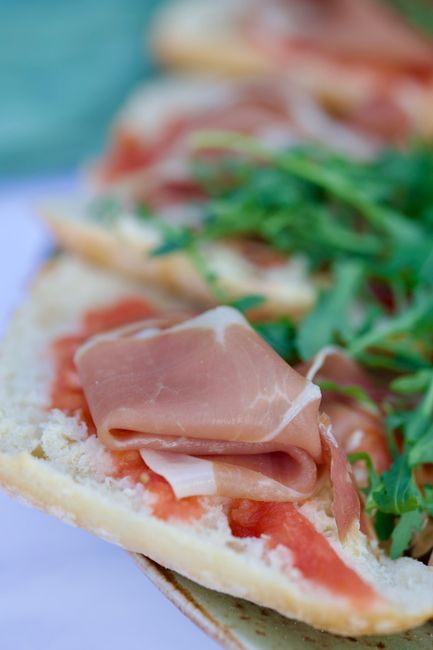
The assembly of a prosciutto and provolone panini is a thoughtful process, requiring attention to detail to ensure even cooking and optimal flavor distribution. Begin with two slices of your chosen bread. Lightly brush the interior of each slice with your selected spread, if using one, or directly with extra virgin olive oil. On one slice of bread, arrange a generous layer of thinly sliced prosciutto. It’s important to fan out the prosciutto rather than layering it flat, allowing for better heat distribution and a more appealing texture. Overlapping the slices slightly is acceptable. Next, layer the provolone cheese over the prosciutto. If using a whole block of provolone, slice it thinly for even melting. For particularly thick slices, consider placing them in a single layer to prevent uneven cooking. The goal is for the cheese to melt and envelop the prosciutto.
Before closing the sandwich, consider adding any additional ingredients that might enhance the flavor profile. Thinly sliced tomatoes, particularly ripe Roma or San Marzano varieties, can add a burst of freshness and acidity, though it’s important to ensure they are not overly watery, as this can lead to a soggy panini. Arugula, with its peppery bite, can be added after pressing to maintain its crispness and add a fresh counterpoint to the warm, melted ingredients. Caramelized onions, with their deep, sweet flavor, are another excellent addition that pairs beautifully with prosciutto and provolone. Roasted red peppers, as mentioned earlier, offer a sweet and smoky element. The key is to avoid overstuffing the panini, as this can lead to uneven cooking and a sandwich that is difficult to press.
The cooking process for a prosciutto and provolone panini is critical to achieving its signature texture and flavor. A panini press is the ideal tool, providing even heat and pressure from both sides. Preheat your panini press to medium-high heat. Lightly brush the exterior of both slices of bread with olive oil. This not only contributes to a crispy crust but also prevents the bread from sticking to the press. Carefully place the assembled panini onto the preheated press, ensuring it is centered. Close the lid of the panini press, applying gentle pressure. The amount of pressure can be adjusted based on your preference for a thinner, more compressed panini or a slightly thicker one.
Cook the panini for approximately 4 to 8 minutes, or until the bread is deeply golden brown and crispy, and the provolone cheese is thoroughly melted and oozing. The exact cooking time will vary depending on the type of bread, the thickness of the fillings, and the heat of your panini press. During the cooking process, you can periodically lift the lid to check on the progress, ensuring that the bread is not burning. If you do not have a panini press, a grill pan or a heavy-bottomed skillet can be used. In this case, place the panini in the hot pan and use a second, heavy pan or a foil-wrapped brick to press down on the sandwich. Flip the panini halfway through the cooking time to ensure even browning and melting.
Once cooked, carefully remove the prosciutto and provolone panini from the press using a spatula. Allow it to rest for a minute or two before slicing. This brief resting period allows the cheese to set slightly, preventing it from oozing out excessively when cut. For the best presentation and eating experience, slice the panini in half diagonally. This exposes the beautifully melted cheese, the layers of prosciutto, and the crispy bread. Serve immediately to enjoy the sandwich at its peak warmth and texture. The satisfying crunch of the exterior giving way to the soft, melted interior and the savory, complex flavors of the prosciutto and provolone create a truly memorable culinary experience.
The versatility of the prosciutto and provolone panini extends beyond a simple lunch. It can be a sophisticated appetizer, cut into smaller portions, or a hearty dinner when served with a side salad. The selection of prosciutto and provolone is paramount to the success of this dish. For prosciutto, look for thinly sliced, high-quality varieties. Prosciutto di Parma, San Daniele, or even a well-aged local prosciutto will offer superior flavor and texture. When it comes to provolone, opt for authentic Italian Provolone Valpadana for its characteristic flavor and melting properties. The “piccante” variety generally offers a more robust and complex taste that pairs exceptionally well with the savory notes of prosciutto.
Experimentation with different types of bread can also yield interesting results. While ciabatta and focaccia remain popular choices, consider a hearty whole wheat or a seeded Italian loaf for added texture and nutritional value. The key is to select a bread that is sturdy enough to hold up to the pressing and to complement the richness of the fillings. The choice of oil for brushing the bread is also important. A good quality extra virgin olive oil will impart a fruity note and contribute to a beautiful golden-brown crust. For those seeking a subtle garlicky flavor, consider infusing the olive oil with a crushed clove of garlic for a few hours before use.
The art of the panini lies in the balance of flavors and textures. The saltiness of the prosciutto is beautifully offset by the richness of the provolone. The crisp exterior of the bread provides a delightful contrast to the soft, melted interior. When considering additional ingredients, think about how they will contribute to this balance. Arugula adds a peppery freshness, while roasted red peppers offer sweetness and a hint of smokiness. Caramelized onions provide a deep, sweet complexity that harmonizes wonderfully with both prosciutto and provolone.
The process of making a prosciutto and provolone panini is not just about combining ingredients; it’s about understanding how those ingredients interact under heat and pressure. The thin slicing of the prosciutto is crucial for even cooking and for its ability to melt into the cheese. The provolone should be sliced or grated to ensure it melts completely and evenly, binding the sandwich together. Overcrowding the panini press is a common mistake that leads to uneven cooking and a less-than-ideal texture. Aim for a single, well-distributed layer of each ingredient, allowing the heat to penetrate effectively.
For those without a dedicated panini press, a cast-iron skillet or a grill pan offers excellent alternatives. The key is to achieve consistent heat and to apply even pressure. Using a heavy object, such as another skillet or a foil-wrapped brick, to press down on the sandwich ensures that both sides are equally toasted and that the ingredients meld together. The cooking time will need to be adjusted based on the heat source and the thickness of the panini. Monitoring the sandwich closely is essential to prevent burning.
The final presentation of a prosciutto and provolone panini can elevate the dining experience. Slicing the panini diagonally not only makes it easier to handle but also reveals the appealing layers of melted cheese and cured ham. Serving it immediately allows for the optimal enjoyment of its crispy texture and warm, gooey interior. This classic combination, when executed with quality ingredients and attention to detail, offers a simple yet profoundly satisfying culinary experience, a testament to the power of well-chosen, perfectly prepared Italian staples. The enduring popularity of this sandwich speaks to its inherent deliciousness and its ability to satisfy a wide range of palates. It is a dish that can be enjoyed by casual diners and discerning foodies alike, a testament to its culinary excellence.