
Vietnamese Fresh Spring Rolls

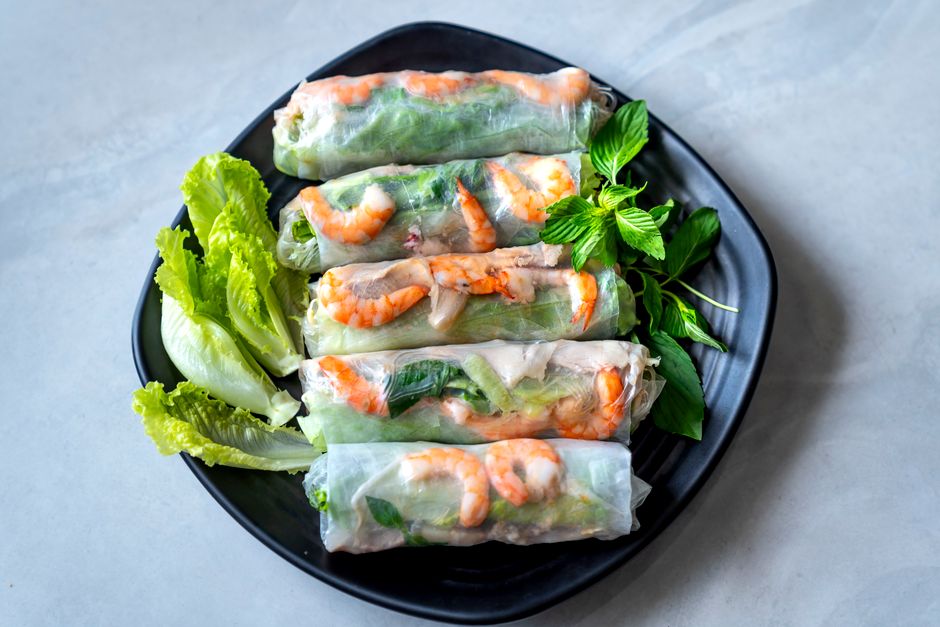
Vietnamese Fresh Spring Rolls: A Comprehensive Guide to Gỏi Cuốn
Vietnamese fresh spring rolls, known as gỏi cuốn, are a vibrant and healthy culinary icon, transcending their status as a mere appetizer to become a beloved staple in Vietnamese cuisine and a celebrated dish on global menus. Unlike their fried counterparts, chả giò, these rolls are characterized by their delicate, translucent rice paper wrappers encasing a medley of fresh, raw ingredients. This inherent freshness is their defining feature, offering a delightful contrast of textures and a burst of clean, unadulterated flavors. The beauty of gỏi cuốn lies in its versatility and the inherent health benefits derived from its nutrient-rich components. They are a testament to the Vietnamese philosophy of balancing textures, colors, and tastes, creating a harmonious and deeply satisfying eating experience. The preparation, while seemingly intricate, is a rewarding process that allows for personalization and a deep appreciation for the quality of each ingredient.
The foundational element of any gỏi cuốn is the bánh tráng, a thin, brittle sheet made from rice flour, water, and salt. This crucial component, when lightly moistened, transforms from a dry, fragile disc into a pliable, edible wrapper capable of holding a substantial amount of filling. The quality of the bánh tráng significantly impacts the final product; good quality wrappers are flexible, don’t tear easily, and have a neutral flavor that allows the fillings to shine. There are various brands and types of bánh tráng available, with some being thicker or thinner than others. Experimenting with different brands is recommended to find a personal preference. The hydration process is key: too much water will make the wrapper sticky and difficult to handle, while too little will result in a tough, unyielding wrapper. A shallow bowl of warm water is typically used, and the wrapper is dipped briefly, just long enough to soften. Some chefs advocate for dipping it in water and then letting it sit on a damp cloth for a few seconds to achieve optimal pliability without over-hydrating.
The filling of gỏi cuốn is where the dish truly comes alive, offering a kaleidoscope of colors, textures, and flavors. The most common protein is succulent boiled shrimp, often halved lengthwise for visual appeal and easy biting. Another popular and equally delicious option is thinly sliced cooked pork, typically pork belly or shoulder, which provides a richer, more savory element. For vegetarian and vegan variations, firm or extra-firm tofu, marinated and pan-fried or baked, is an excellent substitute, offering a satisfying chew and absorbing flavors beautifully. Some recipes also incorporate lean shredded chicken or even delicate slices of Vietnamese sausage (chả lụa). The careful selection and preparation of these proteins are paramount to achieving the perfect balance. Shrimp should be cooked just until pink and opaque to avoid rubberiness. Pork should be simmered until tender and then sliced thinly against the grain for maximum tenderness. Tofu should be pressed to remove excess water and then cut into uniform strips for even cooking and presentation.
Beyond the protein, a generous portion of fresh herbs forms the soul of gỏi cuốn. These verdant additions contribute an unparalleled freshness and aromatic complexity. Vietnamese mint (rau kinh giới), also known as perilla, offers a slightly minty, anise-like flavor. Thai basil (húng quế) provides its characteristic sweet, peppery notes. Cilantro (ngò rí) adds a bright, citrusy zest. Mint (bạc hà) offers a cooling, refreshing counterpoint. Other commonly used herbs include culantro (ngò gai), with its more pungent, earthy flavor, and chives (hẹ) for a mild oniony hint. The key is to use a generous amount of a variety of herbs, ensuring each bite is infused with their vibrant essence. The herbs should be thoroughly washed and dried to prevent the wrapper from becoming soggy.
The textural component is further enhanced by the inclusion of cooked rice vermicelli noodles, known as bún. These thin, white noodles are typically boiled until just tender and then rinsed with cold water to stop the cooking process and prevent them from clumping. They provide a soft, slightly chewy base that complements the other ingredients without overwhelming them. The amount of bún used is a matter of personal preference, but it should be balanced with the other filling elements. Some prefer a noodle-heavy roll, while others favor a higher proportion of protein and herbs. The noodles should be cooled completely before being added to the rolls.
Crisp vegetables are essential for adding crunch and a refreshing element to gỏi cuốn. Thinly sliced lettuce leaves, typically iceberg or butter lettuce, form a protective barrier for the fillings and contribute a satisfying crispness. Julienned cucumber provides a cool, watery crunch, while shredded carrots add a subtle sweetness and vibrant color. Bean sprouts, with their delicate crunch, are another popular addition, offering a light, airy texture. Some variations may include thinly sliced jicama for an extra layer of crispness or even julienned daikon radish for a peppery bite. The vegetables should be prepared just before assembling the rolls to maintain their crispness. Washing and thoroughly drying all vegetables and herbs is a critical step to prevent moisture from weakening the rice paper wrapper.
The assembly of gỏi cuốn is an art form that requires a gentle touch and a systematic approach. The softened rice paper wrapper is laid flat on a clean, damp surface, such as a cutting board or a bamboo rolling mat. A small portion of bún is spread across the lower third of the wrapper. This is followed by a layer of lettuce, and then the chosen protein. A generous handful of mixed fresh herbs is then placed on top of the protein, followed by the julienned vegetables and bean sprouts, if using. The key to a well-rolled gỏi cuốn is not to overstuff it. Overfilling will make it difficult to roll and prone to tearing.
The rolling process itself is a delicate dance of tucking and folding. The bottom edge of the wrapper is folded up over the filling, enclosing it snugly. The sides are then folded inwards to create neat parcels. Finally, the roll is continued, tucking and rolling tightly to form a compact, elegant cylinder. The transparency of the bánh tráng allows the colorful ingredients within to be beautifully showcased, making each roll a miniature work of art. Some people find it helpful to dip their fingers in water while rolling to prevent the wrapper from sticking to their hands.
The dipping sauce is an indispensable accompaniment to gỏi cuốn, elevating the fresh flavors to new heights. The most classic and beloved sauce is peanut sauce, a rich, creamy, and slightly sweet concoction. This sauce is typically made with smooth peanut butter, hoisin sauce, soy sauce, rice vinegar, garlic, and a touch of chili for heat. The ingredients are simmered together to meld their flavors and achieve a thick, luscious consistency. Garnishes such as crushed roasted peanuts, chopped cilantro, or a swirl of chili oil are often added for texture and visual appeal.
Another popular dipping sauce option is nước chấm, a versatile Vietnamese dipping sauce made with fish sauce, lime juice, sugar, garlic, and chili. This sauce offers a contrasting sweet, sour, and savory profile that cuts through the richness of the other components. It is lighter and more refreshing than peanut sauce, providing a different but equally delightful experience. Variations of nước chấm exist, with some incorporating grated carrot or daikon radish for added texture and flavor.
The sheer freshness of gỏi cuốn makes them incredibly healthy and diet-friendly. They are naturally low in fat, especially when made with lean proteins and ample vegetables. The rice paper wrapper provides carbohydrates for energy, while the protein sources offer essential amino acids. The abundance of fresh herbs and vegetables contributes a wealth of vitamins, minerals, and antioxidants. This makes gỏi cuốn an ideal choice for those seeking a light, nutritious meal or snack. They are gluten-free, provided that gluten-free hoisin and soy sauce are used in the peanut sauce.
The versatility of gỏi cuốn extends beyond the fillings to the occasions for which they are enjoyed. They are a perfect appetizer for any gathering, a light and refreshing lunch, or even a healthy dinner option. Their attractive presentation makes them a crowd-pleaser at parties and potlucks. They can also be prepared in advance, making them convenient for busy individuals. However, it is crucial to store them properly to maintain their freshness. They are best enjoyed within a few hours of preparation, as the rice paper can become tough and the fillings can wilt over time. Storing them in an airtight container with a damp paper towel can help to preserve their moisture.
SEO considerations for this topic are significant, as "Vietnamese fresh spring rolls" and "gỏi cuốn" are highly searched terms. Incorporating keywords such as "healthy spring rolls," "rice paper rolls," "Vietnamese appetizer," "nước chấm," "peanut sauce recipe," "gỏi cuốn ingredients," "how to make spring rolls," and "gỏi cuốn filling ideas" will enhance search engine visibility. Focusing on the freshness, health benefits, and authentic preparation methods will attract a wider audience interested in Vietnamese cuisine and healthy eating. High-quality images and detailed step-by-step instructions are also crucial for user engagement and search ranking.
The cultural significance of gỏi cuốn in Vietnam cannot be overstated. They are a symbol of freshness, simplicity, and culinary artistry. The act of preparing and sharing these rolls often brings families and friends together, fostering a sense of community and shared culinary heritage. The meticulous attention to detail in selecting and preparing each ingredient reflects the Vietnamese appreciation for quality and balance in all aspects of life. They are a constant reminder of the country’s rich agricultural bounty and the ingenuity of its people in transforming simple ingredients into something extraordinary. The global popularity of gỏi cuốn is a testament to its universal appeal, a delicious and healthy embodiment of Vietnamese culture that continues to captivate palates worldwide. Understanding the nuances of each ingredient, from the pliable bánh tráng to the aromatic herbs and the perfectly balanced dipping sauces, is key to truly appreciating the depth and delight of this iconic dish.


