Chocolate Chip Cookie Layer Cake
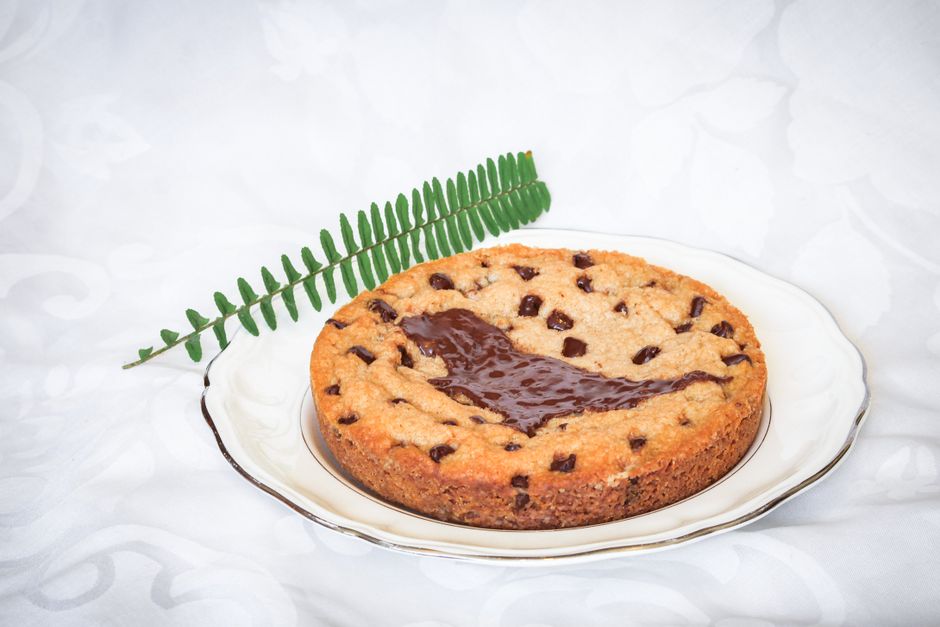
The Ultimate Chocolate Chip Cookie Layer Cake: A Deep Dive into its Baking, Variations, and Appeal
The chocolate chip cookie layer cake is not merely a dessert; it’s an ambitious fusion of two universally beloved confections, promising an explosion of familiar, comforting flavors and textures. This architectural marvel in cake form elevates the humble chocolate chip cookie from its individualistic glory to a grand, multi-layered masterpiece. At its core, the concept involves transforming the essence of a perfectly baked chocolate chip cookie – crisp edges, chewy center, rich chocolate pockets – into a stable yet tender cake structure, often complemented by cookie-inspired frosting and fillings. Achieving this requires understanding the nuances of both cookie and cake baking and how to bridge the gap between them effectively. The goal is to replicate the unmistakable taste and mouthfeel of a chocolate chip cookie in a format that can be sliced and served as a celebratory cake. This means incorporating ingredients and techniques that promote chewiness, prevent excessive spreading, and ensure a robust crumb that can support multiple layers and frostings.
The foundation of any successful chocolate chip cookie layer cake lies in the cookie-inspired cake layers themselves. Traditional cake recipes can be adapted, but for a truly authentic experience, one might lean towards a cookie dough-like batter. This typically involves a higher ratio of brown sugar to white sugar, which contributes to chewiness and moisture. The fat content is also crucial; a generous amount of butter, often melted or a combination of melted and softened, is essential for achieving that desirable cookie texture. Leavening agents need careful consideration. While cakes usually rely on baking powder and soda for a light crumb, cookie-like layers might utilize a bit more baking soda, especially if using acidic ingredients like brown sugar, to promote spread and a chewier texture without becoming overly cakey. The incorporation of chocolate chips is, of course, non-negotiable. High-quality semi-sweet or dark chocolate chips are preferred, as they hold their shape during baking and provide intense pockets of molten chocolate. Some recipes even advocate for a mix of chip sizes or types for textural complexity. The mixing method also mirrors cookie preparation: creaming butter and sugar, adding eggs and vanilla, then gradually incorporating the dry ingredients. Overmixing after the flour is added is to be avoided, just as in cookie baking, to prevent gluten development and a tough cake.
Baking these cookie-like layers presents a unique challenge. Unlike thin cookies that bake quickly, these thicker layers need to cook through without becoming dry or burnt on the edges. The oven temperature might be slightly lower than for traditional cookies, and the baking time will be extended. Visual cues are paramount: a golden-brown edge, a slightly set center that springs back when lightly touched, and visible melted chocolate chips are indicators of a perfectly baked layer. Allowing the layers to cool completely on a wire rack is as critical as in cookie baking. They need to firm up and develop their structure before any frosting or assembly can begin. Some bakers even recommend a brief chilling period for the cooled layers to further solidify them, making them easier to handle and frost. This preparation ensures that the subsequent assembly process results in a stable, visually appealing cake rather than a crumbly, unmanageable disaster. The flavor profile of these layers should be unmistakably that of a chocolate chip cookie: buttery, brown sugary, with hints of vanilla and rich chocolate.
The frosting and filling components are where the chocolate chip cookie layer cake truly shines in its thematic interpretation. Rather than a standard buttercream, the ideal frosting embraces cookie-inspired flavors. A classic choice is a brown sugar buttercream, which mimics the caramel notes of baked cookies. This can be achieved by reducing the brown sugar mixture and then incorporating it into a standard buttercream base. Alternatively, a cream cheese frosting can offer a delightful tang that complements the sweetness of the cookie layers, and it can be infused with brown sugar for that signature cookie flavor. For a richer, more decadent experience, a chocolate ganache or a cookie dough-flavored frosting can be employed. The latter often involves incorporating actual (safe-to-eat) cookie dough or cookie dough extract into the frosting base. Fillings can further amplify the cookie experience. A layer of cookie dough frosting, a swirl of chocolate ganache, or even a thin layer of actual, slightly underbaked chocolate chip cookie dough (ensuring it’s safe for consumption) can be used between the cake layers. Some ambitious bakers even opt for a chocolate chip cookie "crust" at the bottom of the cake, akin to a cheesecake crust.
The assembly of the chocolate chip cookie layer cake requires a steady hand and a bit of structural integrity. Once the cookie-like cake layers are completely cooled and trimmed to an even height, they are ready for stacking. A generous, even layer of frosting is applied between each cake layer, ensuring good adhesion and consistent flavor. If using a filling, it is applied on top of the frosting layer. Once stacked, the entire cake is typically crumb-coated with a thin layer of frosting. This seals in any loose crumbs and provides a smooth surface for the final frosting. The final frosting can be applied in a smooth, elegant finish, or it can be more rustic, allowing the texture of the frosting to be visible. For an extra touch of cookie authenticity, the exterior of the cake can be adorned with miniature chocolate chip cookies, cookie crumbs, or even chocolate chips pressed into the frosting. This visual reinforcement immediately communicates the cake’s delicious inspiration.
Variations on the chocolate chip cookie layer cake theme are almost as numerous as chocolate chip cookie recipes themselves. One popular adaptation is the "cookie dough stuffed" chocolate chip cookie layer cake. This involves creating a well in the center of each cake layer and filling it with a rich, safe-to-eat cookie dough filling before stacking. Another variation is the "white chocolate chip macadamia nut" cookie layer cake, which swaps out traditional chocolate chips for white chocolate and adds the delightful crunch of macadamia nuts. For those who prefer a darker flavor profile, a "double chocolate chip" cookie layer cake incorporates cocoa powder into the cake batter and uses dark chocolate chips. Some bakers have even experimented with incorporating elements of other cookie types, such as a "snickerdoodle chocolate chip" layer cake, adding cinnamon and a sugar-cinnamon coating to the cookie layers. The possibilities are endless, allowing for personalization and creative expression.
The inherent appeal of the chocolate chip cookie layer cake lies in its nostalgic resonance and its ability to combine two beloved treats into one extraordinary dessert. For many, the chocolate chip cookie represents childhood, comfort, and simple pleasures. Transforming this into a grand cake amplifies those feelings, making it an ideal choice for birthdays, holidays, or any occasion that calls for a special treat. The textural interplay is also a significant draw. The slight chewiness of the cookie-like layers, the creamy sweetness of the frosting, and the molten pockets of chocolate chips create a multi-sensory experience that is both satisfying and exciting. It appeals to a broad audience because it takes familiar, well-loved flavors and presents them in a novel and celebratory format. This cake is a testament to the power of culinary innovation that honors tradition, offering a delightful and unforgettable dessert experience. The visual impact of a beautifully decorated chocolate chip cookie layer cake is also undeniable, often eliciting gasps of delight before the first bite is even taken. It is a showstopper that consistently delivers on taste and presentation, solidifying its place as a modern classic in the dessert landscape.
The scientific principles at play in creating a successful chocolate chip cookie layer cake are rooted in understanding ingredient interactions. The Maillard reaction and caramelization are responsible for the browning and complex flavors developed during baking, directly contributing to the cookie-like characteristics. The ratio of sugar to flour influences moisture retention and texture; brown sugar’s molasses content contributes to chewiness and a deeper flavor profile. The role of fats, primarily butter, is critical for tenderness and flavor. In cookie baking, melted butter leads to a chewier cookie, while creamed butter results in a cakier texture. For a cookie layer cake, a balance or specific type of fat is crucial to achieve the desired compromise. Leavening agents, such as baking soda and baking powder, interact with acidic ingredients (like brown sugar or buttermilk) and heat to produce carbon dioxide gas, which causes the batter to rise. The controlled release of this gas, and the subsequent setting of the egg proteins and starches, creates the cake’s structure. Overdevelopment of gluten, facilitated by excessive mixing of flour, can lead to a tough, bread-like texture, which is why gentle mixing is often emphasized in cookie-inspired cake recipes. Understanding these fundamental baking science concepts allows for intentional recipe development and troubleshooting, ensuring a superior final product that truly embodies the essence of a chocolate chip cookie in cake form. The precise balance of these elements dictates the success of transforming a flat cookie into a stable, delicious, and structurally sound multi-layered cake that can be enjoyed by all.