North Carolina Pulled Pork
North Carolina Pulled Pork: A Culinary Cornerstone of the Tar Heel State
North Carolina pulled pork transcends mere barbecue; it’s a cultural institution, a fiercely debated culinary art form, and the undisputed king of Eastern and Piedmont culinary traditions. This article delves deep into the heart of what makes North Carolina pulled pork so unique, exploring its defining characteristics, historical roots, regional variations, preparation techniques, signature sauces, and its enduring appeal. Understanding the nuances of this iconic dish requires an appreciation for its history, a keen palate for its subtle complexities, and an understanding of the passionate regional loyalties it inspires. From the smoky, vinegar-tinged embrace of the East to the ketchup-kissed sweetness of the West, North Carolina pulled pork offers a delicious journey through the state’s rich gastronomic landscape.
The Essence of North Carolina Pulled Pork: Simplicity and Flavor
At its core, North Carolina pulled pork is about highlighting the natural flavor of slow-cooked pork shoulder. The dominant cuts are typically pork shoulder (also known as Boston butt or picnic shoulder), chosen for its generous marbling and connective tissue, which break down during the long cooking process to yield incredibly tender and moist meat. The "pulled" aspect comes from the technique of shredding or tearing the cooked pork into bite-sized pieces, allowing the smoky flavor and sauce to penetrate every strand. Unlike other regional barbecue styles that might rely heavily on dry rubs or elaborate marinades, North Carolina pulled pork emphasizes a simple, yet profound, smoking process often augmented by a distinctive vinegar-based sauce. The beauty lies in its unpretentiousness; the focus remains squarely on the quality of the pork and the skillful execution of the cooking and saucing.
Historical Roots: A Southern Legacy Forged in Smoke
The lineage of North Carolina pulled pork can be traced back to the earliest days of European settlement in the region. Hogs were a readily available and easily raised source of protein for colonists. The Spanish brought pigs to the Americas, and by the colonial era, they were a staple. The practice of slow-cooking meat over low heat, a precursor to modern barbecue, was a necessity born from the limitations of early cooking methods and the desire to tenderize tougher cuts. Pit barbecue, where entire animals were cooked in earthen pits, was common. As cooking techniques evolved, so did the emphasis on specific cuts and the development of regional flavor profiles. The influence of enslaved Africans, whose culinary traditions often incorporated slow-cooking and the use of readily available ingredients, is also a significant, albeit often under-acknowledged, part of barbecue’s history in the South. The development of distinct regional sauces, particularly the vinegar-based versions in Eastern North Carolina, became a hallmark, serving to both tenderize and flavor the pork, especially in a time before refrigeration made preserving meat more challenging.
Eastern North Carolina Pulled Pork: The Vinegar-Dominant Tradition
Eastern North Carolina stands as the bastion of the most traditional and, to many, the purest form of pulled pork. The defining characteristic here is the unapologetically tart and peppery vinegar-based sauce, often referred to as a "mop" or "baste." This sauce is typically a thin concoction of apple cider vinegar, red pepper flakes, and black pepper, with minimal or no tomato products. The pork itself is usually cooked over wood, traditionally hickory or oak, in a whole hog or split hog fashion. The "whole hog" method is considered the pinnacle by purists, as it allows for the diverse flavors and textures of all the pork cuts to meld together. The skin is often crisped to perfection, providing a delightful contrast in texture. The pork is then chopped or pulled and lightly tossed with the vinegar sauce just before serving. The emphasis is on the inherent smokiness of the pork and the bright acidity of the sauce to cut through the richness. Sides are typically simple and complementary, such as coleslaw (often a vinegar-based slaw, not mayonnaise-heavy), hushpuppies, and baked beans.
Piedmont/Lexington Style Pulled Pork: A Ketchup-Kissed Counterpoint
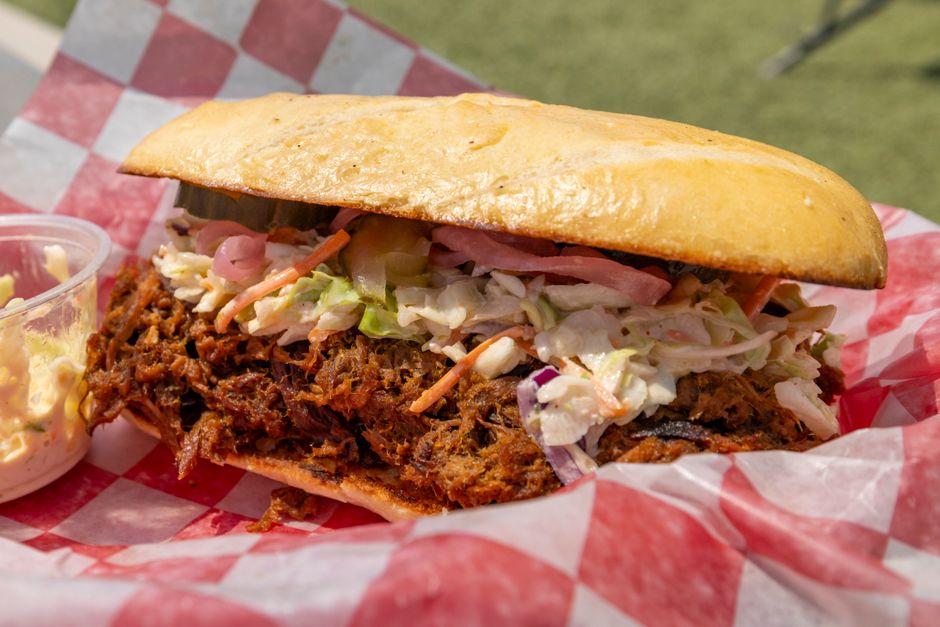
Moving westward into the Piedmont region, particularly around Lexington, a distinct and equally beloved style of pulled pork emerges. This "Lexington Dip" or "Piedmont Style" is characterized by a sauce that incorporates tomato, often in the form of ketchup or tomato paste. While still vinegar-based, the addition of tomato introduces a subtle sweetness and a richer, more viscous consistency to the sauce. The pork in this style is almost exclusively from the pork shoulder (Boston butt). The cooking methods remain similar, with wood smoking being paramount. However, the serving style often involves a thicker, darker red sauce that is generously applied to the pulled pork. The barbecue here is frequently served as a sandwich on a soft white bun, piled high with the sauced pork, and topped with a finely chopped coleslaw. This style offers a more balanced flavor profile, with the tang of vinegar harmonizing with the sweetness of tomato, making it incredibly approachable and widely popular.
The Crucial Role of the Smoke: Wood Choice and Technique
Regardless of regional variation, the soul of North Carolina pulled pork lies in its smoke. The type of wood used significantly impacts the final flavor. Hickory is a ubiquitous choice, offering a medium, sweet, and slightly smoky flavor that pairs perfectly with pork. Oak, especially red oak, provides a more subtle, clean smoke. Other woods like pecan or apple can be used for subtle variations. The cooking method itself is critical. Traditionally, large quantities of pork were cooked in outdoor pits fueled by wood. Modern interpretations often utilize offset smokers, barrel smokers, or even modified kettle grills to achieve the desired low and slow cooking temperatures, typically ranging from 225°F to 275°F. The prolonged exposure to smoke imbues the pork with a deep, complex flavor and allows the collagen to break down, rendering the meat incredibly tender and moist. The "bark," the flavorful, dark crust that forms on the exterior of the smoked pork, is a highly prized element for many enthusiasts.
The Art of Pulling and Saucing: Precision Meets Palate
The "pulling" of the pork is an art form. Once the pork shoulder has reached an internal temperature of around 195°F to 205°F and is probe-tender, it’s removed from the smoker. It’s crucial to allow the pork to rest for at least 30 minutes, and ideally longer, before pulling. This resting period allows the juices to redistribute throughout the meat, resulting in a more moist and flavorful final product. The pork is then typically pulled by hand, or using two forks, into bite-sized strands. The saucing is where the regional divide truly manifests. Eastern style is a light toss of the vinegar-pepper basting liquid, enough to coat the pork and add a bright tang without overwhelming the pork’s natural flavor. Lexington style involves a more generous application of the tomato-infused vinegar sauce, creating a richer, more cohesive dish. Some pitmasters will incorporate a bit of the rendered pork fat back into the pulled pork for added moisture and flavor, especially in the Eastern style.
Beyond the Sandwich: Versatility of North Carolina Pulled Pork
While the pulled pork sandwich, often served on a soft white bun with a side of coleslaw, is the quintessential presentation, North Carolina pulled pork is remarkably versatile. It’s a staple at family gatherings, community events, and professional barbecue competitions. It can be served as a platter with a generous portion of pork alongside traditional sides like mac and cheese, collard greens, or potato salad. It can be the star of a barbecue plate, piled high and accompanied by a variety of southern comfort foods. Furthermore, its applications extend beyond the traditional. Pulled pork can be incorporated into barbecue tacos, used as a filling for quesadillas, or even as a topping for loaded baked potatoes. The rich, smoky flavor and tender texture make it adaptable to numerous culinary creations, though purists will always return to its classic sandwich form.
The Great Sauce Debate: A Culinary Divide
The sauce is arguably the most contentious element of North Carolina pulled pork. The Eastern versus Lexington debate is a deeply ingrained cultural and culinary rivalry. Eastern North Carolinians staunchly defend their pure vinegar-based sauce as the only authentic accompaniment, believing that any tomato adulteration masks the true flavor of the pork. Conversely, Piedmont enthusiasts champion their tomato-kissed vinegar sauce for its balanced flavor profile and broader appeal. This debate is more than just a culinary preference; it’s a marker of regional identity and a source of intense, yet usually good-natured, pride. Outside of these two dominant styles, some pitmasters may experiment with other flavorings, but these are generally considered outliers. The fundamental building blocks of vinegar, pepper, and often tomato, remain central to the North Carolina pulled pork sauce landscape.
The Importance of Coleslaw: A Tangy Counterpart
No discussion of North Carolina pulled pork is complete without mentioning coleslaw. The role of coleslaw in this barbecue tradition is not merely as a side dish; it’s an integral component that provides a refreshing counterpoint to the richness of the pork. In Eastern North Carolina, the coleslaw is often vinegar-based, mirroring the sauce, and finely chopped, offering a bright, acidic crunch. In the Piedmont, the coleslaw may lean slightly more towards a mayonnaise-based dressing, but it is still typically finely shredded and less creamy than its Northern counterparts, designed to complement rather than overpower the pork. The texture is as important as the flavor; the crispness of the cabbage provides a welcome textural contrast to the tender, pulled pork.
Why North Carolina Pulled Pork Reigns Supreme
The enduring appeal of North Carolina pulled pork stems from a combination of factors. Its deep historical roots connect it to the very essence of Southern culinary heritage. The emphasis on quality pork and skillful, low-and-slow smoking techniques results in a product of exceptional flavor and tenderness. The regional variations, particularly the distinct and passionately defended sauces of the East and Piedmont, create a rich tapestry of culinary identity. It’s a dish that embodies both tradition and innovation, simplicity and complexity. Whether you prefer the sharp, peppery bite of an Eastern vinegar mop or the slightly sweet, tangy embrace of a Lexington dip, North Carolina pulled pork offers an authentic and deeply satisfying barbecue experience that has rightfully earned its place as a culinary cornerstone of the Tar Heel State. Its SEO-friendly appeal lies in its specificity: "North Carolina pulled pork," "Eastern North Carolina barbecue," "Lexington style pulled pork," "vinegar-based barbecue sauce," and "wood-smoked pork shoulder" are all terms that enthusiasts and travelers alike search for when seeking this iconic dish.