Tag Feta Cheese Salad
Feta Cheese Salad: A Comprehensive Guide to This Mediterranean Marvel
Feta cheese salad is a cornerstone of Mediterranean cuisine, celebrated for its vibrant flavors, refreshing textures, and significant health benefits. This simple yet sophisticated dish transcends seasonal boundaries, making it a versatile and beloved option for light lunches, hearty dinners, and elegant appetizers. The core of any authentic feta cheese salad lies in the briny, crumbly feta itself, a sheep’s milk cheese originating from Greece. Its distinctive salty tang and slightly creamy yet firm texture form the foundation upon which myriad variations are built. Understanding the nuances of feta is crucial for crafting an exceptional salad. Traditional Greek feta, typically PDO (Protected Designation of Origin) certified, is made from a minimum of 70% sheep’s milk and up to 30% goat’s milk. This specific milk composition contributes to its characteristic flavor profile. Alternatives exist, often made from cow’s milk, but these generally lack the authentic sharpness and complexity of true Greek feta. The quality of the feta will directly impact the overall taste of the salad.
The beauty of feta cheese salad lies in its adaptability. While classic combinations are widely adored, the dish readily embraces a spectrum of ingredients, allowing for personalization and seasonal creativity. The fundamental components typically include fresh vegetables, a well-balanced dressing, and, of course, ample crumbled feta. Tomatoes, cucumbers, and bell peppers are almost ubiquitous in traditional Greek salads, their crispness and sweetness providing a delightful counterpoint to the salty cheese. Red onions, thinly sliced, offer a pungent bite that adds depth. Olives, particularly Kalamata olives with their rich, fruity flavor, are another essential element, further enhancing the Mediterranean character of the dish. Herbs, such as fresh oregano, mint, and parsley, introduce aromatic complexity and a burst of freshness. A simple vinaigrette, usually based on extra virgin olive oil and lemon juice or red wine vinegar, ties all the flavors together. The key is to maintain a harmonious balance; no single ingredient should overpower another.
Exploring popular variations of feta cheese salad reveals the dish’s remarkable versatility. The classic Greek salad, often referred to as horiatiki (village salad), is a testament to simplicity and fresh ingredients. It typically features chopped tomatoes, cucumbers, red onion, bell peppers, Kalamata olives, and a generous topping of feta cheese, all dressed with olive oil and red wine vinegar, seasoned with dried oregano. This salad is often served whole or roughly chopped, emphasizing the natural form of the ingredients. Another beloved iteration is the Mediterranean chickpea and feta salad. This heartier version incorporates cooked chickpeas, providing protein and a satisfying creaminess. Along with the standard salad vegetables, it might include chopped parsley, mint, and a lemon-dijon vinaigrette, offering a slightly more robust and complex flavor profile.
For those seeking a lighter, more refreshing option, a watermelon and feta salad is a surprising yet delightful choice. The sweetness of ripe watermelon, combined with the salty feta, fresh mint, and a drizzle of balsamic glaze, creates a wonderfully balanced and cooling dish, perfect for summer. Another popular variation incorporates quinoa, transforming the salad into a substantial meal. A quinoa and feta salad often includes roasted vegetables like zucchini, eggplant, and bell peppers, along with fresh herbs and a lemon vinaigrette. This version is excellent for meal prepping due to the robust nature of quinoa and roasted vegetables. The key to success in any feta cheese salad is the quality of the ingredients. Fresh, ripe produce is paramount. For tomatoes, opt for varieties like Roma, heirloom, or cherry tomatoes, known for their sweetness and firm texture. Crisp cucumbers, ideally English or Persian, offer minimal seeds and a pleasant crunch. Bell peppers in various colors – red, yellow, and orange – contribute visual appeal and sweetness, while green bell peppers add a slightly more bitter, grassy note.
The dressing is the unifying element of any feta cheese salad, and its preparation is crucial for maximizing flavor. A classic vinaigrette, simple yet effective, typically consists of high-quality extra virgin olive oil, fresh lemon juice or red wine vinegar, and seasonings. The ratio of oil to acid is typically 2:1 or 3:1, but this can be adjusted to personal preference. For a more zesty dressing, consider adding Dijon mustard, which also acts as an emulsifier, helping to bind the oil and vinegar. Freshly ground black pepper and sea salt are essential for enhancing the inherent flavors of the ingredients. For a herbaceous dressing, finely chopped fresh herbs like parsley, mint, or dill can be incorporated. Garlic, minced or grated, can add a pungent depth, but should be used sparingly to avoid overpowering the delicate flavors of the feta. The type of acid used also influences the flavor profile. Lemon juice offers a brighter, more citrusy tang, while red wine vinegar provides a deeper, more complex acidity. Balsamic vinegar, particularly a good quality aged balsamic, can be used for a sweeter, richer dressing, especially in fruit-based feta salads.
The textural contrast in feta cheese salad is a significant contributor to its appeal. The crumbly, slightly yielding feta, the crisp vegetables, the juicy tomatoes, and potentially the firm bite of chickpeas or quinoa, all create a multi-layered sensory experience. This textural complexity elevates the salad from a mere assembly of ingredients to a truly satisfying dish. When preparing vegetables, the cut is important. Diced tomatoes, sliced cucumbers, and thinly sliced red onions provide a familiar and pleasing texture. Bell peppers can be diced or julienned, depending on preference. Olives should generally be pitted and left whole or halved for a more robust flavor release. If using a harder cheese or if the feta is particularly firm, crumbling it into irregular pieces adds visual interest and ensures even distribution of its salty goodness.
Beyond the classic ingredients, there are numerous ways to enhance and diversify feta cheese salad. For a richer, more indulgent salad, consider adding grilled or roasted vegetables. Zucchini, eggplant, bell peppers, and even asparagus can be roasted or grilled until tender and slightly caramelized, adding a smoky depth and a delightful sweetness. Their softened texture also complements the crumbly feta beautifully. For a protein boost, grilled chicken, shrimp, or salmon can be added, transforming the salad into a complete meal. Tinned fish, such as anchovies or sardines, can also offer a briny, umami-rich addition, though these should be used judiciously to avoid overwhelming the other flavors.
The herb component of feta cheese salad is often underestimated, yet it plays a vital role in adding freshness and aroma. While dried oregano is a staple in Greek salads, fresh herbs offer a more vibrant and nuanced flavor. Fresh parsley, with its bright, clean taste, is a versatile addition. Mint provides a cooling, refreshing element, particularly well-suited for fruit-based salads. Dill offers a slightly anise-like flavor that pairs wonderfully with seafood and cucumber. Chives add a mild oniony note without the pungency of raw red onion. Experimenting with different herb combinations can lead to unique and exciting flavor profiles.
When considering the nutritional aspects of feta cheese salad, its benefits are considerable. Feta cheese itself is a good source of protein and calcium, essential for bone health. It also contains probiotics, which can be beneficial for gut health. However, it is important to note that feta cheese is relatively high in sodium, so individuals monitoring their sodium intake should be mindful of this. The abundance of fresh vegetables in feta cheese salads provides a rich array of vitamins, minerals, and dietary fiber. Tomatoes are packed with lycopene, an antioxidant; cucumbers are hydrating and rich in vitamin K; and bell peppers are excellent sources of vitamin C. Olive oil, the base of most dressings, is a healthy fat, rich in monounsaturated fatty acids, which are known for their cardiovascular benefits. When prepared with a focus on fresh produce and healthy fats, feta cheese salad can be a remarkably nutritious and satisfying meal.
The preparation of feta cheese salad is generally straightforward, making it an accessible dish for cooks of all levels. The key is to prepare the ingredients fresh and assemble them just before serving to maintain optimal crispness. Washing and chopping vegetables meticulously is the first step. For tomatoes, it’s often best to remove the watery seeds to prevent the salad from becoming soggy. Cucumbers can be peeled or left unpeeled, depending on preference; the skin contains nutrients and adds texture. Red onions can be thinly sliced and, for a milder flavor, soaked in cold water for about 10-15 minutes before draining. Olives should be pitted if they are not already. Feta cheese can be crumbled by hand or cut into cubes. For the dressing, it’s often recommended to whisk the ingredients together in a bowl or shake them in a sealed jar until well combined. Drizzling the dressing over the salad just before serving ensures that the vegetables remain crisp. Some prefer to toss the salad gently to distribute the dressing evenly, while others prefer to drizzle it over the top.
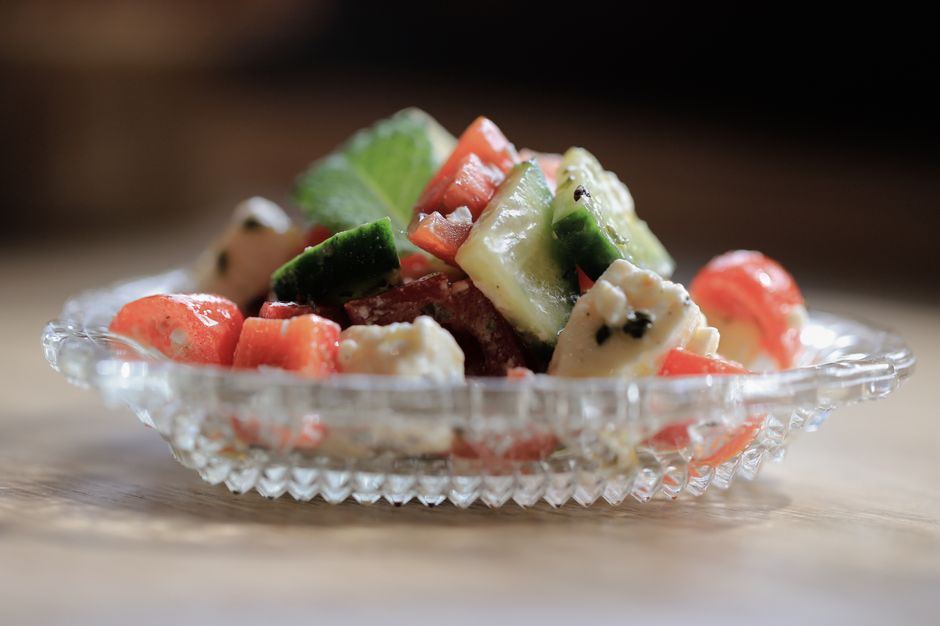
The presentation of feta cheese salad can significantly enhance its appeal. A colorful array of vegetables, artfully arranged, makes for an inviting dish. The contrast between the white, crumbly feta, the vibrant reds and greens of the vegetables, and the deep purple of Kalamata olives creates a visually stunning mosaic. Garnishing with fresh herbs, such as a sprig of mint or a sprinkle of chopped parsley, adds a final touch of elegance. Serving the salad in a rustic bowl or on a platter can further enhance its Mediterranean charm.
For optimal flavor and freshness, proper storage of feta cheese salad is important. It is best consumed fresh, but if leftovers are inevitable, they should be stored in an airtight container in the refrigerator. The dressing should ideally be stored separately and added just before serving to prevent the vegetables from wilting. While most components will remain palatable for a day or two, the crispness of the vegetables will diminish over time. Feta cheese itself can be stored in its brine, which helps to preserve its moisture and flavor.
In conclusion, feta cheese salad is a testament to the power of fresh, high-quality ingredients and balanced flavors. Its inherent simplicity belies its remarkable versatility and nutritional value. From the classic Greek horiatiki to innovative fruit and grain-based variations, this Mediterranean staple offers a delightful and healthy option for any occasion. By understanding the nuances of feta cheese, the importance of fresh produce, and the art of dressing, one can consistently create a delicious and satisfying feta cheese salad that embodies the spirit of Mediterranean cuisine. Its adaptability ensures that it will continue to be a beloved and ever-evolving dish for generations to come, a simple yet profound expression of culinary harmony.