Spring Pea Panna Cotta Salad: A Modernist Culinary Innovation Redefining Seasonal Dining

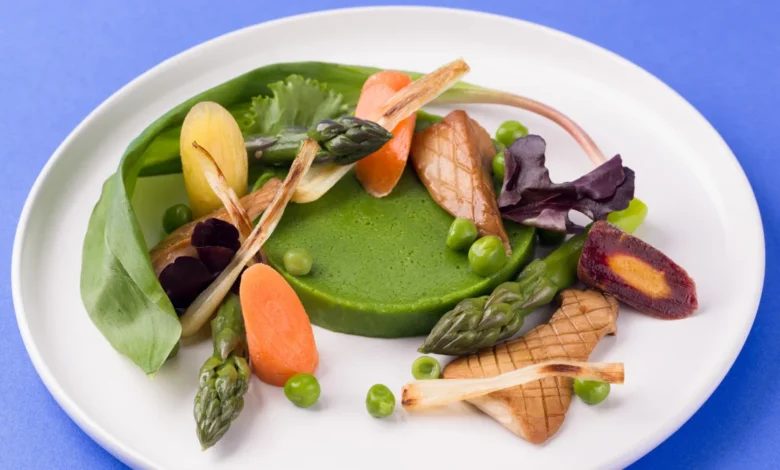
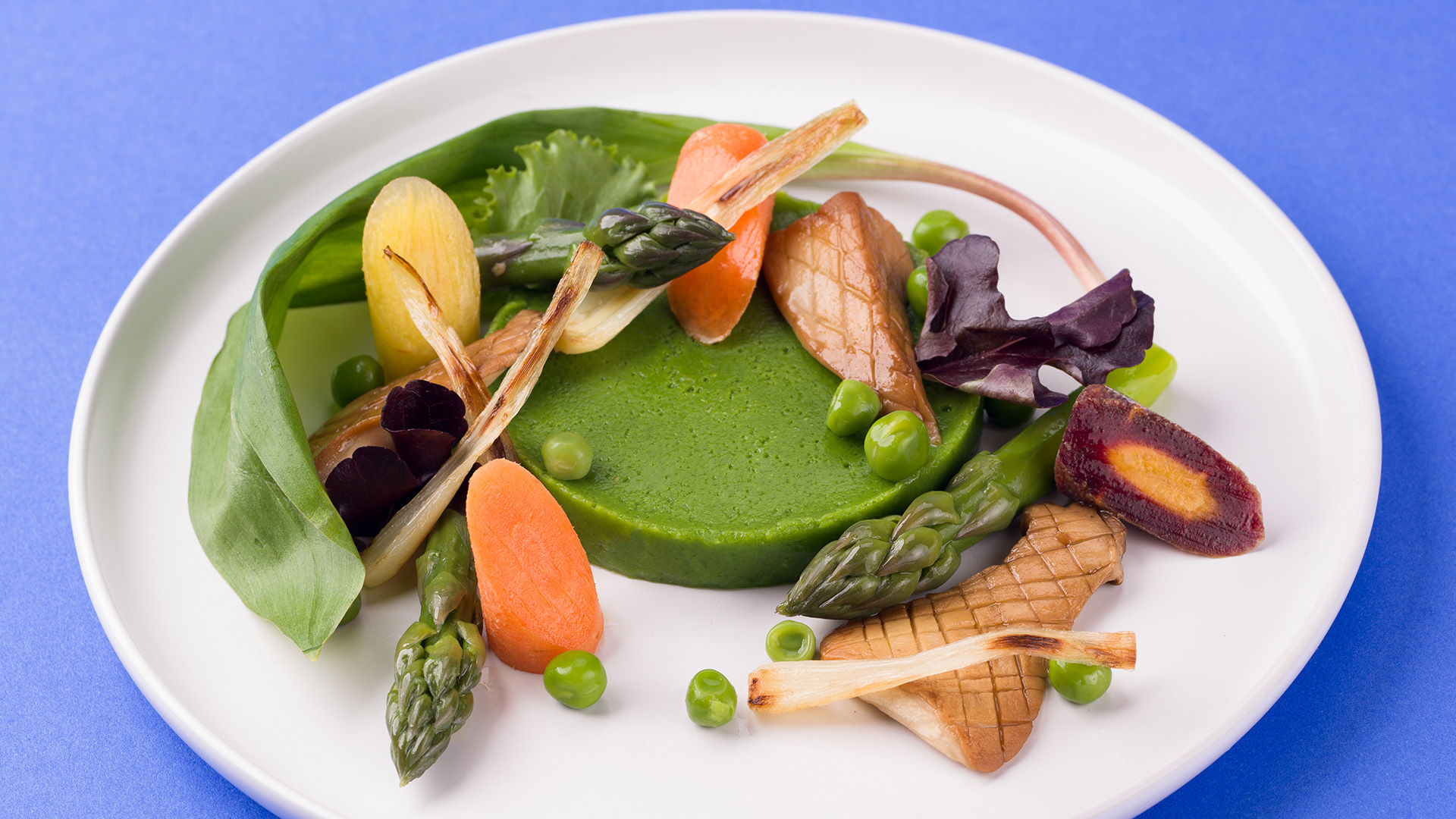
The Spring Pea Panna Cotta Salad emerges as a notable culinary development, signaling a sophisticated reinterpretation of traditional dining concepts through its innovative blend of textures, tones, and plant-based ingredients. Conceived and presented by the Modernist Pantry, a platform renowned for its avant-garde approach to gastronomy, this dish transcends the conventional understanding of a salad, offering a creamy, clean, and vibrantly green experience that encapsulates the essence of spring. Far from the typical leafy assemblage, this creation positions itself as a composed ode to seasonality, showcasing a silky, vegan panna cotta infused with the inherent sweetness of fresh spring peas, meticulously plated alongside crisp, vivacious vegetables such as mushrooms and asparagus, potentially accented by tender herbs. Its classification as "Easy" in terms of difficulty, despite its refined presentation, coupled with an active preparation time of one hour and a total time of six hours, indicates a deliberate design to make sophisticated culinary experiences accessible, yielding four servings that promise both aesthetic delight and gastronomic satisfaction.
The Genesis of a Modernist Culinary Vision
The introduction of the Spring Pea Panna Cotta Salad is not merely the launch of a new recipe but a reflection of a broader culinary philosophy championed by entities like the Modernist Pantry. This philosophy centers on pushing the boundaries of traditional cooking, leveraging scientific understanding, and employing innovative ingredients and techniques to create novel sensory experiences. The term "modernist cuisine" itself, popularized by figures such as Ferran Adrià and Nathan Myhrvold, denotes a movement characterized by the application of scientific principles and modern tools to food preparation, often resulting in dishes that challenge preconceived notions of texture, temperature, and form. The Spring Pea Panna Cotta Salad exemplifies this ethos by transforming a classic Italian dessert base, panna cotta, into a savory, vegan, and visually striking component of a composed salad. This strategic recontextualization highlights a deliberate effort to innovate within familiar culinary archetypes, offering diners an unexpected yet harmonious blend of flavors and sensations. The "vegan" aspect further aligns with contemporary dietary trends, emphasizing plant-based ingredients without compromising on luxury or complexity. Culinary experts frequently note the growing consumer demand for dishes that offer both nutritional value and aesthetic appeal, a sentiment perfectly addressed by this creation.
The Historical Trajectory and Modern Reinterpretation of Panna Cotta
Panna cotta, Italian for "cooked cream," has a rich history rooted in the Piedmont region of Italy, believed to have originated in the early 20th century, though similar chilled cream desserts existed earlier. Traditionally, it is a simple dessert made from cream, sugar, and gelatin, often flavored with vanilla, coffee, or fruit, and then molded and chilled until set. Its appeal lies in its delicate sweetness, smooth texture, and elegant simplicity. For centuries, it has served as a staple in Italian households and restaurants, a testament to its enduring charm.
However, the 21st century has witnessed a significant evolution in its application. Chefs globally have begun to experiment with panna cotta, moving beyond its dessert confines. This has involved incorporating savory elements, such as cheeses, herbs, and vegetables, transforming it into appetizers or intermezzo courses. The Spring Pea Panna Cotta represents a pinnacle of this savory evolution, skillfully integrating the natural sweetness and vibrant color of spring peas into its creamy structure. Furthermore, the "vegan" adaptation of panna cotta is a notable technical achievement. Traditional panna cotta relies on animal-derived gelatin for its set and dairy cream for its richness. Crafting a vegan version necessitates the use of plant-based gelling agents, such as agar-agar or carrageenan, and plant-based milks or creams (e.g., coconut cream, cashew cream). This shift underscores the ingenuity required to maintain the characteristic silky texture and mouthfeel while adhering to strict dietary guidelines, showcasing the increasing sophistication of plant-based culinary techniques. This adaptation reflects a broader industry trend towards inclusive dining, accommodating a wider range of dietary needs and preferences.
The Evolving Landscape of the "Salad" Concept
The term "salad" itself has undergone a dramatic transformation over time. Historically, salads were predominantly green, leaf-based dishes, often dressed simply with oil and vinegar. Their primary role was as a light accompaniment or starter. However, contemporary gastronomy has broadened this definition considerably. Today, a "salad" can be a complex, multi-component dish, often serving as a main course, featuring grains, proteins, roasted vegetables, fruits, and innovative dressings. The Spring Pea Panna Cotta Salad epitomizes this expanded concept. By foregoing traditional leafy greens as its primary base, it challenges diners to reconsider what constitutes a salad. Instead, it presents a "composed" structure, where each element is thoughtfully placed and contributes to the overall aesthetic and flavor profile. This approach is akin to architectural plating, where ingredients are arranged with precision to create a visual narrative, enhancing the dining experience beyond mere sustenance. The inclusion of crisp, vibrant vegetables like mushrooms and asparagus provides contrasting textures and flavors, preventing the panna cotta from becoming monotonous and reinforcing the dish’s identity as a balanced, savory composition. This trend towards deconstructed and composed dishes has been gaining momentum in fine dining for over a decade, with many chefs now applying these principles to more casual preparations.
The Seasonal Imperative: Celebrating Spring Peas and Local Produce
At the heart of the Spring Pea Panna Cotta Salad lies a deep appreciation for seasonal ingredients, particularly the fresh spring pea. Spring peas, typically available from late spring to early summer (roughly May to July in many temperate regions), are celebrated for their delicate sweetness, vibrant green hue, and tender texture. Their ephemeral nature makes them a highly anticipated ingredient, symbolizing renewal and freshness. Nutritionally, spring peas are a powerhouse, rich in vitamins K, C, and A, as well as several B vitamins. They are also an excellent source of dietary fiber, promoting digestive health, and contain a significant amount of plant-based protein, contributing to satiety. Their antioxidant properties further enhance their health benefits. According to the USDA National Nutrient Database, a 100-gram serving of green peas provides approximately 81 calories, 5.4 grams of protein, 5.1 grams of fiber, and 25% of the daily recommended Vitamin K.
The emphasis on spring peas aligns perfectly with the "farm-to-table" movement, a culinary trend that prioritizes sourcing fresh, local ingredients directly from producers. This movement not only supports local economies and reduces the environmental footprint associated with long-distance food transportation but also ensures ingredients are at their peak freshness and flavor. Culinary professionals and home cooks alike increasingly seek out seasonal produce to elevate their dishes, understanding that ingredients harvested at their prime offer unparalleled taste and nutritional value. The selection of accompanying vegetables like asparagus and mushrooms further reinforces this seasonal and local focus. Asparagus, another harbinger of spring, offers a distinct earthy-green flavor and tender-crisp texture, while various types of mushrooms can provide umami depth and textural contrast. The deliberate choice of these ingredients underscores a commitment to quality and a celebration of nature’s bounty, a practice increasingly advocated by food sustainability organizations.
The Ascendance of Plant-Based Gastronomy and its Market Impact
The development of dishes like the Spring Pea Panna Cotta Salad is inextricably linked to the global surge in plant-based eating. Over the past decade, the demand for vegan and vegetarian options has skyrocketed, driven by a confluence of factors including heightened health consciousness, ethical concerns regarding animal welfare, and growing awareness of the environmental impact of meat production. Market research firm Statista reported that the global plant-based food market was valued at approximately $29.4 billion in 2020 and is projected to reach $162 billion by 2030, indicating a monumental shift in consumer preferences. Major food manufacturers and restaurant chains have responded by significantly expanding their plant-based offerings.
This trend is not limited to niche markets; it has permeated mainstream dining, fine dining establishments, and home cooking alike. Consumers are actively seeking delicious, innovative plant-based alternatives that do not compromise on flavor or culinary experience. The Spring Pea Panna Cotta Salad serves as a compelling example of how traditional dishes can be reimagined to meet these evolving demands. By offering a vegan panna cotta, the Modernist Pantry taps into this significant market segment, demonstrating that plant-based cuisine can be sophisticated, elegant, and deeply satisfying. This innovation caters not only to strict vegans but also to "flexitarians" and health-conscious individuals who seek to incorporate more plant-based meals into their diet without sacrificing gourmet appeal. Food industry analysts consistently point to plant-based innovation as a key driver of growth in the coming years.
Accessibility and Innovation in Home Cooking
Despite its refined appearance and innovative concept, the Spring Pea Panna Cotta Salad is notably categorized as "Easy" in terms of difficulty. This classification is significant, highlighting a broader trend in modernist cuisine: the democratization of complex culinary techniques. Historically, dishes of this caliber might have been confined to professional kitchens, requiring specialized training and equipment. However, with the proliferation of specialized ingredients (often available through retailers like Modernist Pantry), detailed online recipes, and user-friendly instructions, sophisticated cooking is becoming increasingly accessible to the home cook.
The specified active time of one hour and total time of six hours for four servings further supports this notion. The longer total time, primarily dedicated to chilling and setting the panna cotta, allows for flexible preparation, enabling home cooks to manage their time effectively. This balance between active engagement and passive waiting makes what appears to be a complex dish manageable for those with varying levels of culinary expertise. It encourages experimentation and creativity in the home kitchen, bridging the gap between professional culinary innovation and everyday dining. This accessibility is crucial for the widespread adoption and influence of such dishes, inspiring more individuals to explore advanced culinary concepts and elevate their home dining experiences.
Nutritional Advantages and Health-Conscious Dining
From a nutritional perspective, the Spring Pea Panna Cotta Salad offers substantial benefits, aligning with current health and wellness trends. As a vegan dish, it inherently avoids cholesterol and is typically lower in saturated fats compared to its dairy-based counterparts, contributing to cardiovascular health. The primary ingredient, spring peas, contributes significantly to its nutritional profile, providing a rich source of plant-based protein, dietary fiber, and essential vitamins and minerals. For example, a single cup of green peas contains approximately 8 grams of protein and 8 grams of fiber, contributing substantially to daily recommended intakes and promoting satiety. The accompanying vegetables, such as asparagus and mushrooms, further enhance this nutritional density. Asparagus is known for its folate and vitamin K content, vital for cell division and blood clotting respectively, while mushrooms offer B vitamins and selenium, supporting energy metabolism and immune function.
This nutrient-dense composition makes the dish particularly appealing to health-conscious consumers who are increasingly seeking meals that are not only delicious but also contribute positively to their well-being. It represents a shift towards "functional foods" – dishes that offer health benefits beyond basic nutrition. By presenting these healthy components in an elegant and innovative format, the Spring Pea Panna Cotta Salad challenges the perception that healthy eating must be bland or uninspired, proving that nutritious food can also be gourmet. Dietitians frequently recommend increasing vegetable intake and exploring diverse plant-based options, making such a dish a valuable contribution to a balanced diet.
Broader Implications for the Culinary Landscape and Sustainable Practices
The introduction of dishes like the Spring Pea Panna Cotta Salad carries significant implications for the wider culinary landscape. Firstly, it encourages chefs and home cooks to think more creatively about ingredient usage and preparation methods, inspiring further innovation in plant-based and seasonal cooking. It blurs the traditional lines between savory and sweet, appetizer and main course, opening up new avenues for menu development. This flexibility in categorization allows for greater creativity in meal planning and presentation.
Secondly, it reinforces the growing emphasis on sustainability in the food industry. By prioritizing seasonal, plant-based ingredients, the dish inherently supports more environmentally friendly food practices. Plant-based diets generally require fewer resources (land, water, energy) and produce fewer greenhouse gas emissions compared to diets heavy in animal products. A 2018 study published in Science magazine indicated that avoiding meat and dairy products is the single biggest way to reduce one’s environmental impact on the planet. The focus on local, seasonal produce also reduces the carbon footprint associated with food transportation. This culinary offering, therefore, serves as a delicious example of how gourmet dining can align with ecological responsibility.
Finally, such innovations contribute to a broader cultural shift in how food is perceived. It elevates plant-based ingredients, often considered humble, to the status of fine dining components, challenging preconceived notions and expanding the palate of consumers. The Spring Pea Panna Cotta Salad is more than just a dish; it is a statement about the future of food—one that is innovative, sustainable, healthy, and accessible, promising a richer, more diverse culinary experience for all. Its emergence from a platform like Modernist Pantry underscores a continuous drive towards culinary excellence and adaptability in an ever-evolving gastronomic world, paving the way for future culinary explorations that marry tradition with avant-garde techniques.
Related posts: