Decoding the Elusive Perfect Cup: A Deep Dive into Coffee Extraction Dynamics and Brewing Innovations

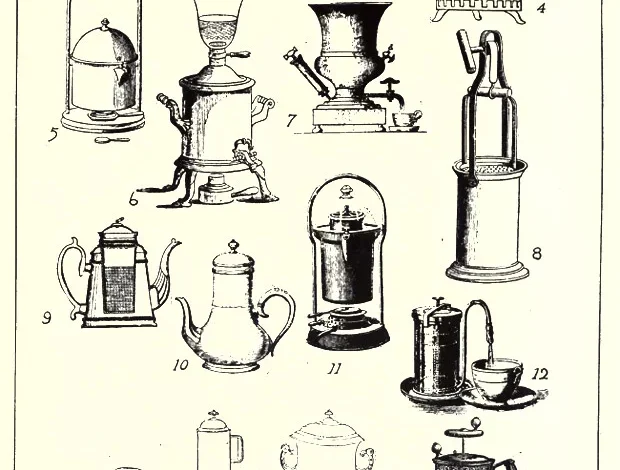
The pursuit of the ideal cup of coffee is a journey fraught with scientific complexity, historical innovation, and a constant quest for precision. In the intricate world of coffee extraction, where chemical compounds span an astonishing nine orders of magnitude in concentration, every parameter, from grind size to water temperature, plays a pivotal role in shaping the final brew. This exhaustive exploration delves into the nuanced science behind pour-over and immersion brewing, examining the myriad variables that influence flavor, aroma, and mouthfeel, and surveying the ever-evolving landscape of coffee technology designed to harness these dynamics.
The Chemical Symphony of Coffee Extraction
At its core, coffee brewing is a sophisticated chemical extraction process. Roasted coffee beans house a vast array of soluble compounds, each possessing a unique solubility and extraction rate. This inherent variability is not a flaw but a crucial feature, offering brewers the creative latitude to craft diverse flavor profiles. If all compounds were extracted uniformly, the art of brewing would be significantly diminished. Instead, the goal is often a selective extraction, a delicate balance aimed at maximizing desirable flavors—sweetness, acidity, and complex aromatics—while minimizing less appealing notes such as bitterness or astringency, which often arise from over-extraction of certain compounds like chlorogenic acids or melanoidins.
Consider the spectrum of extraction. A coarse grind steeped for a short duration yields a light, often underdeveloped cup, as only the most readily soluble compounds are extracted. Conversely, a very fine grind steeped for an extended period, perhaps even boiled, as in the preparation of Turkish coffee, aims for maximum extraction, approaching yields of up to 30% of the bean’s soluble mass. While such a brew can be intensely strong and flavorful, it frequently sacrifices nuance for sheer intensity, often characterized by a heavy body and pronounced bitterness due to the dissolution of slower-extracting, less desirable compounds. The widely accepted "Golden Cup Standard," championed by organizations like the Specialty Coffee Association (SCA), typically targets an extraction yield between 18% and 22% of soluble solids, achieved with a brew strength (Total Dissolved Solids, or TDS) ranging from 1.15% to 1.35%. This range is believed to represent the optimal balance of flavor compounds, avoiding the sourness of under-extraction and the bitterness of over-extraction.
The chemical constituents contributing to coffee’s allure include a complex mix of organic acids (e.g., quinic, citric, malic, acetic), sugars (mono- and polysaccharides), lipids, proteins, alkaloids (notably caffeine), and hundreds of volatile aromatic compounds. These compounds dictate the sensory experience. For instance, high concentrations of chlorogenic acids can contribute to bitterness and astringency, while melanoidins provide body and color. The precise rate at which these compounds dissolve is influenced by particle size, water temperature, contact time, and even the chemical composition of the brewing water itself. Water hardness, measured by mineral content (calcium, magnesium), and alkalinity (bicarbonates) significantly impact the extraction process. Certain minerals can enhance the extraction of specific acids and aromatics, leading to a brighter or sweeter cup, while others can mute flavors or contribute undesirable minerality. For example, bicarbonates in water act as buffers, neutralizing some of coffee’s acidity, which can either enhance sweetness or flatten complex flavor notes depending on the coffee and concentration.
Pour-Over: The Conductor’s Baton
The pour-over, or percolation, method stands as a testament to the pursuit of controlled selective extraction. Unlike traditional percolators where convection cycles heated coffee through the grounds (a method popular in the mid-20th century but largely eschewed by specialty coffee enthusiasts for its tendency to over-extract and boil coffee), pour-over involves gravity-driven filtration. Hot water is carefully poured over a bed of ground coffee, slowly dripping through a filter into a receptacle below. This seemingly simple act, however, conceals an astonishing array of adjustable parameters, each profoundly influencing the final cup.
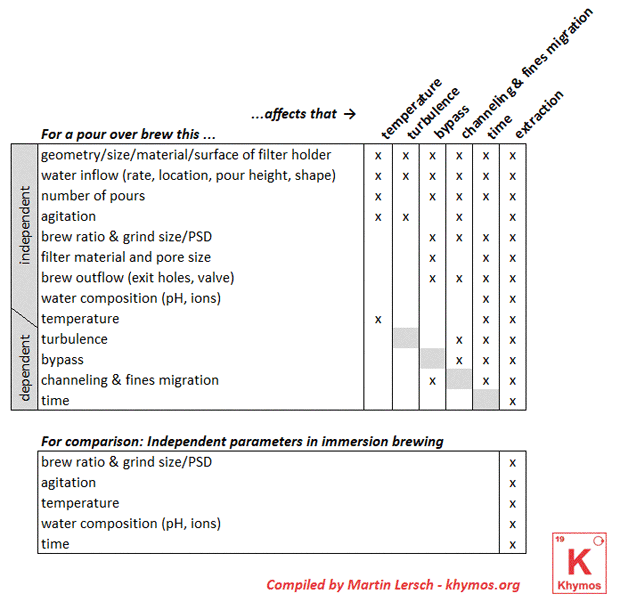
The primary variables include:
- Brew Ratio: The proportion of coffee grounds to water. A common starting point for pour-over is typically between 1:15 and 1:17 (e.g., 15 grams of coffee to 225-255 grams of water). Deviations from this can significantly alter strength and extraction yield.
- Grind Size and Particle Size Distribution (PSD): This is perhaps the most critical factor. Finer grinds increase the total surface area available for extraction, leading to faster dissolution of compounds. However, an excessively fine grind can impede water flow, prolong contact time, and risk over-extraction and bitterness. Crucially, the uniformity of grind (PSD) dictates how evenly water can flow through the coffee bed. A grinder producing many "fines" (very small particles) can lead to clogging and channeling, where water finds paths of least resistance through the coffee bed, bypassing large sections of grounds. This leads to uneven extraction where some coffee is over-extracted and other parts are under-extracted.
- Water Temperature: Typically, 90-96°C (195-205°F) is recommended. Higher temperatures accelerate the kinetics of extraction, while lower temperatures slow it down, often resulting in an underdeveloped, sour cup. Precision in temperature control is paramount.
- Water Composition: As mentioned, mineral content and alkalinity significantly impact flavor. Hard water can lead to flatter flavors, while water with balanced mineral content can enhance clarity and sweetness. Many professional baristas use filtered or specially formulated water to ensure consistency.
- Filter Material and Pore Size: Paper filters are most common, offering a clean cup by trapping fines and oils. Metal filters allow more oils and fines through, contributing to a fuller body and potentially more pronounced flavors. Different paper filters have varying thicknesses and pore sizes, affecting flow rate and clarity. For instance, Chemex filters are notably thicker, contributing to a remarkably clean cup.
Beyond these foundational elements, the execution of the pour-over technique introduces further layers of complexity:
- Pouring Technique: The speed, height, and pattern of water application are critical. A slow, controlled pour can minimize agitation and channeling. Baristas often use goose-neck kettles for precise control over flow rate and saturation. Pulse pouring (multiple small pours) versus continuous pouring creates different flow dynamics and contact times.
- Bloom Phase: An initial pour of a small amount of water (typically 2-3 times the coffee weight) to saturate the grounds and allow trapped gases (primarily CO2) to escape. This "bloom" lasts 30-45 seconds and prevents uneven extraction by ensuring subsequent water penetrates the grounds uniformly, mitigating pockets of dry coffee.
- Agitation/Stirring: While some techniques advocate minimal agitation, others use gentle stirring during the bloom or main pour to ensure even saturation and break up clumps, preventing channeling.
- Coffee Bed Depth and Geometry: The shape of the brewer (cone, flat-bottom, trapezoid) dictates the depth and surface area of the coffee bed, affecting flow resistance and contact time. A deeper bed (cone) offers more uniform contact but slower flow, while a shallower bed (flat-bottom) allows faster flow but can be more prone to channeling.
- Pre-wetting the Filter: Rinsing the paper filter with hot water removes paper flavors and preheats the brewer, ensuring the brewing temperature remains stable throughout the extraction.
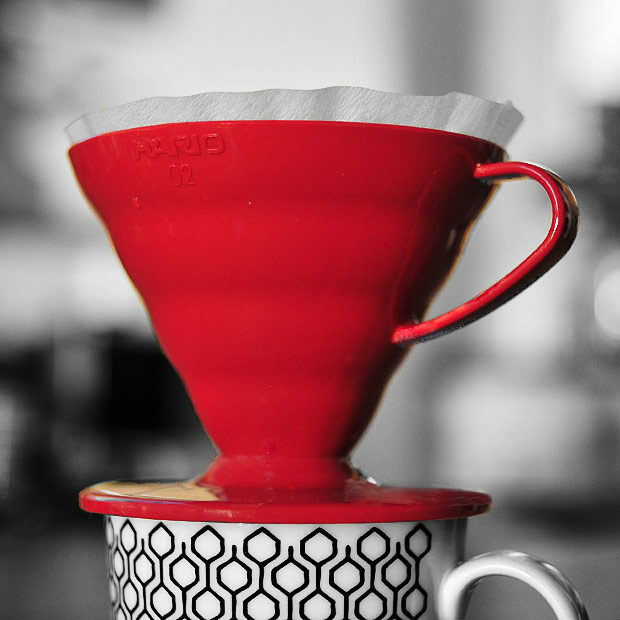
These parameters are not isolated; they are intricately correlated. For example, a finer grind will naturally slow down the flow rate and increase contact time. It also increases the risk of filter clogging and channeling, often attributed to the "water is lazy" principle: water will always take the easiest route, leading to uneven extraction. Equipment design, such as ridges on the inner walls of a Hario V60, aims to mitigate filter adhesion and allow coffee to flow freely along the sides, though this can also increase bypass – water that flows through the filter paper without fully interacting with the coffee bed, essentially diluting the brew and reducing extraction efficiency.
The sheer number of variables and their interdependencies explains the countless YouTube tutorials and online recipes for pour-over coffee. While empowering, this complexity also fosters "coffee preparation myths" and makes reproducing a specific brew challenging, as most recipes omit crucial, subtle details that nonetheless impact the outcome.
A Chronology of Coffee Brewing Innovation
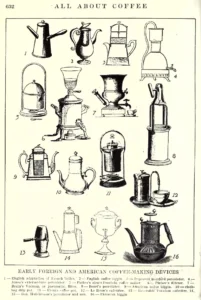
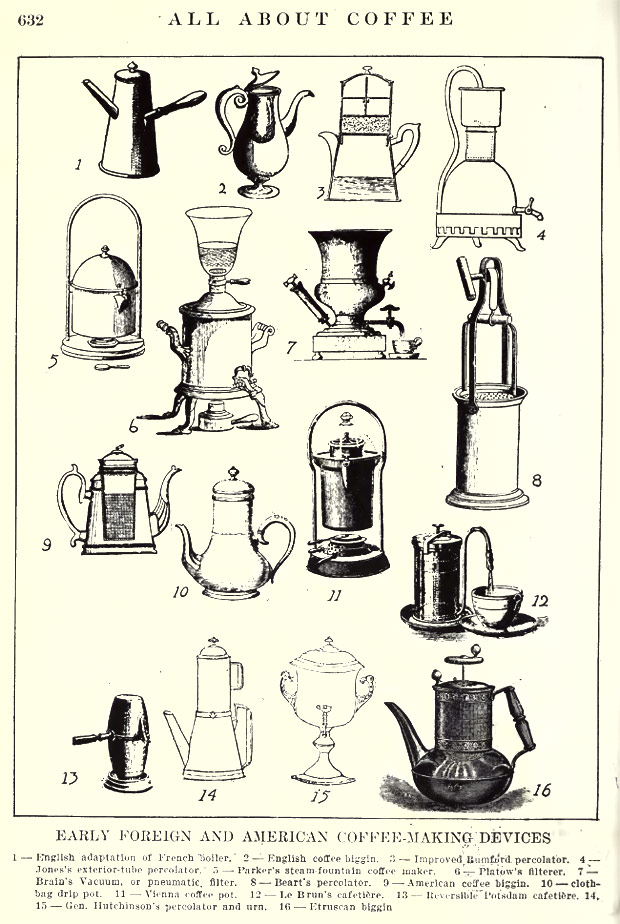
The pursuit of the perfect brew is not a modern phenomenon. Coffee’s journey from an energizing berry to a globally revered beverage is intertwined with centuries of brewing innovation.
- 9th Century AD: Legend places the discovery of coffee in Ethiopia. Early consumption likely involved chewing coffee cherries or infusing whole beans in hot water.
- 15th Century: Coffee gains prominence in the Arab world. The most common method was decoction, boiling finely ground coffee with water in a cezve or ibrik, leading to what we now know as Turkish coffee. This immersion method is characterized by high extraction and a thick, unfiltered brew.
- 17th Century: Coffee arrives in Europe. Initial brewing methods often involved boiling grounds directly in pots, resulting in muddy, bitter drinks. Early attempts at filtration included cloth bags or rudimentary strainers.
- 18th Century: The French begin experimenting with drip brewing. Jean-Baptiste de Belloy, Archbishop of Paris, is often credited with inventing the "Dubelloy" or "French Drip Pot" around 1780. This device, an early precursor to pour-over, allowed hot water to slowly drip through a bed of coffee, separating the grounds from the liquid.
- Early 19th Century: Benjamin Thompson, Count Rumford, invents the percolator in 1810s. This closed system used steam pressure to cycle water through grounds, becoming widely popular for its efficiency, though it often led to over-extraction and stewed flavors due to repeated exposure to boiling temperatures.
- Mid-19th Century: The siphon brewer emerges in the 1830s. Utilizing vacuum and pressure created by heating and cooling water, siphon brewers offered a more controlled and visually dramatic immersion method, prized for producing a clean cup.
- 1908: Melitta Bentz, a German housewife, invents the paper coffee filter and filter holder, revolutionizing drip brewing by offering a cleaner cup free of sediment. Her invention laid the groundwork for modern pour-over, addressing a common complaint about muddy coffee