The Unexpected Transformation: Deep-Frying Melons Explored in ‘We Transform Food’ Series

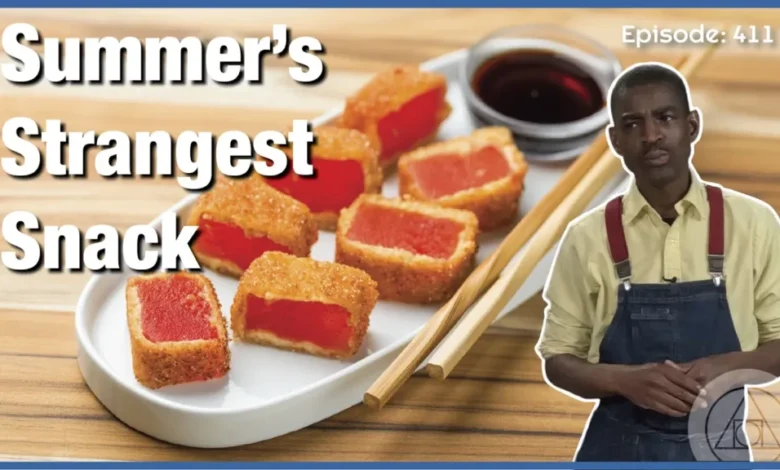
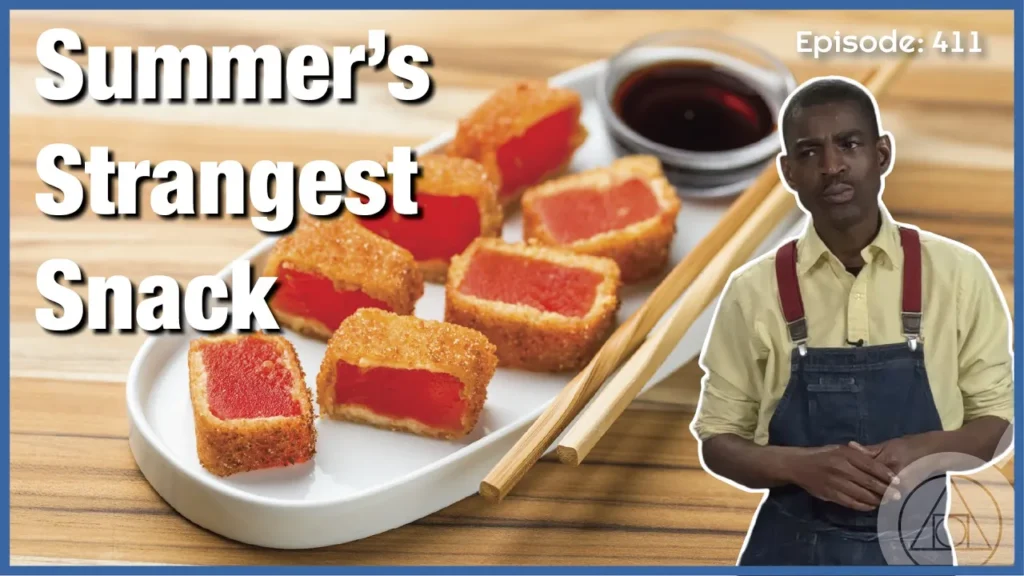
A recent installment of the "We Transform Food" (WTF) series, Episode 411, has garnered attention within culinary circles by tackling an unconventional challenge: deep-frying various types of melon. The episode, produced by Modernist Pantry and disseminated via their YouTube channel, investigates the gastronomic potential of watermelon, cantaloupe, and honeydew when subjected to battering and flash-frying. The reported outcome is a profound textural and flavor metamorphosis, transforming the inherently refreshing fruits into a product described as "almost creamy—like fruit turned custard, wrapped in a crisp little jacket." This culinary experiment underscores the series’ commitment to pushing boundaries and exploring innovative applications for common ingredients.
The concept of deep-frying fruit, while not entirely novel in certain cultural contexts, is certainly unexpected for high-water-content fruits like melons, which are typically consumed fresh and chilled. Modernist Pantry, through its "We Transform Food" series, positions itself at the forefront of culinary innovation, regularly exploring "cool ingredients and gadgets that can help any chef transform food into more memorable experiences." This particular episode, "Can You Deep Fry Melon? Let’s Find Out," exemplifies their ethos of curiosity-driven gastronomy, inviting viewers to reconsider preconceived notions about food preparation and sensory experiences. The detailed video segment provides visual evidence of the process and the resultant product, inviting both amateur cooks and professional chefs to contemplate the implications for future culinary endeavors.
The Historical Context of Deep-Frying and Culinary Experimentation
Deep-frying is a cooking method with a rich and diverse history, spanning centuries and cultures across the globe. From tempura in Japan to churros in Spain, falafel in the Middle East, and fish and chips in the United Kingdom, the technique of submerging food in hot oil has been cherished for its ability to create crispy textures and intensify flavors. In the United States, particularly, deep-frying has become synonymous with state fairs and carnival cuisine, where an ever-expanding array of items, from Oreos and Snickers bars to butter and even entire cheesecakes, have been battered and fried. This trend reflects a broader cultural fascination with extreme culinary transformations and the creation of novel sensory experiences.
Beyond the realm of fairgrounds, the past few decades have witnessed a significant rise in "molecular gastronomy" and "modernist cuisine," movements that embrace scientific principles and technological advancements to deconstruct and reconstruct food. Pioneers like Ferran Adrià, Heston Blumenthal, and Nathan Myhrvold have championed experimental techniques, challenging traditional cooking methods and ingredient combinations. These movements often involve precise temperature control, novel gelling agents, emulsifiers, and unconventional cooking apparatuses to achieve textures and flavors previously unattainable. Modernist Pantry, with its focus on "cool ingredients and gadgets," operates within this continuum, bridging the gap between high-end culinary research and accessible experimentation for a wider audience. The decision to deep-fry melon, a seemingly simple yet profoundly transformative act, aligns perfectly with this spirit of innovation, demonstrating that even basic cooking methods can yield surprising results when applied thoughtfully to unexpected ingredients.
The Science Behind the Melon’s Metamorphosis
The reported transformation of watermelon, cantaloupe, and honeydew into a "custard-like" consistency with a "crisp little jacket" is a fascinating interplay of heat transfer, moisture dynamics, and chemical reactions. Melons are composed of over 90% water, which presents a significant challenge for deep-frying, as excessive moisture can lead to a soggy product or dangerous oil splattering. However, the specific technique employed—battering and flash-frying—is crucial to the reported success.
-
Batter as a Barrier: The batter serves as an essential protective layer. Upon contact with hot oil (typically between 350-375°F or 175-190°C), the exterior of the batter rapidly dehydrates and cooks, forming a crisp, golden-brown crust. This crust acts as a barrier, preventing the rapid escape of the melon’s internal moisture and shielding the delicate fruit from direct, intense oil contact. This rapid crust formation is critical for achieving crispiness rather than sogginess.
-
Internal Steam Cooking: While the batter crisps, the intense external heat rapidly converts the water within the melon into steam. This steam then effectively cooks the fruit from the inside out. Unlike slow cooking, which might result in a mushy texture, the rapid steam generation under pressure within the batter jacket quickly breaks down the melon’s cellular structure. This process is responsible for the reported "melting" and "custard-like" texture, as the pectin and other structural components of the fruit soften dramatically.
-
Sugar Concentration and Caramelization: Melons are naturally sweet due to their sugar content (fructose, glucose, sucrose). The heat from deep-frying rapidly draws out and concentrates these natural sugars at the surface of the fruit, underneath the batter. This concentrated sugar can undergo caramelization, a non-enzymatic browning reaction that occurs when sugars are heated to high temperatures. Caramelization produces a complex array of new flavor compounds, adding depth and richness that are not present in raw melon. The Maillard reaction, another non-enzymatic browning reaction involving amino acids and reducing sugars, also contributes to the savory-sweet complexity and color of the batter itself.
-
Flavor Enhancement: The intense heat can also volatilize some of the aromatic compounds in the melon, concentrating others, and potentially creating new ones through thermal degradation or rearrangement. This contributes to the intensified sweetness and distinct flavor profile described in the episode. The slight absorption of oil by the batter can also add a subtle richness and mouthfeel that complements the transformed fruit. The "flash-frying" aspect is key to preventing excessive oil absorption by the fruit itself, maintaining a balance between crispness and a light interior.
Modernist Pantry’s Chronology and Mission
Modernist Pantry has established itself as a significant resource for culinary enthusiasts and professionals interested in avant-garde cooking techniques and ingredients. The "We Transform Food" series, of which Episode 411 is a recent entry, serves as a weekly demonstration of their philosophy. Launched to explore the vast potential of "cool ingredients and gadgets," the series consistently features experiments that challenge conventional culinary wisdom. While a precise launch date for the series is not explicitly stated in the provided context, the episode number (411) suggests a long-running and consistent production schedule, indicating a sustained commitment to culinary exploration over several years.
Each episode typically focuses on a specific ingredient, technique, or piece of equipment, dissecting its properties and demonstrating its transformative capabilities. Previous episodes, inferentially, would have covered a wide array of topics, from spherification using sodium alginate, sous-vide cooking, and various gelling agents to unique emulsifiers and flavor compounds. The series aims not just to showcase novelties but also to educate its audience, providing practical insights into the science behind the transformations. By making these often complex techniques accessible through clear demonstrations and explanations, Modernist Pantry plays a crucial role in democratizing modernist cuisine, empowering home cooks and professional chefs alike to experiment in their own kitchens. The continuous release of episodes like "Can You Deep Fry Melon?" reinforces their position as thought leaders in the evolving landscape of food innovation.
Inferred Statements and Expert Reactions
While direct quotes from Modernist Pantry or external culinary experts regarding this specific episode are not provided, we can infer potential reactions based on the context of culinary innovation and public reception to unusual food trends.
A representative from Modernist Pantry, perhaps a host or lead culinary scientist, might state: "Our mission with ‘We Transform Food’ has always been to challenge perceptions and unlock unexpected potential in everyday ingredients. Deep-frying melon might sound counter-intuitive, but the textural and flavor transformation is genuinely surprising and delightful. It’s a testament to how simple techniques, applied differently, can yield extraordinary results, inspiring our audience to think beyond the conventional." This statement would align with the series’ core objectives of inspiring creativity and pushing culinary boundaries.
From the perspective of food critics or culinary experts, reactions could be varied and nuanced. A progressive food critic might commend the daring nature of the experiment, stating: "In an era where culinary innovation often leans on complex machinery, Modernist Pantry reminds us that simple, well-executed techniques can still deliver profound surprises. The idea of deep-fried melon, while initially perplexing, reportedly offers a fascinating textural contrast and an intensified sweetness that warrants exploration. It speaks to the ongoing human desire to reinterpret and reimagine our food."
Conversely, a more traditional culinary voice might express reservations, perhaps focusing on the health implications or the perceived "unnecessary" alteration of a naturally refreshing fruit. "While the technical execution may be commendable, one might question the necessity of deep-frying a fruit cherished for its crisp, hydrating qualities. While certainly a curiosity, the added fats and calories might outweigh the novelty for many palates seeking genuine refreshment from melon." However, even such critiques often acknowledge the artistic and experimental value of such endeavors within the broader culinary landscape.
Public reaction, particularly on platforms like YouTube and other social media, would likely be a mix of curiosity, skepticism, and excitement. Comments might range from "I have to try this!" and "Mind blown!" to "Why would anyone do this?" and "Sounds like a heart attack waiting to happen." This wide spectrum of responses is typical for highly unconventional food content, contributing to viral sharing and discussion. The very act of generating such discourse is part of the impact of such experimental culinary ventures.
Broader Impact and Implications
The exploration of deep-fried melon, while seemingly a niche experiment, carries broader implications for food innovation, consumer palates, and the culinary industry.
-
Redefining Ingredient Roles: Such experiments force a re-evaluation of how ingredients are typically perceived and utilized. Melons are usually relegated to salads, desserts, or refreshing beverages. Deep-frying them challenges this traditional role, opening up possibilities for their inclusion in savory applications or as a unique element in fusion cuisine. This pushes chefs and home cooks to think more creatively about the inherent properties of ingredients rather than their conventional uses.
-
Expansion of Culinary Techniques: The success of deep-frying high-water-content fruits could inspire similar experiments with other challenging ingredients. It highlights the importance of technique adaptation—using specific batters, precise temperatures, and flash-frying methods—to achieve desired results where conventional frying might fail. This deepens the technical understanding within the culinary community.
-
Influence on Consumer Palates: As consumers are increasingly exposed to global cuisines and innovative dishes through media, their palates become more adventurous. Experiments like deep-fried melon, even if not widely adopted, contribute to a broader acceptance of unusual flavor and texture combinations. This makes the market more receptive to future culinary innovations.
-
Niche Market Development: While unlikely to become a mainstream staple, deep-fried melon could find its place in niche markets. High-end restaurants specializing in tasting menus, gourmet food trucks at festivals, or even specialty dessert shops might incorporate such unique items as a point of differentiation and novelty. Its visual appeal and unexpected nature make it a strong candidate for social media virality, further boosting its potential in niche markets.
-
Educational and Inspirational Value: The "We Transform Food" series, through episodes like this, serves a vital educational function. It demystifies complex culinary science and inspires creativity. For aspiring chefs and food enthusiasts, these demonstrations provide concrete examples of how scientific principles can be applied in the kitchen to achieve remarkable transformations, fostering a spirit of continuous learning and experimentation.
-
Health and Wellness Considerations: It is important to acknowledge the health implications. While an innovative culinary experience, deep-frying adds significant calories and fat to a fruit that is otherwise low in calories and high in nutrients. As with all fried foods, it is typically an indulgence. However, within the context of culinary art and occasional treats, its nutritional profile is often secondary to the sensory experience. A balanced perspective would encourage moderation, viewing it as an experimental delicacy rather than a dietary staple.
In conclusion, Modernist Pantry’s "We Transform Food" Episode 411, featuring the deep-frying of watermelon, cantaloupe, and honeydew, stands as a compelling example of modern culinary exploration. By applying established cooking techniques to unexpected ingredients, the series not only achieves remarkable textural and flavor transformations but also stimulates broader conversations about food science, innovation, and the evolving nature of gastronomy. The reported success of turning refreshing melons into a "custard-like" delicacy encased in a crisp batter jacket underscores the endless possibilities that await discovery in the kitchen, continuously challenging and expanding our understanding of what food can be.