Spring Pea Panna Cotta Salad: A Modernist Approach to Seasonal Gastronomy

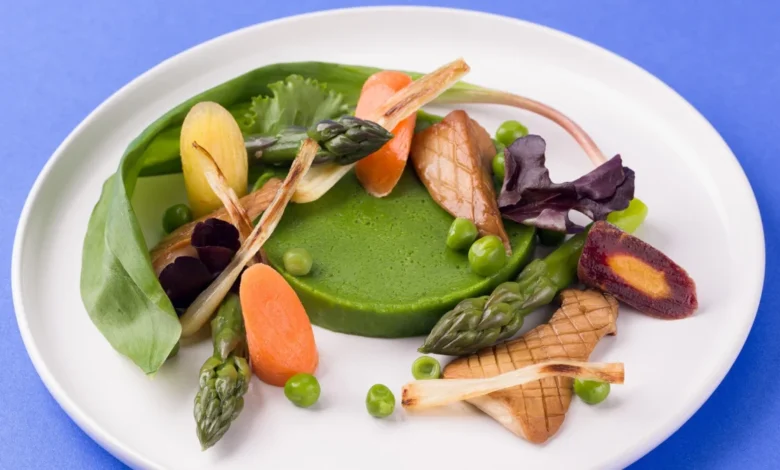
The emergence of the Spring Pea Panna Cotta Salad represents a significant shift in contemporary culinary practices, moving away from traditional garden salads toward a more technical, texture-focused interpretation of seasonal ingredients. This dish, which utilizes molecular gastronomy techniques to transform the humble spring pea into a structured, creamy element, has gained traction among professional chefs and home epicureans alike as a definitive statement of vernal cuisine. By marrying the vibrant, chlorophyll-rich essence of young peas with the precise mouthfeel of a panna cotta, the dish serves as a case study in how modern food science can elevate simple agricultural products into refined, multi-sensory experiences.
The Evolution of the Modernist Salad
Historically, the term "salad" has been synonymous with raw, leafy greens dressed in vinaigrette. However, the last decade has seen a movement toward "composed salads," where the emphasis shifts to temperature contrast, textural complexity, and the elevation of individual ingredients. The Spring Pea Panna Cotta Salad sits at the intersection of this movement. By stripping away the traditional leaf-based foundation and replacing it with a vegetable-infused panna cotta, chefs are challenging the consumer’s perception of what constitutes a salad.
This trend is rooted in the broader modernist movement, which began in the early 2000s and gained momentum through the work of establishments like El Bulli and The Fat Duck. The transition from pureed vegetable soups to solid, gelatin-based vegetable textures reflects a sophisticated understanding of hydrocolloids—the ingredients, such as agar-agar or carrageenan, that allow for the transformation of liquid vegetable essences into stable, silky gels.
Technical Composition and Culinary Mechanics
The preparation of this dish requires a meticulous approach to ingredient handling. At its core, the dish relies on the extraction of flavor from the Pisum sativum—the common garden pea. To achieve the vivid green hue and the intense, sugary flavor profile that defines the dish, chefs typically employ a blanching and shocking method followed by a high-speed emulsification.
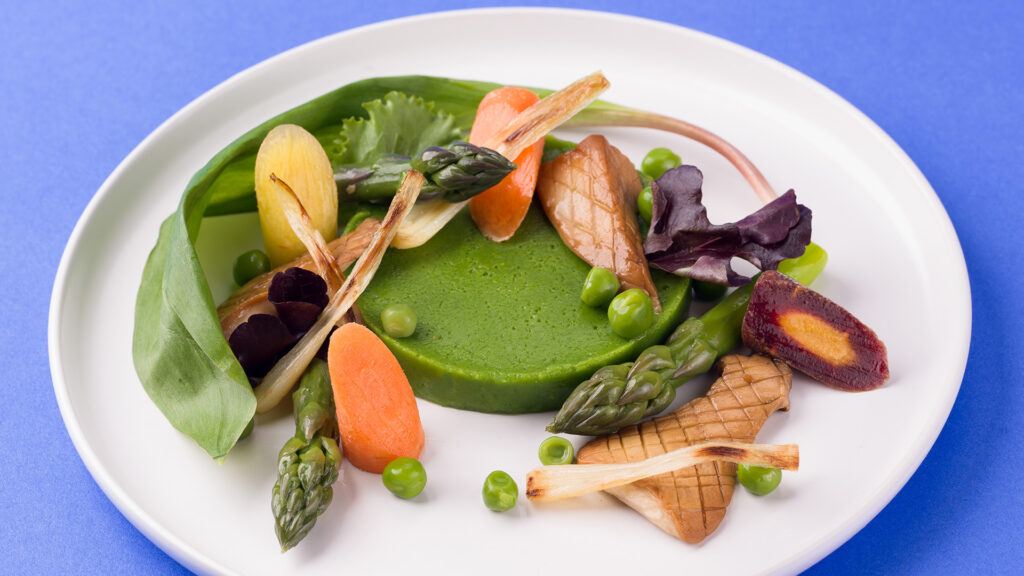
The "panna cotta" component, traditionally made with heavy cream and gelatin, has been adapted in this modernist iteration to be entirely vegan. This is typically achieved by utilizing plant-based gelling agents such as agar-agar, which provides a cleaner, more firm set that allows for precise plating. The result is a stabilized medium that retains the sweetness of the pea while providing a structural base for the accompanying elements.
According to culinary lab reports, the success of the dish relies heavily on the "Total Time" factor. While the active preparation time is approximately one hour, the cooling and setting process requires at least six hours. This timeline is non-negotiable, as the structural integrity of the pea-infused gel depends on the slow formation of the hydrocolloid matrix.
Chronology of Preparation
To understand the labor-intensive nature of this dish, one must look at the standard professional workflow:
- Hours 0-1 (Active Phase): Sourcing high-quality spring peas is the primary hurdle. Peas are blanched for 60 seconds to lock in chlorophyll, then immediately shocked in an ice bath to prevent overcooking. The peas are then blended with a base of coconut milk or a refined nut cream, seasoned with sea salt and perhaps a hint of mint or lemon zest. The mixture is passed through a fine-mesh chinois to ensure a velvety, seedless texture.
- Hours 1-1.5 (Setting Phase): The gelling agent is incorporated into the liquid base. The mixture is heated to the activation temperature of the hydrocolloid and then portioned into molds.
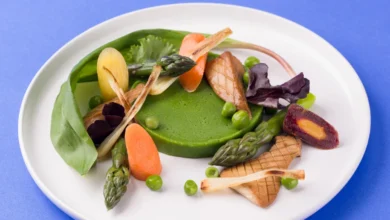
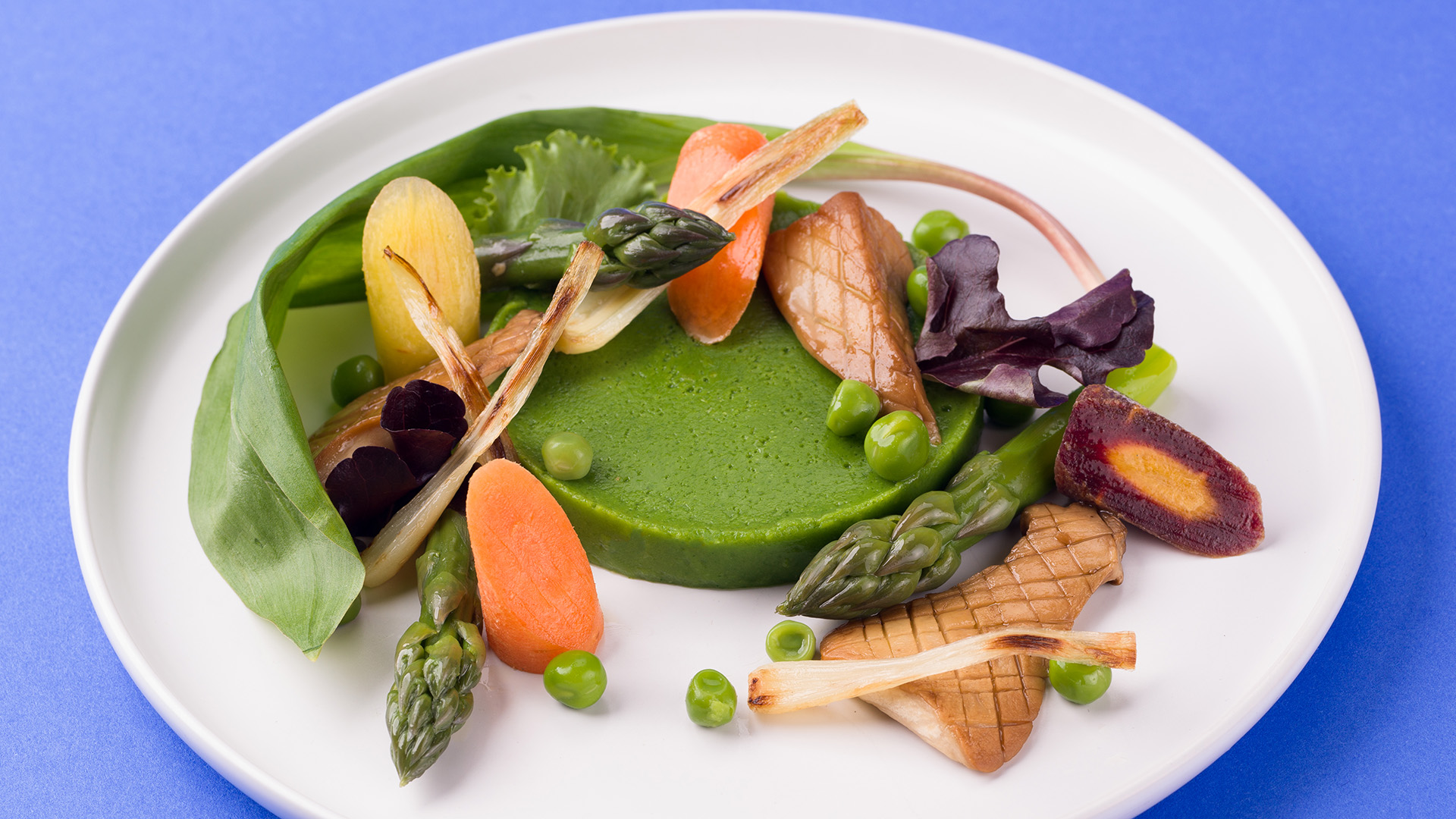
- Hours 1.5-7.5 (The Wait): The molds are chilled in a temperature-controlled environment. During this time, the salad components—such as micro-mushrooms, shaved asparagus, and radish—are prepared. These components are selected for their ability to provide a "crunch" that contrasts with the softness of the panna cotta.
- Hour 7.5 (Plating): The panna cotta is unmolded, and the crisp vegetables are arranged to provide a geometric, visual contrast to the smooth surface of the panna cotta.
Nutritional and Economic Implications
From an analytical perspective, the Spring Pea Panna Cotta Salad offers a unique nutritional profile. By removing the traditional oil-heavy dressing found in standard salads, the dish focuses on the caloric efficiency of the pea, which is a significant source of plant-based protein, fiber, and Vitamin K.
Economically, the dish represents a "high-labor, low-ingredient-cost" model. While the primary ingredients—peas, mushrooms, and herbs—are relatively affordable during the spring season, the investment lies in the time, specialized equipment, and culinary expertise required to execute the recipe correctly. This has made it a popular feature on the menus of mid-to-high-tier restaurants looking to demonstrate technical prowess without the overhead costs of luxury proteins like wagyu or lobster.
Expert Perspectives and Market Reception
Culinary critics have noted that the dish serves as a litmus test for a restaurant’s commitment to ingredient seasonality. "A dish like this cannot be faked," says a prominent food journalist specializing in modernist techniques. "If your peas aren’t fresh, the panna cotta will taste like canned baby food. It requires a direct connection to the harvest cycle."
Feedback from the culinary community suggests that the dish is particularly well-suited for the "spring dining" experience. Consumers are increasingly seeking lighter, more ethereal food options as the weather warms, and the combination of the cooling panna cotta with the crisp texture of fresh-cut vegetables aligns perfectly with shifting seasonal consumer demands.
Broader Impact on Home Cooking
The proliferation of recipes for Spring Pea Panna Cotta suggests a democratization of professional techniques. As home kitchens become better equipped with precision scales and specialized ingredients like agar-agar, the gap between restaurant-quality modernist cuisine and home-cooked meals continues to narrow.
This trend also has implications for the produce industry. There is a growing demand for "micro-vegetables"—young asparagus, baby radishes, and specific mushroom varieties—that are better suited for the delicate plating required for this dish. Suppliers are responding by diversifying their offerings to include smaller, more aesthetically uniform produce, which in turn fuels the popularity of composed salads.
Conclusion: The Future of the Seasonal Salad
The Spring Pea Panna Cotta Salad is more than a fleeting culinary trend; it is a manifestation of the ongoing integration of food science and traditional agriculture. By prioritizing texture, visual geometry, and the pure expression of seasonal produce, the dish represents the pinnacle of modern salad composition. As the culinary world continues to explore the boundaries of plant-based textures, the techniques used to create this dish will likely serve as a foundational template for future innovations in vegetable-forward cuisine. Whether served in an avant-garde restaurant or a well-equipped home kitchen, the dish stands as a testament to the fact that with enough precision, even the simplest ingredient—the spring pea—can be transformed into an object of profound culinary artistry.