The Scientific Pursuit of the Perfect Brew: Deconstructing Coffee Extraction Methods

The quest for the ultimate cup of coffee is a complex interplay of chemistry, physics, and artisanal skill, where every variable, from bean origin to water temperature, holds sway over the final sensory experience. Far from a simple act of steeping grounds, coffee extraction is a highly nuanced process, as evidenced by the vast array of brewing devices and intricate techniques developed over centuries. This deep dive explores the scientific principles underpinning popular methods like pour-over and immersion brewing, highlighting the inherent complexities and the ongoing innovations driving the specialty coffee industry.
The Chemical Blueprint of a Coffee Cup
A single cup of coffee is a dynamic solution, a symphony of hundreds of chemical compounds whose concentrations can span nine orders of magnitude. These compounds, which include volatile aromatics, organic acids, sugars, and melanoidins, each possess unique solubility and extraction rates. This inherent variability is not a flaw but a fundamental feature, providing the essential "room for creativity and variation" that defines the art of coffee brewing. If all compounds were extracted uniformly, the resulting beverage would lack the nuanced flavors and aromas that distinguish a truly exceptional cup.
The goal of coffee extraction is rarely to achieve a complete, exhaustive dissolution of all soluble material. Such an approach, akin to a prolonged boil or extremely fine grind, would yield an extraction approaching 30% of the bean’s dry weight, resulting in a robust, potentially overpowering brew similar to a Turkish coffee without added sugars or spices. While strong, this "extract all" method often sacrifices the delicate balance and clarity sought by connoisseurs. Instead, the focus shifts to selective extraction, a process designed to preferentially dissolve desirable compounds while minimizing the presence of less appealing ones. This means actively aiming for an uneven extraction from a chemical standpoint, where different compounds are extracted to varying degrees to sculpt a specific flavor profile. The pour-over or percolation technique stands out as a primary method for achieving this selective extraction. It’s crucial to differentiate this from the historical coffee percolator, a convection-driven device popular in the mid-20th century, which operates on a fundamentally different principle of recirculating heated coffee through a bed of grounds.
Pour-Over: An Orchestration of Variables
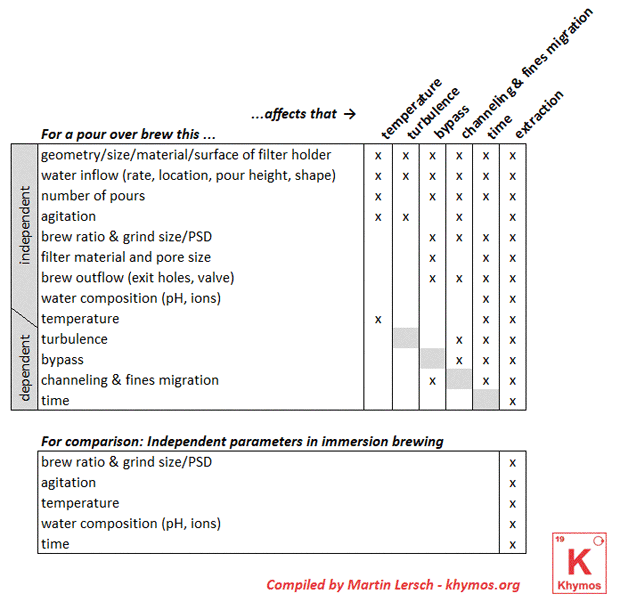
Pour-over brewing, seemingly straightforward in its execution—hot water dripped over ground coffee through a filter—reveals itself as an immensely complex system upon closer examination. The array of parameters that can be adjusted is extensive, and their interconnectedness creates a delicate balance that demands precision. Beyond foundational elements like brew ratio, grind size, particle size distribution (PSD), water composition, and temperature, numerous other factors significantly influence the final result:
- Flow Rate and Flow Dynamics: The speed at which water moves through the coffee bed.
- Turbulence: Agitation within the coffee bed caused by water flow.
- "Bloom" Phase: The initial saturation of coffee grounds, allowing CO2 to escape.
- Water Distribution: How evenly water is applied to the coffee bed.
- Bed Height and Geometry: The shape and depth of the coffee grounds.
- Channeling: Uneven flow paths where water bypasses parts of the coffee bed.
- Contact Time: The duration water is in contact with the coffee grounds.
- Bypass: Water flowing around, rather than through, the coffee bed.
- Filter Holder Design: Material, shape, internal structure, and exit holes.
The interplay of these parameters is profound. For instance, grind size directly impacts the total surface area available for extraction; finer grinds increase surface area, but also slow down water flow and can lead to filter clogging, extending contact time. This can, in turn, influence channeling, as "lazy" water seeks the path of least resistance, potentially bypassing the main coffee bed, especially with fine grinds and filter holders designed with patterns that reduce filter contact. This bypass, where water dilutes the brew without contributing to extraction, is a critical concern, as highlighted by contemporary coffee research, which advocates for its minimization to optimize percolation brewing.
The Evolution of Pour-Over Equipment: A Century of Innovation
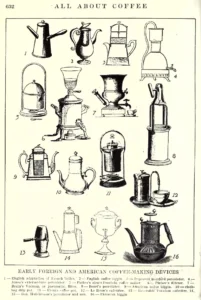
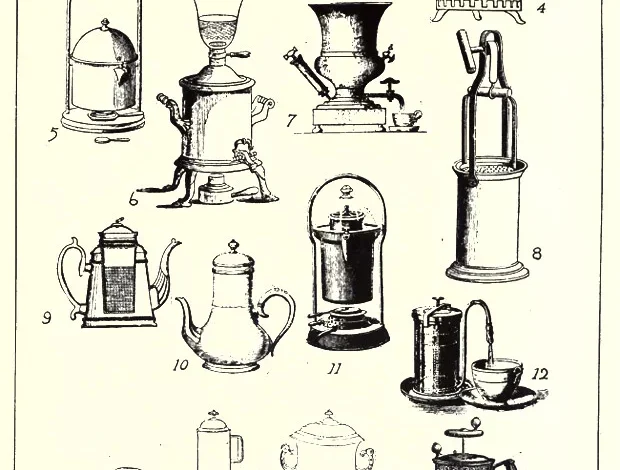
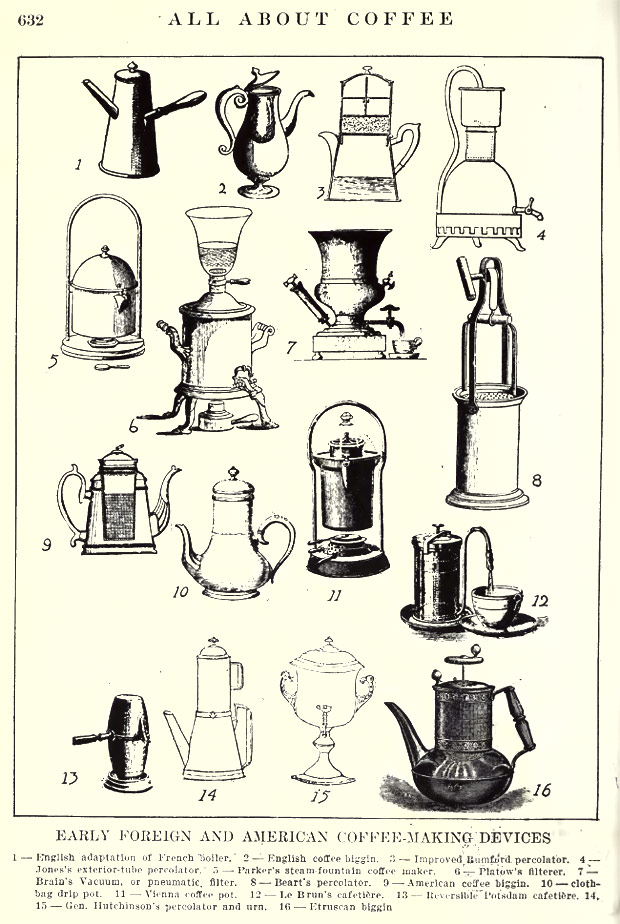
The pursuit of perfect pour-over extraction has spurred centuries of innovation in coffee maker design. As early as 1922, W. A. Ukers’ seminal work, "All About Coffee," illustrated a remarkable diversity of brewing devices, underscoring a long-standing human fascination with optimizing coffee preparation. This historical context informs the current landscape of pour-over equipment, where subtle design differences often serve a specific, scientifically-backed purpose.
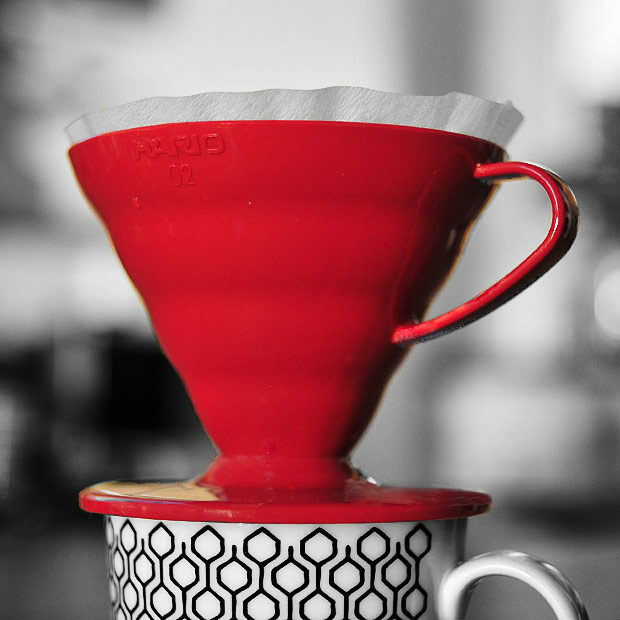
Modern pour-over brewers, ranging from the iconic Hario V60 to the innovative Kalita Wave, embody various design philosophies aimed at "untying the coffee knot." Key design aspects include:
- Material and Insulation: The material significantly impacts thermal stability. Metal, being a good heat conductor, can lead to temperature loss unless double-walled (e.g., Stagg X/XF) or possessing substantial thermal mass. Ceramic and plastic (like polypropylene, favored for its cost, limited heat loss, and sturdiness) are often preferred for their insulating properties, which help maintain optimal brewing temperatures.
- Shape and Geometry: The geometry of the filter holder dictates the shape and size of the coffee bed, influencing water flow. Cone-shaped filters (Hario V60) create a deeper, narrower bed, maximizing water-coffee contact but potentially slowing flow. Flat-bottom designs (Kalita Wave) promote faster flow but carry a higher risk of channeling if water quickly finds an exit. Cylindrical brewers (Aeropress, Tricolate) with flat filters situated entirely below the coffee bed offer a unique approach to flow control and bypass prevention.
- Inside Wall Surface: The internal surface of the filter holder influences how the filter paper behaves. Smooth surfaces (Chemex) encourage the paper to cling, effectively blocking side flow and minimizing bypass, though potentially slowing extraction. Ridges or patterns (Hario V60, Origami) allow water to flow through the filter paper even when it adheres to the wall, increasing flow rate and potentially bypass.
- Filter Type: Paper filters are dominant, valued for clarity. Cone and trapezoid filters are typically plain. Challenges include clogging by fine coffee particles. Solutions include fluted or W-folded filters (Kalita Wave) which increase surface area. Metal filters offer a different experience, allowing more fines and oils into the cup for a fuller body. Rare designs like the Karlsbader brewer use coarse ceramic gratings, allowing significant sediment for a unique texture.
- Inflow Control: How water is introduced profoundly impacts extraction. Uncontrolled pouring can disturb the coffee bed, leading to channeling. Gooseneck kettles, with their precise spouts, address this. More advanced solutions include water distributors (Gabi Dripmaster B, Melodrip) that ensure a slow, even dispersion, creating a perfectly flat coffee bed. However, these can introduce temperature loss.
- Exit Holes and Outflow Control: The number and size of exit holes, coupled with the internal surface structure and filter paper, determine the overall flow rate. Brewers like the Hario V60 feature a single large hole and ridges to maximize flow. Conversely, fewer/smaller holes or smooth surfaces that allow filter paper to cling can restrict flow. Crucially, some brewers incorporate shut-off valves (Clever, Hario Switch, December Dripper) to allow for an initial immersion phase followed by percolation. This provides unprecedented control over contact time, making recipes more scalable and forgiving of grind size variations.
Bypass: The Unseen Dilution
A critical concept in pour-over is bypass—water that flows around the coffee bed rather than through it, diluting the brew without contributing to extraction. While sometimes tolerated to ensure flow and prevent clogging, uncontrolled bypass is generally undesirable. Designs that minimize bypass, such as those where filter paper clings to a smooth surface or where the entire filter is positioned below the coffee bed (like the Aeropress or the Tricolate), are highly valued for maximizing extraction efficiency. The principle is clear: ideally, only the coffee itself should restrict water flow, not the equipment, unless a deliberate valve is in place for control. This distinction underscores the ongoing debate and innovation in brewer design.
Immersion Brewing: Robustness and Repeatability
In stark contrast to the intricate dance of variables in pour-over, immersion brewing offers a robust and repeatable method that often appeals to those seeking consistency and less hands-on attention. In this technique, all the water is added at once, steeping the coffee grounds for a predetermined duration. An initial stir helps degas the coffee and ensure uniform saturation. Following the steep, the brew is separated from the grounds, often via pressure filtration.
The French Press is a quintessential example of immersion brewing, characterized by its relatively coarse wire mesh filter. This allows a significant amount of "fines"—tiny coffee particles—to pass into the cup, contributing a distinctive body, texture, and often a sediment at the bottom. While some appreciate this mouthfeel, the extended contact time with fines can also introduce undesired bitterness. For a clearer cup, French Press coffee can be post-filtered through paper, removing fines and some oils, resulting in a cleaner, albeit sometimes "muted," flavor profile. Other immersion brewers, such as the Aeropress (when used in its inverted, immersion-first method), also offer excellent repeatability and control over extraction time and grind size, thanks to their pressure-assisted filtration.
A key advantage of immersion brewing is that brewing time can be controlled largely independently of grind size. As grounds steep, the total dissolved solids (TDS) and extraction yield (EY) increase over time, eventually plateauing as equilibrium is approached. While still a selective extraction due to coarser grinds and typically lower temperatures (often dropping below 90°C), immersion can yield wonderfully balanced and flavorful coffee.
The Pursuit of the Ultimate Cup
The dichotomy between the intricate control of pour-over and the robust consistency of immersion brewing highlights the ongoing scientific and artisanal quest in coffee. Pour-over offers unparalleled control for crafting highly specific flavor profiles but introduces numerous variables that can lead to "coffee preparation myths" and inconsistent results if not meticulously managed. Immersion, while inherently more forgiving and repeatable, might sometimes sacrifice the clarity and vibrant acidity achievable through precise percolation.
This complexity explains the countless YouTube tutorials and the continuous stream of new brewing devices entering the market. Each innovation, whether a specialized water distributor, a new filter material, or a re-engineered dripper geometry, represents an attempt to "untie the coffee knot"—to simplify control, enhance repeatability, or unlock new flavor dimensions. The industry, from home enthusiasts to professional baristas, constantly seeks methods that balance scientific precision with sensory delight.
As demonstrated by fictional characters like Gale Boetticher in "Breaking Bad," whose elaborate coffee setup perfectly illustrates the pursuit of an "ideal" extraction, the drive to achieve the "very best cup of coffee we have ever tasted" remains a powerful motivator. The journey involves not just understanding the chemistry of extraction but also mastering the physics of flow, temperature, and agitation. The ongoing innovation in coffee equipment and brewing techniques promises to bring us ever closer to that elusive perfect cup, continually redefining what’s possible in the world of coffee.