The Mathematics of Fermentation: How Lockdown Baking and Exponential Yeast Growth Transformed Domestic Kitchens

The global lockdowns of recent years triggered an unprecedented surge in home culinary experimentation, most notably reflected in a worldwide shortage of baking yeast. While public health discussions frequently invoked exponential mathematics to explain the alarming spread of the SARS-CoV-2 virus, home bakers were inadvertently observing the very same mathematical phenomenon on their kitchen counters. As supermarkets across Europe and North America faced empty baking aisles, resourceful consumers began to reconsider how they utilized dry and compressed yeast. By harnessing the principles of exponential growth, decreasing standard measurements, and extending fermentation periods, home cooks discovered that a single, standard sachet of instant dry yeast could sustain months of bread and pizza making.
Main Facts and the Lockdown Baking Surge
During the initial waves of pandemic-related restrictions in early 2020, retail supply chains experienced severe disruptions. In nations such as Norway, grocery store shelves dedicated to baking supplies were entirely depleted for weeks and months at a time. Concurrently, citizens confined to their residences turned to baking as a therapeutic and practical domestic activity. This sudden spike in demand transformed yeast—historically an inexpensive, readily available commodity—into a scarce household item.
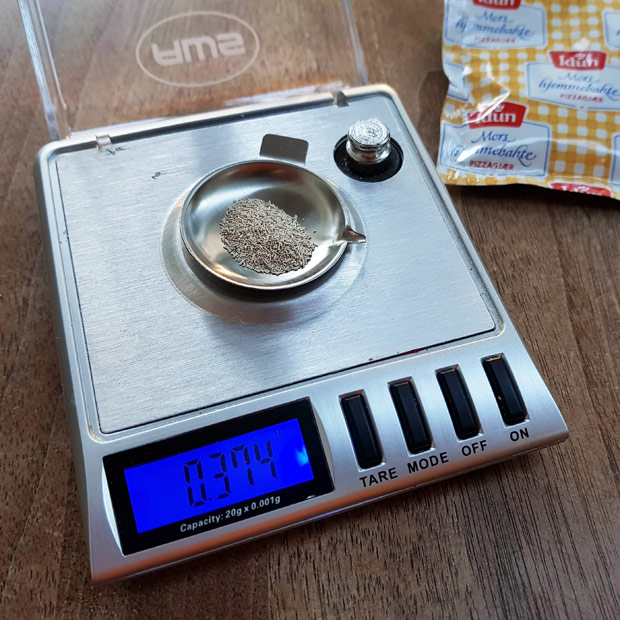
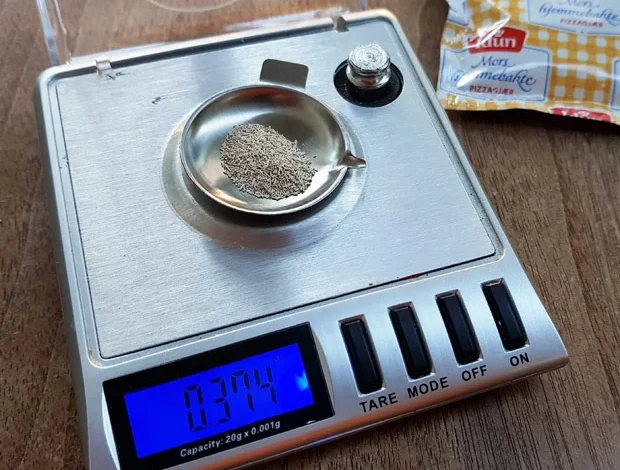
Faced with restricted access to fresh supplies, home bakers and culinary scientists began optimizing their usage. Rather than relying on traditional, heavy-handed measurements that called for entire packets of yeast per single loaf of bread, bakers adopted precision techniques. By utilizing digital kitchen scales capable of measuring down to thousandths of a gram—equipment previously reserved for laboratory settings or specialty coffee brewing—cooks could reliably measure fractions of a gram. This micro-dosing approach fundamentally altered domestic baking habits, proving that a single 12-gram sachet of instant dry yeast could yield dozens of loaves when paired with extended proofing times.
The Chronology and Science of Exponential Growth
To understand how minute quantities of yeast can successfully leaven heavy batches of flour, one must examine the biological mechanics of Saccharomyces cerevisiae, commonly known as baker’s yeast. Exponential growth is characterized by a rate of expansion that is proportional to the growing total number; in biological terms, population size increases at a rate proportional to its current size.
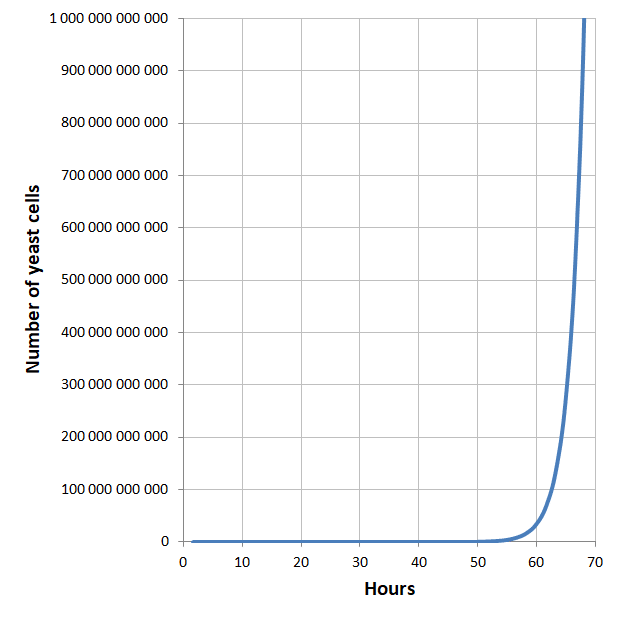
Under ideal laboratory or commercial manufacturing conditions—where nutrients, oxygen, and optimal thermal regulation are continuously provided—a single yeast cell completes its life cycle and divides into two distinct cells in approximately 100 minutes. This binary fission follows a precise geometric progression:
- Initial state: 1 cell
- After 100 minutes (1 cycle): 2 cells
- After 200 minutes (2 cycles): 4 cells
- After 24 hours: Approximately 16,000 cells
- After 48 hours: Approximately 268 million cells
- Before 72 hours (3 days): Approximately 1 trillion cells
This trillion-cell milestone roughly equates to the cellular mass found in a standard 50-gram block of commercial compressed yeast. While commercial yeast manufacturers artificially maintain these ideal conditions to harvest high volumes of biomass rapidly, the environment inside a standard bread or pizza dough operates at a significantly slower pace due to nutrient limitation, metabolic waste accumulation, and lower ambient temperatures. Nevertheless, the underlying principle remains: given adequate time, a remarkably small initial population of microorganisms can multiply sufficiently to produce the carbon dioxide gas required to leaven dense flour matrices.
Supporting Data and Precision Culinary Tools
The integration of precision technology into domestic kitchens has bridged the gap between industrial baking science and home practice. Specialty applications developed for mobile operating systems, such as PizzApp+, have gained widespread adoption among culinary enthusiasts. These digital tools allow users to input specific variables—including total flour weight, desired proofing time, ambient room temperature, and the specific type of yeast (fresh compressed, active dry, instant dry, or natural sourdough starters)—to calculate the exact quantity of inoculant required.
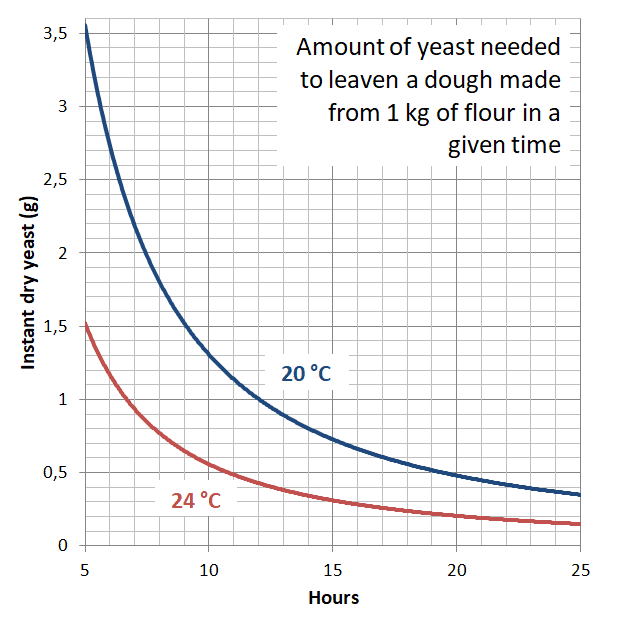
For instance, empirical baking data indicates that a standard direct dough formulated with 1 kilogram of wheat flour requires a mere 0.48 grams of instant dry yeast when subjected to a 20-hour bulk fermentation at 20 degrees Celsius. Without digital scales capable of accurately measuring sub-gram weights, such precise formulations would be impossible for the average home cook to execute reliably.
Broader Implications and Culinary Evolution
The necessity driven by supply chain shortages ultimately fostered a permanent shift in domestic baking methodologies. Extended bulk fermentation—often lasting anywhere from 18 to 48 hours at controlled or cool room temperatures—offers dual benefits beyond simple resource conservation.
From a biochemical perspective, prolonged fermentation periods allow indigenous lactic acid bacteria present in the flour and environment to proliferate alongside the yeast. This slow metabolic activity generates organic acids that significantly enhance the flavor profile of the final baked good, imparting complex, subtle sour notes akin to artisanal sourdough without the continuous maintenance demands of a live wild yeast culture. Furthermore, extended enzymatic breakdown of complex carbohydrates improves the overall digestibility and texture of the bread, yielding an open crumb structure and a superior crust.
While the complete pivot to natural sourdough fermentation attracted many converts during the pandemic, the convenience, stability, and predictability of instant dry yeast retained a strong following. By combining micro-measurements with the mathematical realities of microbial reproduction, modern home bakers have successfully decoupled high-quality artisanal results from high-volume ingredient consumption, proving that a deeper understanding of food science can yield both economic and gastronomic rewards.