Can You Deep Fry Melon? An Exploration of Culinary Transformation in Modern Gastronomy

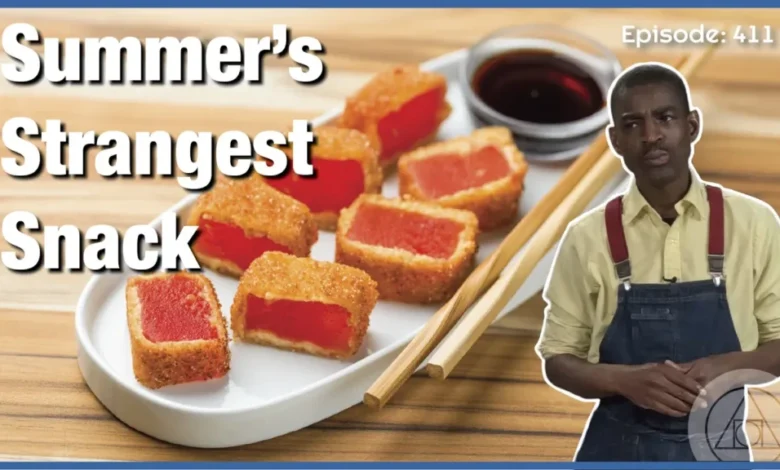
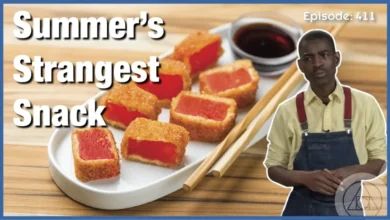
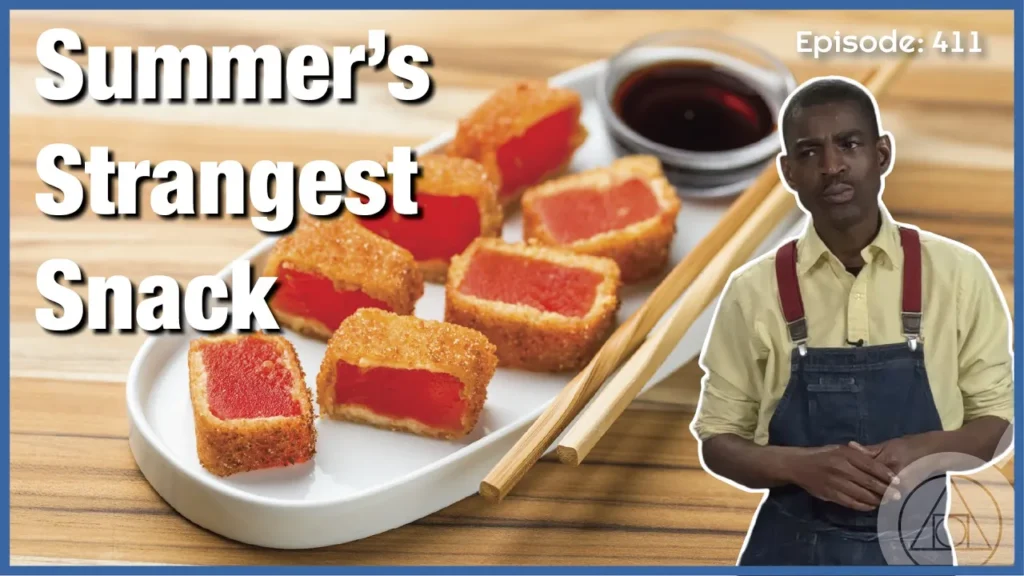
The realm of modern gastronomy consistently challenges conventional culinary boundaries, pushing ingredients and techniques into unexpected territories. A recent exploration by the "We Transform Food" series from Modernist Pantry has brought into focus the surprising potential of deep-frying traditionally fresh and watery fruits: watermelon, cantaloupe, and honeydew. This culinary experiment, documented in episode 411 of the series, reveals a profound transformation of these summer staples, wherein the application of high heat and a protective batter transmutes their texture into something akin to a creamy custard, enveloped by a crisp exterior, while intensifying their natural sweetness. This endeavor exemplifies a broader trend in food innovation, where familiar ingredients are re-imagined through novel cooking methods to create entirely new sensory experiences.
The Genesis of Culinary Experimentation: From Tradition to Avant-Garde
Deep-frying, a cooking method with a rich and diverse global history, has long been a cornerstone of many cuisines, from tempura in Japan to churros in Spain, and various forms of fried dough across countless cultures. Historically, it has been employed to achieve a crispy texture, seal in moisture, and develop complex flavors through the Maillard reaction and caramelization. While traditionally associated with savory items or denser, starchier desserts, the past few decades have witnessed a significant expansion of its application, particularly in Western culinary circles. This shift has been fueled by a growing interest in food science, molecular gastronomy, and the desire among chefs and food enthusiasts to deconstruct and reconstruct culinary expectations.
The "We Transform Food" series itself is a product of this evolving landscape, designed to explore unique ingredients and innovative gadgets that empower chefs, both professional and amateur, to elevate their culinary creations. Its focus on challenging preconceived notions about food preparation aligns perfectly with the ethos of contemporary gastronomy, which seeks not just to feed, but to surprise, delight, and provoke thought. The decision to deep-fry melons, fruits typically enjoyed chilled and raw for their refreshing, hydrating qualities, represents a deliberate departure from the norm, aiming to uncover hidden textural and flavor profiles.
The Science of Deep-Frying Melons: A Surprising Alchemy
The transformation observed in deep-fried watermelon, cantaloupe, and honeydew is rooted in fundamental principles of food science and heat transfer. When a fruit like watermelon, which can be up to 92% water, is submerged in hot oil, several key processes occur almost simultaneously, mediated by the protective batter:
- Rapid Heat Transfer and Moisture Evaporation: The high temperature of the oil (typically between 175°C and 190°C, or 350°F and 375°F) causes the water within the fruit to rapidly convert into steam. This steam attempts to escape, creating internal pressure and contributing to the puffing effect often seen in fried foods. The batter acts as a barrier, preventing the immediate escape of all moisture, thus essentially steaming the interior of the fruit while its exterior crisps.
- Cellular Breakdown and Textural Change: The intense heat breaks down the pectin and cellulose in the fruit’s cell walls. This structural collapse, combined with the loss of some water content and the internal steaming, results in a softening of the flesh. For melons, this process yields a remarkably smooth, almost gelatinous or custard-like texture, a stark contrast to their usual firm, crisp bite.
- Sugar Concentration and Caramelization: Melons are naturally rich in sugars (fructose, glucose, sucrose). The heat from frying not only concentrates these sugars by evaporating water but also initiates caramelization reactions on the surface of the fruit (or within the batter adjacent to it). This process creates new flavor compounds, deepening the sweetness and adding notes of toasted sugar, which complement the fruit’s inherent flavors.
- The Role of the Batter: The batter is crucial. It serves multiple functions:
- Protection: It shields the delicate fruit flesh from the direct, harsh heat of the oil, preventing it from burning or disintegrating.
- Moisture Seal: It traps moisture inside, allowing the fruit to steam in its own juices, contributing to the creamy interior.
- Crisp Texture: It fries to a golden-brown, crisp shell, providing a textural counterpoint to the soft, warm interior. The choice of batter (e.g., a simple flour-and-water batter, a tempura-style batter, or a richer pancake-like batter) significantly influences the final sensory experience.
The reported outcome—a "fruit turned custard, wrapped in a crisp little jacket"—is a testament to the synergistic effect of these processes, creating a dish that defies expectations and offers a novel gustatory experience.
A Brief Chronology of Unexpected Deep-Fried Delicacies
The journey of deep-frying beyond conventional boundaries is not a new phenomenon, but rather an evolving narrative within culinary history:
- Ancient Roots: Early forms of deep-frying can be traced back to ancient Egypt and Rome, primarily involving doughs, vegetables, and some meats.
- Medieval Innovations: The introduction of sugar and spices led to the development of fried sweets, like fritters, which were popular across Europe and Asia.
- 17th-19th Century Expansion: With the advent of more refined cooking oils and culinary techniques, deep-frying became a staple for various desserts and savory dishes, particularly in European and American cuisines.
- Early 20th Century: The American Fairground Phenomenon: The first documented deep-fried candy bar (likely a Snickers) appeared in Scotland in the 1990s, but the American fair circuit had long been a hotbed for frying unexpected items, from deep-fried pickles in the 1960s to deep-fried Oreos and Twinkies gaining widespread popularity in the early 2000s. These items, often perceived as novelties, showcased the technique’s versatility and appeal.
- 21st Century: Molecular Gastronomy and Home Experimentation: The rise of molecular gastronomy, championed by chefs like Ferran Adrià, Heston Blumenthal, and Grant Achatz, encouraged a scientific approach to cooking, leading to systematic experimentation with textures, temperatures, and states of matter. Simultaneously, the internet and platforms like YouTube democratized access to complex techniques, inspiring home cooks and professional chefs alike to experiment with everything from deep-fried butter to now, deep-fried melons. The "We Transform Food" series stands as a contemporary example of this ongoing exploration, bridging the gap between scientific inquiry and practical culinary application.
Supporting Data and Market Trends in Culinary Innovation
The market for innovative food experiences continues to expand. According to a 2023 report by Grand View Research, the global gourmet food market size was valued at USD 178.6 billion in 2022 and is expected to grow at a compound annual growth rate (CAGR) of 8.2% from 2023 to 2030. This growth is partly driven by consumer demand for novel flavors, unique textures, and experiential dining. Experiments like deep-frying melon tap into this demand by offering a surprising twist on familiar ingredients.
Furthermore, the proliferation of cooking shows, food blogs, and social media platforms dedicated to food has cultivated a more adventurous palate among consumers. Data from Statista indicates that cooking-related content consistently ranks among the most popular categories on platforms like YouTube and Instagram, demonstrating a strong public appetite for culinary exploration and education. Series like "We Transform Food" directly contribute to this ecosystem, providing both entertainment and practical insights into food science.
The success of unconventional fried foods at state fairs across the United States further illustrates this trend. Events often report record sales for new, sometimes bizarre, deep-fried items. For instance, the Texas State Fair has famously featured deep-fried butter, deep-fried Coke, and deep-fried Frito pie, demonstrating a public willingness, even eagerness, to try foods that challenge traditional culinary norms. While deep-fried melon may seem less extreme, it operates on the same principle of transforming a beloved item into something entirely new.
Inferred Statements and Reactions from the Culinary Community
While direct statements regarding the deep-fried melon experiment are specific to the "We Transform Food" series, one can infer the broader sentiment within the culinary community regarding such innovations:
A representative from Modernist Pantry, the creators of the "We Transform Food" series, might articulate their mission by stating, "Our objective with ‘We Transform Food’ is to inspire curiosity and creativity in the kitchen. We believe that by understanding the science behind cooking, anyone can unlock extraordinary possibilities from everyday ingredients. The deep-fried melon project perfectly encapsulates this philosophy, demonstrating how a simple technique can yield a truly remarkable and unexpected result."
Leading culinary critics and food scientists, when confronted with such novel preparations, often express a nuanced perspective. A hypothetical culinary critic might observe, "These kinds of experiments are vital for the evolution of cuisine. They challenge our inherent biases about how certain ingredients should behave and open up new avenues for flavor and texture combinations. While not every experiment will become a classic, each one contributes to a deeper understanding of food and its potential."
Food scientists might weigh in on the technical aspects: "From a food science perspective, deep-frying a high-water-content fruit like melon is an intriguing challenge. The successful transformation into a custard-like texture highlights the critical role of heat transfer dynamics, moisture management, and the interaction between the fruit’s sugars and the frying medium. It’s a testament to applied culinary chemistry."
Consumers, particularly those engaged with culinary trends, might react with a mix of surprise and intrigue, often leading to a desire to try the dish themselves or replicate the experiment at home. The viral potential of such unique food preparations on social media underscores a collective fascination with the unusual and the delicious.
Broader Impact and Implications for Gastronomy
The deep-frying of melons, as showcased by Modernist Pantry, carries several broader implications for the culinary landscape:
- Pushing Boundaries in Dessert and Appetizer Development: This experiment provides a template for chefs to reconsider fruits not just as fresh components but as ingredients capable of undergoing dramatic textural and flavor changes through cooking. It could inspire new dessert creations or even savory applications where the unique texture of fried fruit could complement other ingredients.
- Democratization of Food Science: By presenting such transformations in an accessible format like a YouTube series, "We Transform Food" helps demystify complex culinary science. This empowers home cooks to experiment more boldly and encourages a deeper understanding of why certain cooking methods yield particular results.
- Influence on Food Trends: As consumer palates become more sophisticated and adventurous, experiments like deep-fried melon contribute to the continuous evolution of food trends. They feed into the desire for novelty and surprise, encouraging restaurants and food manufacturers to innovate beyond traditional offerings.
- Educational Value: For culinary students and aspiring chefs, such demonstrations offer invaluable lessons in ingredient versatility, the impact of cooking techniques on sensory attributes, and the importance of experimentation in developing a unique culinary voice.
- Reimagining Waste Reduction: While not explicitly stated, successful methods for transforming fruits could potentially offer new avenues for utilizing fruits that are slightly past their prime for raw consumption but still perfectly good for cooking, thereby contributing to food waste reduction efforts.
In conclusion, the successful deep-frying of watermelon, cantaloupe, and honeydew, as explored by Modernist Pantry’s "We Transform Food" series, is more than just a culinary curiosity. It represents a micro-study in the ongoing evolution of gastronomy, demonstrating how scientific understanding combined with a spirit of innovation can unlock entirely new sensory experiences from familiar ingredients. The transformation from refreshing, crisp fruit to a warm, creamy, and intensely sweet custard-like delicacy, encased in a golden shell, stands as a testament to the endless possibilities that lie within the kitchen, continuously challenging our perceptions of what food can be. This endeavor reinforces the idea that in the world of cooking, the only true limits are those of imagination and willingness to experiment.