Khymos Blog Re-Engages with 2020’s Leading Food Science and Culinary Literature

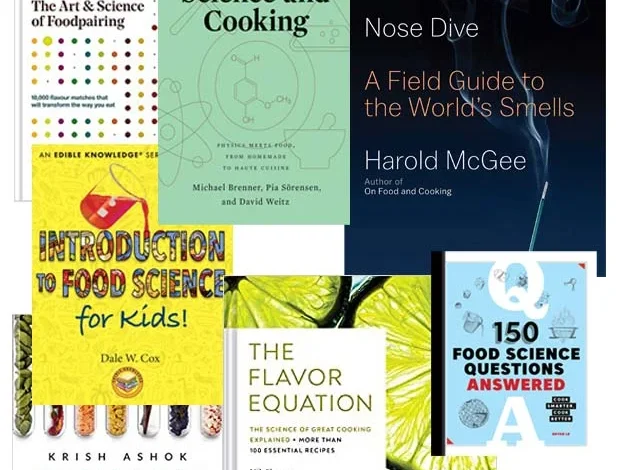
After an extended hiatus from actively curating literary recommendations since 2013, the esteemed Khymos blog has re-emerged to spotlight a selection of pivotal books published in 2020, each bridging the intricate worlds of food and science. This re-engagement underscores a sustained, indeed growing, interest in the scientific underpinnings of gastronomy, a field that has witnessed remarkable expansion and popularization over the past decade. The featured titles represent a diverse spectrum of approaches, from comprehensive guides to specific sensory explorations, and from advanced culinary techniques to foundational scientific principles tailored for both professional chefs and home cooks.
The Evolution and Popularity of Food Science in Literature
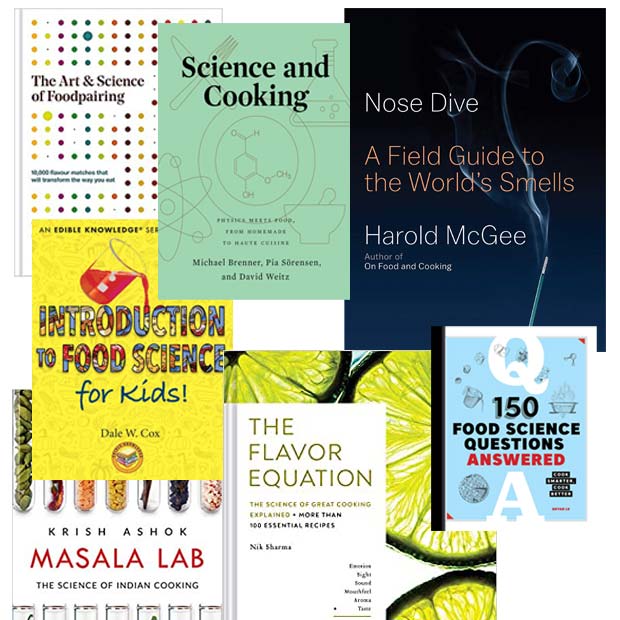
The intersection of food and science, often termed ‘molecular gastronomy’ in its earlier, more experimental phases, has steadily matured into a respected and widely accessible discipline. Pioneering works in the late 20th and early 21st centuries, notably those by figures like Harold McGee, demystified complex culinary phenomena, transforming cooking from a purely intuitive art into an informed practice. This movement has since proliferated, fueled by academic programs, popular media, and a burgeoning interest among consumers in understanding why certain cooking methods yield specific results. The period from 2013 to 2020, which saw Khymos’s blogging break, was a particularly fertile time for this genre, with numerous authors and researchers contributing to a richer, more diverse body of literature. This renewed focus from Khymos reflects the ongoing vitality and innovation within this specialized niche, showcasing how scientific rigor can enhance culinary creativity and understanding. The 2020 selections highlight not only continued depth in the field but also an expanding scope, incorporating global cuisines and pedagogical approaches for all ages.
Key Publications of 2020: A Deep Dive into Culinary Science
The year 2020 proved to be a significant year for publications at the nexus of food and science, delivering a rich harvest of titles that further democratized scientific knowledge for the culinary enthusiast. These books, meticulously reviewed by Khymos, stand out for their innovative methodologies, comprehensive scope, and commitment to making complex scientific principles accessible.
-
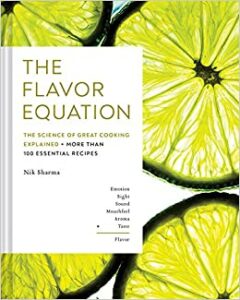
The Flavor Equation by Nik Sharma
- Pages: 352
- Nik Sharma’s "The Flavor Equation" emerges as a highly recommended text for its unique approach to understanding and manipulating flavor. Sharma, celebrated for his visually stunning food photography and distinctive recipes, integrates scientific principles directly into his culinary creations. The book features approximately 100 recipes, each accompanied by a section titled "The Flavor Approach," which provides concise, actionable scientific insights relevant to that specific dish. This method cleverly embeds scientific education within the practical context of cooking, making it digestible and immediately applicable. Sharma’s work is particularly lauded for making the science of flavor easily accessible, avoiding overly academic jargon while still delivering profound understanding. A notable bonus for an international audience is the consistent use of metric units, simplifying recipe execution across various geographical regions. The remaining third of the book delves into the multifaceted aspects of flavor from various perspectives, exploring how elements like fat, acidity, sweetness, and texture interact to create sensory experiences. This integration of theoretical knowledge with practical application solidifies its position as a must-read for those seeking to elevate their cooking through scientific comprehension.
-
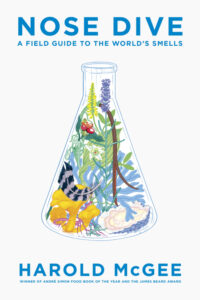
Nose Dive: A Field Guide to the World’s Smells by Harold McGee
- Pages: 688
- Harold McGee is a name synonymous with the scientific exploration of food. His seminal work, "On Food and Cooking: The Science and Lore of the Kitchen," ignited interest in countless individuals, including the Khymos blogger, in the scientific dimensions of gastronomy. "Nose Dive," his latest magnum opus, dedicates itself entirely to the universe of smells. Far exceeding the confines of food aromas, McGee embarks on an ambitious journey to categorize and explain the volatile molecules responsible for scents across all domains – from natural environments to industrial compounds. Despite the inherent complexity of discussing specific volatile molecules, McGee’s masterful narrative ensures that the scientific content remains engaging and comprehensible, even for readers without a specialized chemistry background. The book’s depth and breadth are characteristic of McGee’s meticulous research, offering a field guide that encourages readers to experience the world through an often-underappreciated sense. Its considerable length and detailed exposition promise a truly immersive reading experience, reinforcing McGee’s status as a preeminent authority in the sensory science of food and beyond. The note regarding differing UK and US covers points to the book’s global appeal and distribution, a testament to McGee’s universal recognition.
-
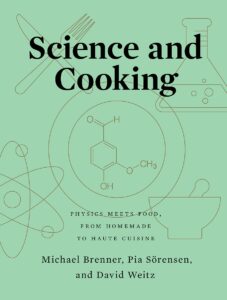
Science and Cooking: Physics Meets Food, From Homemade to Haute Cuisine by Michael Brenner, Pia Sørensen, and David Weitz
- Pages: 320
- Originating from the renowned "Science and Cooking" course at Harvard University, this book is authored by three academics – Michael Brenner, Pia Sørensen, and David Weitz – who initiated the class a decade prior to the book’s publication. The course itself gained significant acclaim for its interdisciplinary approach, drawing on applied mathematics, chemistry, and physics to elucidate culinary phenomena. Many of the original lectures, featuring a pantheon of celebrated chefs, scientists, and authors, are publicly available on YouTube, providing a rich supplementary resource. The book mirrors the course’s structure and philosophy, seamlessly integrating scientific explanations with practical recipes. The authors adeptly translate complex scientific principles into understandable culinary contexts, making it accessible to a broad audience ranging from home cooks to professional chefs. Their diverse scientific backgrounds ensure a comprehensive and well-rounded exploration of topics, from the physics of emulsions to the chemistry of caramelization. Like Sharma’s book, "Science and Cooking" thoughtfully incorporates metric units, enhancing its utility and appeal for a global readership. This publication serves as an invaluable resource for anyone seeking to understand the fundamental scientific forces at play in everyday cooking and haute cuisine alike.
-
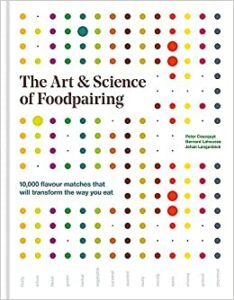
The Art and Science of Foodpairing by Peter Coucquyt, Bernard Lahousse, and Johan Langenbick
- Pages: 388
- The concept of "food pairing," though sometimes met with skepticism and controversy within culinary circles, has been significantly advanced by the company Foodpairing and its founders, Peter Coucquyt, Bernard Lahousse, and Johan Langenbick. Bernard Lahousse, in particular, has been a recurring figure in the Khymos blog’s discussions, including a notable interview in 2010 and reports from "The Flemish Primitives" conferences. This book compiles years of research and application into the intricate methodology of flavor compatibility. Food pairing posits that ingredients sharing common volatile aroma compounds will likely pair well, regardless of conventional culinary wisdom. While the scientific basis can be highly technical, the book effectively bridges the gap between empirical data and practical culinary inspiration. It acknowledges that where strict science might reach its limits, the "art" of cooking takes over, ensuring that the book remains a powerful tool for creative exploration in the kitchen. For those intrigued by the analytical deconstruction of flavors and the potential for novel ingredient combinations, this book offers a profound wellspring of ideas, pushing the boundaries of traditional culinary thought.
-
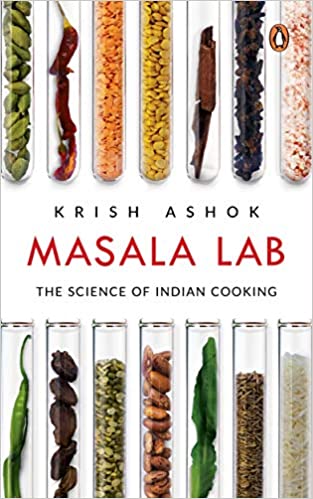
Masala Lab by Krish Ashok
- Pages: 280
- "Masala Lab" by Krish Ashok represents a groundbreaking contribution to the food science genre by specifically applying scientific rigor to regional cuisines, a development enthusiastically welcomed by the Khymos blogger. Ashok, an electronic/software engineer, brings a precise and curious mind to the complexities of Indian cooking. The book systematically deconstructs traditional Indian culinary practices, explaining the scientific rationale behind techniques, ingredient combinations, and flavor development. This scientific treatment of regional cuisine is particularly significant as it often represents culinary traditions that are deeply rooted in centuries of empirical knowledge but rarely subjected to formal scientific analysis in popular literature. The initial challenge of its availability, primarily through Amazon India, highlights a growing demand for such specialized content and the potential for broader international distribution. "Masala Lab" promises to be an indispensable resource for anyone looking to deepen their understanding of Indian cooking through a scientific lens, offering insights that can elevate both authenticity and innovation in these rich culinary traditions.
-
150 Food Science Questions Answered: Cook Smarter, Cook Better by Bryan Le
- Pages: 198
- Bryan Le’s "150 Food Science Questions Answered" serves as an excellent entry point for individuals new to integrating a scientific mindset into their cooking. Structured as a comprehensive Q&A, the book is organized into chapters covering cooking basics, flavor fundamentals, primary ingredient groups, and crucial food safety and storage guidelines. This format makes it an ideal reference book, allowing readers to quickly look up specific queries or browse for intriguing insights. Le’s writing is clear and concise, designed to demystify common culinary phenomena and provide practical, science-backed solutions to everyday cooking challenges. It’s the kind of book that encourages continuous learning and experimentation in the kitchen, fostering a deeper appreciation for the ‘why’ behind successful cooking techniques. For those just embarking on their journey into food science, it offers an accessible yet informative foundation.
-
Introduction to Food Science for Kids!: A Kitchen-Based Workbook by Dale W Cox
- Pages: 112
- Dale W Cox’s "Introduction to Food Science for Kids!" is a testament to the versatility and accessibility of food science as an educational tool. Explicitly designed for a younger audience, the workbook leverages the familiar and engaging environment of the kitchen to introduce fundamental chemical and physical concepts. The kitchen, with its myriad transformations and reactions, provides a perfect, hands-on laboratory for children to explore scientific principles in a tangible way. This book is invaluable for nurturing early interest in STEM fields, demonstrating that science is not confined to textbooks but is an integral part of daily life. By making scientific inquiry fun and relatable through food, Cox’s workbook contributes significantly to foundational scientific literacy and encourages critical thinking from a young age.
The Evolving Landscape of Food Science Literature (2014-2019)
While the Khymos blog’s detailed recommendations for the 2014-2019 period were not explicitly provided in the original text, this timeframe was crucial for the maturation and diversification of food science literature. Following the initial wave of foundational texts, this period saw an explosion of books that delved deeper into specific scientific principles (e.g., fermentation, sous vide, specific ingredient chemistry), explored sensory perception with greater nuance, and broadened the cultural scope of scientific cooking. Authors continued to refine the art of translating complex academic research into engaging narratives for a general audience. The emphasis shifted not just on what happens, but how and why, empowering home cooks and professional chefs alike with actionable scientific knowledge. This era also witnessed a greater integration of scientific concepts into mainstream cookbooks, blurring the lines between pure science texts and practical culinary guides, thereby laying a robust foundation for the innovative titles that emerged in 2020. The sustained interest and commercial success of these books during 2014-2019 underscored a growing public appetite for understanding the scientific dimensions of food.
Impact and Broader Implications
The collection of books highlighted by Khymos from 2020 collectively signifies the enduring and expanding influence of food science on contemporary culinary practice and education. These publications do more than just offer recipes or scientific facts; they foster a deeper understanding of the ingredients we use and the processes we employ in the kitchen. By making scientific principles accessible, they empower individuals to become more informed and creative cooks, moving beyond rote memorization to true comprehension.
The implications are far-reaching. For professional chefs, these texts offer tools for innovation, allowing them to experiment with greater precision and predictability. For home cooks, they demystify complex techniques, reduce culinary failures, and enhance the overall enjoyment of cooking. Furthermore, the inclusion of books like "Masala Lab" and "Introduction to Food Science for Kids!" points to a vital trend: the globalization of scientific inquiry in food and the early cultivation of scientific literacy. This demonstrates that food science is not just for the elite or the academically inclined but is a universal language that can enrich diverse culinary traditions and inspire future generations.
The re-emergence of Khymos’s recommendations reaffirms the blog’s role as a discerning curator in this dynamic field. The selections from 2020 are not merely a list of books but a snapshot of a vibrant intellectual movement that continues to redefine our relationship with food, proving that the kitchen remains a fertile ground for scientific exploration and artistic expression.