The Effectiveness of Calorie Counting Apps and Smartwatches in Weight Management Programs

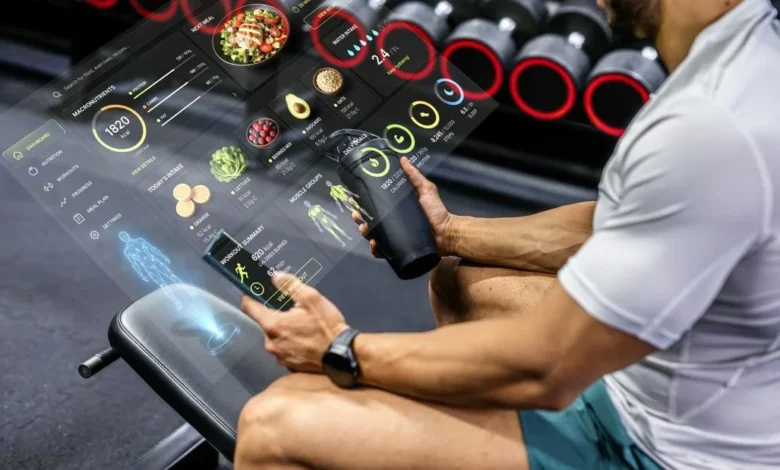
In the contemporary pursuit of weight loss, the integration of technology has become a ubiquitous feature. Many individuals are increasingly turning to smartphone applications and smartwatches to meticulously track their caloric intake, a practice often lauded as a cornerstone of successful weight management. However, the fundamental question remains: how effective is this digital approach to calorie counting, and what are the underlying principles that truly drive sustainable weight loss?
Calorie Tracking: A Tool for Awareness, Not a Panacea
Dr. Igus Ulfa Yaze, a specialist in clinical nutrition, emphasizes that calorie tracking, whether through mobile applications or wearable devices, primarily functions as an auxiliary tool. Its core purpose is to foster a heightened awareness of an individual’s eating habits and patterns. Dr. Yaze suggests that consistent logging of consumed food is more crucial than fixating on the precise numerical output generated by these applications. The figures presented by these digital trackers are, by their very nature, estimations rather than absolute scientific measurements.
"Calorie tracking is essentially just a supportive tool to help us become more conscious of our dietary patterns," Dr. Yaze explained. "If you choose to track, simply record your food consistently. There’s no need to stress if the numbers aren’t perfectly aligned." This perspective shifts the focus from a potentially stressful pursuit of exactitude to a more sustainable cultivation of mindful eating.
Beyond the Numbers: The Crucial Role of Nutritional Quality
Dr. Yaze further cautions against an overreliance on caloric figures alone, underscoring the paramount importance of the quality of food consumed. Two foods can contain identical caloric values but offer vastly different nutritional profiles and satiety levels. For instance, 300 calories derived from a meal comprising lean chicken and a generous portion of vegetables will have a distinct physiological impact compared to 300 calories from a single chocolate donut. While the numerical calorie count may be the same, the micronutrient content, fiber, protein, and overall impact on blood sugar regulation and fullness will differ significantly.
This distinction is critical. A diet rich in nutrient-dense, whole foods, even if it appears to have a higher calorie count on paper, can contribute more effectively to satiety, sustained energy levels, and overall health than a diet composed of highly processed, calorie-dense but nutrient-poor options. The concept of "empty calories" – those providing energy but minimal essential nutrients – is a key consideration often overlooked when solely focusing on calorie totals.
The Foundation of Success: Consistent Healthy Habits
Ultimately, Dr. Yaze asserts that the true determinant of successful weight loss is not the specific application or device employed for calorie counting, but rather the consistent adoption and maintenance of healthy lifestyle habits. Digital tools can serve as valuable aids in this journey, but they cannot replace the fundamental principles of balanced nutrition, regular physical activity, adequate sleep, and stress management.
The underlying mechanism of weight loss is rooted in energy balance – consuming fewer calories than the body expends. While calorie tracking can help individuals understand their energy intake, it is the sustained behavioral changes that lead to a consistent caloric deficit. These changes include making informed food choices, practicing portion control, engaging in regular exercise, and prioritizing overall well-being.
Supporting Data and the Evolving Landscape of Weight Management
The proliferation of calorie-counting apps and smartwatches is supported by a growing market and widespread adoption. Platforms like MyFitnessPal, Lose It!, and Fitbit boast millions of users globally, reflecting a strong consumer interest in leveraging technology for health and wellness. Studies have explored the efficacy of these tools. For example, research published in the Journal of Medical Internet Research has indicated that individuals who consistently use mobile health apps for weight loss management tend to achieve greater success compared to those who do not. A systematic review and meta-analysis published in the International Journal of Obesity also found that mobile interventions, including those focused on diet and physical activity tracking, can lead to significant weight reduction.
However, these studies often highlight the importance of app features beyond simple calorie logging, such as goal setting, progress monitoring, educational content, and social support. The effectiveness of these digital tools is also often correlated with the user’s engagement level and their ability to integrate the data into actionable lifestyle changes.
Background Context: The Rise of Digital Health and Wellness
The surge in popularity of calorie-counting applications and smartwatches is part of a broader trend in digital health and wellness. The increasing accessibility of smartphones and wearable technology has democratized health tracking, allowing individuals to monitor a myriad of physiological data points, from heart rate and sleep patterns to physical activity levels and, of course, caloric intake. This trend is fueled by a growing societal emphasis on proactive health management and the desire for personalized, data-driven insights into one’s own body.
The development of these technologies has been rapid, with advancements in sensor technology, artificial intelligence, and user interface design enhancing their capabilities. Early calorie-counting methods relied on manual calculation using food diaries and reference books. The advent of the internet brought online databases and rudimentary tracking tools. The current generation of apps and smartwatches offers sophisticated features, including barcode scanning for packaged foods, extensive food databases, personalized recommendations, and integration with other health metrics.
Timeline of Technological Integration in Weight Management
- Pre-2000s: Manual food diaries, calorie counting books, basic nutritional information labels.
- Early 2000s: Emergence of early online diet trackers and simple mobile applications. Limited food databases and manual entry were common.
- Mid-2000s to Early 2010s: Significant growth in the number and sophistication of online diet tracking websites and smartphone apps. Features like barcode scanning and larger food databases became more prevalent.
- Early 2010s onwards: Integration with wearable technology (smartwatches, fitness trackers) allowing for automatic activity tracking, which can indirectly inform calorie expenditure estimates. Advanced algorithms for personalized feedback and goal setting.
- Present: Sophisticated AI-driven insights, integration with other health monitoring devices, and a focus on holistic wellness beyond just calorie counting.
Reactions from Related Parties: Experts and Users
While nutritionists like Dr. Yaze provide a measured perspective, the broader community of health professionals generally acknowledges the potential benefits of calorie tracking when used appropriately. Many dietitians and registered nutritionists incorporate these tools into their patient counseling, recognizing their utility in identifying dietary blind spots and encouraging accountability.
"For some individuals, especially those who are new to managing their diet, using an app can be incredibly eye-opening," commented Sarah Chen, a registered dietitian based in Singapore. "It helps them visualize how quickly calories can add up, especially from less healthy sources. The key is to use it as a learning tool and not get overly fixated on the numbers. We always emphasize the importance of whole foods, fiber, and protein for satiety."
User experiences are varied. Many individuals report positive outcomes, attributing their weight loss success to the insights gained from calorie tracking. "Before I started using an app, I had no idea how much I was actually eating," shared David Lee, a 35-year-old who successfully lost 15 kilograms. "Seeing the daily breakdown made me realize I was snacking more than I thought and my portion sizes were too large. It wasn’t about deprivation; it was about making smarter choices."
Conversely, some users report frustration and a sense of overwhelmingness. "I tried tracking every single thing, and it became an obsession," confessed Maria Rodriguez, 28. "I felt guilty if I ate something that wasn’t ‘on plan,’ and it made me feel bad about myself. I eventually stopped because it was impacting my mental health more than my physical health." This highlights the potential for technology to exacerbate disordered eating patterns if not approached with a balanced mindset.
Analysis of Implications: The Nuances of Digital Health Tools
The widespread adoption of calorie-counting applications and smartwatches has several implications for public health and individual well-being:
- Increased Health Literacy: These tools can empower individuals with greater knowledge about the caloric and nutritional content of food, potentially leading to more informed dietary choices.
- Potential for Disordered Eating: An overemphasis on precise calorie counting, especially in individuals predisposed to obsessive behaviors, can contribute to or exacerbate disordered eating patterns, such as orthorexia nervosa (an unhealthy obsession with healthy eating).
- Technological Dependence: There is a risk of becoming overly reliant on technology for health management, potentially diminishing intrinsic motivation and intuitive eating skills.
- Data Accuracy and Interpretation: The accuracy of calorie estimations can vary significantly based on the app’s database, user input, and the inherent complexity of food composition. Misinterpreting this data can lead to suboptimal dietary strategies.
- Social and Economic Disparities: While smartphone ownership is high, access to premium app features or sophisticated wearable devices may not be universally available, potentially creating disparities in access to advanced digital health tools.
Conclusion: A Balanced Approach to Digital Weight Management
In conclusion, calorie-counting applications and smartwatches are valuable supplementary tools in the arsenal of weight management. They can serve as powerful aids for increasing awareness, promoting accountability, and facilitating data-driven insights into dietary habits. However, their effectiveness is contingent upon their judicious use within a broader framework of healthy lifestyle practices.
The focus should not solely reside on the numerical output of these devices, but rather on cultivating a sustainable relationship with food that prioritizes nutritional quality, mindful eating, and overall well-being. As Dr. Yaze aptly points out, it is the consistent implementation of healthy habits, rather than the technology itself, that ultimately dictates the success of weight loss endeavors. The digital age offers us unprecedented tools for health management, but wisdom lies in harnessing their potential without becoming enslaved by their limitations. A balanced, informed, and holistic approach remains the most effective pathway to achieving and maintaining a healthy weight.