Tempe Bacem: Unveiling the Sweet-Savory Legacy of Javanese Culinary Heritage

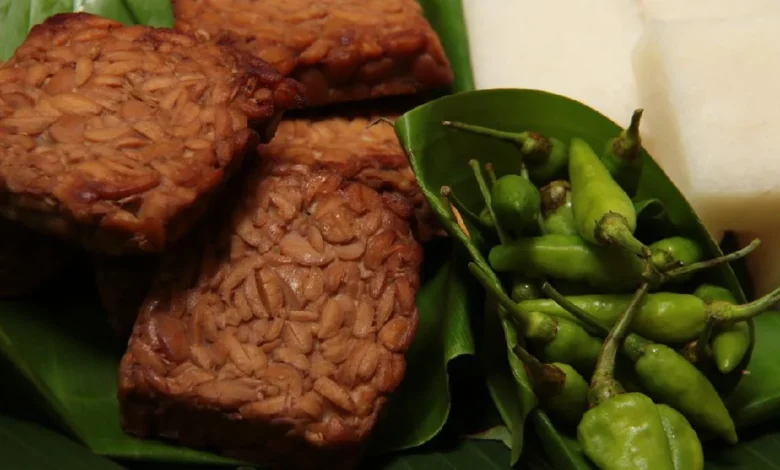
Jakarta, Indonesia – Tempe bacem, a quintessential dish hailing from the heart of Java, stands as a testament to Indonesia’s rich culinary traditions, celebrated for its distinctive sweet and savory flavor profile. This iconic preparation transforms humble tempeh into a deeply aromatic and tender delicacy through a meticulous slow-cooking process, historically known as ungkep, which involves infusing it with a blend of ground coriander, palm sugar, and crucially, coconut water. More than just a simple side dish, tempe bacem embodies a significant cultural narrative, reflecting Javanese ingenuity in transforming basic ingredients into a beloved culinary staple.
The preparation of tempe bacem is an art passed down through generations, rooted in the principles of flavor concentration and tenderization. At its core, the baceman technique refers to a method of marinating and slow-cooking ingredients until they are deeply flavored and tender, often culminating in a brief frying stage to enhance texture and aroma. While tempe bacem is perhaps the most famous iteration, the baceman method is broadly applied to other ingredients like tofu (tahu bacem), eggs, and even chicken, showcasing its versatility within Javanese gastronomy. The resulting dish is not merely food but a comfort, frequently served alongside steamed white rice, a variety of sambals, and fresh vegetables, or enjoyed on its own as a wholesome snack, sometimes paired with sticky rice cakes known as jadah ketan.
The Genesis of Bacem: A Culinary Chronicle
The history of tempe bacem, and indeed the broader baceman tradition, is intertwined with the agricultural and cultural landscape of Java. Tempeh itself boasts a venerable lineage, believed to have originated in Central or East Java centuries ago. As a fermented soybean product, tempeh emerged as an ingenious method of preserving soybeans and enhancing their nutritional value, becoming a primary source of protein for local communities. The bacem technique likely developed as a practical means of flavoring and preserving these staple ingredients, particularly in an era before widespread refrigeration. The use of palm sugar, a readily available sweetener from coconut or palm trees, combined with aromatic spices, created a distinctive flavor profile that became synonymous with Javanese cuisine.
Over time, the preparation evolved from a purely utilitarian practice to a culinary art form, with specific recipes and techniques being refined. The ungkep method, characterized by simmering ingredients in a flavorful liquid until it reduces and is fully absorbed, is central to this tradition. This slow-cooking process ensures that the tempeh becomes incredibly tender and fully saturated with the sweet-savory marinade, a hallmark of authentic bacem. While precise timelines are difficult to pinpoint, culinary historians suggest that the baceman tradition gained prominence during the Mataram Kingdom era and continued to flourish, becoming an integral part of daily meals and special occasions across Java.
Key Ingredients and the Science of Flavor Infusion
The seemingly simple ingredient list for tempe bacem belies the complex interplay of flavors and textures it produces. The foundation of the marinade typically includes:
- Tempeh: The star ingredient, a fermented soybean cake renowned for its firm texture and earthy, nutty flavor. Its porous nature makes it an excellent canvas for absorbing marinades.
- Palm Sugar (Gula Jawa): This unrefined sugar, derived from the sap of palm trees, imparts a deep caramel sweetness and a subtle molasses-like flavor that is distinct from granulated white sugar. It is crucial for the characteristic dark hue and sweet profile of bacem.
- Coriander (Ketumbar): Ground coriander seeds provide an earthy, citrusy, and slightly peppery note, balancing the sweetness of the palm sugar and adding depth to the overall flavor.
- Coconut Water: This is a critical component that often sets authentic bacem apart. Beyond simply acting as a cooking liquid, coconut water contributes a natural sweetness, a subtle richness, and aids in tenderizing the tempeh due to its enzymatic properties. It also helps in achieving a glossy finish on the cooked tempeh.
- Aromatic Spices: A blend of aromatic roots and leaves typically includes galangal (lengkuas), lemongrass (serai), bay leaves (daun salam), and sometimes tamarind for a hint of tanginess. These spices contribute layers of fragrant complexity, enhancing the overall sensory experience.
- Garlic and Shallots: Essential aromatics that form the base of many Indonesian spice pastes, providing savory depth.
The ungkep process itself is a slow simmer that allows the tempeh to gradually absorb the marinade. The liquid reduces over time, concentrating the flavors and allowing the palm sugar to caramelize slightly onto the tempeh’s surface. This low-and-slow approach ensures even flavor distribution and tenderization without disintegrating the tempeh. The final brief fry or grill after simmering helps to develop a slight crispness on the exterior and further enhances the caramelized notes, making the tempeh bacem irresistibly appealing.
Tempeh: A Global Superfood with Javanese Roots
While tempe bacem showcases tempeh in a traditional Javanese context, tempeh itself has garnered international recognition as a versatile and highly nutritious plant-based protein. Originating in Indonesia, tempeh is made by fermenting whole soybeans with a starter culture, primarily Rhizopus oligosporus. This fermentation process binds the soybeans into a compact cake, significantly enhancing its nutritional profile.
Nutritionally, tempeh is a powerhouse. A typical 100-gram serving provides approximately 19-20 grams of protein, making it an excellent alternative to meat. Furthermore, the fermentation process makes the nutrients in tempeh more bioavailable and can produce vitamin B12, a nutrient often lacking in vegetarian and vegan diets, although B12 content can vary. It is also rich in dietary fiber, prebiotics, and minerals such as iron, magnesium, and calcium. The fermentation also breaks down phytic acid, an antinutrient found in soybeans, which improves mineral absorption.
The global rise of plant-based diets and increasing awareness of sustainable food sources have propelled tempeh into the spotlight. Its firm texture, ability to absorb flavors, and substantial nutritional benefits make it a favorite among chefs and home cooks worldwide. From stir-fries and burgers to salads and curries, tempeh has proven its adaptability across diverse culinary traditions. However, for many, its purest and most authentic expression remains in traditional Indonesian preparations like tempe bacem, which highlights its inherent qualities without overshadowing them.
Beyond Tempe: The Versatility of the Baceman Technique
The baceman cooking technique is not confined solely to tempeh. Its principles of slow infusion and tenderization are applied to a variety of other ingredients, creating a diverse range of baceman dishes that are staples in Javanese households:
- Tahu Bacem (Tofu Bacem): Similar to tempe bacem, firm tofu is simmered in the sweet-savory marinade, resulting in tender, flavorful tofu squares that are equally popular.
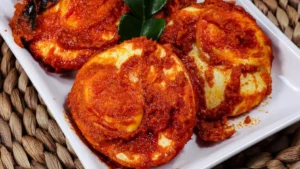
- Telur Bacem (Egg Bacem): Hard-boiled eggs are gently simmered in the baceman liquid, absorbing the rich flavors and developing a beautiful brown hue. These are often served as part of a larger meal or as a convenient snack.
- Ayam Bacem (Chicken Bacem): While less common than the soy-based versions, chicken pieces can also be prepared using the baceman method, yielding exceptionally tender and flavorful chicken that is then typically fried or grilled.
These variations underscore the deep cultural embedding of the baceman method within Javanese culinary practices. It represents a resourceful and flavorful way to prepare everyday ingredients, ensuring that even the simplest components become imbued with rich, complex tastes. The consistency in the core marinade ingredients—palm sugar, coriander, and aromatics—binds these disparate dishes into a cohesive culinary family.
Serving and Culinary Pairings: A Taste of Java
Tempe bacem is incredibly versatile in its serving options. Traditionally, it forms a crucial component of a typical Javanese meal, often presented as one of several side dishes. Its sweet-savory profile provides a delightful contrast to spicier elements like sambal terasi (chili paste with fermented shrimp) or rich curries.
- As a Lauk (Side Dish): Most commonly, tempe bacem is served alongside warm steamed white rice, a protein (such as fried chicken or fish), and fresh or cooked vegetables (lalapan or sayur asem). The combination creates a balanced and satisfying meal.
- As a Snack (Camilan): Its portability and satisfying flavor make it an excellent snack. It can be enjoyed on its own, perhaps with a simple dip, or famously paired with jadah ketan, a chewy, savory sticky rice cake, offering a delightful interplay of textures and flavors.
- Modern Interpretations: In contemporary Indonesian cuisine, tempe bacem finds its way into fusion dishes. It can be diced and added to salads, incorporated into sandwiches or wraps, or even served as an appetizer in upscale restaurants, showcasing its adaptability beyond traditional contexts.
The moderate preparation time of approximately 30 minutes, combined with its relatively easy difficulty level, makes tempe bacem an accessible dish for home cooks. Typically, a batch yields about four servings, making it suitable for family meals or small gatherings. Its regional origin is unequivocally Java, and its culinary category firmly falls under "Tempe," highlighting its foundational ingredient.
Economic and Cultural Resonance
Tempe bacem, along with other traditional Indonesian dishes, plays a significant role in both the local economy and cultural preservation. For many small and medium-sized enterprises (SMEs) in Indonesia, particularly in rural and semi-urban areas of Java, the production of tempeh and the preparation of baceman dishes provide livelihoods. Local tempeh producers, spice vendors, and street food hawkers all contribute to and benefit from the sustained popularity of this dish. This economic chain supports local agriculture and traditional craftsmanship.
Culturally, tempe bacem is more than just food; it is a symbol of Javanese identity and hospitality. It is a dish that evokes nostalgia, often associated with home cooking, family gatherings, and community events. Culinary experts often emphasize its role in maintaining culinary heritage. As one hypothetical culinary historian might articulate, "Tempe bacem is not just a recipe; it’s a living archive of Javanese gastronomic history, encapsulating centuries of resourcefulness, flavor mastery, and cultural expression." Its presence on the menu of warungs (small eateries) and fine dining establishments alike underscores its universal appeal within the Indonesian culinary landscape.
The growing interest in Indonesian cuisine on the global stage also positions tempe bacem as a potential ambassador for culinary tourism. Visitors to Indonesia often seek out authentic local flavors, and tempe bacem offers a delightful and accessible entry point into the richness of Javanese cooking. Promoting such traditional dishes helps to sustain local culinary traditions and fosters a deeper appreciation for Indonesia’s diverse cultural tapestry.
Challenges and Future Outlook
Despite its enduring popularity, the future of tempe bacem, like many traditional dishes, faces certain considerations. The challenge of standardizing recipes while preserving authentic regional nuances is ongoing. While some commercial versions exist, many connoisseurs maintain that the best tempe bacem is homemade, reflecting individualized preferences for sweetness, spice, and tenderness.
However, the inherent sustainability of tempeh production, utilizing readily available soybeans, positions tempe bacem favorably in an increasingly environmentally conscious world. Its plant-based nature also aligns with global health trends and dietary shifts. Innovation within traditional cuisine is also vital; chefs continue to experiment with presentations and pairings, ensuring that tempe bacem remains relevant and exciting for new generations while respecting its venerable heritage.
In conclusion, tempe bacem is far more than a simple dish. It is a culinary emblem of Java, a harmonious blend of sweet and savory, an intricate dance of spices and time-honored cooking methods. From its humble origins as a practical means of sustenance to its current status as a cherished cultural icon and a globally recognized superfood, tempe bacem continues to captivate palates and tell the compelling story of Indonesian culinary ingenuity. Its enduring appeal lies not just in its exquisite taste, but in the rich history, cultural significance, and nutritional prowess it embodies, solidifying its place as a true gem of the archipelago’s gastronomic landscape.