The Drinks Business Green Awards 2026 Opens for Entries and Launches New Green Day Sustainability Forum

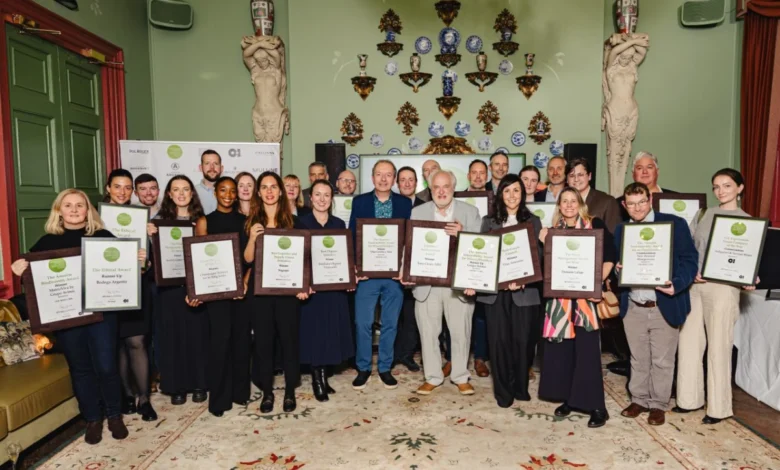
The global beverage industry is entering a critical era of environmental accountability, signaled by the official opening of entries for The Drinks Business Green Awards 2026. This prestigious program, now entering its 17th year, has established itself as the leading international platform for recognizing ecological and ethical excellence within the wine, spirits, and beer sectors. For the 2026 edition, the organizers have announced a significant expansion of the event’s format, transitioning from a standalone ceremony into a comprehensive, one-day sustainability summit titled "Green Day." This evolution reflects the growing complexity of environmental management in the drinks trade and the urgent need for collaborative problem-solving across the global supply chain.
The submission window for the 2026 awards is currently open, with a firm deadline set for September 18, 2026. The culminating event, which will feature both the inaugural Green Day forum and the traditional evening awards gala, is scheduled to take place in London in November 2026. This expansion marks a paradigm shift for the competition, moving beyond the mere celebration of achievements to provide a rigorous platform for education, debate, and the demonstration of practical sustainability solutions.
The Evolution of the Green Awards and the Introduction of Green Day
Since its inception, The Drinks Business Green Awards has sought to highlight the vanguards of environmental stewardship. However, as the climate crisis intensifies and regulatory pressures—such as the European Union’s Corporate Sustainability Reporting Directive (CSRD)—become more stringent, the industry requires more than just accolades. The introduction of Green Day is a direct response to this demand for deeper engagement.
Green Day will serve as a daytime forum designed to dismantle the silos that often exist between producers, retailers, and logistics providers. The program is structured around the "real-world" challenges of implementing green initiatives, moving the conversation away from high-level rhetoric toward actionable strategies. By hosting panel discussions and technical sessions, the forum aims to address the financial, administrative, and logistical hurdles that companies face when attempting to lower their carbon footprints.
New Category Spotlight: Best Co-operative Wine Producer of the Year
A standout feature of the 2026 program is the introduction of a dedicated award: Best Co-operative Wine Producer of the Year. This category acknowledges the unique and often overlooked role that co-operative models play in the global wine landscape. In many regions, particularly across Europe and South America, co-operatives are the backbone of the rural economy, representing thousands of small-scale growers who lack the resources to implement large-scale sustainability programs individually.
The judging criteria for this new award are rigorous. Entrants must demonstrate how their collaborative structure has been leveraged to drive environmental progress that would be unattainable for a single small grower. Judges will look for evidence of excellence in wine quality, innovation in collective resource management, and the strength of support systems provided to members. Furthermore, the award seeks to highlight how the co-operative model fosters community resilience and long-term business stability. By honoring a co-operative, the awards recognize that sustainability is not just an individual pursuit but a collective responsibility that requires social and economic cohesion.
A Comprehensive Agenda for Practical Sustainability
The Green Day forum will feature four primary thematic pillars, each addressing a cornerstone of modern sustainable beverage production:
1. Biodiversity and Soil Health
This session will move beyond the buzzword of "regenerative agriculture" to examine the science of soil. Experts and producers will discuss how reversing habitat loss and promoting microbial life in the vineyard can directly influence the organoleptic qualities of the final product. The discussion will explore whether "tasting the terroir" is inherently linked to the health of the ecosystem and how estates can measure the success of their biodiversity initiatives through quantifiable data.
2. The Landscape of Certification and Reporting
With a proliferation of "green" labels—from B Corp and Demeter to national sustainability standards—producers and consumers alike are facing "certification fatigue." This panel will investigate the financial and administrative burdens these schemes place on businesses. Crucially, it will analyze whether these certifications actually influence consumer purchasing behavior at the shelf or if they primarily serve as a risk-management tool for retailers and distributors.
3. Technology and the Digital Vineyard
Technology is often the missing link in sustainability for smaller producers. This session will explore how collective ownership and co-operative structures can democratize access to expensive high-tech tools. Topics will include the use of vineyard drones for precision viticulture, AI-driven irrigation systems to combat water scarcity, and digital management platforms that streamline the reporting of carbon data.
4. Ethical Labor and Fairtrade Practices
Sustainability is frequently framed through an environmental lens, but the "Social" aspect of ESG (Environmental, Social, and Governance) is equally vital. This panel will examine the complexities of international supply chains, focusing on fair wages, worker safety, and ethical labor practices. As the industry faces increasing scrutiny over its human rights record in developing wine and spirits regions, this session will highlight the producers who are setting new standards for social equity.
Expanded Tasting Program and Professional Engagement
In addition to the intellectual discourse of the forum, Green Day will feature an extensive walk-around tasting program. This segment is designed to bridge the gap between "green" credentials and liquid quality. A dedicated tasting zone will showcase the highest-scoring entries from the Global Green Masters series—a blind-tasting competition where wines are judged both on their environmental pedigree and their sensory excellence.
The tasting will also highlight certified sustainable wines and products from co-operative producers, providing importers, sommeliers, and retailers with a curated selection of products that meet the highest ethical and quality standards. For participating producers, this offers a unique marketing opportunity, supported by online coverage, tasting commentary, and social media promotion through The Drinks Business’s extensive global network.
Benchmarking Success: The Legacy of the 2025 Winners
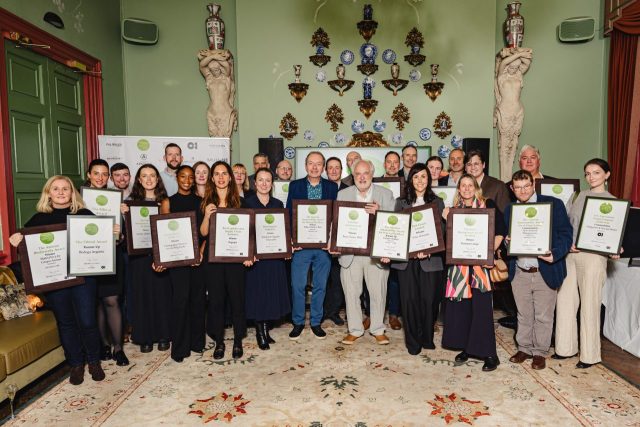
The 2026 awards build upon the momentum generated by the 2025 ceremony, which saw record participation and showcased groundbreaking innovations. Looking back at the 2025 winners provides a blueprint for what the judges expect in the coming year.
Last year, Sogrape was honored for its "Best Logistics and Supply Chain Green Initiative," highlighting the importance of carbon reduction in transportation—a sector often responsible for a significant portion of a bottle’s total footprint. Domaine Bousquet, a pioneer in organic viticulture in Argentina, took home the "Green Company of the Year" title, while The Wine Society was recognized as "Green Retailer of the Year" for its commitment to lightweighting glass and reducing waste in the direct-to-consumer channel.
Individual leadership was also a focal point in 2025. Stephen Cronk of Maison Mirabeau was named "Green Personality of the Year" for his work with the Regenerative Viticulture Foundation. Meanwhile, the "Lifetime Achievement Award" was presented to Tony Cleary MBE, whose decades-long advocacy for bulk shipping and low-carbon packaging has fundamentally altered how wine is moved and sold in the United Kingdom.
The Business Case for Sustainability in 2026
The shift toward a full-day forum reflects a broader trend: sustainability is no longer an optional "add-on" for drinks brands; it is a core commercial strategy. The data from previous award winners suggests that companies investing in environmental improvements often see a direct correlation with improved business performance.
Reducing water and energy consumption directly lowers operational costs, particularly in an era of volatile energy prices. Soil health initiatives lead to more resilient vineyards that can better withstand the extreme weather events—such as droughts and late frosts—associated with climate change. Furthermore, as Gen Z and Millennial consumers increasingly prioritize ethical brands, a transparent and verifiable sustainability story has become a powerful tool for brand differentiation and customer loyalty.
The Drinks Business Green Awards 2026 provides the rigorous third-party validation that companies need to communicate these efforts to a skeptical public. By moving the event to a daytime forum, the organizers are ensuring that the industry does not just celebrate its winners, but learns from them.
Entry Details and Timeline
The call for entries is officially open to all sectors of the drinks industry, including wine, spirits, beer, and cider producers, as well as packaging companies, logistics providers, and retailers.
Key Dates to Remember:
- Entry Deadline: September 18, 2026
- Judging Period: Late September to October 2026
- Green Day Forum & Awards Ceremony: November 2026 (Exact date and London venue to be confirmed)
Prospective entrants are encouraged to provide detailed evidence of their achievements over the past 12 months, including measurable data on carbon reduction, waste management, and social impact. As the industry looks toward the 2026 awards, the focus remains clear: to drive the beverage sector toward a future that is as profitable as it is sustainable.
Related posts: