Golden Rule Redefines the Sports Bar Experience in San Francisco’s Thrive City Through Nostalgic Mixology and Community-Focused Hospitality

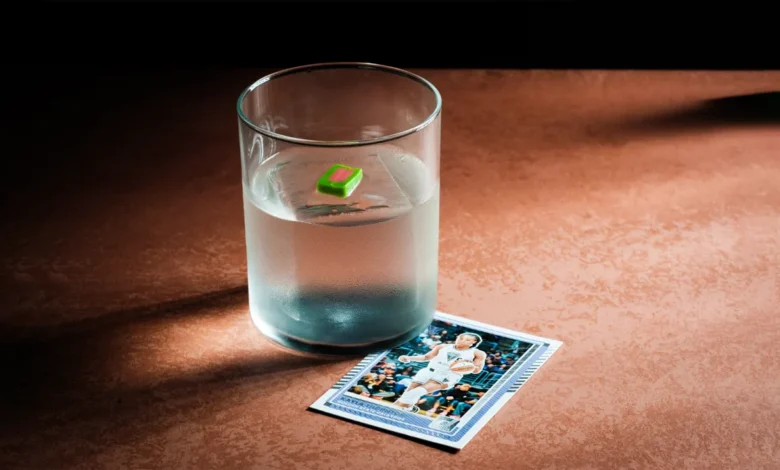
The opening of Golden Rule in San Francisco’s bustling Thrive City marks a significant evolution in the traditional American sports bar concept, blending high-end mixology with a deeply rooted sense of local nostalgia. Developed by Back Home Hospitality—the acclaimed restaurant group behind the award-winning Che Fico—Golden Rule serves as both a neighborhood anchor and a high-energy destination for sports enthusiasts. Located in the shadow of the Chase Center, the home of the Golden State Warriors and the newly established WNBA franchise, the Valkyries, the venue seeks to bridge the gap between elevated culinary standards and the communal, unpretentious atmosphere of a classic sports pub. At the heart of this endeavor is a beverage program that prioritizes playfulness and interactivity, headlined by a cocktail known as the MIP, which utilizes a sophisticated, homemade Hubba Bubba bubblegum mist to evoke the childhood memories of Bay Area sports fans.
The Vision of Back Home Hospitality and Danielle Peters-Clossey
Back Home Hospitality, led by founders David Nayfeld and Matt Brewer, has built a reputation for creating spaces that resonate with San Francisco’s cultural and culinary identity. With Golden Rule, the group aimed to create a "neighborhood spot at heart" that remains functional and vibrant despite its location within a major sports and entertainment complex. To execute this vision, the group turned to bar director Danielle Peters-Clossey, a Bay Area native whose personal history is inextricably linked to the region’s athletic legacy.
Peters-Clossey’s approach to the menu was guided by a desire to infuse the beverage program with "fun, playful, bright, and interactive" elements. Drawing inspiration from her youth—attending San Francisco Giants games at the historic Candlestick Park and witnessing the inaugural season of the Sacramento Monarchs—she sought to create flavors that acted as sensory bridges to the past. This thematic focus extends beyond the drink menu and into the very architecture of the space. Designed by John de la Cruz, the interior of Golden Rule utilizes a color palette inspired by the 1962 Golden State Warriors jerseys, commemorating the team’s first year in the San Francisco Bay Area after relocating from Philadelphia. This historical grounding provides a sophisticated backdrop for a bar that celebrates both the history and the future of Northern California sports.
The MIP Cocktail: A Case Study in Nostalgic Mixology
The standout offering at Golden Rule is the MIP, an acronym for "Most Improved Player." While the title is a standard athletic accolade, Peters-Clossey specifically dedicated the drink to Veronica Burton, a guard for the Valkyries and a recent recipient of the WNBA’s Most Improved Player honors. The cocktail is designed as a reimagining of the White Negroni, a classic bitter-sweet aperitif, but "improved" through the addition of whimsical, fruit-forward elements that recall the experience of chewing bubblegum during youth league sports.
The technical composition of the MIP reflects a high level of craft. The base of the drink consists of Fords Gin, a staple in the cocktail world known for its botanical balance, paired with Catedral de Mi Padre Espadín mezcal. The inclusion of mezcal adds a subtle vegetal smoke that prevents the drink from leaning too heavily into confectionery sweetness. These spirits are complemented by Chareau Aloe Liqueur, which provides notes of cucumber and melon, and Carpano Bianco vermouth, which adds floral and poppy nuances. Salers gentian apéritif introduces the necessary bitterness, while a touch of Awayuki Japanese white strawberry gin enhances the fruity profile.
The defining characteristic of the MIP, however, is the homemade Hubba Bubba tincture. To create this, the bar team macerates the iconic strawberry-watermelon gum in an overproof, neutral spirit for 48 hours. The resulting extract is then "proofed down" and balanced with saline and acid to ensure it functions as a aromatic enhancer rather than a syrupy additive. The tincture is applied via an atomizer, spraying a fine mist over the glass just before it is served to the guest. This technique ensures that the initial olfactory experience is one of pure nostalgia—the unmistakable scent of 1990s-era bubblegum—which then gives way to the complex, spirituous flavors of the cocktail itself.
Chronology of Development and Neighborhood Transformation
The emergence of Golden Rule is a chapter in the broader transformation of San Francisco’s Mission Bay neighborhood. Once an industrial district characterized by rail yards and warehouses, the area has undergone a multi-billion-dollar revitalization over the last two decades. The 2019 opening of the Chase Center was the catalyst for the development of Thrive City, an 11-acre retail and dining plaza designed to be a year-round destination, regardless of whether a game is being played.
Golden Rule’s development timeline coincided with the surge in popularity of the WNBA and the announcement of the Valkyries as an expansion team. Peters-Clossey’s decision to center the beverage program around these themes reflects a strategic alignment with the current cultural zeitgeist. The bar’s opening follows a period of intense experimentation in the beverage lab, where the team worked to balance the "fun" aspects of the menu with the technical precision required by the Back Home Hospitality brand. According to Peters-Clossey, the first batch of the Hubba Bubba tincture was a rare "instant success," capturing the exact aromatic profile she had envisioned on the first attempt.
The Role of Local Sourcing and Community Identity
While the MIP captures the headlines, the rest of the Golden Rule menu reinforces the bar’s commitment to the Northern California region. The beer and wine lists are exclusively comprised of local offerings, showcasing the diversity of the Bay Area’s craft brewing and viticulture scenes. This hyper-local focus serves two purposes: it supports the regional economy and ensures that tourists visiting the Chase Center receive an authentic taste of San Francisco.
The naming conventions of the cocktails further cement this local bond. Drinks like "The Bay" and "The Draymond"—the latter a nod to Warriors veteran Draymond Green—act as conversation starters for patrons. The interactivity of the service is a key component; for instance, the MIP is served with a thin slice of pink and green gum and an authentic WNBA trading card from the previous season. This tactile element transforms a standard drink order into a collectible experience, fostering a deeper connection between the establishment and its guests.
Broader Implications for the Hospitality Industry
The success of Golden Rule suggests a shifting paradigm in the hospitality industry, particularly in the "sports bar" category. Traditionally, sports bars have been defined by a focus on volume over quality, often featuring standardized menus and a lack of aesthetic cohesion. Golden Rule, however, demonstrates that there is a significant market for "elevated" sports bars that prioritize design, mixology, and narrative.
Industry analysts suggest that the "nostalgia-core" trend—where businesses leverage childhood memories to appeal to Millennial and Gen X consumers—is a powerful tool for customer retention. By utilizing a brand like Hubba Bubba in a sophisticated adult context, Golden Rule taps into a collective memory that transcends demographics. Furthermore, the explicit support of women’s sports through the Valkyries and the MIP cocktail reflects a broader shift in sports marketing, where inclusivity and gender equity are becoming central to brand identity.
Internal Culture and the "Team Chemistry" Model
The professional environment at Golden Rule is modeled after the very teams it celebrates. The staff, which includes individuals from various international backgrounds, has utilized the bar’s nostalgic themes as a tool for team building. Discussions regarding childhood sports and regional candy preferences have become a staple of staff meetings, creating a cohesive internal culture that translates to the guest experience.
Peters-Clossey notes that "team chemistry" is as vital to a successful bar as it is to a championship basketball team. The collaborative nature of the beverage program, where bartenders are encouraged to contribute to the iterative process of cocktail development, has resulted in a menu that feels personal and lived-in. This internal alignment ensures that when a guest is surprised by the contrast between the bubblegum scent and the sophisticated flavor of the MIP, the staff is prepared to engage in a meaningful dialogue about the craft behind the glass.
Conclusion: A New Standard for Thrive City
As Thrive City continues to grow as a premier entertainment hub, Golden Rule stands as a testament to the power of thoughtful, narrative-driven hospitality. By combining the technical expertise of Back Home Hospitality with a sincere appreciation for Bay Area sports culture, the venue has created a space that is both a tribute to the past and a blueprint for the future of the neighborhood bar. Whether through the aromatic mist of a Hubba Bubba tincture or the historical resonance of 1960s team colors, Golden Rule provides a sensory experience that reminds patrons that even in a world of high-stakes professional sports, there is always room for a little playfulness.
Related posts: