Beyond the Bloody Mary: The Rise of Savory Tomato Cocktails in Modern Mixology

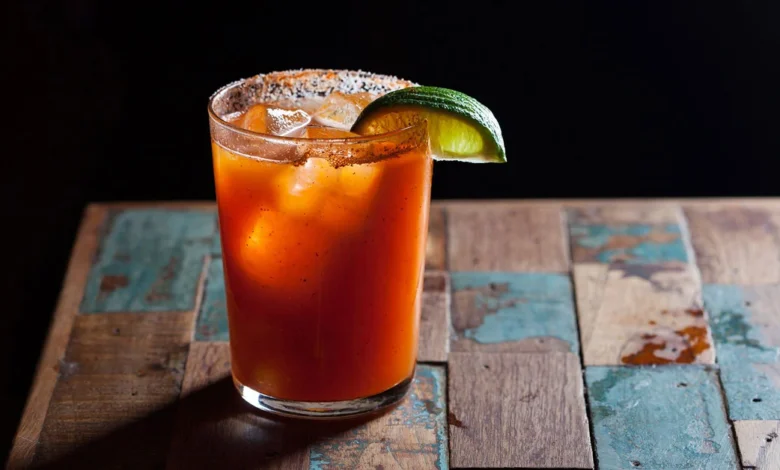
The arrival of the peak summer harvest marks a pivotal moment for the global beverage industry, as bartenders and mixologists move beyond the traditional confines of the Bloody Mary to embrace the tomato as a versatile, sophisticated component in high-end cocktail programs. While the tomato has long been a staple of the brunch menu, a new movement in savory mixology is utilizing the fruit’s natural acidity and deep umami profile to create complex Martinis, refreshing highballs, and innovative spirit-free options. This shift reflects a broader culinary integration within the bar world, where techniques once reserved for the kitchen—such as fermentation, clarification, and the use of savory infusions—are now being applied to the glass to meet a growing consumer demand for less sugary, more gastronomic drinking experiences.
The Evolution of the Savory Profile in Beverage Programs
Historically, the tomato’s presence in the cocktail canon was largely restricted to the Bloody Mary, a drink credited to Fernand Petiot at Harry’s New York Bar in Paris during the 1920s. For decades, the association between tomatoes and alcohol remained tethered to the "hair of the dog" tradition, characterized by thick textures and heavy spice profiles. However, the last decade has seen a dramatic departure from this singular application.
The current "savory revolution" is driven by several factors, including the rise of Mediterranean-style gin, the popularity of the "Dirty Martini," and a general shift toward drier, more complex flavor profiles. In the contemporary bar scene, the tomato is no longer viewed merely as a base for a meal-like beverage; it is treated as a botanical element capable of providing brightness, saltiness, and a rich savory backbone. This evolution is evident in the transition from heavy purees to clarified tomato waters, fermented brines, and even specialized tomato liqueurs, which allow for a more nuanced application in clear, spirit-forward drinks.
Case Studies in Contemporary Tomato Mixology
The modern application of the tomato in cocktails can be categorized into several distinct styles, ranging from the effervescent and refreshing to the deeply savory and complex.
The Modern Highball: The New Crush
The "New Crush" represents the lighter side of tomato mixology. Moving away from the density of juice, this preparation utilizes muddled cherry tomatoes to extract fresh, bright juices without the weight of solids. By pairing these with a cucumber ribbon and a carbonated base, the drink functions as a seasonal highball. This style highlights the "green" notes of the tomato—the herbaceous aroma associated with the vine—which pairs naturally with the botanical profiles of gin and dry vermouth.

The Sophisticated Martini: Flor and Flo.0
The Martini remains the pinnacle of cocktail elegance, and the "Flor and Flo.0" illustrates how the tomato can be integrated into this format. This ultrasavory cocktail is often offered in both full-proof and spirit-free versions, reflecting the industry’s commitment to inclusivity. The use of tomato in a Martini setting often involves tomato water or a savory infusion, providing a "dirty" profile that rivals the traditional olive brine but offers a more complex, garden-fresh finish.
Cultural Hybrids: The Umami Mary
Drawing inspiration from international cuisines, the "Umami Mary" serves as a bridge between the classic Bloody Mary and the flavors of a Korean hot pot. By incorporating ingredients like gochujang, soy sauce, or dashi alongside tomato, bartenders create a drink that functions as a liquid representation of a savory broth. This approach leverages the high glutamate content found naturally in tomatoes, which enhances the perception of other flavors and provides a lingering, satisfying finish.
Reimagining Classics: Two Dylans
The "Two Dylans" demonstrates the tomato’s ability to modernize established cocktail structures like the Whiskey Sour. By introducing tomato and curry leaf into a whiskey-based drink, the fruit acts as a bridge between the oaky notes of the spirit and the aromatic spices. This specific application highlights the tomato’s versatility beyond clear spirits, proving it can stand up to the robustness of aged distillers.

The Science of Umami and Consumer Trends
The increasing popularity of tomato-based drinks is supported by sensory science. Tomatoes are exceptionally rich in free glutamates, the compounds responsible for the "fifth taste" known as umami. When combined with salt and acid—two foundational elements of cocktail balance—umami creates a "mouthwatering" effect that encourages continued sipping.
Market data indicates a significant shift in consumer preferences toward savory flavors. According to recent industry reports, interest in "savory cocktails" has seen a 25% year-over-year increase in search volume and menu mentions. This trend is particularly prevalent among Millennial and Gen Z consumers, who are increasingly prioritizing complex, low-sugar options over traditional sweet or fruit-forward cocktails. The rise of the "Dirty Martini" as a cultural touchstone in 2023 and 2024 has further paved the way for tomato-based variations, as drinkers become more accustomed to saline and vegetal notes in their evening beverages.
Technical Innovations and the "Cheat Code" Liqueur
As the demand for tomato cocktails grows, the industry has responded with technical innovations to ensure consistency and ease of preparation. One of the most significant developments is the emergence of tomato liqueurs. Often referred to by bartenders as a "cheat code," these spirits—such as the artisanal Tomates Liqueur—capture the essence of the fruit through maceration and distillation.

These liqueurs allow for a consistent flavor profile regardless of the season, solving one of the primary challenges of working with fresh produce. Furthermore, they provide a way to introduce tomato flavor into a drink without altering its texture or clarity, a feat that is difficult to achieve with raw juice or puree.
Other technical advancements include:
- Clarification: Using agar-agar or centrifugal force to create "tomato water," a crystal-clear liquid that retains the full flavor and acidity of the tomato.
- Fermentation: Utilizing tomato skins and pulp to create fermented brines or kombuchas, adding a probiotic tang and a deeper funk to the cocktail.
- Dehydration: Creating tomato-based salts and garnishes from dehydrated skins to minimize waste and provide a concentrated burst of flavor.
Regional Variations and Global Influence
The use of tomatoes in alcohol is not a strictly Western phenomenon. In Mexico, the "Vampiro" is a beloved streetside staple in the state of Jalisco. Unlike the Bloody Mary, which is often consumed in the morning, the Vampiro—a mix of tequila, fruit juices, spices, and tomato-based sangrita—is enjoyed throughout the day.

Similarly, the "Michelada" continues to evolve. While the standard version relies on a tomato and clam juice base (Clamato), contemporary versions like "Leyenda’s Michelada," created by renowned bartender Ivy Mix, swap the heavy tomato base for a citrusy, spicy sangrita. This modification reflects a global trend toward lighter, more acidic interpretations of classic tomato drinks.
Sustainability and the "Closed-Loop" Bar
The integration of tomatoes into the bar program also offers significant benefits for sustainability and waste reduction. In many high-volume establishments, the "ugly fruit" movement has taken hold, where tomatoes that are too bruised or misshapen for kitchen presentation are repurposed for the bar.
By using the whole fruit—juicing the meat, fermenting the scraps into brine (as seen in the "High Borghese"), and dehydrating the remains for glass rims—bars can achieve a "closed-loop" system. This not only reduces food waste but also lowers the cost of goods, making the tomato one of the most economically efficient ingredients in a seasonal beverage program.

Broader Implications for the Hospitality Industry
The rise of the savory tomato cocktail is more than a seasonal trend; it is an indicator of the maturing palate of the global consumer. As the line between the kitchen and the bar continues to blur, the expectation for cocktails to provide a gastronomic experience has become the new standard.
For bar owners and operators, the successful integration of savory elements like the tomato provides an opportunity to increase check averages through food-and-drink pairings. A tomato-based Martini or highball is a natural companion to a wide array of appetizers, from oysters and seafood to charcuterie and aged cheeses.
As the industry moves forward, the tomato will likely remain a permanent fixture on the backbar, no longer relegated to the brunch menu but celebrated as a versatile, essential component of the modern cocktail repertoire. Whether through a fresh muddle, a fermented brine, or a sophisticated liqueur, the "summer staple" has officially earned its place as a year-round powerhouse in the world of mixology.