Tag American Cuisine Page 4

American Cuisine: A Deep Dive into Regional Flavors and Iconic Dishes on Page 4
Page 4 of our comprehensive exploration into American cuisine delves into a diverse array of regional specialties, showcasing the evolution and enduring appeal of dishes that have become synonymous with the United States. This section focuses on the vibrant food cultures of the American South, the hearty traditions of the Midwest, and the innovative spirit of the Pacific Northwest, highlighting signature ingredients, cooking techniques, and the historical contexts that shaped these culinary landscapes. We will examine iconic dishes from each region, analyzing their components, preparation methods, and the cultural significance they hold. Furthermore, this discussion will touch upon the influence of immigration, agricultural practices, and economic development on the distinct flavors and textures that define American foodways. The aim is to provide an in-depth understanding of the complexity and richness of American cuisine, moving beyond generalized notions to explore the nuanced and often surprising realities of what constitutes "American food."
The American South, a region steeped in a complex history, boasts a culinary heritage deeply intertwined with its agricultural roots, the legacy of slavery, and the influx of various immigrant groups. This region’s cuisine is characterized by its reliance on readily available ingredients, particularly pork, poultry, rice, corn, and a bounty of fresh produce. Barbecue, in its myriad forms, stands as a cornerstone of Southern culinary identity. From the vinegar-based sauces of Eastern North Carolina to the tomato-and-molasses concoctions of Memphis, and the dry rubs of Texas, regional variations in barbecue reflect a history of local preferences and available wood types for smoking. Pulled pork, brisket, and ribs are not merely dishes but cultural touchstones, often served with a side of coleslaw, potato salad, or baked beans. Beyond barbecue, fried chicken holds an almost sacred status. The crisp, golden exterior and juicy, tender interior are achieved through careful brining, dredging in seasoned flour or cornmeal, and precise frying techniques. Other essential Southern staples include shrimp and grits, a dish that has transcended its humble origins to become a beloved brunch and dinner item, typically featuring plump shrimp sautéed with vegetables like bell peppers and onions, served over creamy, stone-ground grits. Cornbread, whether baked in a skillet or as muffins, is an indispensable accompaniment to many Southern meals, its slightly sweet and crumbly texture a perfect foil to savory dishes. Collard greens, often slow-simmered with ham hocks or bacon, offer a deeply flavorful and nutritious vegetable side. Sweet potato pie, with its smooth, spiced filling and flaky crust, is a quintessential Southern dessert, embodying the region’s penchant for comfort food. The influence of African culinary traditions is undeniable, evident in dishes like gumbo, a rich stew originating from Louisiana that often incorporates okra, seafood, sausage, and a flavorful roux, and jambalaya, a vibrant rice dish seasoned with a Creole or Cajun spice blend.
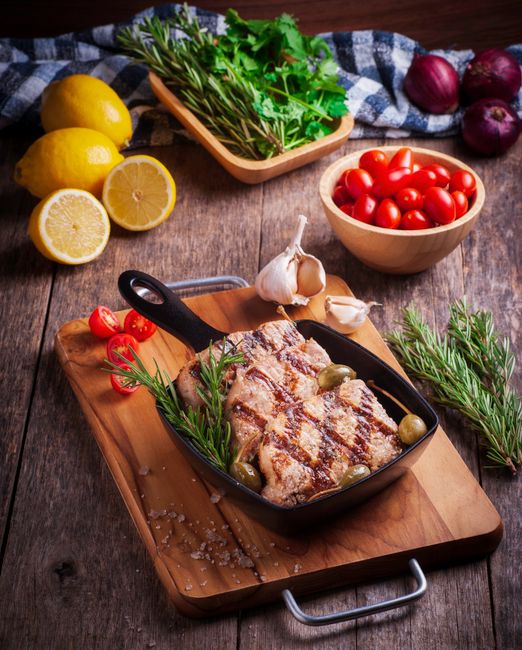
Moving northward, the Midwest, often referred to as America’s breadbasket, presents a culinary narrative shaped by its vast agricultural output, particularly grains like corn and wheat, and its significant dairy production. This region is known for its hearty, unpretentious, and deeply satisfying fare, designed to fuel hard work and robust family gatherings. Casseroles are a hallmark of Midwestern cooking, often featuring a creamy base, a protein (such as ground beef, chicken, or tuna), vegetables, and a crunchy topping, frequently made with crushed potato chips or canned soup. This practicality and resourcefulness define many Midwestern dishes. Chili, though popular nationwide, often takes on a distinct character in the Midwest, sometimes featuring kidney beans and a milder spice profile. The abundance of corn leads to staples like corn on the cob, corn chowder, and creamed corn, all celebrating the sweetness of this versatile grain. Pork is king in many Midwestern states, leading to dishes like pork chops, often pan-fried or baked, and pork tenderloin sandwiches, a Chicago specialty featuring a breaded and fried pork cutlet served on a bun. Pizza, particularly the deep-dish style originating from Chicago, is another iconic Midwestern contribution, characterized by its thick, buttery crust, layers of cheese, sausage, and a robust tomato sauce. The region’s dairy farms contribute to its renowned ice cream and cheese production; cheese curds, a fresh, squeaky cheese, are a popular snack and appetizer, especially in Wisconsin. Pot roasts, slow-cooked beef with root vegetables like carrots, potatoes, and onions, exemplify the comforting and economical nature of Midwestern home cooking. Meatloaf, a mixture of ground meat, breadcrumbs, and seasonings, baked and often topped with a ketchup glaze, is another perennial favorite. The emphasis in Midwestern cuisine is on simple, well-executed dishes that provide sustenance and comfort, reflecting the pragmatic and community-oriented spirit of its inhabitants.
The Pacific Northwest, encompassing states like Washington, Oregon, and Idaho, offers a distinct culinary identity shaped by its abundant natural resources, particularly its proximity to the Pacific Ocean, its fertile agricultural valleys, and its vibrant coffee culture. Seafood, unsurprisingly, plays a starring role. Salmon, in its many varieties, is a culinary icon, prepared through grilling, baking, poaching, or smoking, and is often served with fresh herbs and lemon. The region is also a major producer of oysters, clams, mussels, and Dungeness crab, all celebrated for their freshness and delicate flavor. Beyond seafood, the fertile valleys of the Pacific Northwest yield an impressive array of produce, including berries (strawberries, blueberries, raspberries), apples, cherries, and a wide variety of vegetables. This bounty inspires dishes that highlight the natural flavors of the ingredients, often with a focus on lighter, fresher preparations. Farm-to-table dining is deeply ingrained in the culinary philosophy of the Pacific Northwest, with restaurants and home cooks alike prioritizing locally sourced, seasonal ingredients. Coffee culture is a powerful force, with artisanal coffee shops and roasters flourishing, influencing everything from breakfast pastries to sophisticated desserts. The region’s wine and craft beer scenes are also highly developed, with local beverages often paired with regional dishes. For those seeking hearty fare, the influence of lumberjack traditions can be seen in dishes like the "Lumberjack Breakfast," often featuring pancakes, eggs, bacon, and sausages. Huckleberry pie and other berry-based desserts are popular treats, showcasing the region’s abundant wild berries. The culinary landscape of the Pacific Northwest is characterized by its emphasis on freshness, seasonality, and a harmonious blend of natural bounty with innovative culinary approaches.
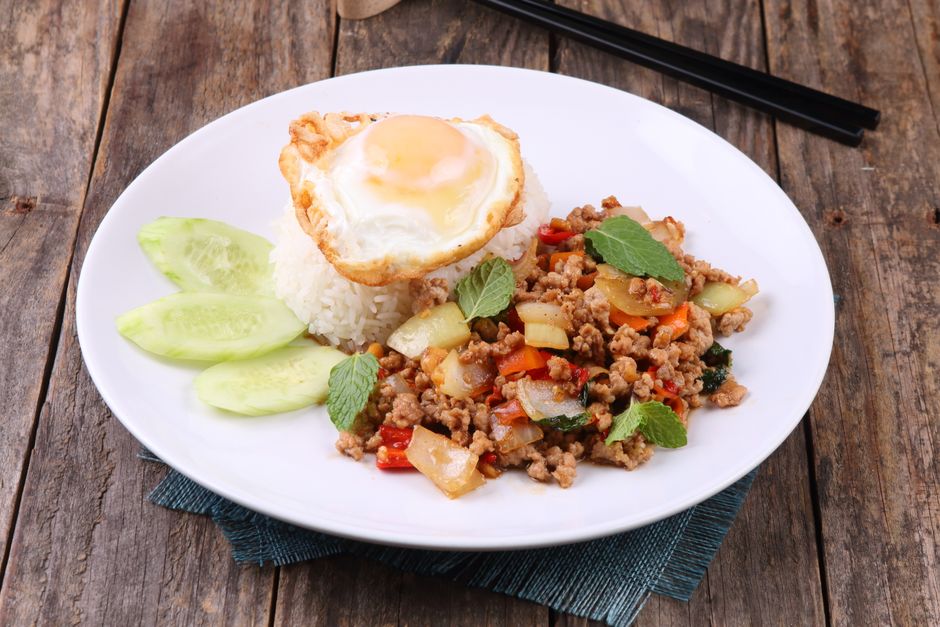
The influence of immigrant cuisines on American food is a narrative that spans centuries and continues to shape the nation’s palate. Early European settlers brought their culinary traditions, but it was the waves of immigration in the 19th and 20th centuries that truly diversified and enriched American cuisine. German immigrants introduced sausages, pretzels, and beer-hall culture. Irish immigrants brought stews and the tradition of baking soda bread. Italian immigrants, in particular, had a profound impact, popularizing pasta, pizza, and a host of regional specialties that have become deeply embedded in the American diet. Chinese immigrants introduced stir-fries, noodles, and the concept of takeout, fundamentally altering how many Americans consume food. Eastern European Jews contributed dishes like bagels, lox, and matzah ball soup. Mexican immigrants have brought a vibrant and complex culinary heritage, with tacos, burritos, enchiladas, and a wide array of salsas and moles becoming national favorites. Vietnamese cuisine, with its fragrant pho and banh mi, and Thai cuisine, with its complex curries and spicy salads, have also gained significant popularity. The fusion of these distinct culinary traditions has led to uniquely American dishes and culinary trends, demonstrating a constant process of adaptation and innovation. This ongoing exchange between cultures is what makes American cuisine so dynamic and ever-evolving, a testament to the nation’s status as a melting pot of global flavors.
In examining the landscape of American cuisine on "page 4," we see a rich tapestry woven from regional specialties, historical influences, and the continuous evolution of culinary practices. From the soulful flavors of the South to the robust comfort of the Midwest and the fresh, vibrant offerings of the Pacific Northwest, each region contributes a unique chapter to the American food story. The enduring appeal of these dishes lies not only in their deliciousness but also in their connection to heritage, community, and the land. As we continue to explore the vast and varied world of American cuisine, it is clear that its strength lies in its diversity, its adaptability, and its unwavering ability to satisfy and inspire. The ongoing contributions of immigrant communities further enrich this culinary mosaic, ensuring that American food remains a dynamic and exciting field of exploration for generations to come. The dishes and traditions discussed on this page serve as compelling examples of the depth and breadth of what defines the American table, a testament to the nation’s diverse cultural heritage and its capacity for culinary creativity.