Mediterranean Food for Beginners: Start With One Meal, Not a Whole New Pantry

By Mediterranean Living
Updated July 24, 2026
Embarking on a journey to adopt the Mediterranean diet often conjures images of an overwhelming overhaul of one’s kitchen and pantry. Visions of unfamiliar grains, prohibitively expensive fish, an arsenal of exotic spices, and a complete overhaul of culinary staples can deter even the most motivated individuals. However, the essence of Mediterranean eating is far more accessible, beginning not with a wholesale transformation, but with the strategic integration of a few key ingredients into everyday meals.
The beauty of Mediterranean cuisine lies in its elegant simplicity, where a handful of versatile foods are utilized repeatedly to create a spectrum of delicious and nutritious dishes. Olive oil, a cornerstone of this dietary pattern, transitions seamlessly from a salad dressing to a cooking fat and a finishing sauce. Garlic, a potent flavor enhancer, elevates vegetables, beans, bread, and fish alike. Yogurt, a staple in many Mediterranean cultures, serves as a breakfast base, a refreshing snack, or a creamy component of dressings. Even a humble can of beans can be the genesis of a hearty soup, a vibrant salad, or a satisfying dip.
Instead of overwhelming beginners with an extensive shopping list, this guide focuses on ten foundational foods that can effortlessly form the basis of a single, satisfying meal. This introductory meal is designed to showcase the breadth of the Mediterranean diet, encompassing healthy fats, plant-based proteins, whole grains, lean protein, fresh herbs, fermented dairy, nutrient-rich greens, fruits, and nuts, all harmonized by bold, natural flavors. The aim is to present a culinary experience that feels abundant and energizing, rather than restrictive. This approach underscores the core principle of Mediterranean food: the harmonious synergy of simple, high-quality ingredients.
The proposed meal serves as a practical blueprint, not a rigid mandate. Its components can be introduced incrementally, allowing individuals to adapt the Mediterranean eating style to their existing routines and preferences. One might begin by incorporating a simple bean dip with whole grain bread, followed by a salmon salad on another evening, and a yogurt bowl for breakfast. The ultimate goal is not immediate perfection, but rather a gradual and enjoyable evolution towards a more Mediterranean way of eating, starting with making just one meal a little more aligned with its principles.
One Beginner Mediterranean Meal That Uses All Ten Foods
To illustrate the accessibility and versatility of Mediterranean cuisine for newcomers, consider a single, well-rounded meal that incorporates ten essential food groups. This meal demonstrates how common, readily available ingredients can be combined to create a dish that is both nourishing and delightful.
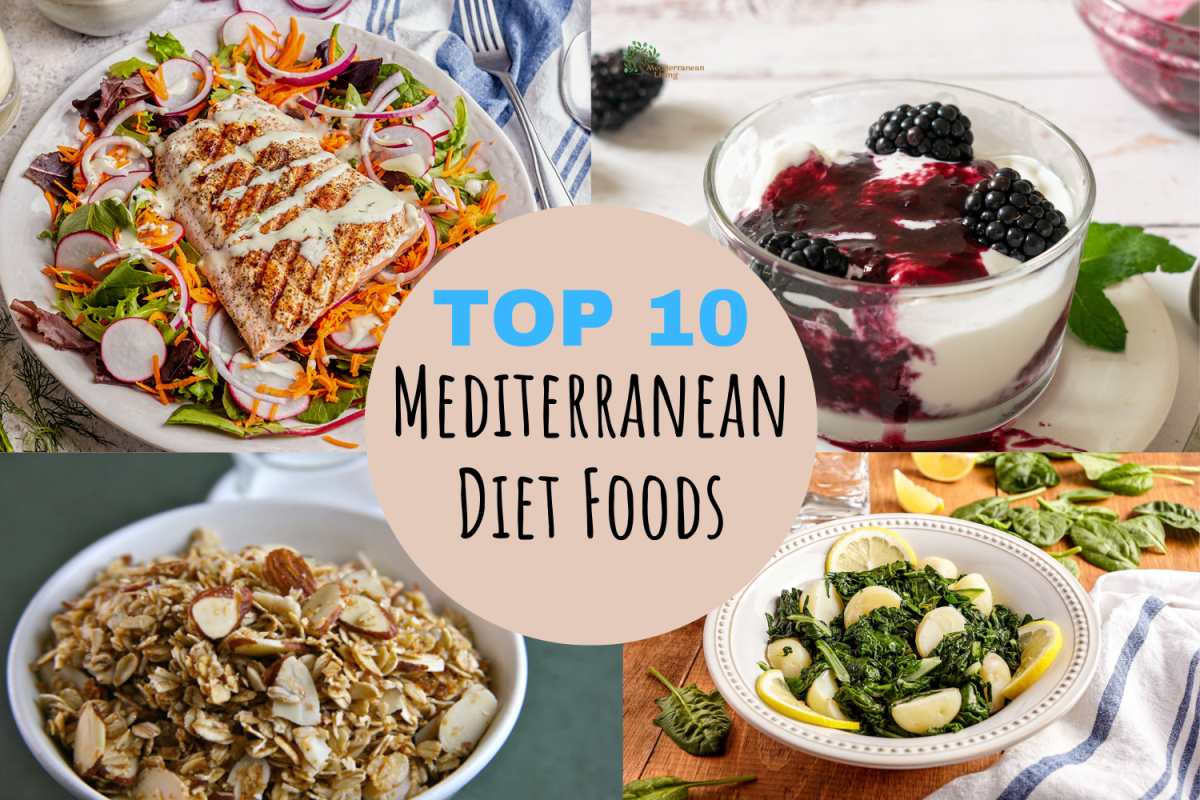
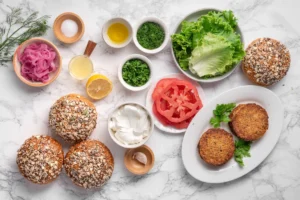
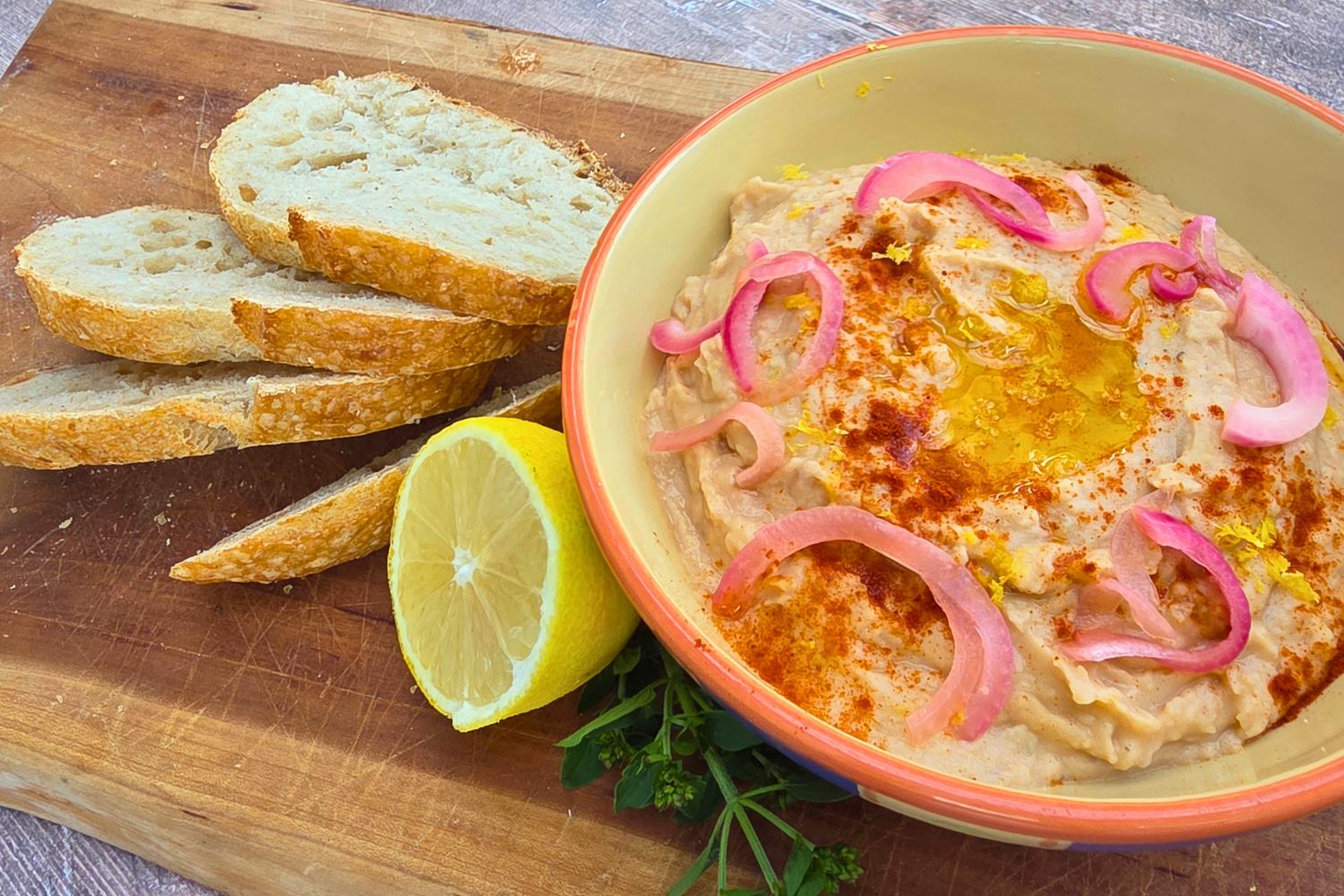
The culinary experience begins with a few cloves of garlic, gently roasted in extra virgin olive oil until they become soft, sweet, and spreadable. This aromatic garlic can be spread directly onto a slice of hearty, whole grain sourdough bread, or mashed into the olive oil for a simple, flavorful dip. Complementing this is a bowl of creamy white bean dip, perhaps topped with a sprinkle of tangy pickled red onions. The beans provide a substantial base, while the onions add a bright, acidic counterpoint and a satisfying crunch.
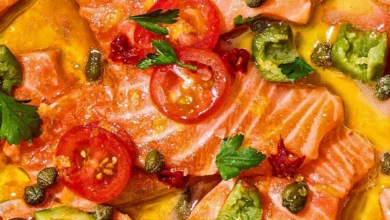
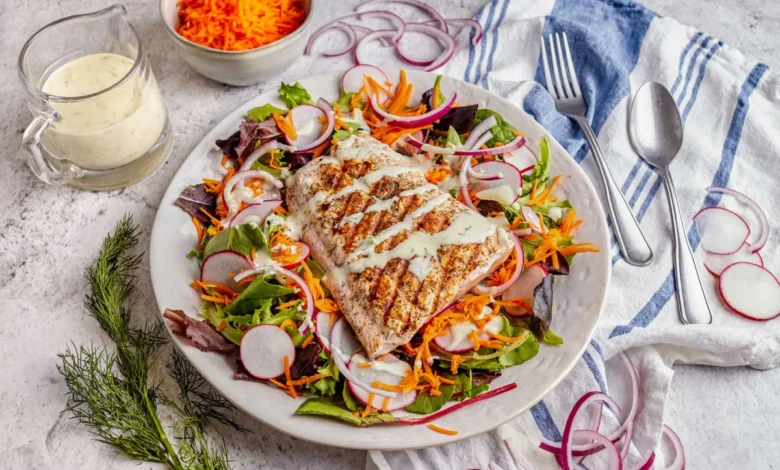
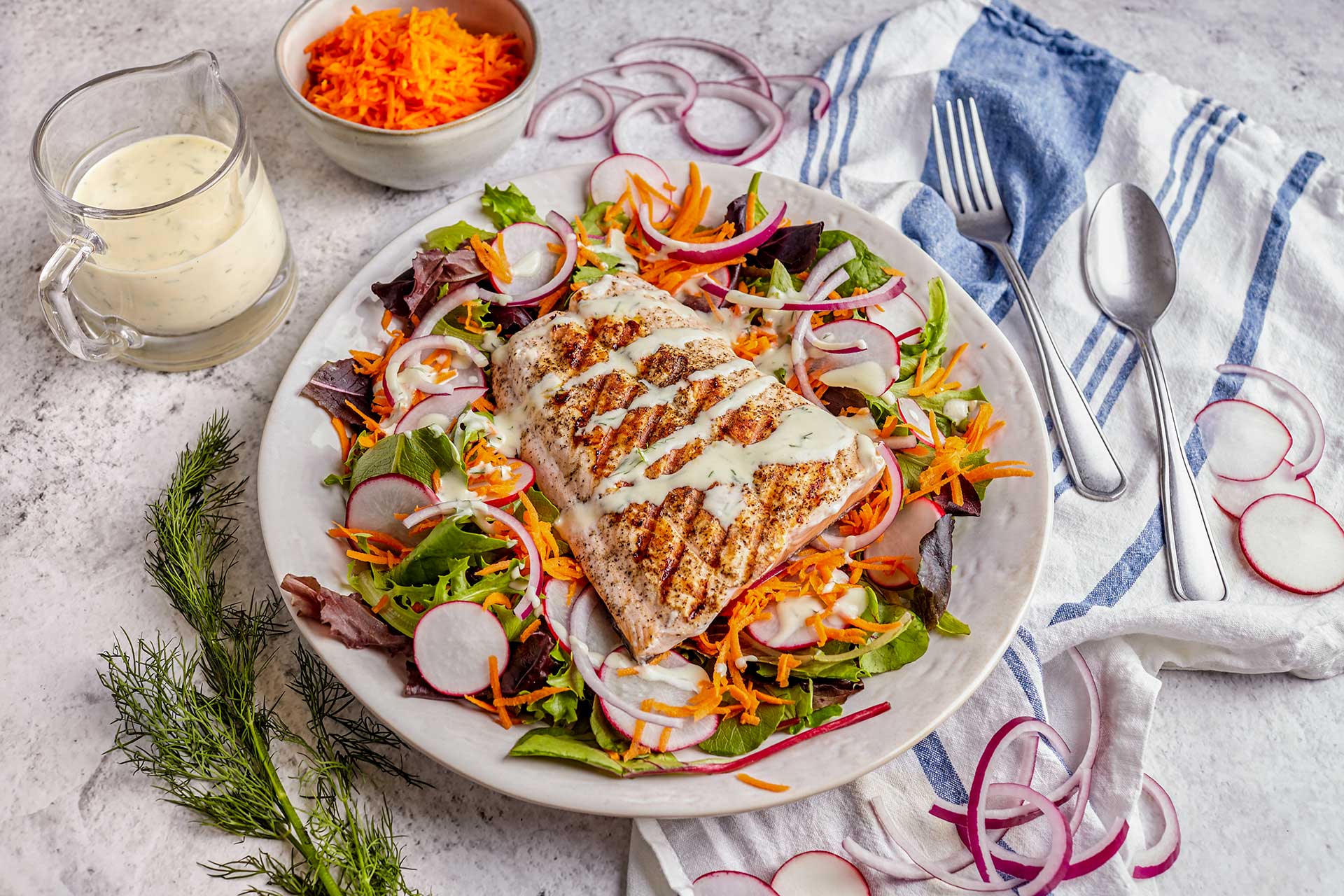
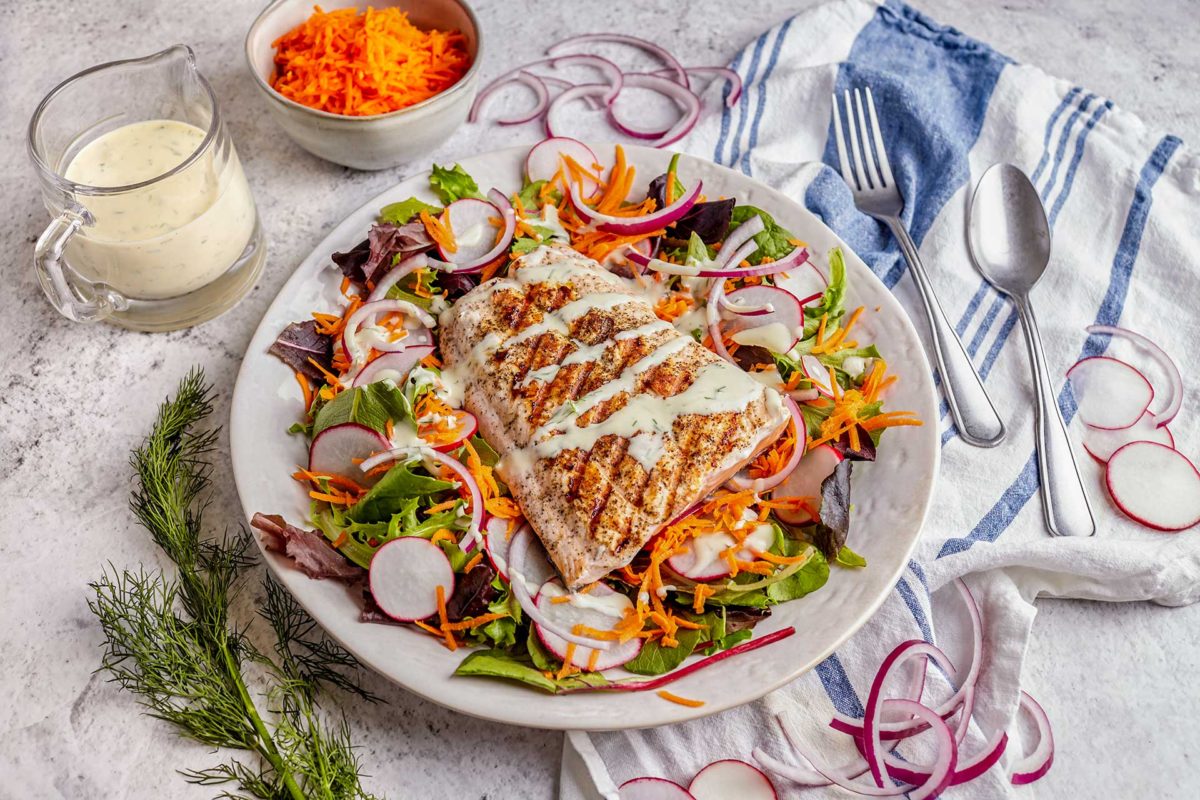
The main course features grilled salmon, served atop a bed of fresh, leafy greens. The salad is further enhanced with the addition of crisp cucumber, shredded carrots, and thinly sliced radishes, offering a variety of textures and colors. A luscious dressing, crafted from Greek yogurt, fresh dill, lemon juice, and a touch of olive oil, ties all the elements of the salad together with a refreshing tang.
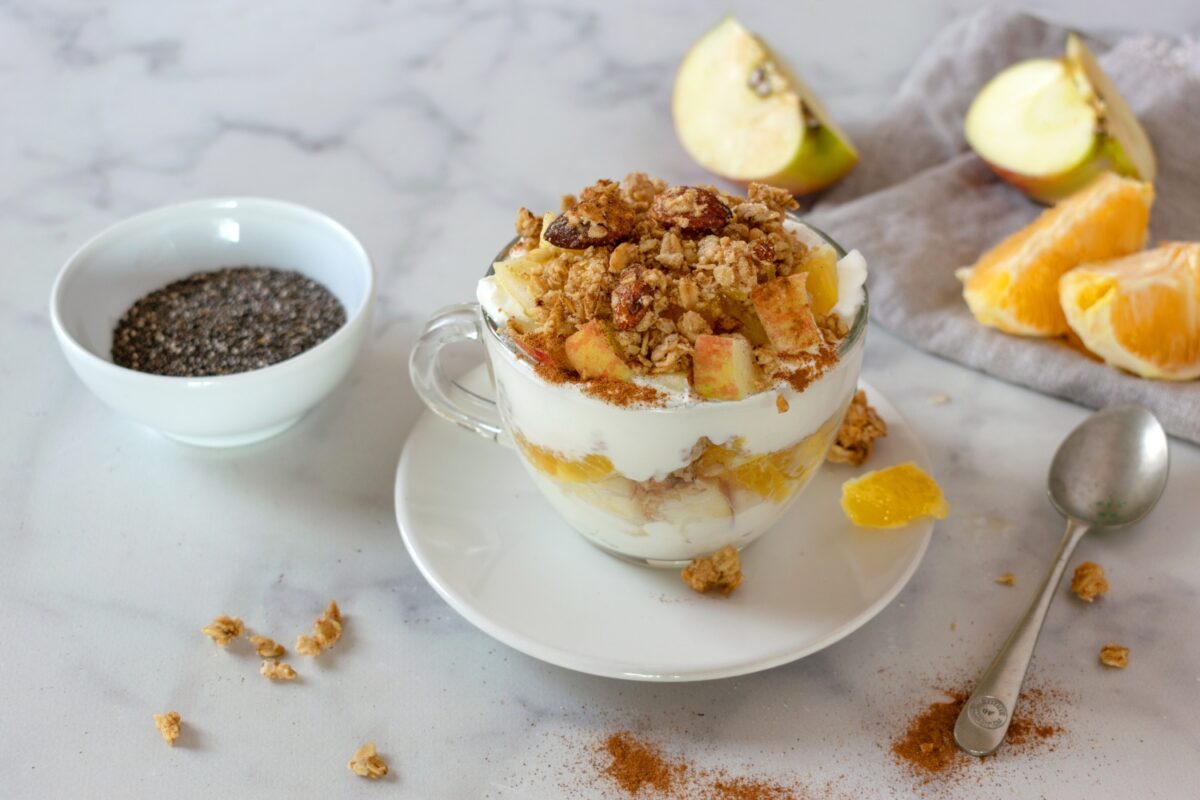
The meal concludes with a simple yet elegant dessert: Greek yogurt, adorned with a medley of fresh berries and a scattering of crunchy walnuts. This final course provides a light sweetness and textural contrast, leaving a sense of satisfaction without heaviness.
Crucially, every component of this meal is designed to be approachable and achievable using ingredients found in most standard grocery stores. Several elements can even be prepared using convenient options like canned goods, frozen produce, or items readily available in the refrigerator. The combined effect is a visually appealing and palate-pleasing meal that offers a diverse array of textures, flavors, and nutritional benefits.
This comprehensive meal serves as a powerful illustration for beginners. It moves beyond the concept of isolated "superfoods" and instead highlights a flexible and adaptable eating pattern. Beans, when paired with olive oil and garlic, transform into a more appealing and flavorful dish. Leafy greens become more inviting when dressed with herbs and a creamy yogurt sauce. Whole grain bread elevates a simple dip into a satisfying meal component. And fruit paired with nuts provides a wholesome and naturally sweet conclusion.
Two Recipes That Make the Meal Easy
To facilitate the adoption of this Mediterranean-inspired meal, two foundational recipes are particularly effective. These recipes are designed for both flavor and efficiency, demonstrating how simple ingredients can be transformed into delicious dishes with minimal effort.
The "White Bean Dip with Pickled Red Onions" is a prime example. This recipe leverages the convenience of canned cannellini beans, infusing them with the brightness of lemon, the warmth of smoked paprika, and the richness of olive oil. The addition of quick-pickled red onions provides a zesty counterpoint, elevating the dip from a simple spread to a complex flavor experience. Its rapid preparation time, thanks to the use of canned beans, makes it suitable as a snack, appetizer, or a substantial component of a full meal.
Complementing the dip is the "Grilled Salmon Salad with Yogurt Dill Dressing." This dish artfully combines the nutritional benefits of salmon with the freshness of mixed greens and an assortment of crisp vegetables like cucumber and radish. The star of this dish, however, is the creamy yogurt-dill dressing, which brings together Greek yogurt, fresh dill, lemon, and olive oil. This dressing not only enhances the flavor of the salmon and vegetables but also exemplifies how several core Mediterranean staples can converge into a practical and satisfying main course.
These recipes can be prepared together for a shared meal or utilized independently as building blocks for various occasions. For those with busy schedules, a high-quality store-bought bean dip can serve as a convenient alternative. Similarly, salmon can be efficiently cooked in a skillet or air fryer, offering flexibility beyond grilling. Utilizing frozen berries when fresh ones are out of season is another practical adaptation that aligns with the principles of Mediterranean eating, emphasizing that healthy eating should integrate seamlessly into real life.
What Is Mediterranean Food?
The term "Mediterranean food" encompasses the diverse culinary traditions of the countries and regions bordering the Mediterranean Sea. This vast geographical area includes nations such as Greece, Italy, Spain, southern France, Turkey, Lebanon, Morocco, and Croatia, among others. It is important to recognize that there is no single, monolithic "Mediterranean cuisine." The culinary landscape is rich and varied, with distinct regional differences in herbs, grains, cooking techniques, and favored dishes.
Despite this regional diversity, many traditional Mediterranean food patterns share a common foundation. This foundation is characterized by a prominent presence of vegetables, beans, fruits, whole grains, herbs, olive oil, nuts, and seeds. In coastal areas, fish and seafood are naturally abundant and frequently consumed. Yogurt and cheese are incorporated in moderate amounts, contributing to the nutritional profile of meals. While meat may be part of the diet, it typically plays a less central role compared to plant-based foods and fish. Furthermore, meals are deeply influenced by seasonality, local agricultural practices, cherished family traditions, and the profound cultural importance placed on the pleasure of shared dining experiences.
This emphasis on enjoyment and communal eating is a critical aspect of the Mediterranean approach. Healthy Mediterranean food is not merely a checklist of nutrient requirements; it is an integrated lifestyle where flavor, satisfaction, and consistency are paramount. Vegetables, for instance, are more likely to be embraced when prepared in ways that enhance their natural appeal, such as roasting with olive oil, seasoning with garlic, and finishing with fresh herbs and lemon.
It is also a common misconception that Mediterranean food is inherently low in carbohydrates, low in fat, strictly vegetarian, or overly complicated. Bread, pasta, rice, and potatoes can all feature prominently in a Mediterranean diet. Olive oil and nuts provide generous amounts of healthy monounsaturated and polyunsaturated fats. Protein sources include fish, beans, yogurt, eggs, poultry, and, in moderation, meat.
For individuals new to this dietary pattern, the most accessible definition is this: Mediterranean food is a plant-forward way of eating that utilizes simple, high-quality ingredients, healthy fats, and vibrant natural flavors to create meals that are both nourishing and deeply satisfying.
Ten Foundational Foods for Mediterranean Eating
To demystify Mediterranean cuisine for beginners, focusing on a core set of versatile ingredients is key. These ten foods, when understood and utilized effectively, can form the bedrock of a healthy and enjoyable Mediterranean eating pattern.
1. Extra Virgin Olive Oil
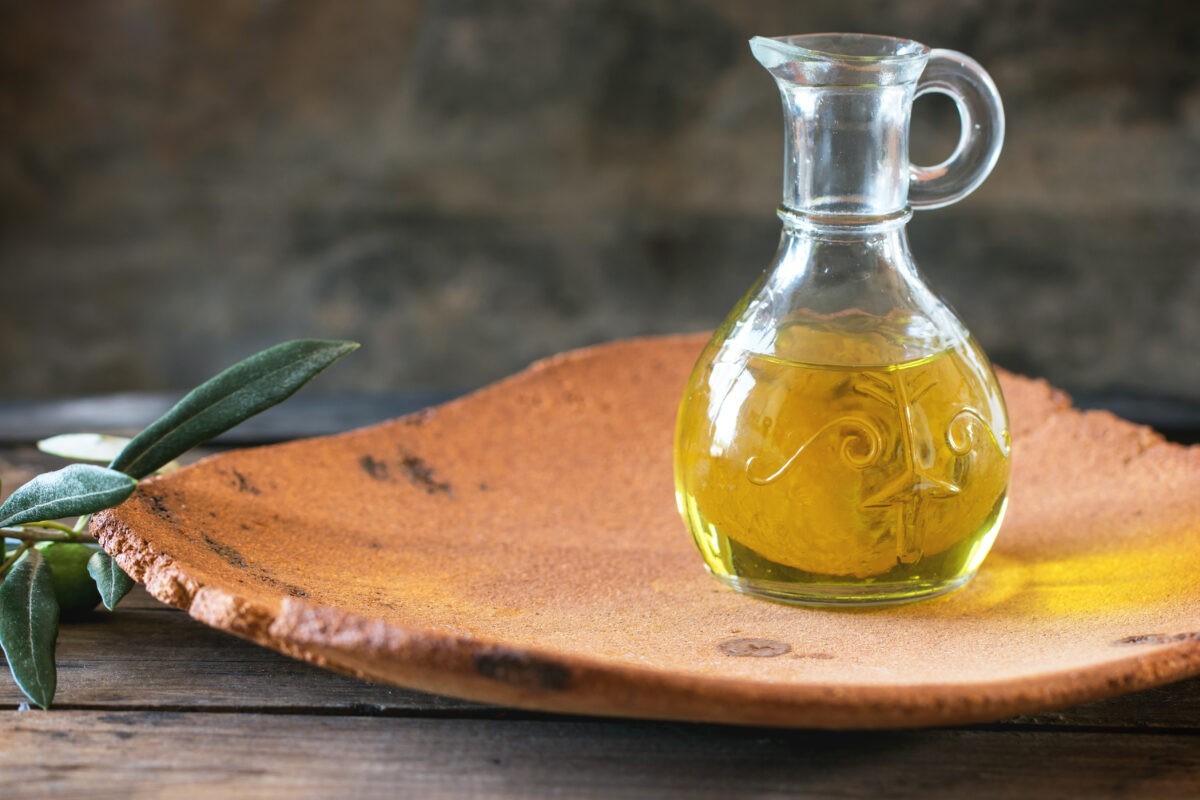
Extra virgin olive oil is arguably the most iconic element of Mediterranean cuisine. In traditional kitchens, it is not reserved for special occasions; it is a daily workhorse used for cooking vegetables, dressing beans and grains, finishing soups, marinating fish, and adding a final touch of flavor to bread.
Why it belongs in Mediterranean food: Extra virgin olive oil is primarily composed of monounsaturated fats, renowned for their cardiovascular benefits. It also contains beneficial plant compounds that contribute to its distinctive peppery or slightly bitter taste. Extensive research, including landmark studies like the PREDIMED trial, has linked diets rich in extra virgin olive oil to improved heart health, longevity, and healthy aging. However, its true power lies in its ability to enhance the flavor and palatability of other healthy foods. A simple bowl of greens becomes more satisfying with a drizzle of olive oil and a squeeze of lemon. Beans gain a richer, more robust flavor profile. Roasted vegetables achieve a beautiful golden-brown hue when lightly coated in olive oil.
How beginners can use it: Adopt extra virgin olive oil as your primary cooking fat for salad dressings, sautéing over moderate heat, roasting, and as a finishing oil for cooked dishes. In the featured beginner meal, it’s used to roast garlic until sweet and tender, and the infused oil can be drizzled over bread or mixed into the white bean dip. Beginners should opt for extra virgin olive oil stored in dark bottles or tins, check the harvest or best-by date, and purchase sizes that can be consumed while the oil remains fresh.
Beginner takeaway: Keep extra virgin olive oil visible and use it liberally to enhance the taste of vegetables, beans, whole grains, and fish.
2. Garlic
Garlic is a ubiquitous ingredient across Mediterranean culinary traditions, appearing in sauces, soups, marinades, vegetable preparations, bean dishes, and seafood recipes. Its flavor profile can range from sharp and pungent when raw to sweet and mellow when slow-cooked.
Why it belongs in Mediterranean food: Garlic imparts significant flavor without necessitating heavy sauces, excessive salt, or processed ingredients, making it a practical and flavorful addition to healthy meals. Its ability to make healthy food more exciting encourages repeat consumption. Research suggests potential benefits for blood pressure and cholesterol levels, though garlic’s primary value lies in its contribution to an overall balanced diet rich in vegetables, legumes, whole grains, herbs, and healthy fats.
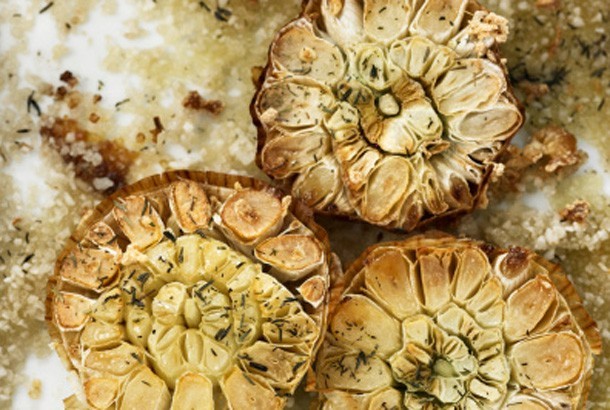
How beginners can use it: Begin by mincing a clove of garlic and adding it to olive oil before sautéing greens, beans, or vegetables, ensuring the heat remains moderate to prevent burning. Grated garlic can be whisked into yogurt dressings, or a cut clove can be rubbed over toasted sourdough for a subtle flavor infusion. For a milder taste, roast a whole head of garlic: trim off the top, drizzle with olive oil, wrap loosely in foil, and bake until cloves are soft. The roasted garlic from the featured meal can be spread on bread or stirred into bean dip.
Beginner takeaway: Master one garlic preparation technique—minced, grated, or roasted—and use it to add depth of flavor to familiar dishes.
3. Beans and Other Legumes
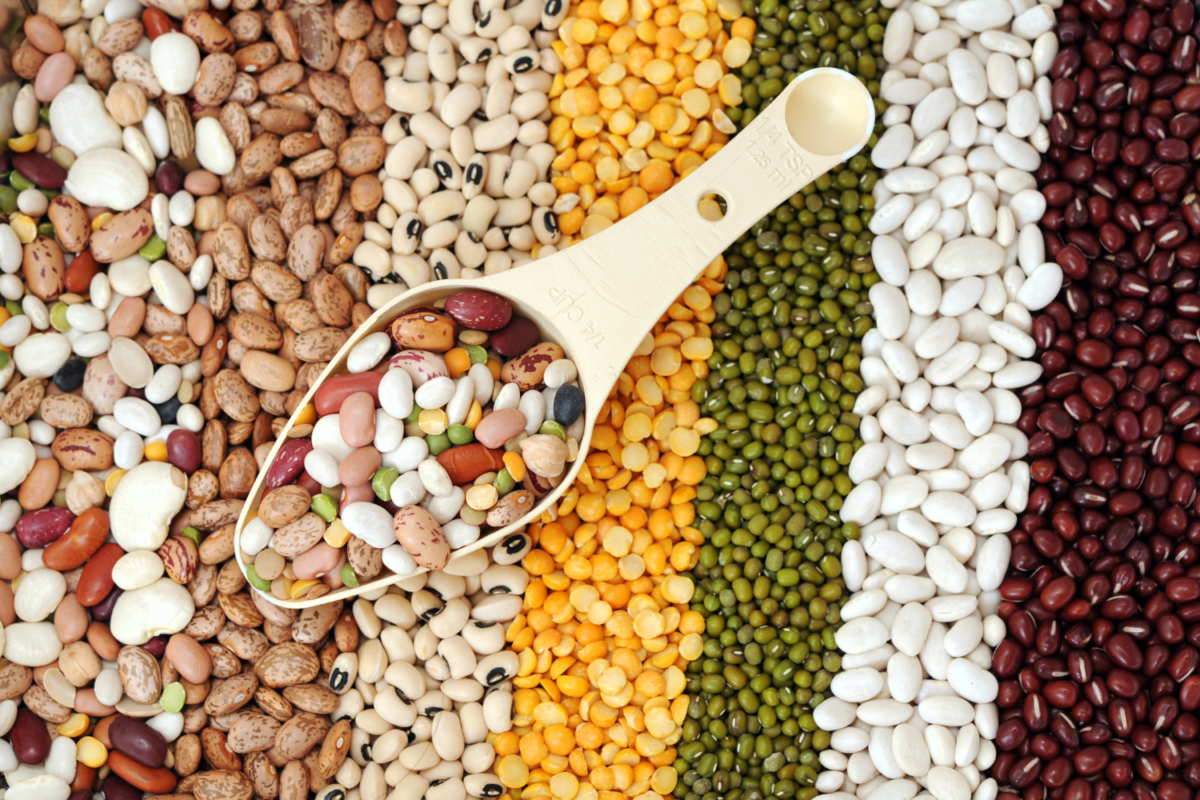
Beans, lentils, chickpeas, and split peas are everyday staples throughout the Mediterranean region. They are celebrated for their affordability, satiating qualities, and incredible versatility. A simple pot of lentil soup, a refreshing chickpea salad, or a comforting bowl of white beans with olive oil can serve as the centerpiece of a meal.
Why they belong in Mediterranean food: Legumes are nutritional powerhouses, providing significant amounts of fiber, plant-based protein, complex carbohydrates, and essential minerals. The combination of fiber and protein contributes to a feeling of fullness and satiety, making meals more satisfying. Research indicates that regular consumption of legumes may contribute to more stable blood sugar levels and support long-term health. Legumes are also a common feature in traditional diets of Blue Zones, regions known for their longevity. The takeaway is not that a single food guarantees a longer life, but that legumes facilitate increased intake of plant-based foods and reduced consumption of processed items.
How beginners can use them: Canned beans represent one of the most convenient pantry staples available. Simply drain and rinse them before adding to salads, soups, pasta dishes, or grain bowls. Warm white beans with olive oil, garlic, rosemary, and lemon make a quick and flavorful side dish. The "White Bean Dip with Pickled Red Onions" from the featured meal offers an easy entry point, transforming two cans of cannellini beans into a creamy, dippable spread. Leftovers can be repurposed as a sandwich spread or a base for a grain bowl.
Beginner takeaway: Stock two cans of beans in your pantry and incorporate one can into a meal you already prepare to gradually increase your legume intake.
4. Whole Grains, Especially Whole Grain Sourdough Bread
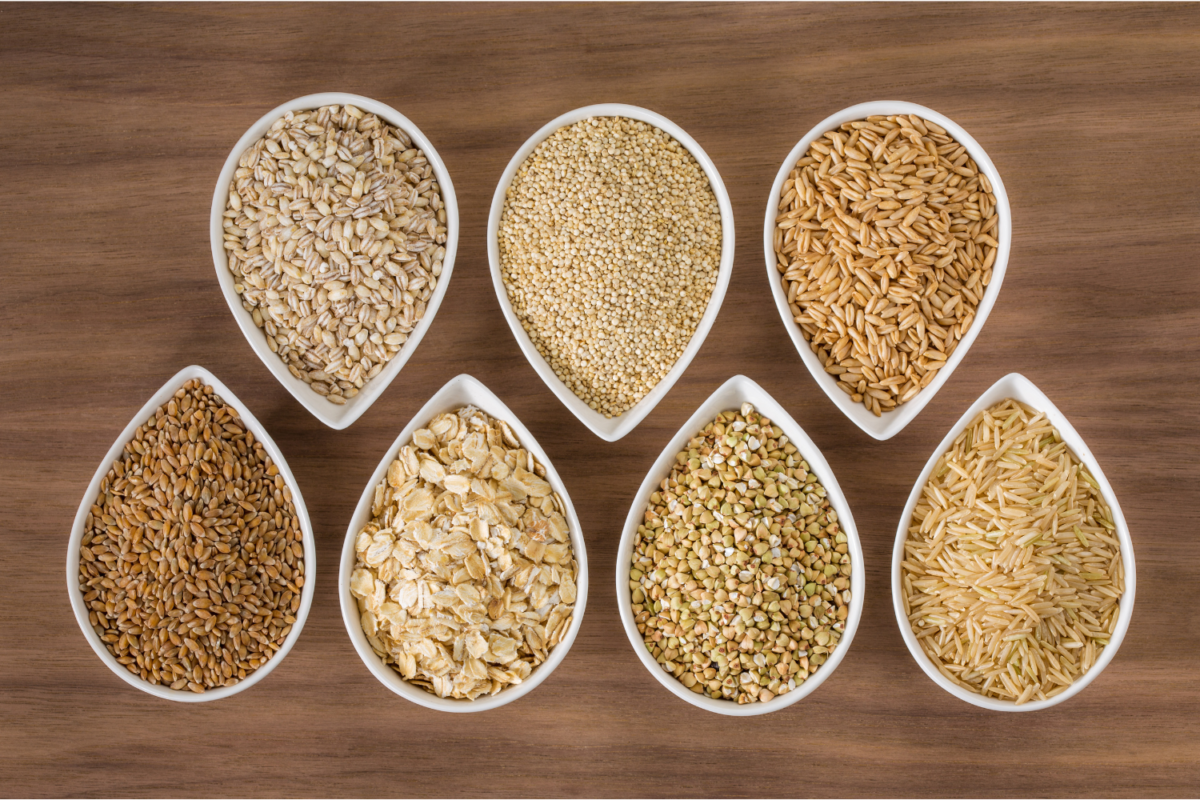
A common misconception about Mediterranean food is its carbohydrate content. Traditional Mediterranean diets frequently feature bread, pasta, barley, bulgur, farro, rice, corn, and other grains. The emphasis is typically on the type of grain, the portion size, and the accompanying ingredients.
Why they belong in Mediterranean food: Whole grains are rich in fiber and a wide array of essential nutrients. Consistent consumption of whole grains has been linked to healthier aging and a reduced risk of several chronic diseases. They also play a crucial role in making meals feel satisfying, particularly when paired with vegetables, beans, fish, or yogurt. Sourdough bread is highlighted as a practical example due to its familiarity. However, the term "sourdough" does not automatically imply "whole grain." It is essential to check ingredient lists for whole wheat, whole rye, or other whole grains listed prominently.
How beginners can use them: Serve a slice of whole grain sourdough bread alongside soup, salad, or bean dip. Toast it and top with ingredients like tomatoes, white beans, greens, or roasted garlic. Alternatively, gradually replace refined grains in familiar meals with options like barley, brown rice, farro, or whole grain pasta. In the featured beginner meal, the bread serves as an edible utensil for scooping up bean dip and roasted garlic oil, contributing to a sense of completeness.
Beginner takeaway: Select one type of whole grain that you genuinely enjoy and incorporate it regularly, rather than feeling obligated to purchase numerous unfamiliar varieties.
5. Omega-3-Rich Fish, Including Salmon and Sardines
Fish and seafood are integral to many coastal Mediterranean cuisines. While salmon may not be indigenous to every Mediterranean region, it aligns perfectly with the dietary pattern due to its high omega-3 fatty acid content and widespread availability. Other beneficial choices include sardines, mackerel, trout, and herring.
Why it belongs in Mediterranean food: Fatty fish are excellent sources of the omega-3 fatty acids EPA and DHA, which are vital for numerous bodily functions and may support cardiovascular and cognitive health. Fish also provides high-quality protein and cooks quickly, making it a practical choice for weeknight meals. The Mediterranean approach does not advocate for daily fish consumption but rather encourages its inclusion as a regular protein source alongside beans, lentils, yogurt, eggs, poultry, and other foods.
How beginners can use it: Begin with a type of fish you already enjoy. Salmon can be prepared through grilling, baking, pan-searing, or air frying. Keep seasonings simple, focusing on olive oil, salt, pepper, lemon, and herbs. The "Grilled Salmon Salad with Yogurt Dill Dressing" in the featured meal places warm salmon over crisp vegetables and leafy greens, with the creamy dressing making the fish particularly appealing to beginners. Sardines offer even greater convenience as they are pre-cooked. They can be enjoyed on whole grain toast with lemon, parsley, or tomatoes. For those new to their flavor, boneless, skinless sardines packed in olive oil are a good starting point.
Beginner takeaway: Plan to prepare one fish meal this week, opting for a simple cooking method rather than seeking out a complex recipe.
6. Herbs and Spices, With Dill as a Featured Example
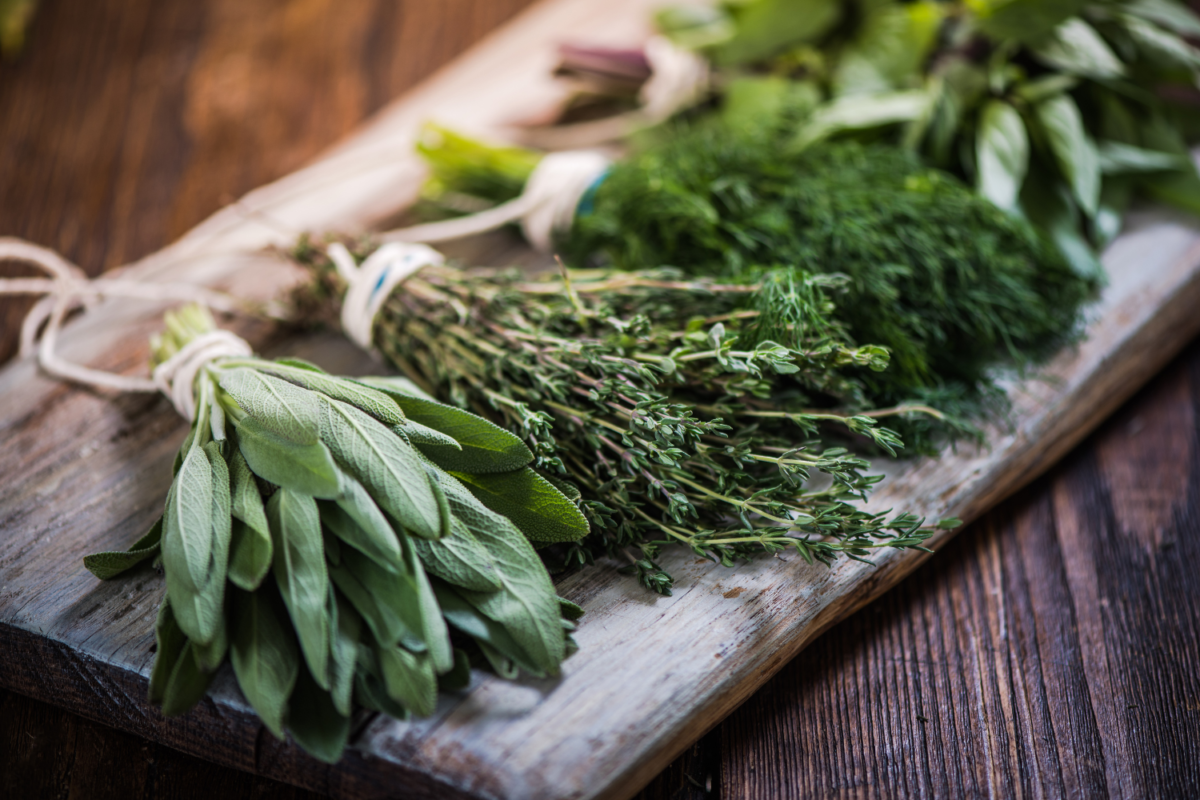
Herbs and spices are a primary reason why Mediterranean food can taste so vibrant and flavorful without relying on excessive sugar, salt, or processed sauces. Dill, parsley, basil, mint, oregano, rosemary, thyme, cumin, coriander, cinnamon, paprika, and sumac are commonly used across various Mediterranean culinary traditions.
Why they belong in Mediterranean food: Herbs add aroma, freshness, and complexity to dishes. They contribute to dietary diversity in subtle yet meaningful ways. Most importantly, they significantly enhance the appeal of vegetables, beans, fish, and whole grains. Utilizing herbs can also reduce the reliance on salt for flavor. The layered flavors achieved through combinations like lemon, garlic, dill, and olive oil mean that a dish doesn’t need to depend solely on salt for taste.
How beginners can use it: Avoid the temptation to purchase an extensive array of herbs at once. Select one fresh herb and one dried herb to start. Fresh dill is an excellent choice for beginners as it pairs well with yogurt, salmon, cucumbers, potatoes, beans, and eggs. Dried oregano is versatile for roasted vegetables, salad dressings, chicken, and tomato-based dishes. In the featured meal, dill acts as a unifying element, connecting the salmon, Greek yogurt, greens, and lemon. To prolong the freshness of dill, trim the stems and store it in a jar with a little water, or wrap it in a slightly damp paper towel in the refrigerator.
Beginner takeaway: Choose one herb that complements several foods you already consume, and use it in at least two meals before exploring other options.
7. Greek Yogurt and Other Fermented Foods
Greek yogurt stands out as one of the most accessible Mediterranean ingredients for beginners due to its versatility in both sweet and savory applications. It is suitable for breakfast, as a base for sauces, a quick snack, or a light dessert.
Why it belongs in Mediterranean food: Yogurt, a fermented food, is a valuable source of protein, calcium, and other essential nutrients. Depending on the specific product and the live cultures it contains, it may also contribute to a diverse gut microbiome. Fermented foods have historically been integral to traditional diets, as the fermentation process aids in food preservation and develops appealing flavors. Greek yogurt, being strained, has a thicker consistency and is often higher in protein than standard yogurt. However, other plain cultured yogurts can also be incorporated. The key is to select a plain yogurt that you genuinely enjoy.
How beginners can use it: For a savory sauce, mix plain Greek yogurt with dill, lemon juice, olive oil, a hint of garlic, salt, and pepper. This dressing can be spooned over salmon, roasted vegetables, grain bowls, or beans, serving as the dressing in the featured salmon salad. For breakfast or dessert, combine Greek yogurt with berries and walnuts. A touch of honey or cinnamon can add sweetness without turning it into an overly sugary treat. Opt for plain yogurt whenever possible, as flavored varieties often contain significant added sugars, although they can serve as a transitional option for those not yet accustomed to plain yogurt.
Beginner takeaway: Purchase a tub of plain Greek yogurt and use it once in a savory meal and once in a sweet preparation with fruit.
8. Leafy Greens
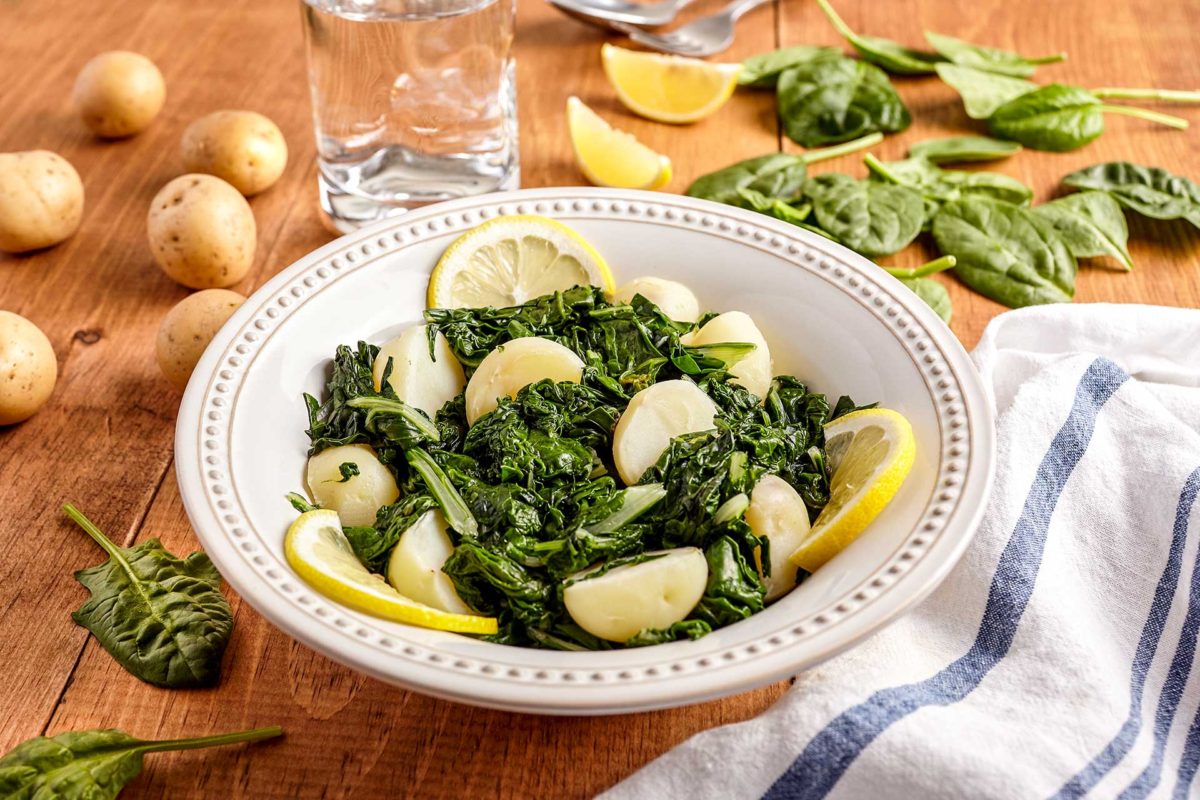
Leafy greens are a prominent component of traditional Mediterranean diets, though they are not always served as a cold side salad. In Greece, a wide variety of wild and cultivated greens, known as "horta," are commonly boiled or sautéed and then dressed simply with olive oil and lemon.
Why they belong in Mediterranean food: Greens provide essential vitamins, minerals, fiber, and beneficial plant compounds. More broadly, they contribute to a diverse intake of vegetables, which research consistently links to improved long-term health. The Mediterranean approach emphasizes incorporating greens in various forms: wilted into soups, folded into eggs, cooked with beans, added to pasta dishes, or served as a base for other ingredients.
How beginners can use it: Choose greens that are convenient to prepare. Bagged salad mixes require minimal effort. Frozen spinach is an economical option that keeps well. Kale can be chopped and added to soups, and Swiss chard can be sautéed with garlic and olive oil. In the featured meal, leafy greens form the foundation for the grilled salmon salad, acting as a vehicle for the yogurt dill dressing and transforming the fish into a complete main course. Any type of greens, such as romaine, arugula, spinach, or spring mix, can be used.
Beginner takeaway: Keep a readily available form of greens, such as bagged salad or frozen spinach, in your refrigerator or freezer, and add a handful to meals rather than waiting to prepare a full salad.
9. Berries
Fruit is a natural and integral part of the Mediterranean eating pattern, commonly enjoyed at breakfast, as a snack, or as a concluding course to a meal. While berries are not the sole Mediterranean fruit, they are a practical choice for beginners due to their compatibility with yogurt, oats, salads, and nuts.
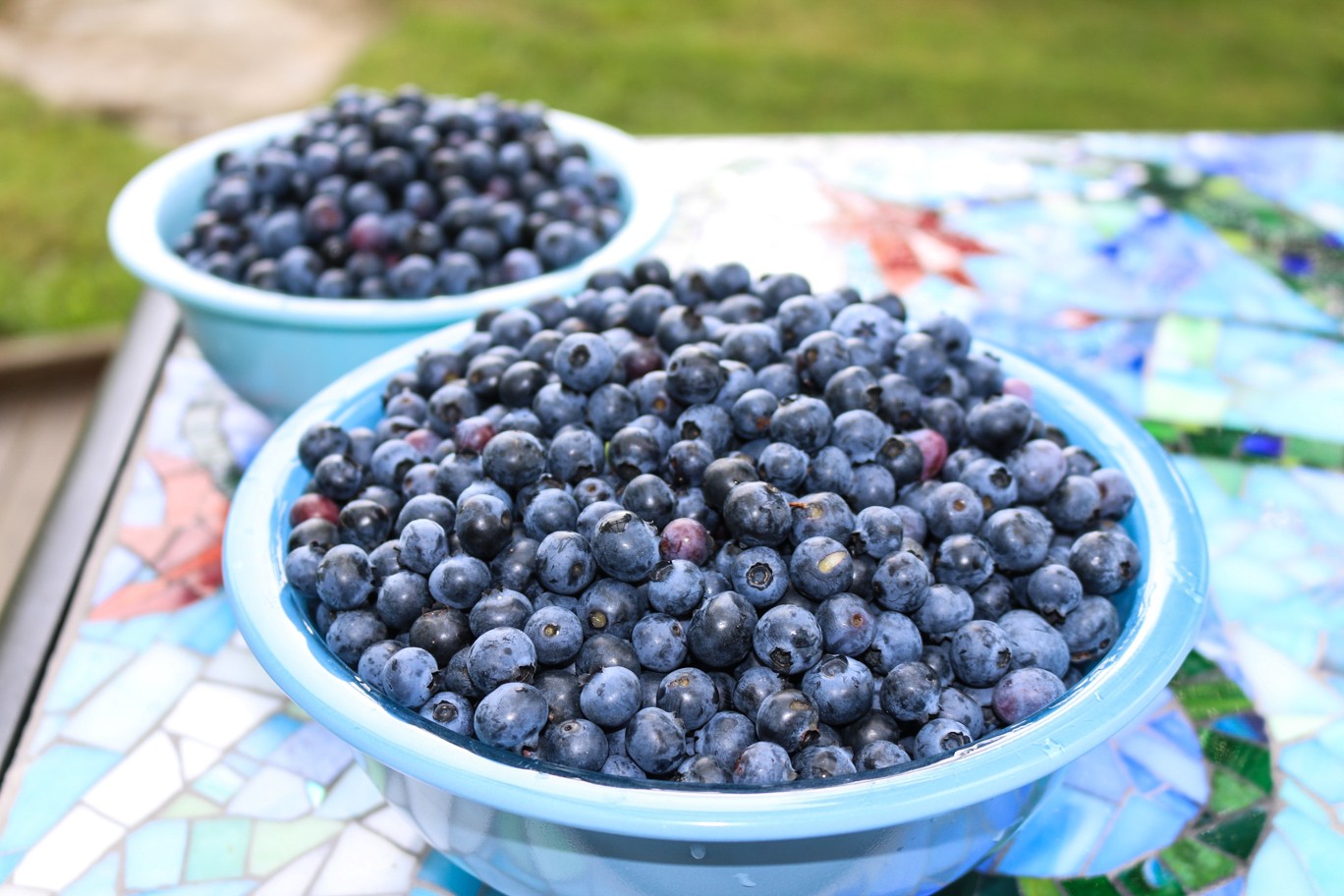
Why they belong in Mediterranean food: Berries are rich in fiber, vitamin C, and a variety of colorful plant compounds. Research suggests that regular consumption of berries, as part of an overall healthy diet, may support cognitive function. They also exemplify a simple Mediterranean habit: fruit can serve as a natural dessert. This does not preclude enjoying occasional pastries or sweets, but rather highlights that a bowl of ripe fruit can be a normal, enjoyable way to end an everyday meal.
How beginners can use it: Add fresh or frozen berries to Greek yogurt, oatmeal, or whole grain cereal. Blend them into smoothies, or thaw frozen berries and spoon them over yogurt, allowing their natural juices to meld. Frozen berries are particularly advantageous: they are picked at peak ripeness, minimize food waste, and are often more economical, especially when fresh berries are out of season. In the featured meal, berries provide a refreshing and subtly sweet counterpoint to the savory components, making dessert feel like a natural extension of the meal.
Beginner takeaway: Keep frozen berries on hand to ensure that fruit is readily available, even when the fresh produce section appears sparse.
10. Walnuts, Plus Other Nuts and Seeds
Nuts and seeds are frequently incorporated into Mediterranean cooking. They can be consumed as snacks, sprinkled over salads, blended into sauces, baked into breads, or paired with fruit and yogurt.
Why they belong in Mediterranean food: Walnuts, in particular, offer healthy fats, fiber, plant-based protein, and alpha-linolenic acid, a plant-derived omega-3 fatty acid. Regular nut consumption has been associated with longevity and cardiovascular health. The broader context is important: nuts often serve as a more nutritious alternative to less wholesome snacks, add satiety to plant-based meals, and enhance the satisfaction derived from simple foods.
How beginners can use it: Sprinkle chopped walnuts over Greek yogurt and berries. Add them to oatmeal, salads, roasted vegetables, or whole grain dishes. Toasting them lightly in a dry pan can deepen their flavor. Other beneficial options include almonds, pistachios, hazelnuts, sesame seeds, sunflower seeds, pumpkin seeds, and tahini. Prioritize unsalted or lightly salted varieties, but do not let the pursuit of absolute perfection become an obstacle. Nuts are calorie-dense, so a small handful is generally sufficient. Store walnuts in the refrigerator or freezer if purchasing in larger quantities, as their delicate fats can become rancid.
Beginner takeaway: Add a small handful of nuts or seeds to a meal or snack you already enjoy.
How to Start Eating Mediterranean Food Without Feeling Overwhelmed
With a foundational understanding of these key ingredients, the inclination might be to immediately purchase all of them and overhaul every meal. However, a more sustainable approach involves gradual integration. Smaller, consistent changes are more likely to be maintained, transforming a good intention into a lasting lifestyle.
Choose Two Foods First
Select two foods from the list that appeal to you and seem easy to incorporate. For instance, begin with extra virgin olive oil and canned beans. This week, prepare one bean salad and one warm bean dish. The following week, introduce Greek yogurt or leafy greens. Alternatively, pair foods that naturally complement each other, such as yogurt and berries, salmon and dill, whole grain bread and white bean dip, or leafy greens and olive oil.
Add Foods Instead of Restricting Foods
Beginners often inquire about what they should stop eating. A more constructive initial question is, "What can we add?" Incorporate beans into soup, greens into scrambled eggs, berries into breakfast, walnuts into yogurt, or olive oil and herbs into vegetables. As nutritious foods become more available and satisfying, they often naturally displace less beneficial options, a process that is far more sustainable than adhering to a strict list of prohibitions.
Use Convenient Mediterranean Ingredients
Convenience is not a compromise; it is a facilitator. Canned beans, canned sardines, frozen vegetables, frozen berries, bagged greens, pre-cooked whole grains, and plain Greek yogurt can all expedite the process of preparing healthy Mediterranean meals. While reading labels is advisable when necessary, avoid turning every grocery trip into an extensive research project. A can of beans with some sodium is still a valuable ingredient; rinsing it is an optional step. Frozen spinach remains a nutrient-dense vegetable. Whole grain bread from the store is beneficial, even if not homemade.
Repeat Simple Meals
Mediterranean cooking becomes more manageable when the expectation of novelty for every meal is set aside. Identify three to four meal combinations that you enjoy and repeat them until they become second nature. Once these meals are effortless, introduce small variations. Swap the berries, try lentils instead of white beans, use parsley instead of dill, or substitute salmon with sardines or trout.
Use Olive Oil, Herbs, Garlic, and Acid for Flavor
A healthy meal should not feel like a penance. Keep a simple flavor formula in mind: olive oil + an herb or spice + garlic or onion + an acidic element (like lemon juice or vinegar). This formula can be applied to dressing greens, seasoning beans, brightening fish, or enhancing roasted vegetables, offering a quick way to make everyday Mediterranean ingredients taste like a complete and satisfying meal.
Build the Featured Meal in Stages
There is no need to prepare all components of the featured meal—roasted garlic, bean dip, bread, salmon salad, and yogurt dessert—on a single evening. Instead, build the meal across a week. On the first day, prepare the white bean dip and enjoy it with sourdough bread. On the second day, utilize any leftover dip in a sandwich with greens. On the third day, make the salmon salad with yogurt dill dressing. Finally, use the remaining yogurt, berries, and walnuts for breakfast. This phased approach transforms the ten foundational foods from a one-time project into versatile ingredients that support multiple meals.
A Simple Mediterranean Food Shopping List
Many of these ingredients may already be present in your pantry. Use this list as a flexible guide, not a rigid requirement.
- Extra Virgin Olive Oil: A staple for cooking and dressing.
- Garlic: Fresh bulbs for versatile flavor.
- Beans (Canned): Cannellini, chickpeas, or other favorites.
- Whole Grain Sourdough Bread: Or another preferred whole grain bread.
- Omega-3 Rich Fish: Salmon fillets, or canned sardines/mackerel.
- Fresh Herbs: Dill, parsley, or basil.
- Plain Greek Yogurt: A versatile dairy staple.
- Leafy Greens: Bagged salad mix, spinach, or kale.
- Berries (Frozen): A convenient and economical choice.
- Walnuts: Or other preferred nuts like almonds or pistachios.
With these foundational Mediterranean ingredients, a wide array of dishes can be prepared beyond the featured meal, including bean toast, yogurt bowls, salmon salads, quick soups, grain bowls, sautéed greens, dips, and simple snacks.
Mediterranean Food Is a Pattern You Can Grow Into
The most effective Mediterranean food for beginners is not necessarily the most elaborate recipe. It is the meal that is achievable, enjoyable, and repeatable. The ten foods outlined—extra virgin olive oil, garlic, beans, whole grains, omega-3-rich fish, herbs and spices, Greek yogurt, leafy greens, berries, and walnuts—provide a robust starting point. Each ingredient offers distinct benefits, and together they form the basis for meals that are colorful, satisfying, and rich in natural flavor.
Recall the exemplary meal: roasted garlic and olive oil enhance whole grain sourdough. White bean dip adds fiber and plant protein. Salmon rests atop a bed of greens dressed with a creamy yogurt-dill sauce. Berries and walnuts crown Greek yogurt for a light finish. This is Mediterranean eating in its most practical form. It is not about immediate, drastic change, but about learning a few key ingredients, pairing them thoughtfully, and allowing simple, nourishing meals to become familiar and comforting.
Begin by selecting two foods, preparing one meal, and repeating it. From this foundation, your Mediterranean pantry can expand organically.
Get More Support From Mediterranean Living
While understanding which foods to incorporate is a crucial first step, many individuals seek additional guidance in the form of recipes, meal ideas, structured programs, and ongoing support to integrate Mediterranean living into their daily lives.
The Mediterranean Living Member Portal offers a comprehensive collection of resources designed to facilitate this transition. It aims to help users move from theoretical knowledge about Mediterranean food to the practical application of preparing and enjoying these meals regularly. By starting with the ten foundational foods discussed in this article and then exploring the portal, individuals can find the structure, inspiration, and support needed for their Mediterranean journey.
Explore the Mediterranean Living Member Portal