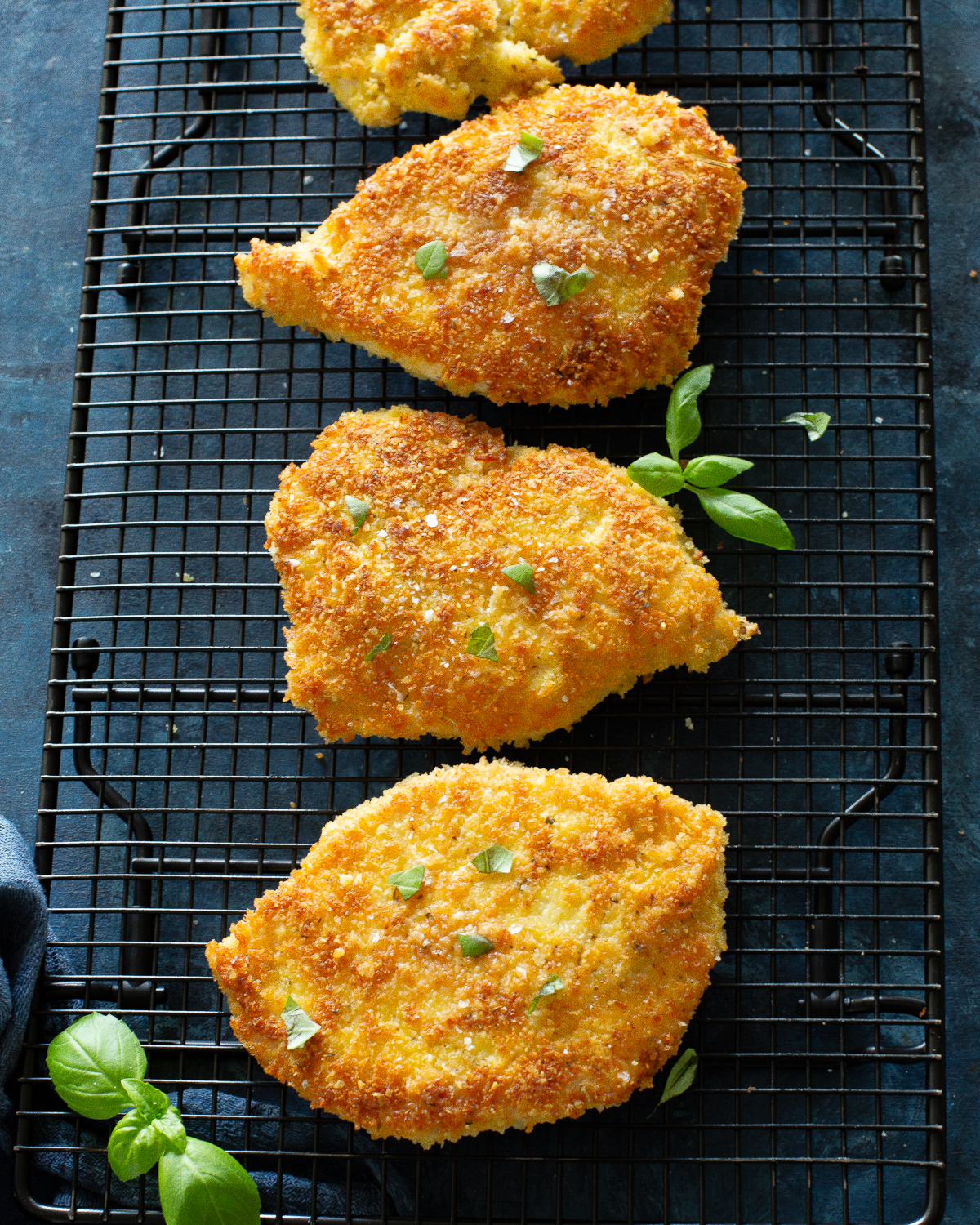
Parmesan Chicken Cutlets are flavorful crispy chicken that are seasoned to perfection. This quick and easy dinner is a crowd pleaser.


The culinary evolution of the chicken cutlet has transitioned from a staple of home-cooked Italian-American cuisine to a foundational element of modern, efficient meal preparation. Characterized by a thin profile, a breadcrumb-based crust, and a tender interior, the parmesan-infused chicken cutlet has emerged as a preferred solution for households seeking a balance between high-quality protein consumption and time-sensitive cooking requirements.
The Historical and Cultural Context of the Cutlet
The preparation method known as "breading and frying" shares historical lineage with the Austrian Wiener Schnitzel and the Northern Italian Cotoletta alla Milanese. While traditional Milanese preparations often emphasize simplicity—typically featuring veal, breadcrumbs, and a finishing squeeze of fresh lemon—the Americanized version has integrated a wider array of seasonings, most notably the inclusion of aged Parmigiano-Reggiano or Grana Padano cheese within the breadcrumb matrix.
In the mid-20th century, as industrial poultry processing made chicken more accessible and affordable for the average American consumer, the chicken cutlet surged in popularity. By the 1980s and 1990s, the dish became synonymous with fast-casual dining and convenient home meal replacements. Today, the dish occupies a unique intersection of nostalgia and efficiency, often described by culinary experts as the "adult version of the chicken nugget" due to its elevated seasoning profile and refined texture.
Nutritional Profile and Culinary Mechanics
From a nutritional standpoint, chicken cutlets provide a significant source of lean protein. When prepared using the standard dredging process—which involves flour, a binding agent like egg, and a mixture of breadcrumbs and parmesan cheese—the caloric density is primarily dictated by the cooking medium.
Data from the United States Department of Agriculture (USDA) suggests that the average four-ounce serving of pan-seared chicken breast provides approximately 25 to 30 grams of protein. When breaded and pan-fried, the caloric intake increases due to the absorption of fats; however, the use of high-smoke-point oils, such as avocado or refined olive oil, can mitigate the introduction of trans fats often found in deep-fried, mass-produced frozen alternatives.
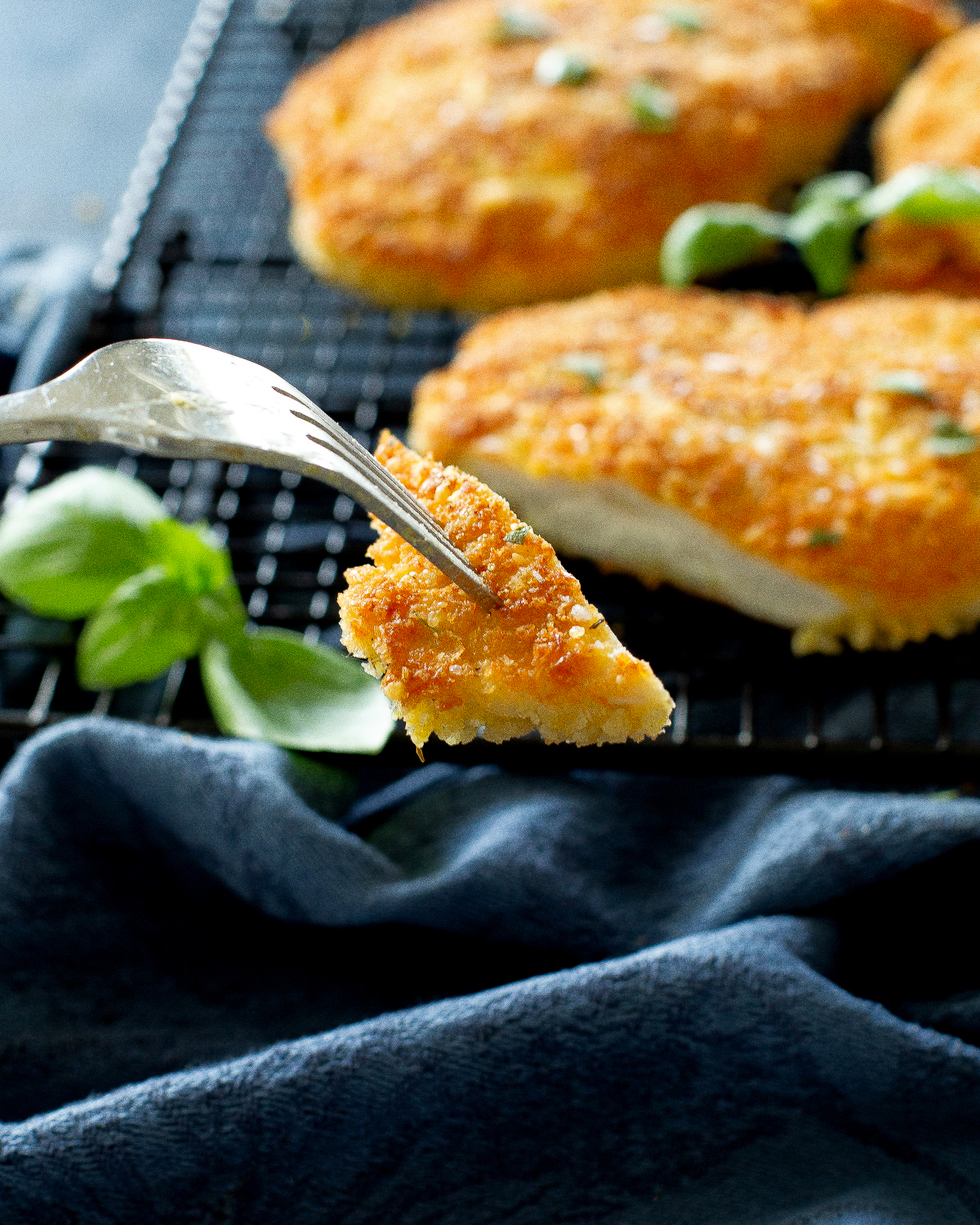
The mechanics of achieving the perfect cutlet rely heavily on the uniform thickness of the meat. Culinary professionals advocate for "pounding" the chicken breast to a consistent depth of approximately one-quarter to one-half inch. This practice ensures that the protein cooks through simultaneously with the crisping of the crust, preventing the common culinary failure of burnt breading paired with undercooked or dry interior meat.
Chronology of Preparation and Best Practices
The preparation of professional-grade Parmesan chicken cutlets follows a standardized, multi-step process that optimizes texture and flavor distribution.
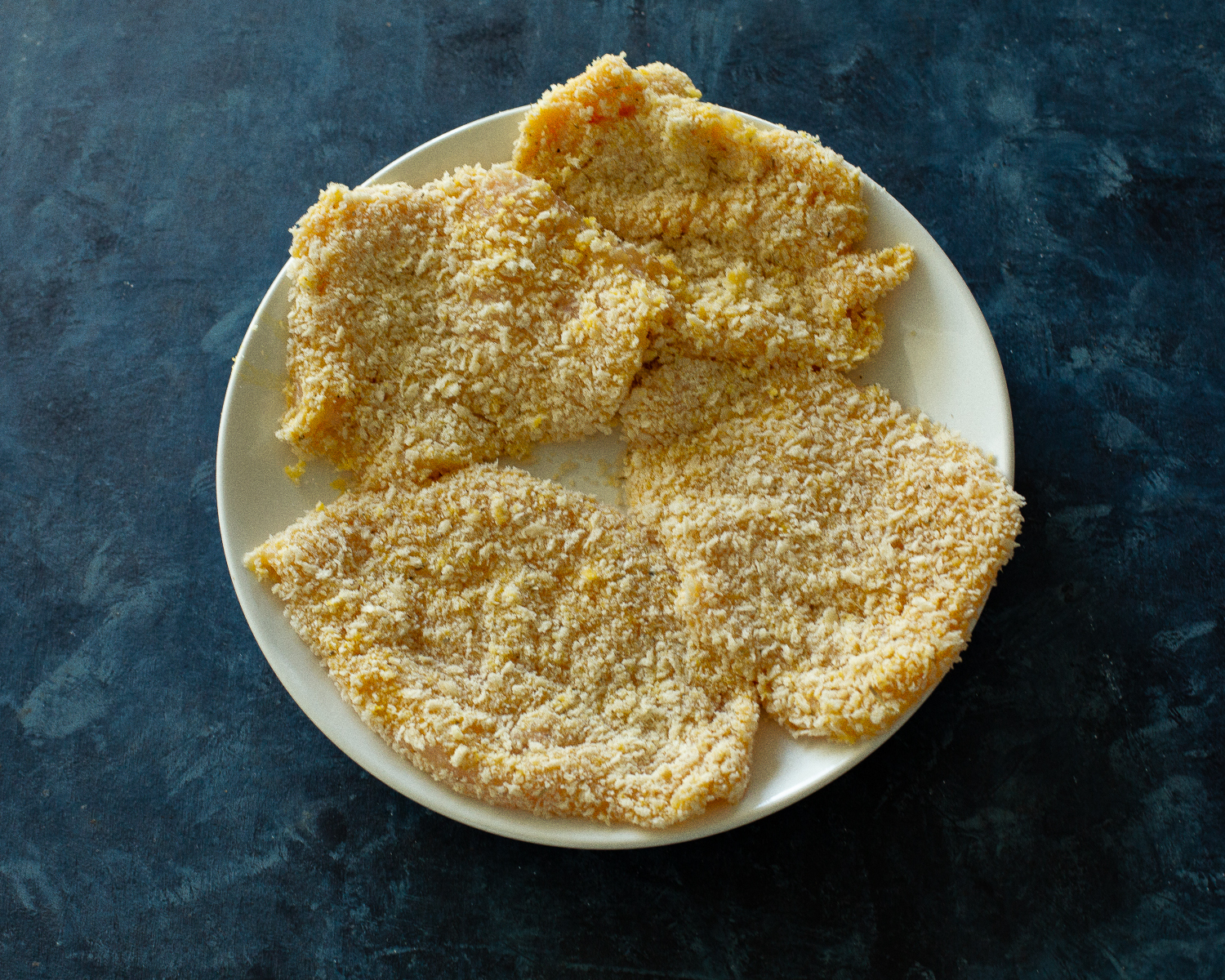
- Preparation (10–15 minutes): The chicken breasts are halved horizontally and flattened using a meat mallet or a heavy-bottomed skillet. This stage is critical for heat transfer efficiency.
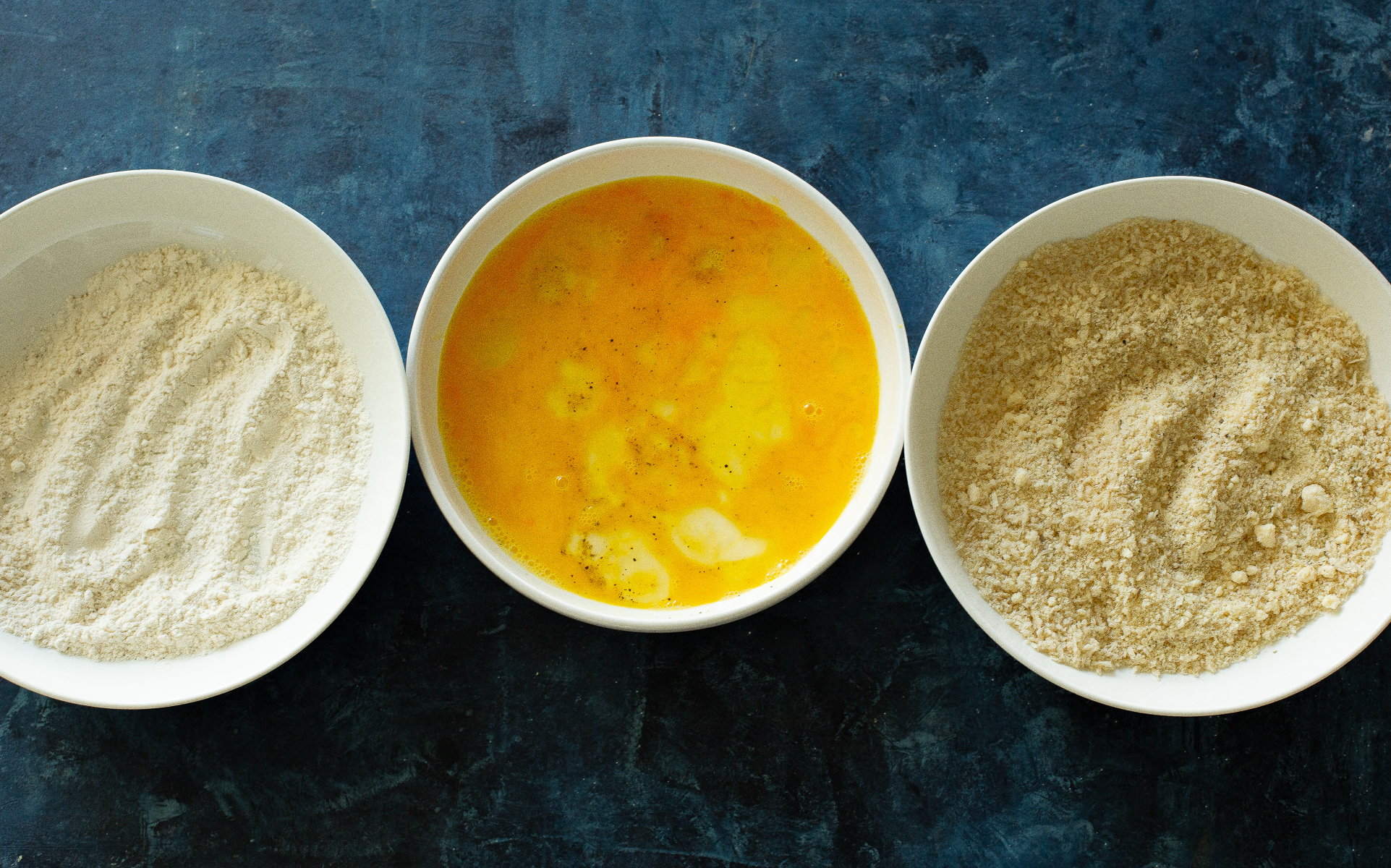
- Dredging (10 minutes): A three-station setup is standard. The first station consists of seasoned flour (often including garlic powder, salt, and black pepper). The second station contains whisked eggs, which serve as the adhesive. The third station holds the dry mixture: Panko or fine breadcrumbs combined with finely grated parmesan cheese and Italian herbs such as oregano or basil.
- Thermal Application (8–10 minutes): Using a skillet preheated to medium-high heat, the cutlets are introduced to a layer of oil. A critical failure point for many home cooks is overcrowding the pan, which lowers the temperature of the oil and leads to steam-soaked, soggy breading. Maintaining a consistent temperature is essential for achieving the Maillard reaction, which gives the crust its characteristic golden-brown color and crunch.
- Resting (2–3 minutes): Allowing the cutlet to rest on a wire rack post-frying prevents the trapped steam from softening the crust, preserving the textural integrity of the dish.
Market Analysis and Consumer Trends
The sustained popularity of chicken-based meals is supported by broader economic and consumer behavioral data. According to the National Chicken Council, poultry consumption in the United States has seen a steady upward trajectory over the last decade, with consumers increasingly favoring cuts that offer quick preparation times.
The parmesan-infused chicken cutlet serves as a "gateway" meal in many households. Its versatility allows for integration into various dining formats: served as a standalone protein, sliced atop a salad (a variation similar to Chicken Milanese), or incorporated into a sandwich. This adaptability has shielded the recipe from being relegated to a "fad" status, ensuring its continued relevance in both professional and domestic kitchens.
Food industry analysts suggest that the rise of "gourmet convenience" is driving interest in recipes that utilize pantry staples—flour, eggs, cheese, and breadcrumbs—to create a high-quality product that rivals restaurant-prepared meals. As inflation impacts dining-out habits, recipes that offer the "restaurant experience" at home are experiencing a resurgence in digital search volume and social media engagement.
Implications for Modern Home Cooking
The shift toward home-based meal preparation is underscored by the demand for "low-effort, high-reward" recipes. Parmesan chicken cutlets fit this criteria by requiring minimal specialized equipment. A basic skillet, a meat tenderizer, and standard kitchen staples are sufficient to execute the dish.
Furthermore, the integration of parmesan cheese into the breading is an example of "flavor engineering." The saltiness and umami profile of the cheese provide a depth of flavor that offsets the mild nature of chicken breast. This chemical interaction is what distinguishes the cutlet from its more pedestrian counterparts, making it a reliable crowd-pleaser for diverse age groups.
Conclusion and Broader Impact
As culinary education becomes more accessible through digital platforms, the standards for home-cooked meals continue to rise. The Parmesan chicken cutlet represents a balance of traditional technique and modern accessibility. By mastering the fundamental steps of flattening, dredging, and temperature-controlled frying, the home cook can replicate professional results.
While the dish itself is a classic, the ongoing interest in refining the process—whether through the use of high-quality aged cheeses, specific types of breadcrumbs like Japanese Panko, or the inclusion of fresh aromatics—highlights the enduring nature of simple, well-executed comfort food. In an era of rapid dietary changes and complex culinary trends, the Parmesan chicken cutlet remains a testament to the fact that foundational cooking techniques, when paired with high-quality ingredients, offer a consistent and satisfying result for the modern consumer.
As families look to balance time constraints with the need for nutritious and flavorful meals, the chicken cutlet remains a cornerstone of the American kitchen, bridging the gap between historical tradition and the requirements of a busy, modern lifestyle. Through its adaptability and simplicity, it serves as a primary example of how basic culinary skills can enhance the quality of daily life, providing a reliable, cost-effective, and universally accepted dining option.