Mastering Meal Prep: The Rise of Strategic Freezer Stashing in Modern Household Management

The contemporary home kitchen has increasingly become a center for efficiency as families seek innovative ways to balance demanding work schedules, extracurricular activities, and the desire for wholesome, home-cooked meals. Amidst rising grocery costs and tighter schedules, the practice of strategic freezer meal preparation—often referred to as freezer stashing—has evolved from a niche hobby into a mainstream domestic strategy. Recent culinary trends highlight a shift away from exhaustive, day-long meal-prep sessions toward manageable, curated collections of recipes designed to seamlessly integrate into busy autumn routines.
The Evolution of Domestic Meal Planning
Meal planning has historically been associated with either rigid weekly menus or the monotony of bulk cooking. However, sociological shifts in household management over the past decade have emphasized flexibility and time optimization. The transition toward targeted freezer stashing addresses a fundamental consumer demand: the need for low-stress, high-reward culinary solutions that do not overwhelm the home cook.
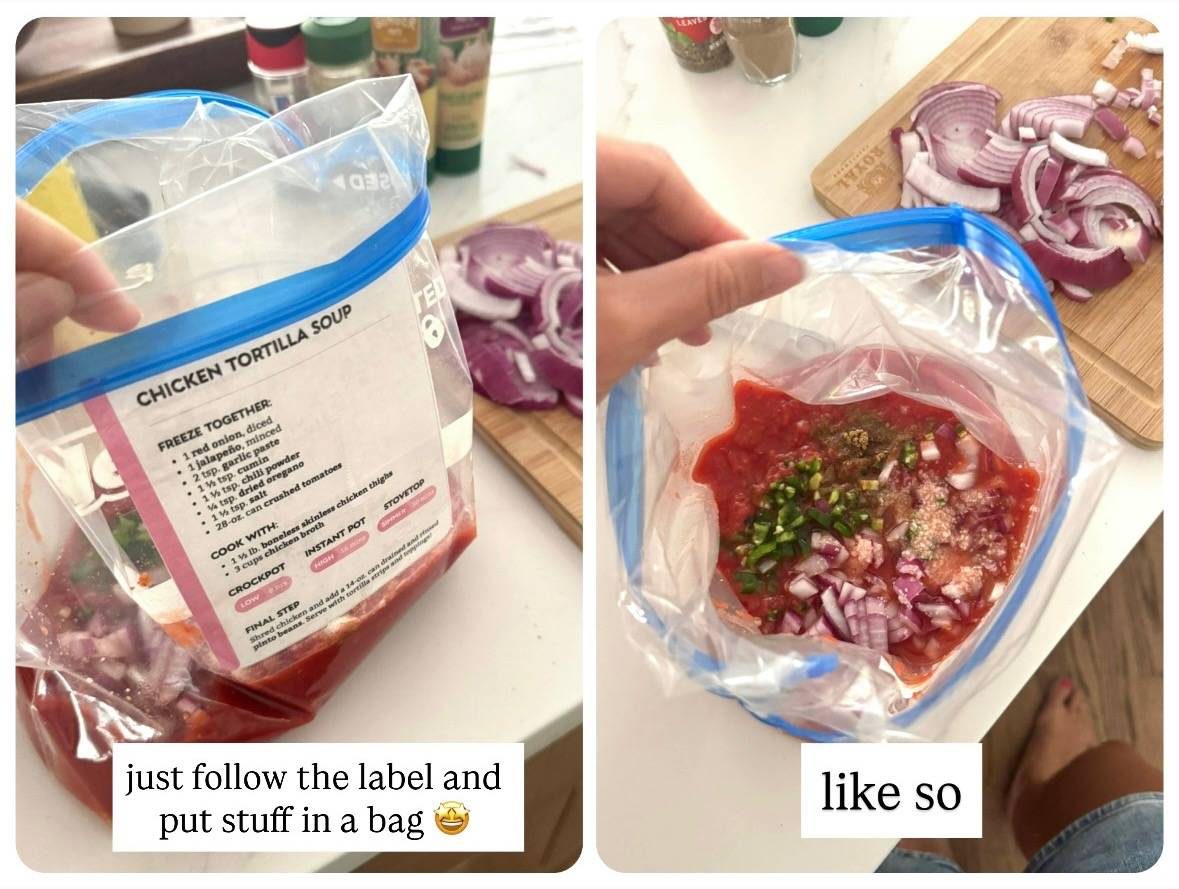
Nutritionists and lifestyle experts note that having pre-assembled meals readily available significantly reduces reliance on fast food and highly processed convenience items. By breaking down the meal preparation process into digestible components—such as assembling raw ingredients in storage bags for slow-cooker or pressure-cooker use—households can maintain dietary standards without sacrificing hours of evening leisure time. This method aligns with broader economic and health initiatives encouraging home cooking as a means of improving nutritional intake while managing household budgets.
Curated Autumn Collections: A Closer Look at Seasonal Freezer Stashing
As households transition from the relaxed pace of summer into the structured demands of the academic and professional fall calendar, menu planning adapts to reflect seasonal preferences. The introduction of curated September freezer stashes offers a case study in modern culinary organization, focusing on comfort foods that require minimal active preparation on the day of consumption.
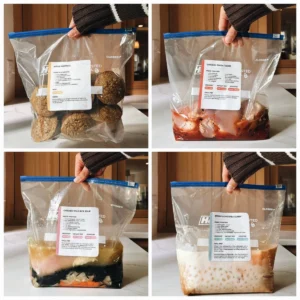
The mechanics of this approach rely heavily on the "dump-and-freeze" methodology, where proteins, vegetables, and seasonings are combined in freezer-safe packaging, removing the need for preliminary cooking. When deployed, these meals are engineered for compatibility with popular kitchen appliances such as slow cookers, instant pots, or standard stovetops.
Featured Recipes and Culinary Techniques
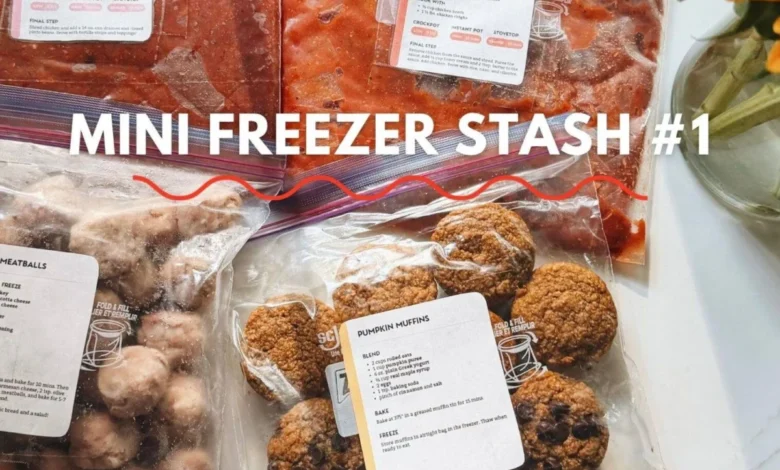
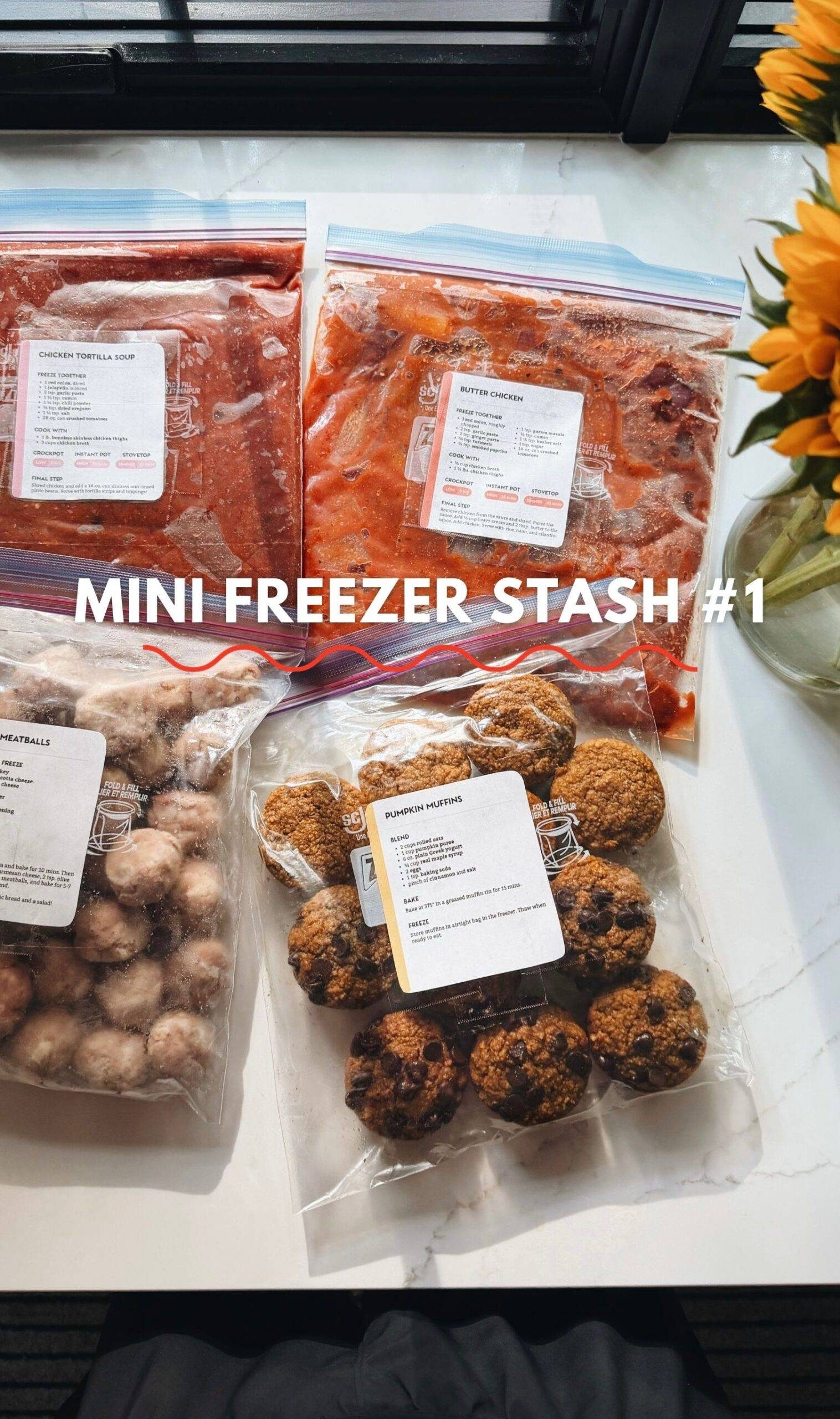
The curated September freezer collection highlights four distinct recipes optimized for long-term freezing and rapid final assembly. These dishes reflect a balance of nutritional variety, comfort appeal, and operational efficiency.
-
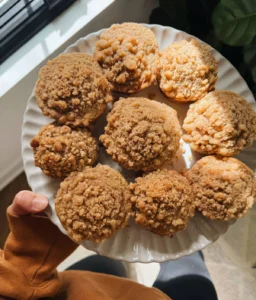
Spiced Pumpkin Muffins
Designed to yield 16 to 18 servings, this baked good incorporates seasonal autumn flavors suitable for breakfast or school lunchboxes. The preparation involves blending ingredients, baking at 375 degrees Fahrenheit for 15 to 17 minutes, and storing the finished product in airtight containers. Reheating requires minimal effort, utilizing a microwave for 45 to 60 seconds from a frozen state. -
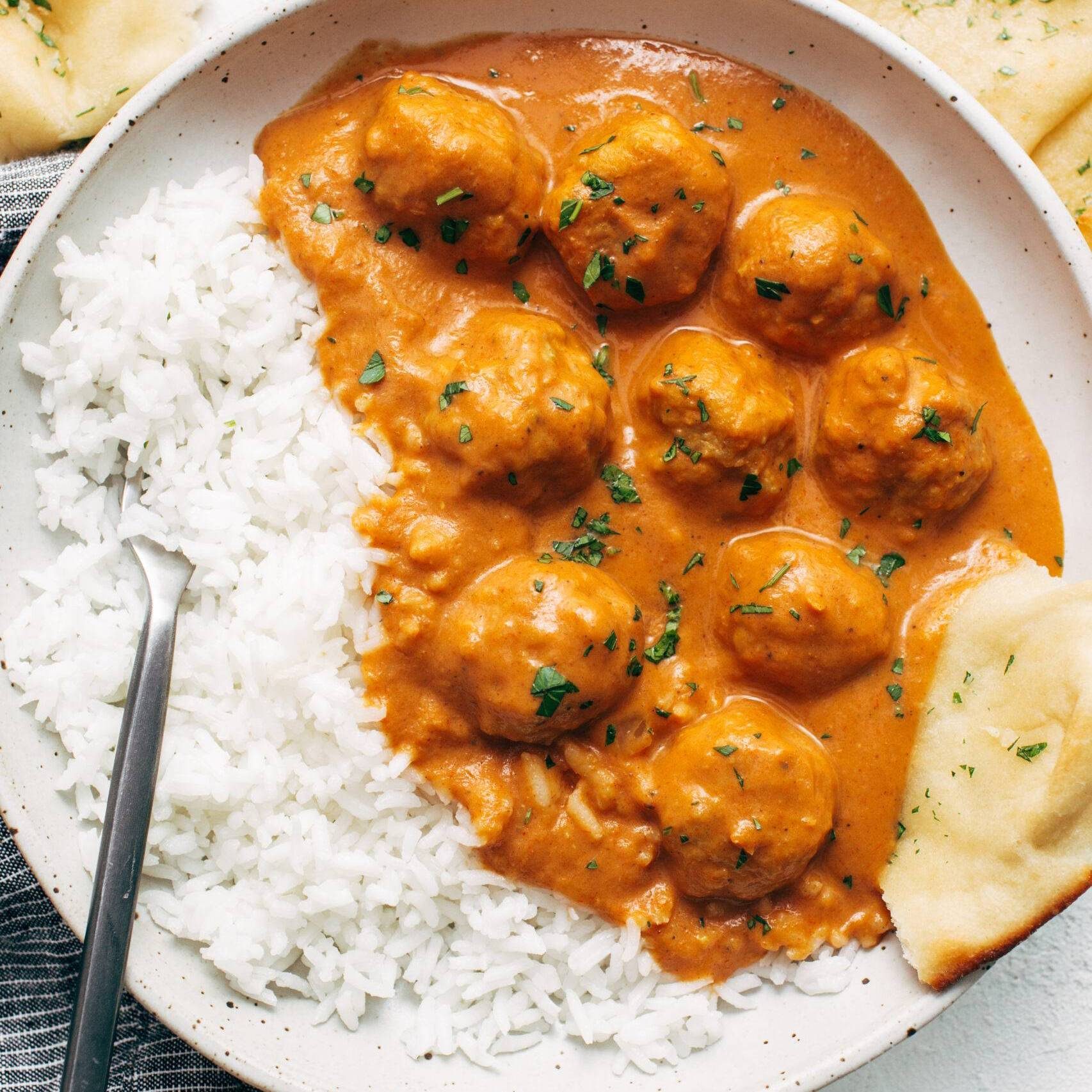
Creamy Butter Chicken
Serving four individuals, this dish demonstrates the versatility of the freeze-ahead method for complex flavored entrees. Ingredients including chicken thighs and aromatics are frozen together. Upon cooking—either via an eight-hour slow-cooker cycle, a 16-minute high-pressure instant pot setting, or a 30-minute stovetop simmer—the chicken is shredded. The sauce is then emulsified using an immersion blender, enriched with heavy cream and butter, and recombined with the protein before serving alongside traditional accompaniments such as rice, naan, and fresh cilantro.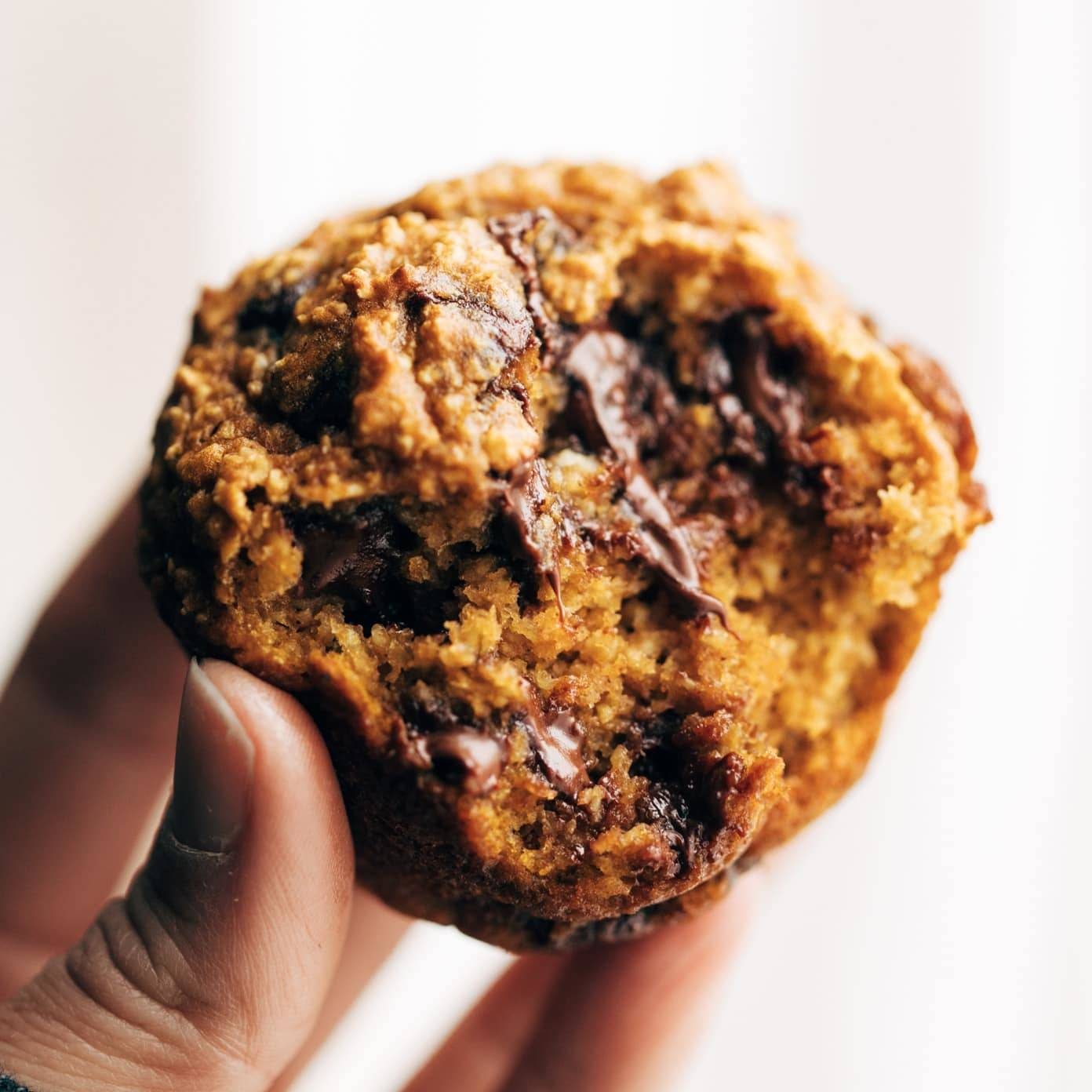
-
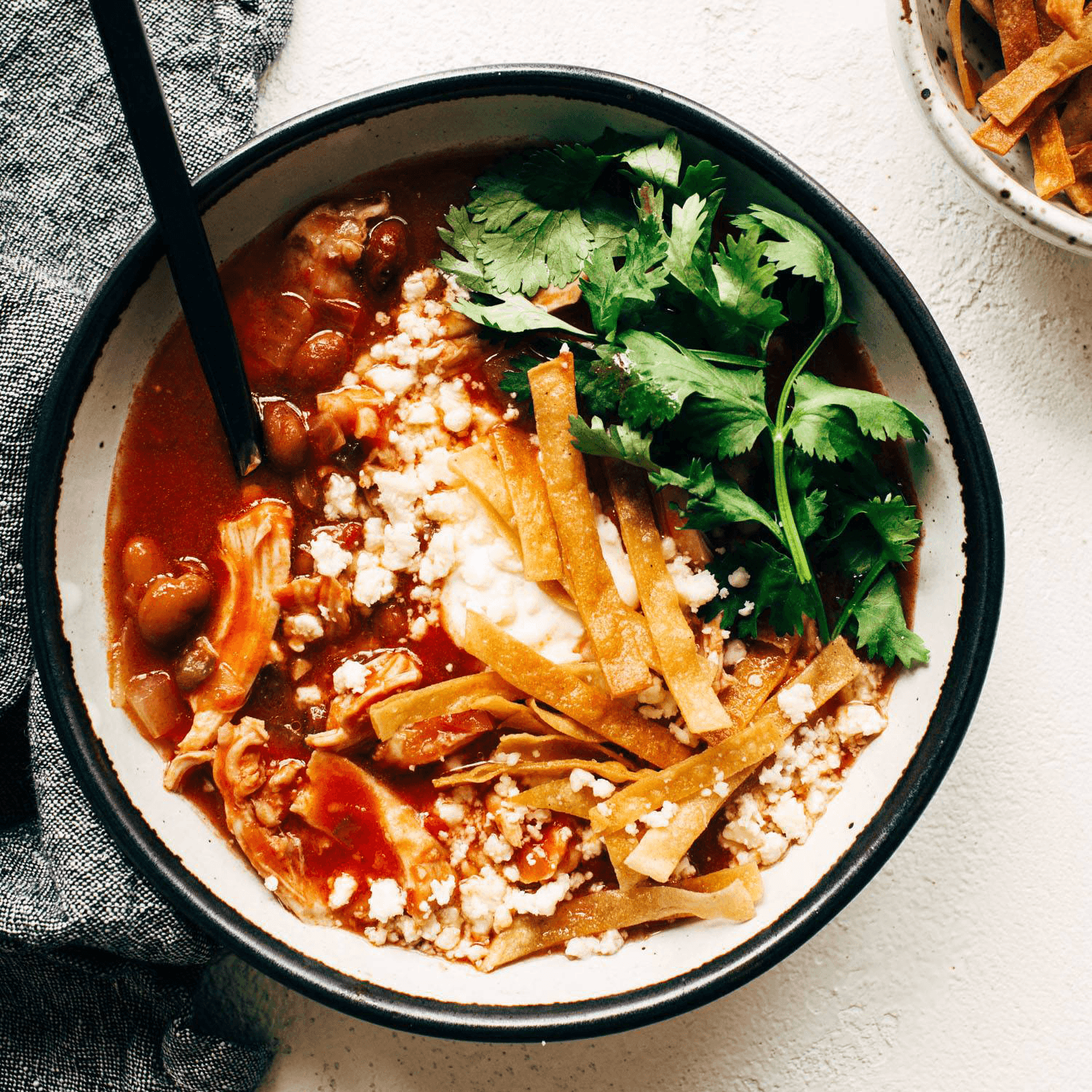
Hearty Chicken Tortilla Soup
Formulated to serve six, this soup combines proteins, broths, and vegetables in a single storage vessel for long-term preservation. Cooking methods mirror those of the butter chicken, with a final enrichment step involving the addition of rinsed pinto beans after the chicken has been shredded. Garnishes such as tortilla strips, lime wedges, and sour cream complete the dish. -
Ricotta Meatballs with Crispy Topping
Yielding four to five servings per batch, these meatballs incorporate ricotta cheese for moisture and texture. The preparation requires mixing and rolling the meat mixture, flash-freezing on parchment-lined pans, and dividing them into portions. Baking at 400 degrees Fahrenheit for 30 minutes is followed by the addition of marinara sauce and a subsequent 10-minute warming period. A final topping of panko breadcrumbs, Parmesan cheese, olive oil, and parsley is broiled until golden brown, offering a contrast in texture.
Economic and Nutritional Implications
The adoption of structured freezer stashing carries measurable economic and nutritional implications for households. According to consumer behavior analysts, advance meal preparation is one of the most effective countermeasures against food waste, a significant contributor to household financial loss. By purchasing ingredients in quantities aligned with specific recipes and freezing them at peak freshness, consumers can extend the usable life of perishable items such as fresh produce and poultry.
Furthermore, batch cooking and strategic freezing support nutritional consistency. When healthy, balanced meals are accessible with minimal effort during high-stress periods—such as weeknights dominated by children’s extracurricular activities or late professional commitments—households are statistically less likely to make impulsive, lower-nutrition dietary choices. Public health advocates increasingly view home-based culinary organization as a foundational element of preventative wellness, noting that controlled sodium, fat, and sugar levels in home-prepared meals directly correlate with improved long-term health outcomes.
Broader Impact on the Culinary and Appliance Markets
The popularity of freezer-friendly, assembly-based meal collections has also influenced the commercial sector, particularly in kitchen appliance manufacturing and food packaging design. Sales of slow cookers, multi-function pressure cookers, immersion blenders, and vacuum-sealing systems have experienced steady growth as consumers seek the hardware necessary to execute efficient meal prep strategies.
Additionally, food storage product manufacturers have responded to consumer demand by developing specialized, heavy-duty silicone and plastic bags designed to maximize freezer space while minimizing the risk of freezer burn. These market adaptations underscore a broader cultural pivot toward domestic efficiency, where time-saving innovations are seamlessly integrated into traditional household routines.
Looking Ahead: The Future of Home Meal Management
As the landscape of domestic labor continues to evolve, the emphasis on systems that reduce cognitive load and daily decision fatigue will likely remain a priority for households. Curated freezer stashes represent a synthesis of culinary tradition and modern time-management principles, offering a sustainable framework for daily nutrition.
Industry analysts predict that digital integration—such as automated grocery list generation, digital recipe card distribution, and smart-appliance synchronization—will further streamline the freezer-prep process in coming years. For the modern home cook, the ability to curate, store, and execute wholesome meals with minimal friction has transformed the kitchen from a site of daily stress into a well-managed engine of domestic efficiency.