The Science of Roasting and Flavor Profiles
The shift from stovetop simmering to oven roasting represents a significant change in how tomatoes are processed. When cherry tomatoes are subjected to dry heat in an oven, moisture content begins to evaporate, causing the remaining sugars to concentrate. This process is further enhanced by the presence of onions and garlic, which undergo a similar transformation, softening and caramelizing as their cell walls break down.

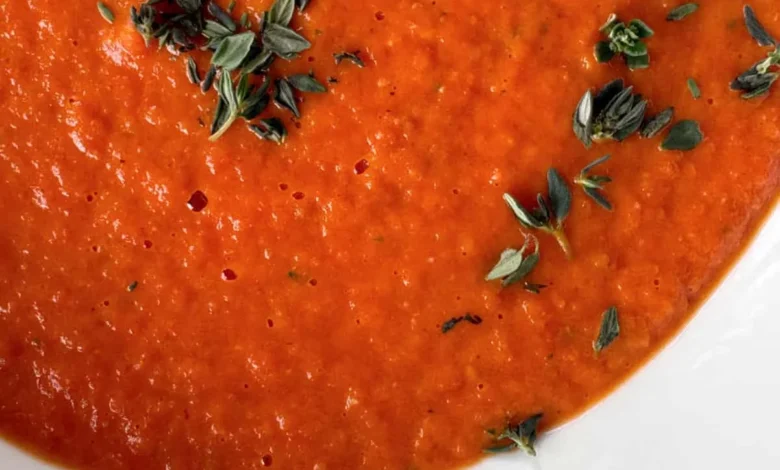
Nutritionally, this process does not diminish the profile of the vegetable significantly. Cherry tomatoes are recognized by the U.S. Department of Agriculture (USDA) as excellent sources of vitamins A and C, as well as potassium. A standard serving of this soup retains approximately 115 mg of Vitamin C, providing a robust antioxidant boost. Unlike traditional industrial tomato soups, which often rely on emulsifiers or thickeners, the roasting process creates a naturally viscous texture. The pectin in the tomato skins and the softened fibers of the roasted onions facilitate a silky mouthfeel when pureed, effectively eliminating the need for dairy-based thickening agents.
Historical Context and Seasonal Dynamics
The tradition of processing tomatoes into soup dates back centuries, but the specific focus on "cherry" varieties is a more modern development tied to the rise of home gardening and the increased availability of diverse tomato cultivars in farmers markets. According to data from the National Gardening Association, cherry tomatoes are the most popular crop among home vegetable gardeners due to their high yield and relatively low maintenance requirements compared to larger beefsteak varieties.

The peak season for these tomatoes typically occurs between July and September in the Northern Hemisphere. During this window, the market price for fresh tomatoes often hits its annual low, providing an economic incentive for home cooks to preserve the harvest. Transforming these tomatoes into a soup is not merely a method of consumption; it is a form of waste reduction. In an era where food waste is a growing global concern, preserving surplus garden produce by roasting and blending it aligns with sustainable household practices.
Step-by-Step Methodology for Optimal Results
The transition from raw produce to a finished soup follows a strict chronological order to ensure the development of maximum flavor:

- Preparation and Seasoning: The tomatoes, whether they are red, yellow, or a mix of varieties, are cleaned and placed on a baking sheet. The addition of aromatics—specifically whole cloves of garlic and quartered sweet onions—is essential. Olive oil serves as the fat medium, which helps conduct heat and aids in the caramelization process.
- Thermal Processing: The mixture is roasted at a high temperature (typically between 400°F and 425°F) for 25 to 30 minutes. The objective is to achieve a blistered skin on the tomatoes and a golden-brown hue on the onions.
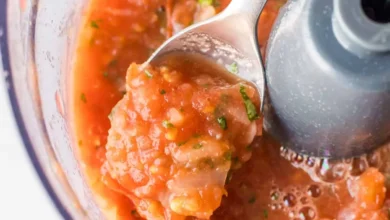
- Emulsification: Once cooled slightly, the roasted contents are transferred to a high-powered blender. The inclusion of fresh herbs, such as thyme, adds a top note of brightness that balances the deep, savory undertones of the roasted vegetables.
- Refinement: While the soup is naturally smooth, those seeking a restaurant-grade texture may choose to pass the mixture through a fine-mesh sieve to remove any remaining skin fragments or seeds, though this is largely a matter of aesthetic preference.
Culinary Implications and Pairing Strategies
The versatility of roasted cherry tomato soup allows it to function in multiple roles within a meal. As a starter, it provides an acidic contrast to richer, heavier courses. When paired with protein-heavy dishes—such as grilled chicken, Italian-style beef sandwiches, or traditional grilled cheese—it serves as a balancing agent. The acidity of the tomatoes cuts through the fat of the cheese or the saltiness of cured meats, creating a balanced palate experience.
Furthermore, the adaptability of the recipe is high. Culinary experts note that the base is highly customizable. Variations include the addition of balsamic glaze for a deeper, more acidic finish, or the incorporation of roasted red peppers to introduce a smoky element. For those with dietary restrictions, the recipe is inherently vegan and gluten-free, provided that no additional thickeners are added during the blending process.

Economic and Practical Considerations
For the budget-conscious consumer, the economics of this recipe are favorable. Because the primary ingredients are seasonal produce, the cost per serving is significantly lower than that of store-bought, processed soups. The soup also demonstrates high durability in terms of storage; it can be frozen for several months without significant degradation in quality. This makes it an ideal "batch-cooking" candidate for those looking to manage their time during busy work weeks.
From a public health perspective, the shift toward whole-food, homemade soups represents a move away from the high sodium levels often found in canned soups. A homemade version typically contains roughly 60 mg of sodium per serving, a stark contrast to commercial brands that often contain 500 mg or more per serving. This makes the dish a viable option for individuals managing blood pressure or those adhering to low-sodium dietary requirements.

Expert Analysis of the "Summer Surplus" Phenomenon
Agricultural analysts have observed that the "cherry tomato spike"—the period where production far outpaces demand in home gardens—often leads to a surge in search queries for preservation and cooking methods during late August. The popularity of the roasted cherry tomato soup recipe is indicative of a broader trend: the "farm-to-table" movement entering the domestic kitchen.
"The fundamental appeal," says culinary consultant Dr. Elena Rossi, "is that it requires minimal technical skill but yields a high-reward, high-flavor result. By removing the guesswork of complex stocks or long-simmering broths, the roasting method allows the ingredient to speak for itself. It is a perfect intersection of necessity and culinary science."

Future Outlook for Home Preservation
As interest in food provenance and self-sufficiency continues to grow, recipes that focus on the simplicity of the ingredient will likely remain staples. The shift toward utilizing the entire harvest—even the fruit that might be slightly overripe or aesthetically imperfect—is a critical component of the modern home kitchen.
The roasted cherry tomato soup is not merely a seasonal dish; it is an example of efficient resource management. Whether it is served hot on a cool autumn evening or chilled as a gazpacho during the height of a heatwave, the soup remains a testament to the fact that when high-quality ingredients are treated with the correct thermodynamic principles, the final product requires very little intervention to achieve culinary excellence. As we look toward future food trends, the focus on simple, nutrient-dense, and sustainable meal preparation remains at the forefront of the gastronomic landscape.