Beyond the Barolo of the South: Exploring the Volcanic and Vibrant White Wines of Italy’s Campania Region

While the sun-drenched hills of Campania are historically celebrated for producing Aglianico—the formidable, structured red wine frequently lauded as the “Barolo of the South”—a quiet revolution is unfolding along the Tyrrhenian coast. Wine enthusiasts and connoisseurs are increasingly turning their gaze away from heavy reds and toward Campania’s dynamic, lesser-known white grape varieties. Shaped by centuries of volcanic activity from Mount Vesuvius and Mount Taburno, these soils yield some of the most exciting, high-acid, and mineral-driven white wines available in the modern global marketplace.
As contemporary consumer preferences shift toward lighter, lower-alcohol wines, Campania’s native white varietals present an ideal alternative. Largely vinified in stainless steel tanks rather than heavy oak barrels, these bottles retain a pristine purity of fruit, vibrant natural acidity, and a distinct terroir that reflects the region’s complex topography and volcanic heritage.
The Volcanic Terroir and Climate of Campania
Campania’s viticultural identity is inextricably linked to its dramatic geography. Dominated by the enduring presence of Mount Vesuvius and the rolling inland hills of the Avellino and Benevento provinces, the region benefits from soils rich in ash, pumice, and tuffa—a chalky, compressed volcanic rock that imparts a distinctive, saline minerality to the juice.
Furthermore, the region’s hilly terrain provides a crucial cooling influence during the hot Southern Italian summers. This diurnal temperature variation allows grapes to maintain high levels of natural acidity while developing complex flavor profiles. Consequently, the resulting wines possess a refreshing, lively structure that makes them exceptionally versatile at the dinner table. They pair effortlessly with fresh seafood, shellfish, artisanal cheeses, and a wide array of vegetable dishes, filling a vital niche for modern food-and-wine pairing.
Key White Varietals: Fiano, Greco, and Falanghina
At the forefront of Campania’s white wine renaissance are three primary indigenous grapes: Fiano, Greco, and Falanghina, alongside historic rarities like Coda di Volpe. Each variety brings a distinct personality to the glass, contributing to the multifaceted landscape of southern Italian viticulture.
Fiano di Avellino
Fiano is arguably the crown jewel of Campania’s white production, anchored by the prestigious Fiano di Avellino DOCG denomination in the province of Avellino. Known for its remarkable balance of crisp acidity and vivid fruit, floral, and herbal notes, Fiano defies the stereotype of lightweight summer whites. While approachable in its youth, high-quality Fiano possesses a complex, multi-layered structure that allows it to evolve gracefully in the bottle over several years, developing rich textures and secondary aromas of honey, nuts, and smoke.
Greco di Tufo
Believed to have been introduced to Italy from Greece centuries ago, Greco reaches its pinnacle in the Greco di Tufo DOCG. The designation takes its name from the town of Tufo, where the vineyards are planted over deep strata of the aforementioned tuffa soil. This unique geological composition gives the wine its intense minerality, structural backbone, and bright, citrus-forward profile, often accented by notes of green apple and fresh herbs.
Falanghina and Coda di Volpe
Falanghina, another ancient grape variety with potential Hellenic roots, delivers refreshing, highly accessible wines designed for immediate enjoyment. Though slightly less structurally complex than Fiano or Greco, it offers bright citrus and stone fruit characteristics that make it a quintessential everyday drinking wine. Meanwhile, rarer regional varieties like Coda di Volpe—whose name translates literally to "tail of the fox," referencing the shape of its hanging clusters—add further depth to the region’s portfolio with elegant profiles marked by hints of flint, almond, and white peach.
Comparative Market Analysis: Campania vs. Etna Biancos
Industry analysts and sommeliers frequently draw parallels between the white wines of Campania and the celebrated Etna Biancos produced on the slopes of Mount Etna in Sicily. Though cultivated from entirely different grape selections, both regions share a common stylistic thread: high-acid, textured, volcanic-driven profiles that currently represent some of the most compelling value propositions in the global fine wine market.
While benchmark white Burgundies and high-end domestic Chardonnays continue to climb in price, Southern Italian volcanic whites offer consumers world-class complexity, age-ability, and terroir expression at a fraction of the cost. This economic advantage, combined with a growing global appetite for lower-intervention, unoaked white wines, has driven a steady increase in export volumes over recent years.
Curated Selection: Nine Exceptional Campania Whites to Try
For those looking to explore the diversity of Campania’s white wine landscape, the following curated selection highlights nine standout bottles currently available on the market, ranging from crisp, everyday sippers to profound, age-worthy expressions of volcanic terroir.
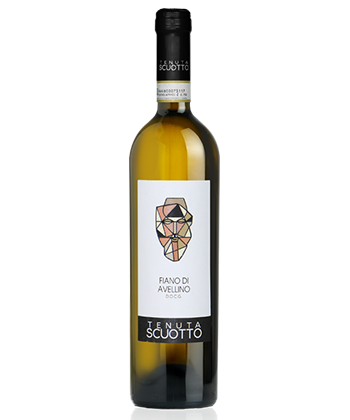
Tenuta Scuotto Fiano di Avellino 2023
- Price: $20
- Profile: Demonstrating the hidden depth of the Fiano grape, this expression offers a striking richness balanced by aromas of fresh peach, honey, and subtle mint, underscored by a pronounced mineral backdrop and a hint of almond. Notably, the estate is transitioning to certified organic agricultural practices. While many white wines are consumed young, this bottling suggests significant potential for cellaring and flavor development over time.
Villa Matilde Greco di Tufo di Altavilla 2024
- Price: $23
- Profile: A brilliantly crisp and citrus-forward wine defined by bright lemon and tart green apple notes. An underlying herbal complexity prevents the fruit from becoming overwhelming, leading cleanly into a lingering, mineral-driven finish that is both refreshing and memorable.
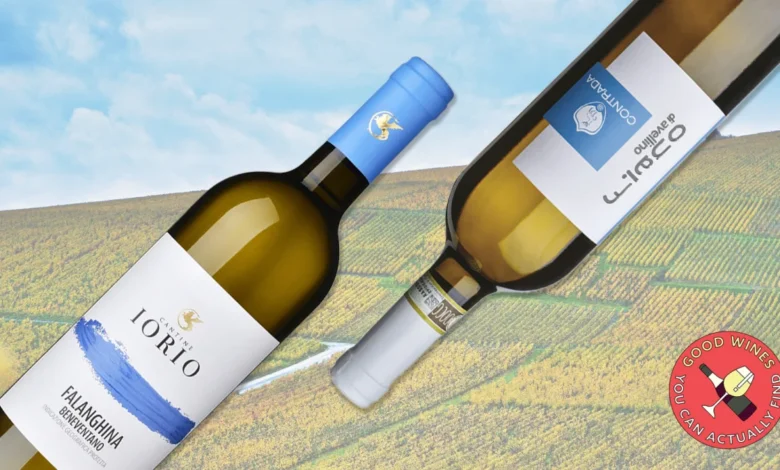
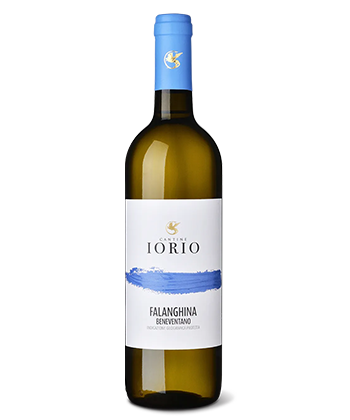
Cantine Iorio Falanghina Beneventano 2025
- Price: $18
- Profile: Sourced from limestone and clay soils in the province of Benevento, this pale straw-colored wine spends four months maturing in stainless steel tanks. It delivers rich aromatics of honeydew melon, honeysuckle, white blossoms, almond, white pepper, and menthol, establishing itself as a year-round crowd-pleaser.
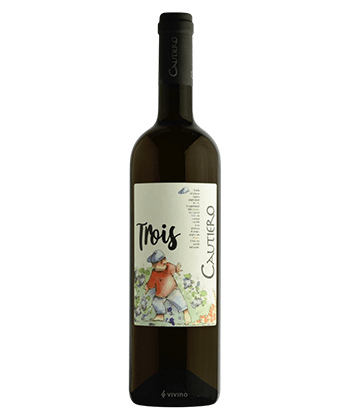
Cautiero “Trois” Greco 2023
- Price: $18
- Profile: Crafted near Mount Taburno by an estate practicing organic farming and a brief four-to-five-day skin-contact maceration, this golden-hued orange wine bursts with concentrated aromas of candied apple, peach, apricot, lemon, grapefruit, and honey. It is supported by a gentle tannic grip and vibrant natural acidity.
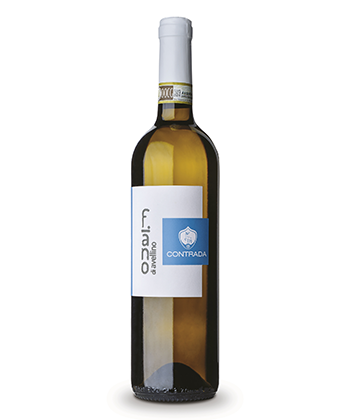
Contrada Fiano di Avellino 2024
- Price: $23
- Profile: A delicate, savory white that marries textural richness with vibrant lemon-lime fruit and a touch of honey. Nuances of tomato leaf, fresh herbs, and saline salinity provide savory complexity, culminating in an extended, mineral finish.
Fattoria La Rivolta Fiano Taburno Sannio
- Price: $25
- Profile: Representing an estate with nearly three decades of organic farming experience, this Fiano pairs luscious orchard fruit with a dominant, structural minerality. The palate is rounded and generous, revealing layers of apple, wild strawberry, and orange, accented by fresh thyme and white flowers.
Fattoria La Rivolta Coda di Volpe Taburno Sannio 2024
- Price: $21
- Profile: A superb showcase of the lesser-known Coda di Volpe variety, offering an elegant, rounded profile punctuated by flint and crushed almond. Aromas of white peach, apricot, and a whisper of vanilla are carried through a long, mineral-laden finish.
Iovine Falanghina 2024
- Price: $18
- Profile: An exceptional value-driven Falanghina that greets the glass with a subtle, lively spritz upon opening. Ripe citrus notes—predominantly orange—merge with fresh pineapple and herbal undertones, anchoring a clean, refreshing, and mineral-driven finish.
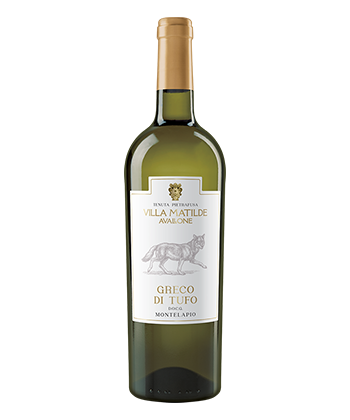
Villa Matilde Fiano di Avellino “Montelapio” 2024
- Price: $23
- Profile: Highly approachable and designed for casual enjoyment, this Fiano serves as an ideal house white for weeknight sipping or pairing with poultry and lighter seafood dishes. It features classic green and red apple notes, a bright splash of citrus, and the hallmark volcanic minerality that defines the appellation.
Broader Economic and Cultural Implications
The surging popularity of Campania’s white wine sector signals a broader structural shift within the Italian wine export market. Historically overshadowed by the heavy commercial dominance of northern Italian powerhouses like Pinot Grigio and Prosecco, Southern Italian producers are successfully leveraging their unique geological heritage to capture the attention of sophisticated international consumers.
By prioritizing indigenous grapes over international varietals such as Chardonnay or Sauvignon Blanc, Campanian winemakers are safeguarding agricultural biodiversity while creating resilient, high-value economic models for local farming communities. As climate change continues to challenge traditional wine-growing regions across Europe, Campania’s high-altitude, breeze-cooled volcanic slopes offer a compelling blueprint for the future of sustainable, terroir-driven viticulture.