The intersection of viticulture and gastronomy offers some of the most enduring and revered pairings in culinary arts, with the union of wine and steak standing out as an essential milestone in any epicurean journey. As the global market for premium beef and artisanal wine continues to expand—with industry analytics projecting the global wine market to exceed $450 billion by 2030—consumers are increasingly moving beyond arbitrary selections. They are seeking precise, nuanced pairings that elevate both the protein on the plate and the vintage in the glass. Because cattle anatomy yields a diverse array of cuts, each possessing distinct fat distributions, muscle structures, and flavor profiles, matching a steak requires more than a blanket rule of pouring any available red. Historically, culinary traditions dictated simple regional pairings, such as matching a local Bordeaux with a thick-cut ribeye. However, modern gastronomy approaches these pairings through a scientific lens, balancing protein density, fat rendering, and chemical compounds like tannins and acidity.
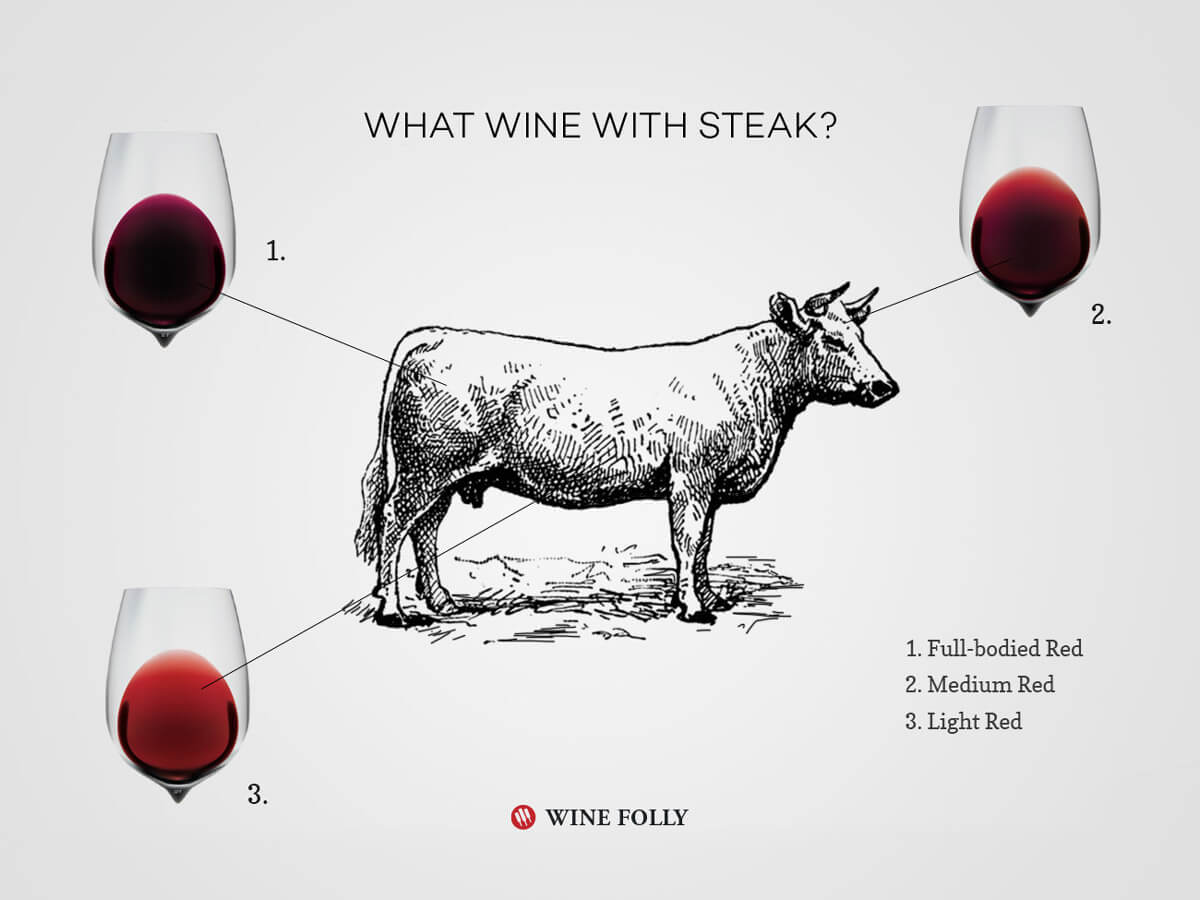
To understand the architecture of a successful wine and steak pairing, one must examine the foundational chemical interactions between food and beverage. The golden rule of this pairing dynamic relies on the interplay between fat, protein, and structural elements in wine, primarily tannins and acidity. Leaner cuts of meat, which contain minimal intramuscular fat, require lighter-bodied red wines that will not overwhelm the delicate texture of the beef. Conversely, rich, heavily marbled cuts demand high-tannin wines. Tannins, naturally occurring polyphenols found in grape skins, seeds, and stems, bind to proteins and fats in the mouth, cleansing the palate and softening the perceived astringency of the wine. When a high-tannin wine encounters the rich oleic fats of a well-rendered ribeye, the fat coats the palate, while the tannins bind to it and sweep it away, creating a harmonious balance.
Culinary historians note that the systematic pairing of red wine with beef gained widespread prominence during the mid-20th century, coinciding with the rise of modern steakhouse culture in major metropolitan centers like Chicago and New York. Over the decades, chefs and sommeliers have refined these practices, moving from basic color-based associations—such as "red meat, red wine"—to meticulous chemical analysis. Modern food science confirms that Maillard reactions, the chemical reactions between amino acids and reducing sugars that give browned meat its distinctive flavor, also play a critical role. The charred crust of a grilled steak introduces smoky, umami compounds that react exceptionally well with the fruit-forward notes and oak-aged complexities of aged red wines.
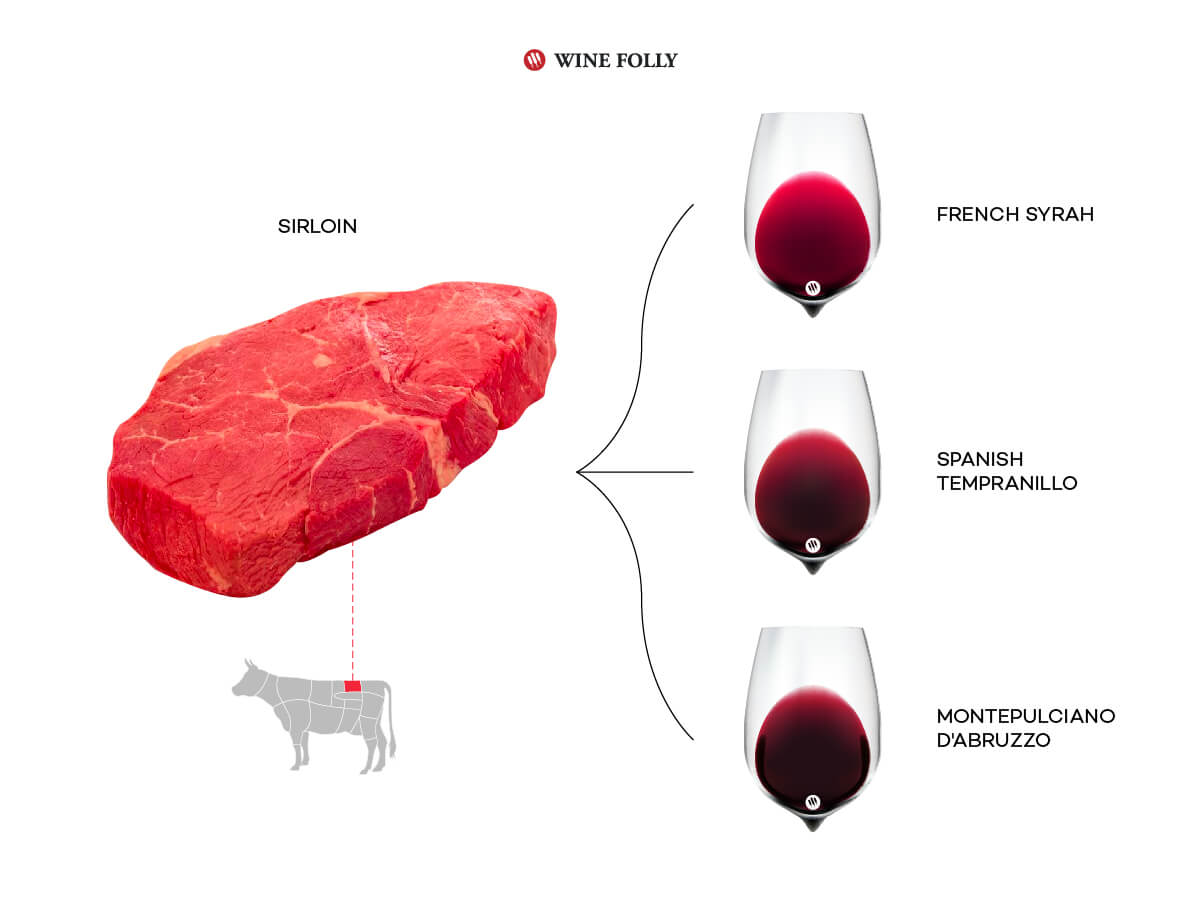
When evaluating specific cuts, the culinary landscape offers a wide spectrum of textures and flavors, each demanding a tailored approach. The sirloin, historically recognized as a reliable workhorse cut, offers moderate leanness with a distinct strip of fat along the edge. Because sirloin can be prepared across various dry-heat methods—including grilling, pan-searing, and broiling—and subjected to diverse marinades or spice rubs, it requires versatile, medium-to-full-bodied red wines that can adapt to shifting flavor profiles. Culinary experts recommend selecting wines with bright acidity and moderate tannins, ensuring the beverage complements the beef without clashing with garlic, herbs, or peppercorn crusts.
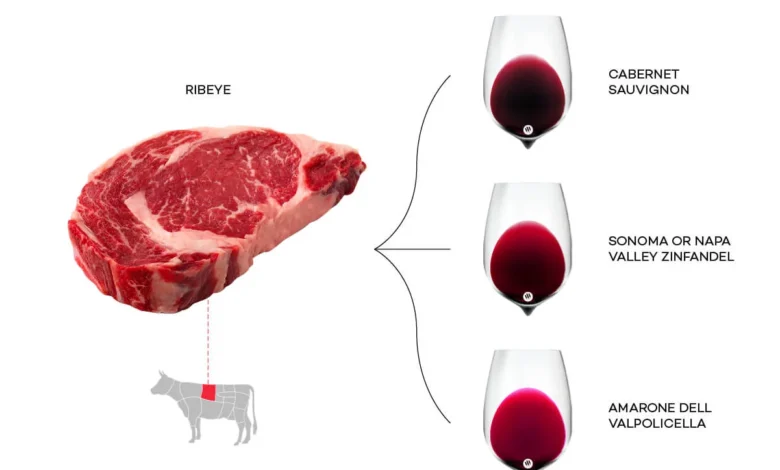
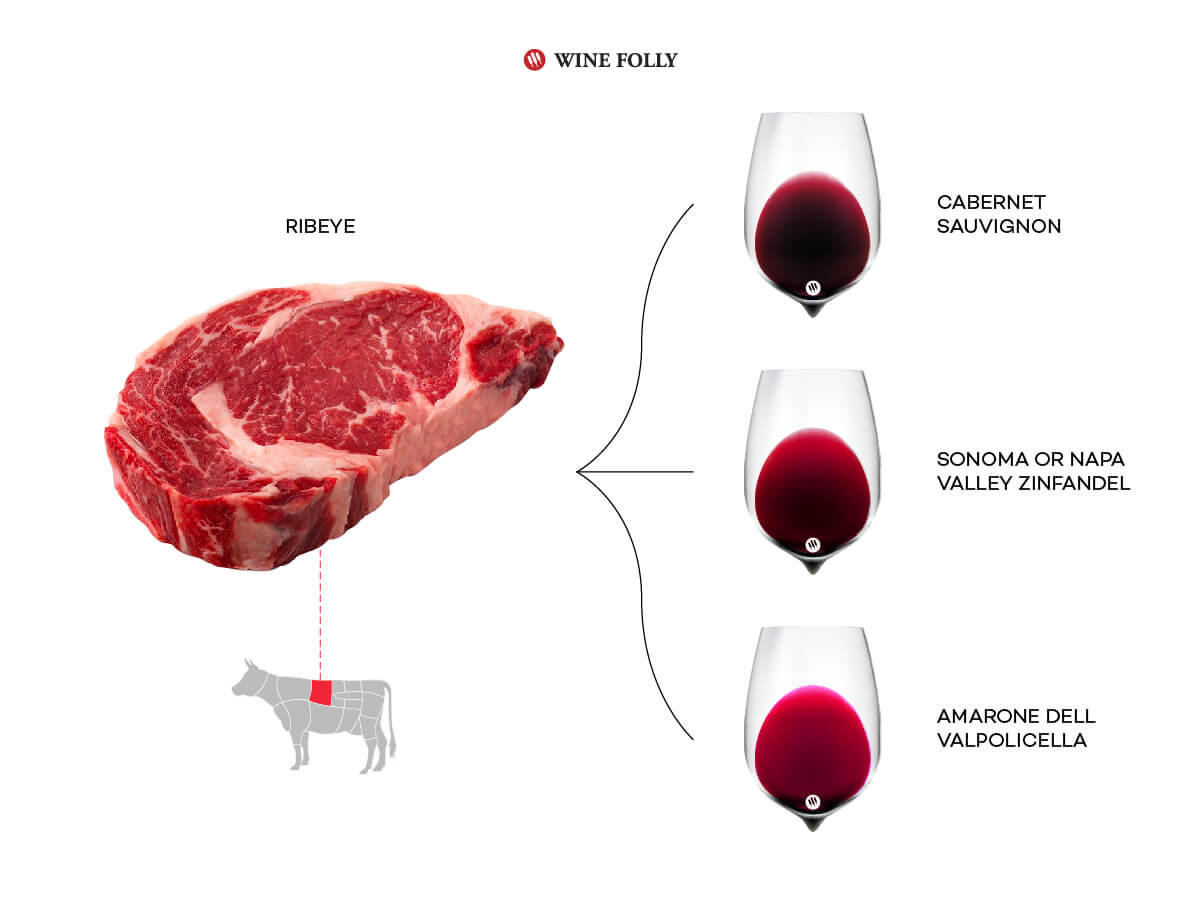
Moving up the richness scale, the ribeye and its bone-in counterpart represent the pinnacle of indulgence for steak enthusiasts. Derived from the upper rib section of the steer, the ribeye is celebrated for its abundant intramuscular fat, commonly referred to as marbling. This extensive marbling melts during the cooking process, infusing the muscle fibers with moisture and a buttery, rich flavor profile. Because of this high fat content, the ribeye demands wines with assertive structures. High-tannin reds or wines boasting powerful, concentrated fruit flavors are essential here; they act as a sharp contrast to the rich mouthfeel, preventing the dish from becoming cloying.
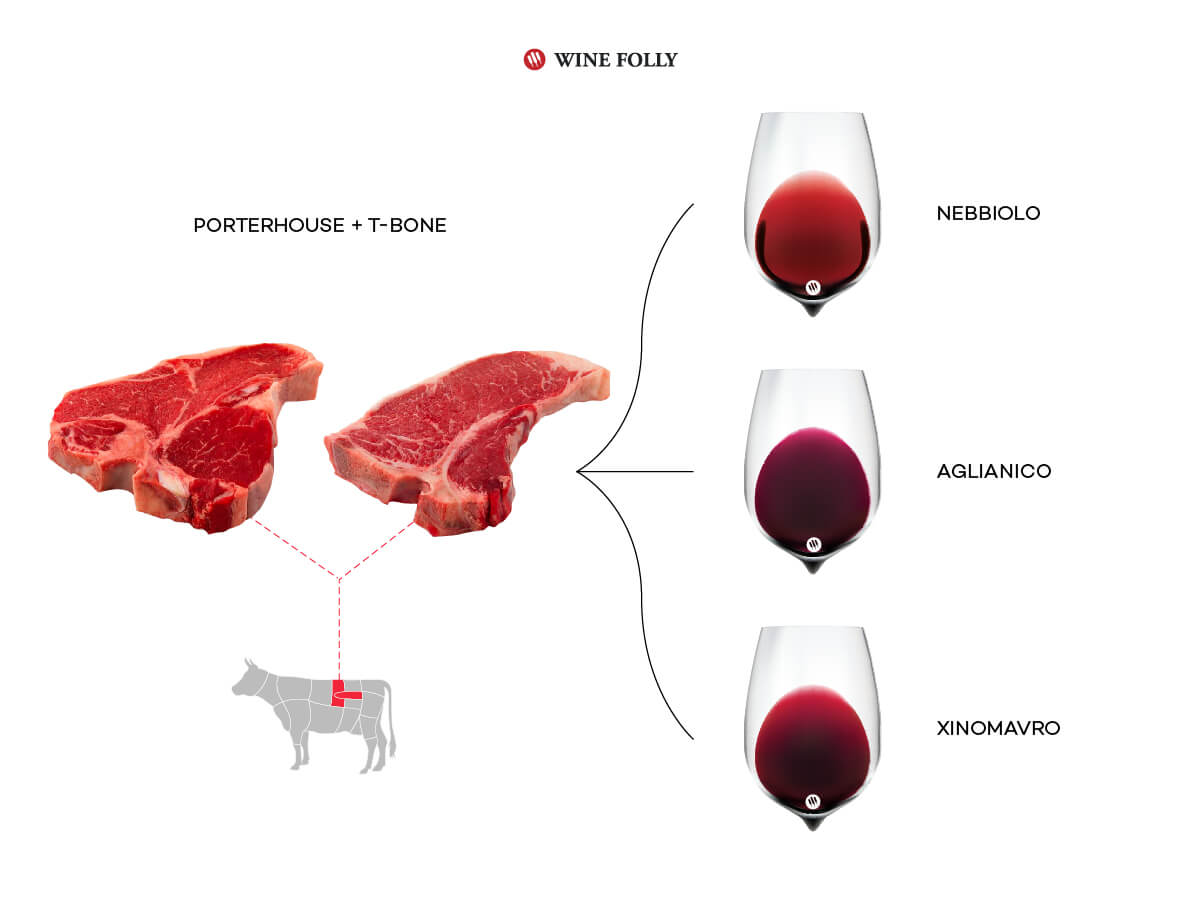
For diners seeking a compromise between leanness and tenderness, the Porterhouse and T-Bone cuts present a compelling dual-profile option. Separated by a distinctive T-shaped lumbar vertebra, these cuts feature a larger strip loin on one side and a smaller, tender tenderloin on the other. This juxtaposition of a firmer, deeply flavored strip with a delicate filet requires thoughtful consideration. Sommeliers generally favor aromatic, moderately structured red wines that can gracefully bridge the gap between the two distinct textures, enhancing the overall profile without overpowering the leaner filet side.
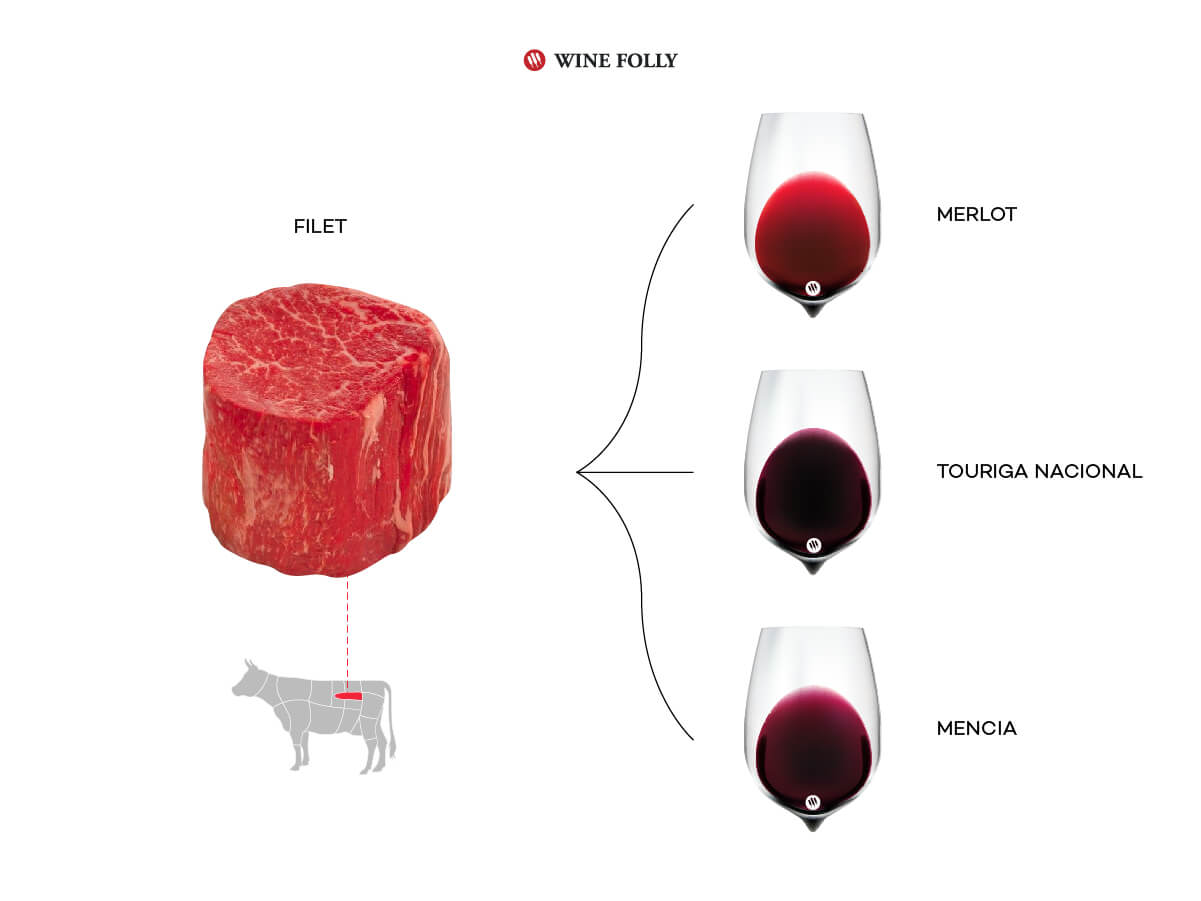
Widely regarded as the premier cut in butchery, the filet mignon offers unmatched tenderness accompanied by a subtle, understated flavor profile. Sourced from the tenderloin—a muscle that does little heavy lifting during the animal’s life—the filet is exceptionally lean and lacks the robust marbling found in a ribeye. Consequently, it requires a delicate touch. Heavy, aggressive high-tannin wines can easily strip away the subtle nuances of a properly prepared, butter-basted filet mignon. Instead, culinary professionals advocate for refined, elegant red wines that maintain a respectful distance, offering complementary earthy or fruit-forward notes that enhance the meat’s natural tenderness rather than masking it.
The New York Strip—also known by regional monikers such as shell steak or Kansas City strip—offers a compelling balance of intense beef flavor and robust texture. Sourced from the short loin, the strip contains more connective tissue and a distinct fat cap, making it a favorite for cast-iron skillet preparations where butter-basting creates a rich crust. To properly accompany a strip steak, a wine must possess both strong fruit characteristics and sufficient acidity and tannin structure to slice through the concentrated beef fats.
For cuts derived from hard-working muscle groups, such as the rump, flank, and skirt, preparation techniques often dictate the beverage selection. Rump steaks, while firm, deliver intense flavor and often benefit from marinades or slow roasting. Similarly, flank and skirt steaks, prized for their loose grain and deep beef flavor, are frequently marinated for fajitas or grilled rapidly over high heat to prevent toughness. When enjoyed strictly as steak, these leaner, chewier cuts benefit from structured red wines that can soften the perception of texture, transforming a potentially tough bite into a savory, cohesive dining experience.
At the far end of the culinary spectrum lies the brisket. Though traditionally classified as a barbecue staple rather than a traditional steak, brisket’s massive popularity in contemporary meat culture warrants its inclusion in pairing discussions. Requiring low-and-slow smoking techniques over indirect heat, brisket develops an intense, smoky bark infused with the aromatics of burning wood—such as hickory, oak, or mesquit. The wine selection for brisket is heavily dictated by this smoke profile; robust red wines featuring earthy undertones, black pepper, and dark fruit profiles are necessary to stand up to the heavy smoke and rendered collagen of a properly barbecued brisket.
Industry analysts and culinary economists note that consumer interest in pairing science continues to drive growth within the premium food and beverage sectors. According to recent hospitality trend reports, educational dining experiences and guided pairing menus have seen a steady year-over-year increase, as diners increasingly view meals as opportunities for sensory exploration. Food and beverage directors at luxury dining establishments report that guests are eager to understand the "why" behind a sommelier’s recommendation, moving past traditional dining tropes into a deeper appreciation of gastronomy.
Ultimately, while expert guidelines and chemical principles provide a reliable framework for wine and steak pairings, individual palate preference remains the ultimate arbiter of taste. Culinary traditions are meant to evolve, and adventurous diners are encouraged to use established pairings as a baseline for personal experimentation. Whether exploring bold new vintages from emerging wine regions or revisiting classic combinations, the primary objective of any pairing is enjoyment. As the intersection of wine appreciation and steak preparation continues to mature, the possibilities for unique, personalized dining experiences remain boundless.