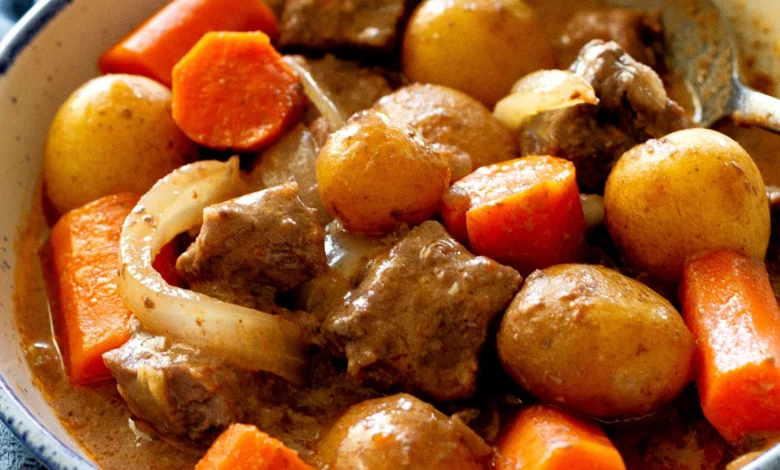
The traditional beef stew, a staple of comfort cuisine, has undergone significant transformations in the modern home kitchen, moving from labor-intensive hearth-cooking methods to versatile, time-efficient techniques involving ovens and slow cookers. While classic recipes often emphasize long, stovetop braising with red wine and aromatic herbs, contemporary variations have introduced unconventional components—such as ketchup and cream of celery soup—to achieve depth of flavor and texture with reduced preparation time. This shift reflects a broader trend in domestic culinary practices, where the pursuit of convenience is increasingly balanced against the demand for traditional, hearty meals.
Historical Context of the Stew
Stewing, one of the oldest methods of food preparation, originated as a way to soften tough cuts of meat and preserve nutrients by cooking them in liquid over an extended period. Throughout history, stews were the primary output of the "pottage" culture, utilizing whatever vegetables and proteins were available. In the mid-20th century, the introduction of canned condensed soups into home cooking allowed for a shortcut to the rich, thickened gravy that typically requires a laborious roux or the reduction of gelatin-rich stocks.
The inclusion of ingredients like ketchup—which provides a balance of acidity, sweetness, and tomato umami—and cream of celery—which acts as a thickening agent and flavor enhancer—represents a departure from French culinary foundations. These ingredients gained popularity during the post-war era as household time-management became a priority, leading to a culinary movement that prioritized accessibility and reliability over traditional technical complexity.
Chronology of Culinary Adaptation
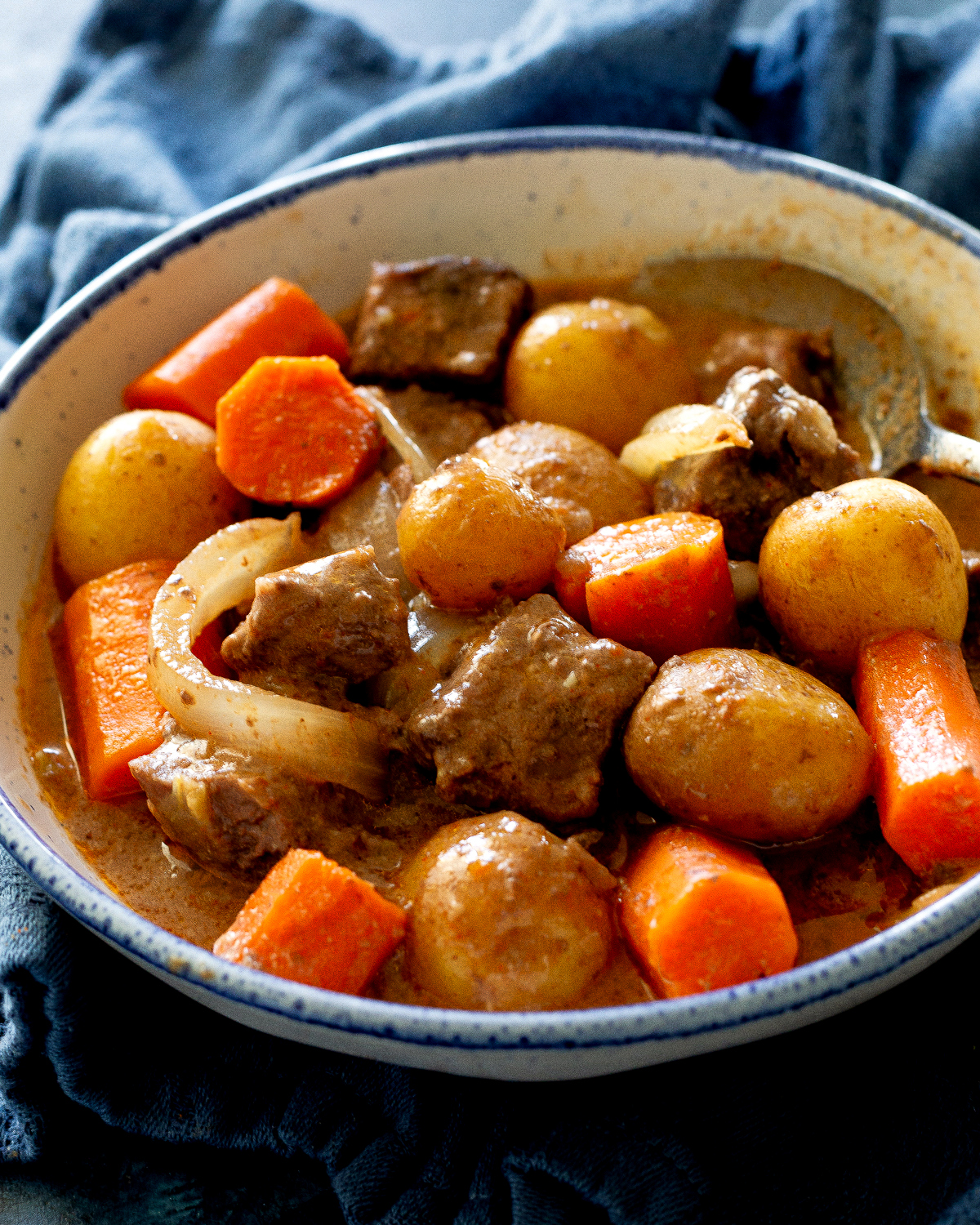
The evolution of the beef stew recipe can be tracked through the changing equipment found in the average household. In the early 20th century, the heavy iron pot was the primary tool, requiring constant monitoring over a flame. By the 1970s and 80s, the slow cooker, or "crockpot," revolutionized the dish by allowing the meat to reach a state of collagen breakdown—the transition from tough, connective-tissue-heavy muscle to tender, succulent fibers—without the risk of scorching or the need for constant attention.
The modern "oven-stew" method serves as a bridge between these eras. By utilizing the consistent, ambient heat of a modern oven, cooks can replicate the gentle environment of a fire-side hearth. The shift from stovetop to oven-baking provides a more uniform distribution of heat, which is essential for ensuring that root vegetables, such as carrots and potatoes, maintain their integrity without dissolving into the liquid, while the meat remains tender.
Nutritional and Structural Analysis
From a nutritional standpoint, beef stew is a dense source of protein and essential micronutrients. Stew meat, often cut from the chuck or round, is rich in iron, zinc, and B-vitamins. The addition of vegetables provides a necessary fiber component. However, the use of canned soups and processed condiments introduces higher sodium levels compared to traditional stocks.
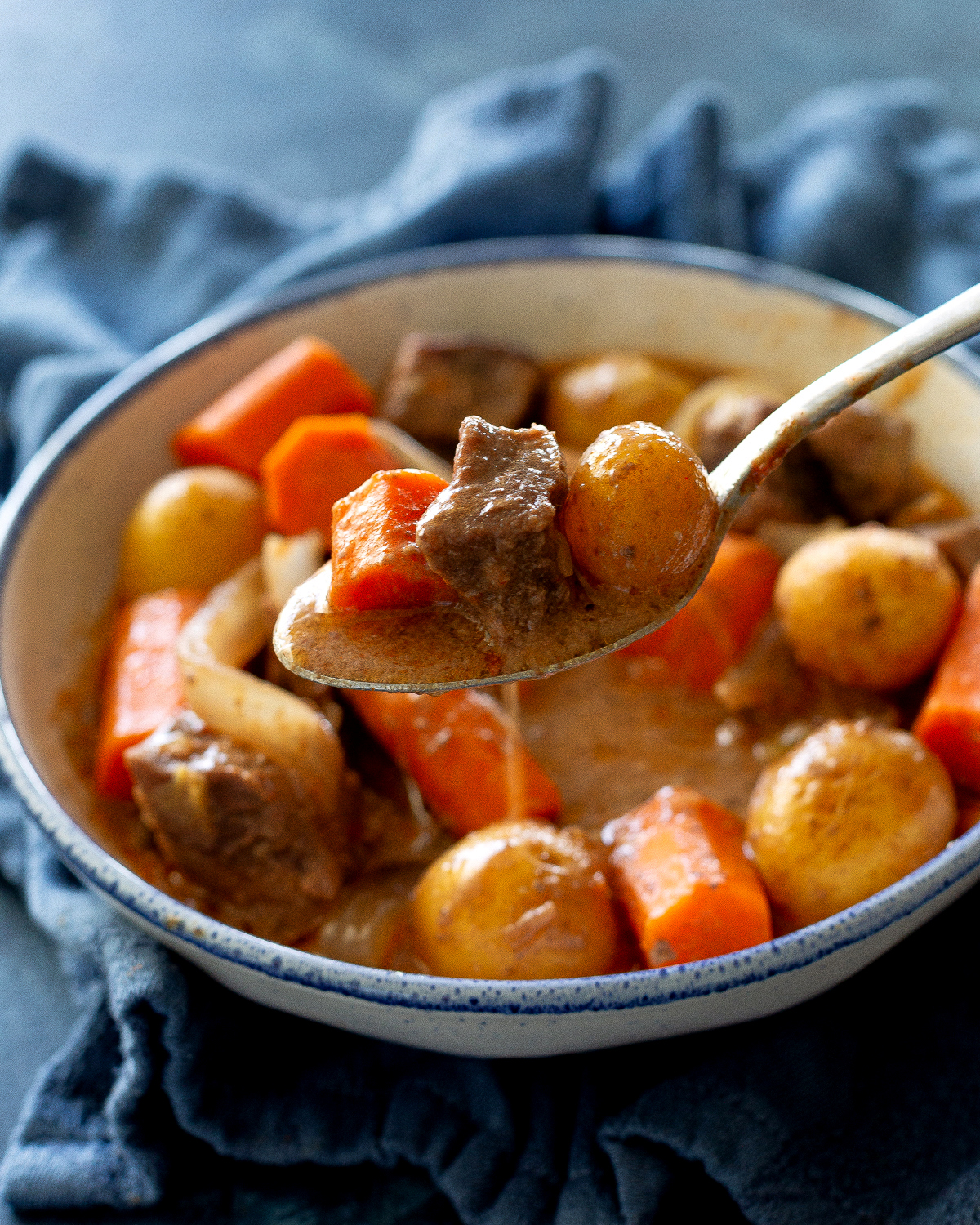
Food scientists note that the "heartiness" of a stew is defined by the viscosity of the liquid. While professional kitchens might achieve this through the slow degradation of bone collagen or the addition of a starch-based roux, the home-kitchen use of cream-based soups achieves a similar sensory profile—mouthfeel—with significantly less technical intervention. This "thick and hearty" texture is a key psychological indicator of satiety for consumers, reinforcing the dish’s status as a quintessential winter meal.
The Role of Convenience in Modern Domesticity
The narrative surrounding contemporary recipes often highlights the transition from novice cook to experienced home chef. For many, the ability to produce a high-quality, "from-scratch" tasting meal using simplified methods is a milestone in domestic life. The story of recipes being shared between roommates or passed down through informal networks highlights the social function of food.
In the modern landscape, the "crisis" of missing ingredients or the need for a quick, reliable meal is often resolved through the adoption of these simplified, "hack-based" recipes. This transition mirrors broader economic trends: as the workforce participation rate increased over the last four decades, the time allocated for daily meal preparation decreased. Consequently, recipes that provide the aesthetic and flavor profile of long-cooked meals but require only a few minutes of active preparation time have become highly valued commodities.
Economic and Industry Implications
The reliance on branded convenience products, such as condensed cream of celery soup, creates a consistent market for processed food manufacturers. Conversely, the demand for "stew meat" sustains the beef industry by providing a viable outlet for tougher, less expensive cuts of beef that might otherwise be discarded or diverted into ground beef production.
Furthermore, the rise of food blogging and digital recipe documentation has democratized culinary knowledge. Where once recipes were guarded in private family cookbooks, they are now subject to public scrutiny and continuous improvement. The documentation of failures—such as the early, poorly photographed attempts at these dishes—serves as a record of the learning curve involved in home cooking. This transparency encourages more individuals to attempt complex-sounding dishes, thereby increasing the diversity of food prepared at home.
Cultural Significance
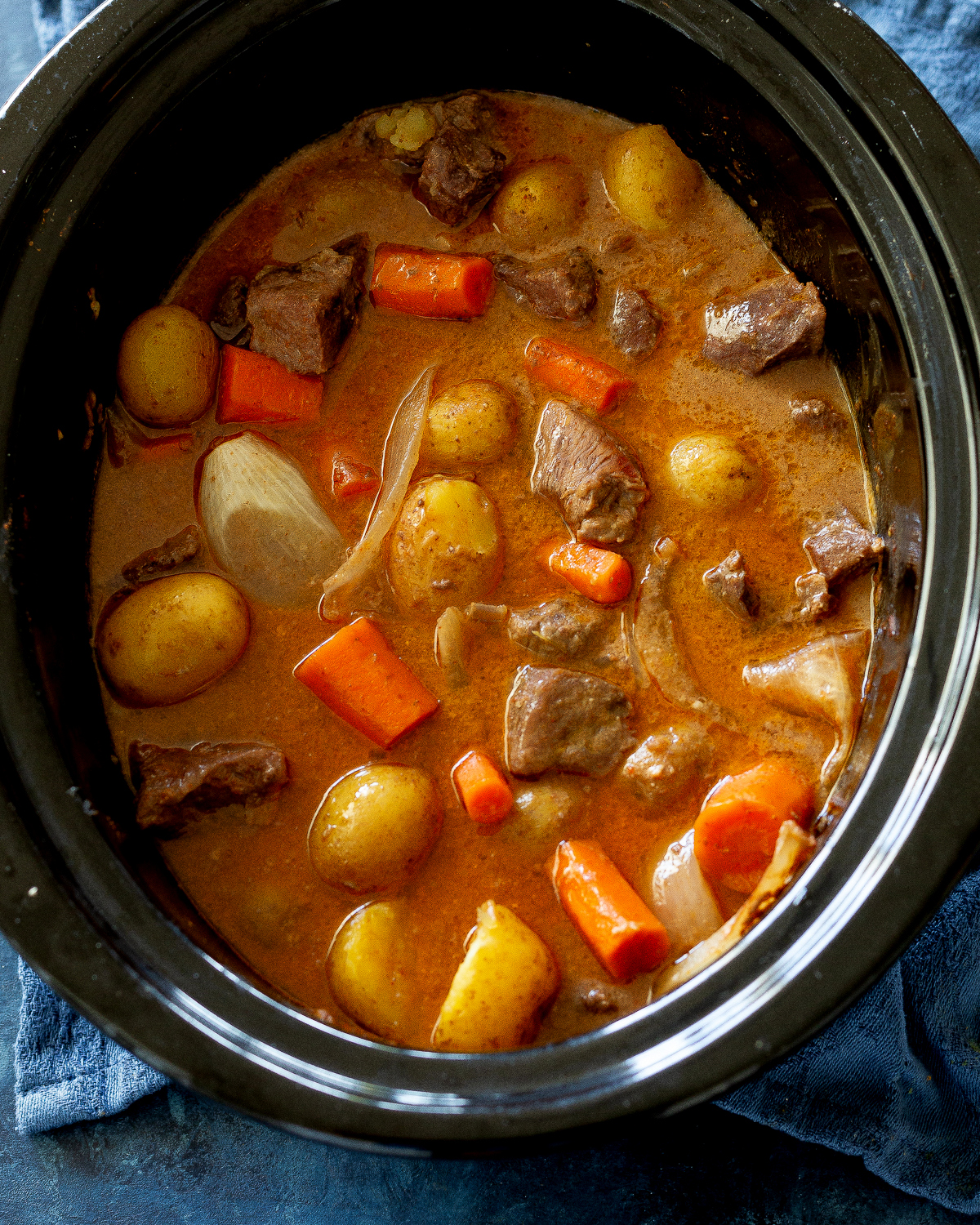
Beef stew remains a cultural touchstone for domestic comfort. Whether prepared in a state-of-the-art convection oven or a legacy-model slow cooker, the dish occupies a space that transcends the specific ingredients used. The debate between "purist" cooking and "convenience" cooking often misses the central point: the objective of the stew is the transformation of inexpensive, tough ingredients into a palatable and satisfying meal.
As culinary trends shift toward plant-based alternatives and farm-to-table sourcing, the classic beef stew remains resilient. Its adaptability is its greatest asset. By adjusting the liquid base, incorporating seasonal vegetables, or experimenting with different cuts of meat, the dish remains relevant to changing dietary preferences. The inclusion of unconventional ingredients like ketchup is not merely a shortcut; it is an evolution of flavor that caters to the modern palate’s preference for bold, balanced profiles.
Future Outlook
Looking ahead, the methodology for preparing beef stew will likely continue to evolve with the integration of smart-kitchen technology. Precision-controlled induction heating and AI-driven appliances may soon offer even more refined ways to manage the breakdown of connective tissues, potentially eliminating the need for even the most basic convenience additives. However, the core essence of the dish—a slow-cooked, nutrient-dense, and deeply satisfying meal—will undoubtedly remain a staple of the home kitchen.
The history of this dish serves as a testament to the ingenuity of the home cook. By navigating the balance between time constraints and the desire for high-quality food, individuals have successfully adapted traditional methods to fit the realities of 21st-century life. Whether it is served as a family dinner or a meal prepared for guests, the humble beef stew continues to bridge the gap between historical tradition and modern necessity, proving that even the most modest recipes can become an enduring part of a household’s identity.
Related posts: