The Evolution of Morning Pastries: How Banana Bread Scones are Redefining Breakfast Culture


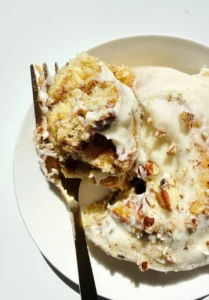
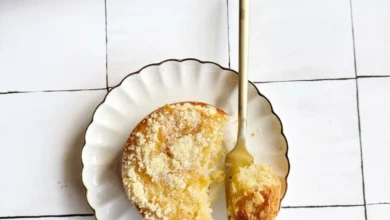
The culinary landscape is constantly evolving through the intersection of traditional comfort foods and modern baking techniques. In the latest development capturing the attention of professional pastry chefs and home bakers alike, the introduction of banana bread scones has bridged the gap between two breakfast staples. This innovative pastry combines the dense, moist profile of classic banana bread with the signature flaky architecture of a traditional British-style scone, signaling a broader shift toward hybrid baked goods in contemporary gastronomy.
Main Facts and Culinary Mechanics
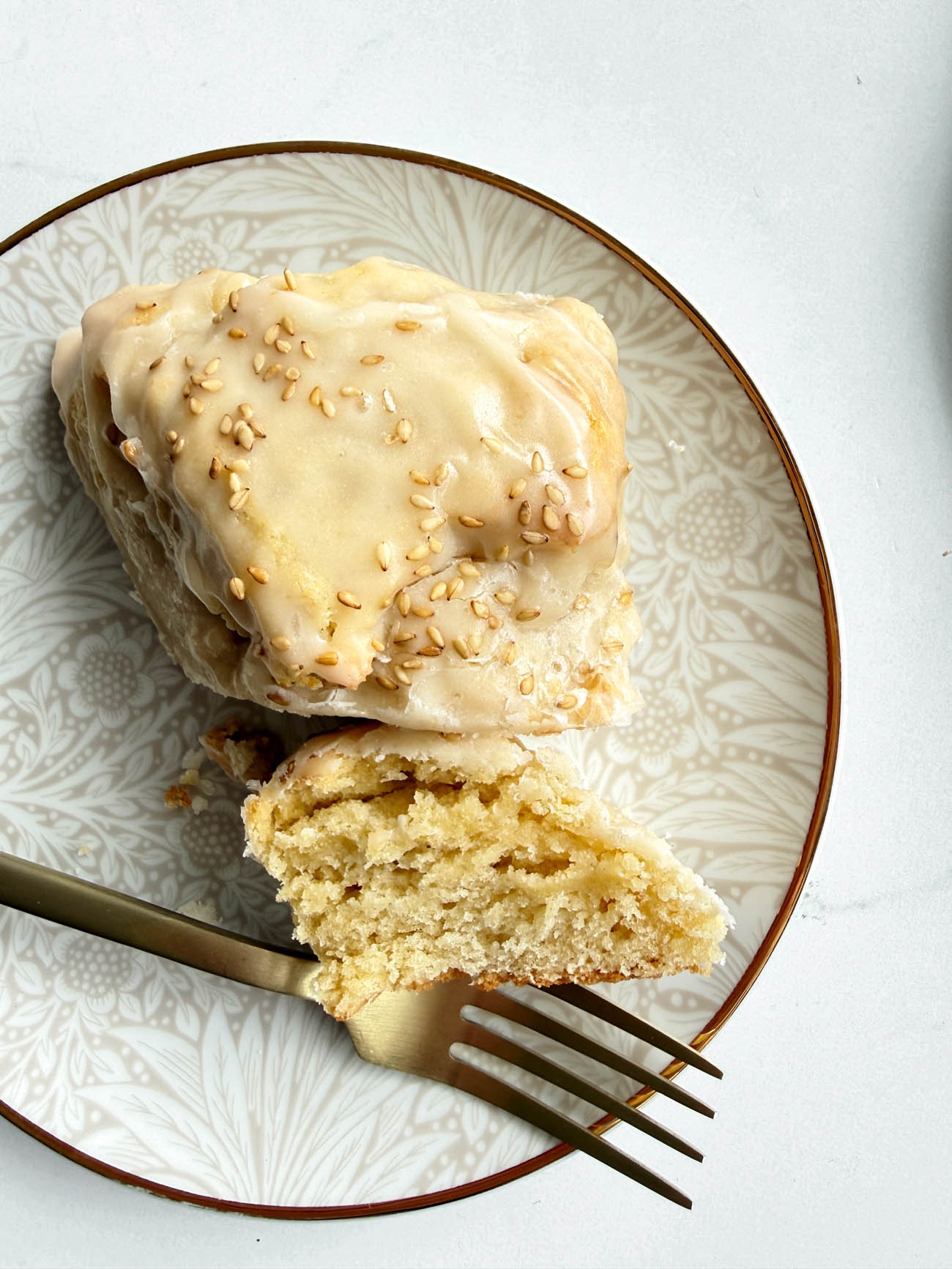
The creation of the banana bread scone relies on precise structural engineering within pastry science. Unlike standard drop scones or heavy triangular biscuits, high-end iterations utilize a specific lamination technique. By repeatedly folding the dough over several times during the preparation phase, bakers create multiple internal layers. This process allows the butter to trap steam in the oven, ensuring the scones rise tall and lofty rather than spreading flat.
Furthermore, the integration of banana puree introduces high moisture content, which traditionally threatens the structural integrity of a flaky pastry. Master bakers combat this by managing fat-to-flour ratios and incorporating precise mixing methods. The use of a stand mixer fitted with a paddle attachment allows the butter to be cut evenly to the size of small peas, preserving the cold pockets of fat necessary for flakiness while accommodating the weight of the fruit and additions like white chocolate.
Background Context and Chronology
The genesis of this hybrid pastry can be traced through the broader evolution of breakfast culture over the past decade. For generations, morning treats were divided into distinct categories: moist, quick-bread loaves and dry, crumbly baked goods meant to be split and slathered with clotted cream or jam.
In recent years, recipe developers and commercial bakeries have increasingly experimented with category-defying items, driven by consumer demand for novelty and flavor complexity. The timeline of scone development has seen a rapid diversification from plain cream or fruit-packed variants to profile-heavy creations featuring crystallized ginger, dried cranberries, poppy seeds, and candied orange. The introduction of banana-flavored variations marks a logical progression, transforming a ubiquitous household loaf into a portable, structured pastry format that can be manufactured, frozen ahead of time, and baked on demand.
Technical Specifications and Best Practices
Achieving commercial or artisanal consistency with banana bread scones requires adherence to rigorous baking standards. According to culinary data compiled from testing kitchens, foundational measurements dictate the final texture:
- Flour Weight Standards: Discrepancies in volumetric flour measurements often lead to inconsistent bakes. Standardized metrics establish that one cup of unbleached all-purpose flour equals approximately 142 grams, a figure derived from extensive weight averages across multiple testing batches.
- Protein Content: The choice of flour significantly impacts structural rise. Bakers frequently recommend unbleached all-purpose flour with moderate protein content—such as Gold Medal unbleached—to maintain tenderness in non-yeasted laminated pastries.
- Temperature Control: Because banana purée adds excess liquid and warmth to dough mixtures, maintaining cold butter is paramount. Freezing shaped scone triangles for up to two weeks not only extends product shelf life and operational flexibility for bakeries but also solidifies the fat, preventing premature melting during the initial stages of baking.
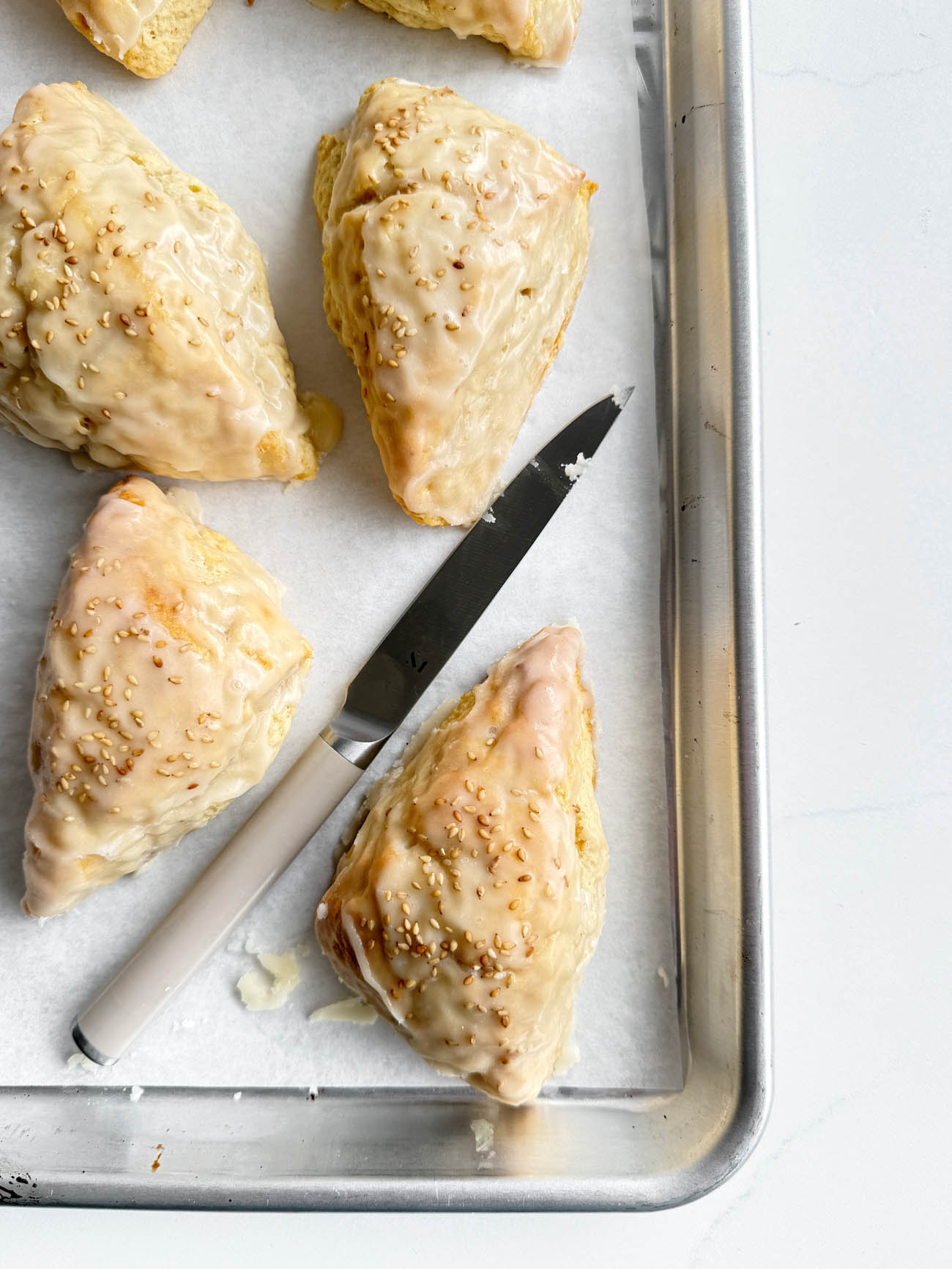
To maintain visual appeal and structural symmetry, professional kitchens have implemented specific oven management protocols. During the baking cycle, scone tips occasionally destabilize and slip down the edges of the pastry. Intervention methods, such as manual realignment using a heat-safe spatula or offset spatula midway through baking, ensure uniform geometry. Additionally, utilizing a double-pan setup—nestling one baking sheet directly beneath the primary pan—acts as a thermal buffer, preventing the bases of the scones from browning prematurely before the interior crumb has fully set.
Official Responses and Ergonomic Considerations
Beyond flavor profiles, contemporary baking innovation increasingly addresses the physical well-being of the culinary workforce. The routine preparation of pastry dough, which traditionally requires manual labor using a hand pastry cutter or fork to blend cold fats into flour, contributes significantly to repetitive strain injuries.
Culinary ergonomists and veteran bakers have noted an uptick in wrist strain and carpal tunnel syndrome among professionals who laminate dough manually over extended careers. Consequently, the adoption of mechanical assistance, such as commercial-grade stand mixers equipped with specialized attachments, has become standard practice in modern kitchens. Industry guidelines now encourage transitioning heavy-lifting mixing tasks to automated equipment, reserving manual intervention solely for gentle incorporation steps—such as folding in wet ingredients and white chocolate—to preserve product quality while mitigating occupational health risks.
Flavor Profiling and the Role of Glazes
The sensory profile of the banana bread scone extends beyond the dough itself, relying heavily on post-bake finishing techniques. Food science data indicates that applying an icing while the pastry is still warm accelerates the absorption of moisture, sealing the exterior and preserving internal tenderness for hours after removal from the oven.
The inclusion of toasted sesame oil within the glaze represents a departure from traditional sweet vanilla or confectioner’s sugar icings. The nutty, savory notes of toasted sesame counterbalance the inherent sweetness of the banana base. For operational flexibility or dietary substitutions where toasted sesame is unavailable, culinary alternatives such as dark rum or water serve as viable substitutes without compromising the viscosity of the glaze.
Broader Impact and Industry Implications
The commercial viability of freezable, pre-shaped pastry doughs like the banana bread scone points toward a significant shift in both retail bakery operations and home baking habits. By decoupling the preparation phase from the baking phase—allowing items to be frozen for extended periods—establishments can reduce food waste, optimize labor hours, and offer fresh, artisanal products on demand.
As consumer palates continue to favor nostalgic flavors presented in novel formats, the fusion of comfort-food classics like banana bread with advanced pastry techniques will likely remain a dominant trend in commercial food production and culinary media. The ongoing refinement of flour metrics, thermal management during baking, and ergonomic prep methods ensures that these hybrid pastries will maintain high standards of quality, consistency, and operational efficiency across the global baking sector.