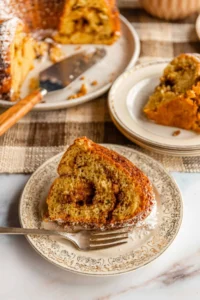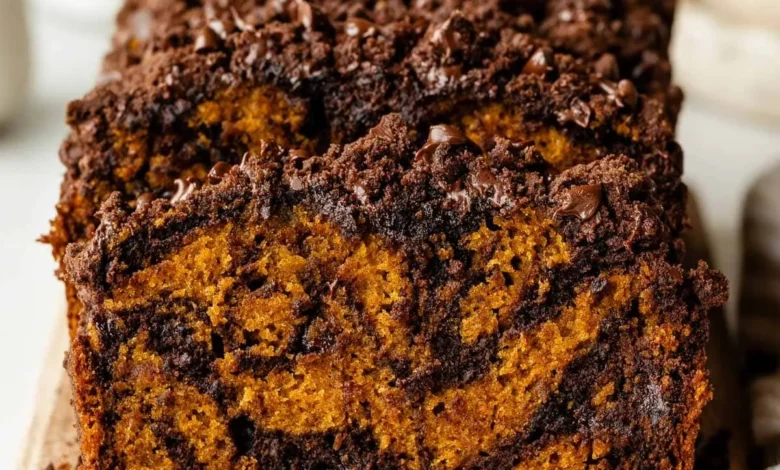
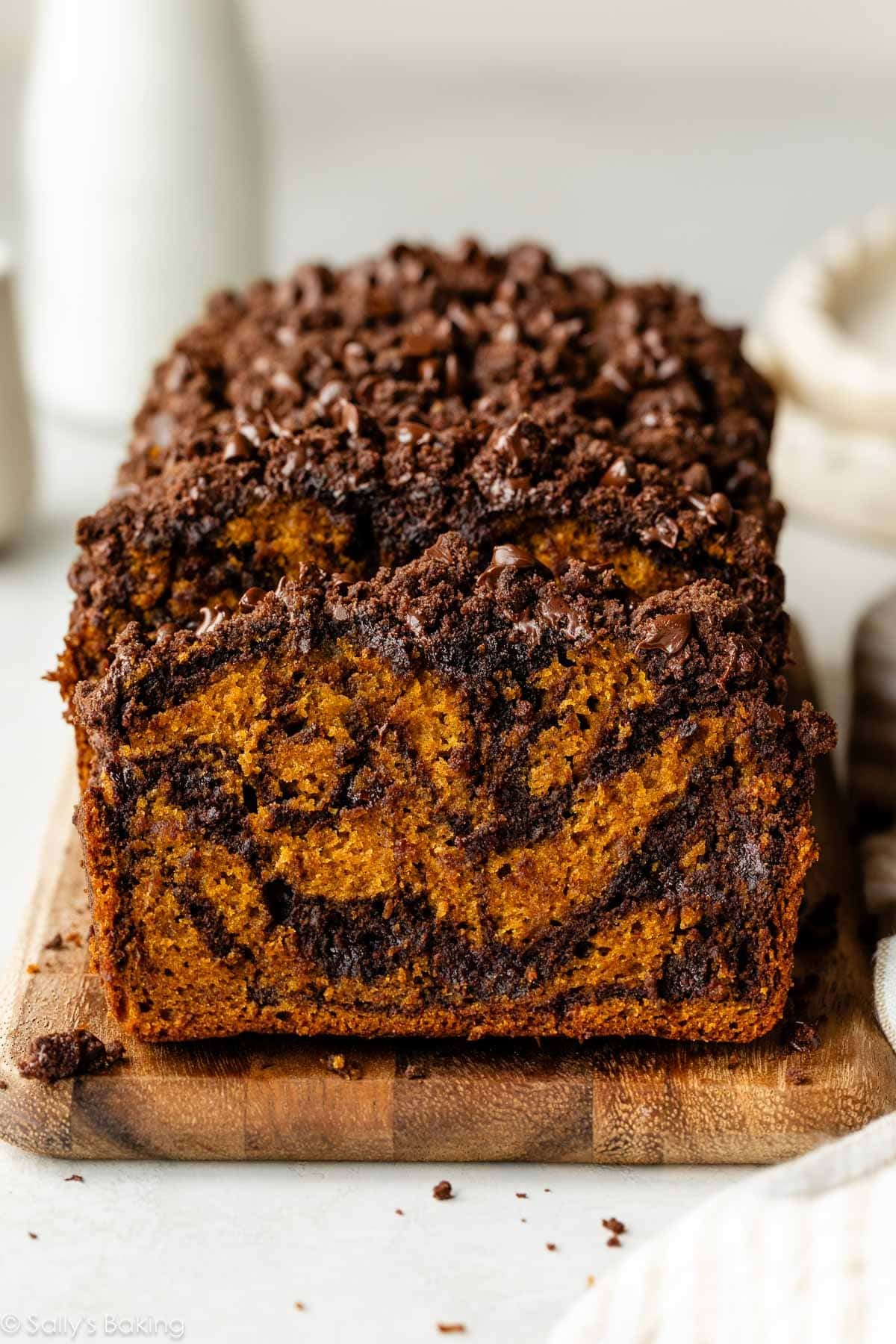
The culinary landscape of autumn home baking has officially shifted with the widespread introduction of a hybrid pastry that bridges two distinct comfort food categories: classic spiced quick breads and decadent European-style loaf cakes. Culinary experts and home baking enthusiasts alike have embraced the newly released recipe for chocolate marble pumpkin bread, a creation that merges traditional spiced pumpkin puree bases with rich cocoa swirls and a crumbly chocolate streusel topping. Developed as an evolution of standard seasonal quick breads, this formulation reflects broader consumer preferences for elevated comfort foods that combine nostalgic flavors with gourmet textures.

Background Context and Recipe Evolution
The genesis of the chocolate marble pumpkin bread traces back to traditional American quick breads, which gained immense popularity during the mid-20th century due to their ease of preparation and reliance on chemical leavening agents rather than yeast. Over the past two decades, food blogs and culinary publications have iterated heavily on the classic pumpkin loaf, frequently incorporating chocolate chips, cream cheese fillings, or pecan streusels.
The introduction of a marbled chocolate element borrows heavily from traditional pound cake and European loaf techniques, where contrasting batters are deliberately folded together to create a visual and textural gradient. According to culinary historians, marbling techniques date back to the 19th century in Germany and England, where bakers sought to utilize leftover chocolate or spice doughs by combining them with vanilla or plain bases. By applying this historical methodology to a modern autumn staple, recipe developers have effectively erased the boundary between casual quick breads and formal dessert cakes.
Streamlined Preparation and Structural Engineering
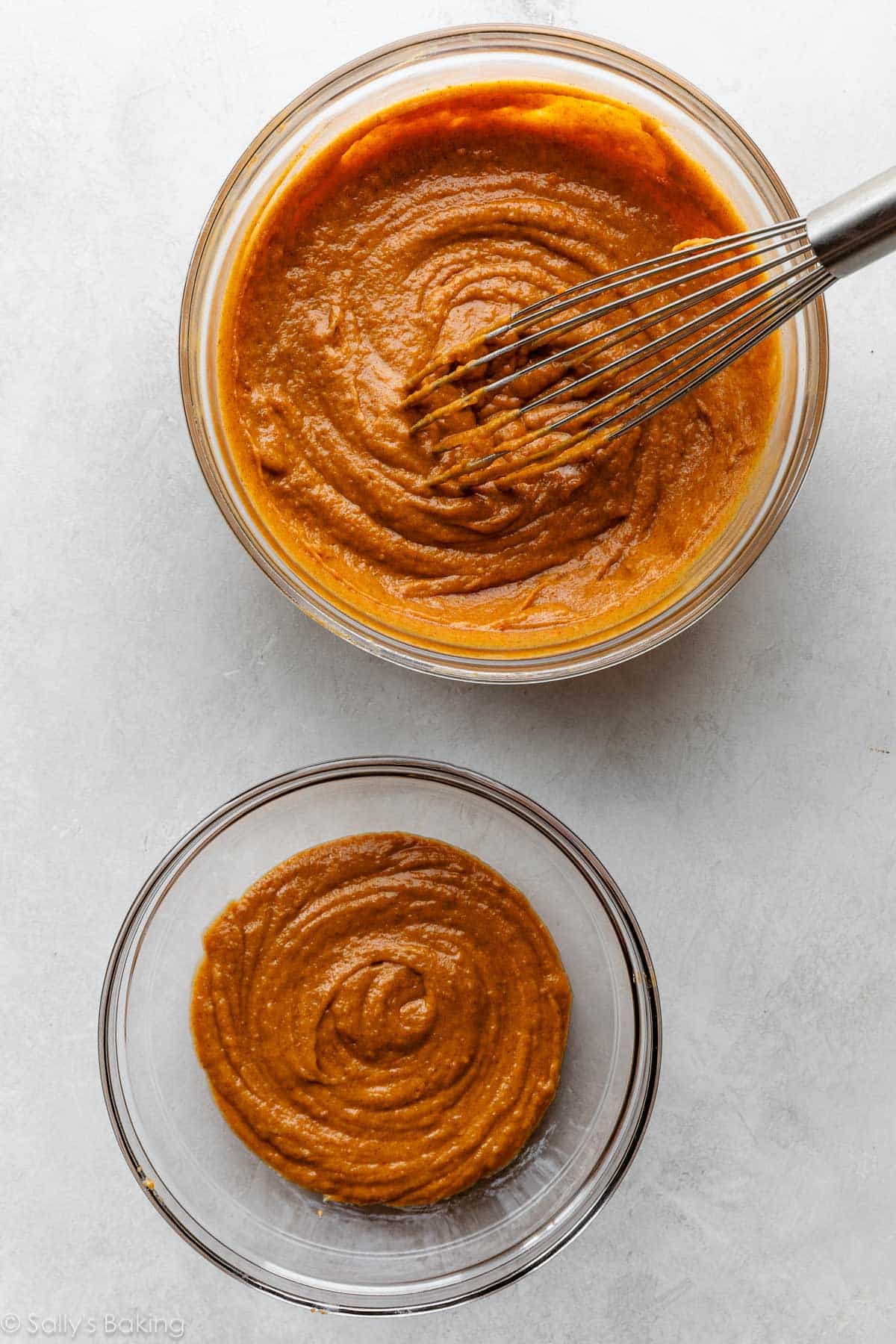
Despite its complex visual presentation, the structural engineering of the chocolate marble pumpkin bread relies on operational efficiency in the kitchen. Professional bakers note that the recipe’s primary innovation lies in its single-batter foundation. Rather than requiring distinct preparation phases for two separate doughs, the entire loaf originates from a single, cohesive pumpkin batter batch.
A measured portion of the base batter is partitioned into a secondary mixing vessel, where it is fortified with Dutch-processed cocoa powder, espresso powder, and warmed milk. The inclusion of espresso powder serves a specific biochemical function: it acts as a flavor enhancer that deepens the perception of the chocolate without imparting a distinct coffee profile. Meanwhile, the warm milk restores hydration balance to compensate for the dry cocoa solids.

To ensure structural integrity during baking and presentation, culinary technicians advocate for the use of a "parchment sling." Traditional loaf pans often present challenges when removing delicate cakes topped with heavy streusels, as inversion can destabilize the crumb structure. The parchment sling method—extending parchment paper up the long sides of the greased pan—allows bakers to vertically lift the cooled loaf, preserving both the exterior streusel crust and the internal marble pattern.
Chronology of Assembly and Thermal Management
The preparation timeline requires precise thermal management to achieve optimal textural contrast between the soft interior crumb and the crisp topping.
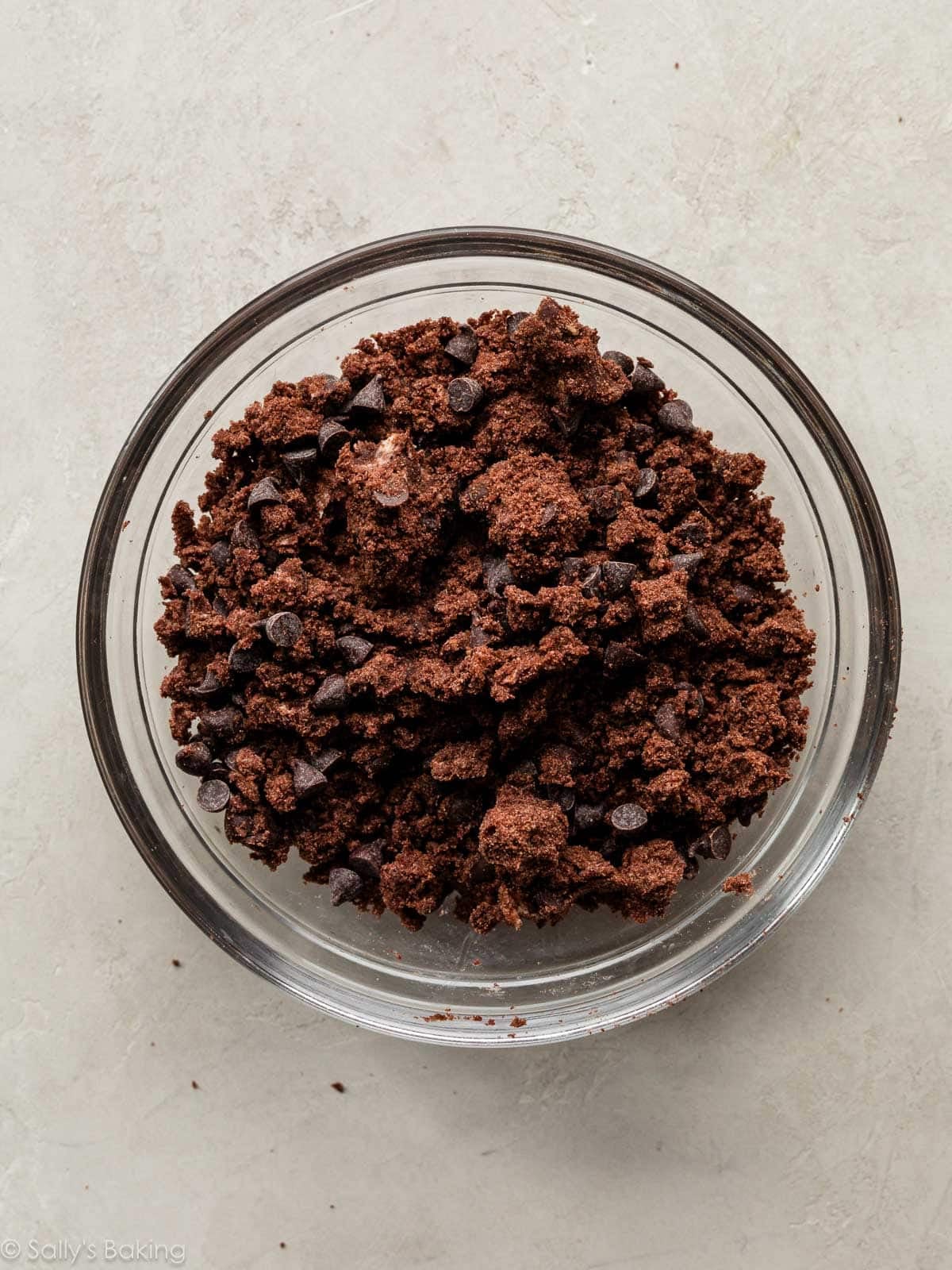
- Phase One – Streusel Production: The process begins with the preparation of the chocolate crumb topping. Composed of flour, sugar, cocoa, and butter, this mixture is immediately chilled in a refrigerator or freezer. Keeping the butter solid until it encounters the oven heat is critical for forming distinct, crunchy clusters rather than a uniform crust.
- Phase Two – Base Batter Mixing: Dry ingredients, including flour, baking soda, salt, and autumn spices (such as cinnamon, nutmeg, and cloves), are whisked separately from wet components, which typically comprise pumpkin puree, eggs, oil, and sugars. The two sets are then combined just until hydrated to prevent gluten over-development.
- Phase Three – Division and Marbling: A standardized portion of the pumpkin batter is separated to receive the chocolate fortification. The two batters are then dolloped in alternating layers into the prepared loaf pan. A thin utensil, such as a butter knife or small offset spatula, is drawn through the batters in gentle figure-eight motions to create the signature marble effect, followed by the application of the chilled chocolate streusel.
- Phase Four – Thermal Processing and Cooling: Baking requires moderate temperatures, typically around 350°F (175°C), with a preventative aluminum foil tent introduced during the final stages of cooking to prevent the chocolate streusel from scorching. Post-bake cooling is mandatory; slicing the loaf while warm compromises the crumb structure, necessitating a complete return to room temperature prior to partitioning with a serrated blade.
Market Reception and Consumer Trends
Initial consumer response to the chocolate marble pumpkin bread has been overwhelmingly positive across digital food platforms and culinary test kitchens. Analysts monitoring seasonal food trends note that autumn consistently drives a surge in sales for baking supplies, canned pumpkin, and specialty spices. However, consumer demand has increasingly favored hybrid recipes that offer multi-sensory experiences—specifically, contrasting textures like soft crumb versus crunchy streusel, and complementary flavor profiles like earthy pumpkin spice paired with bitter-sweet chocolate.
Nutritional and culinary analysts suggest that the rise of gourmet home baking, accelerated by widespread remote work flexibility and digital food media, has raised consumer expectations for everyday baked goods. Recipes that offer professional-grade aesthetics—such as clean marble cross-sections and sophisticated crumb toppings—without requiring advanced pastry degrees have proven particularly successful in capturing market engagement.
Broader Implications for the Baking Industry
The popularity of hybrid items like the chocolate marble pumpkin bread signals a broader shift in how seasonal comfort foods are marketed and developed. Food manufacturers and publishers are increasingly moving away from strictly traditional recipes in favor of fusion concepts that blend historical baking techniques with modern flavor pairings.
As consumer interest in scratch-baking remains high, recipe developers continue to focus on efficiency—such as minimizing dish counts and utilizing single-batter foundations—while maximizing visual and gustatory impact. This trend underscores a permanent evolution in home economics, where the modern home baker demands both artisanal quality and accessible execution.