Chili Garlic Vinegar Chickpeas with Crispy Potato Strips: A Versatile Solution for Modern Nutritional Meal Planning

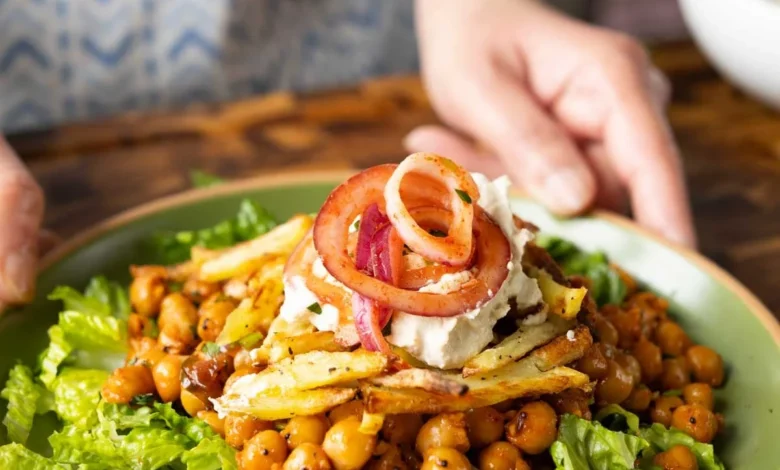
The culinary landscape has increasingly pivoted toward plant-based, nutrient-dense meal prep solutions that prioritize both time efficiency and complex flavor profiles. A standout addition to this trend is the emergence of Chili Garlic Vinegar Chickpeas paired with crispy potato strips—a dish that balances high protein content with culinary versatility. This combination, which requires approximately 15 minutes of active preparation time, offers a robust nutritional profile of 18 grams of protein and 15 grams of fiber per serving, addressing the growing consumer demand for "grab-and-go" healthy meals that do not compromise on dietary requirements such as being gluten-free, soy-free, and nut-free.
The Nutritional and Culinary Context
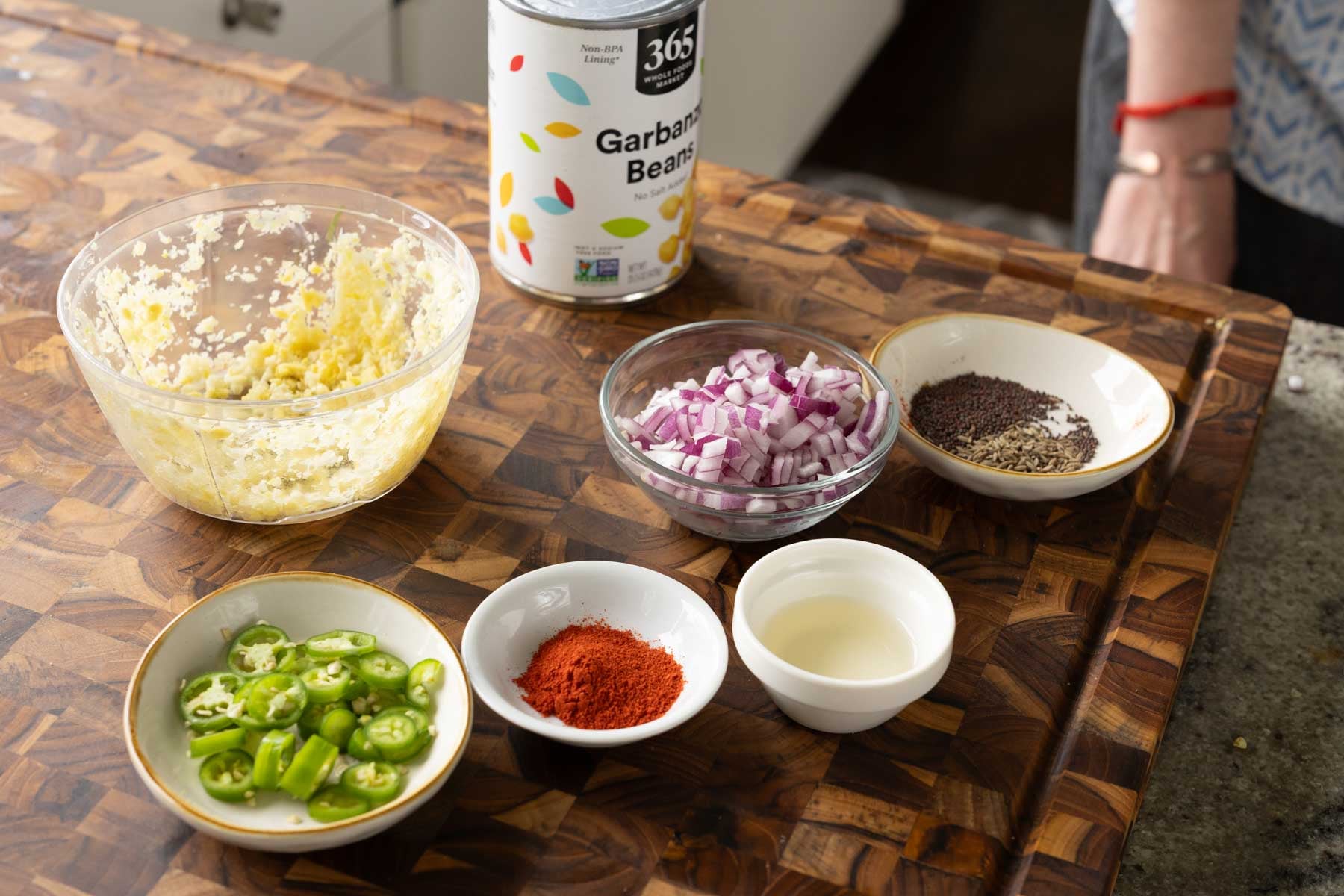
Legumes, specifically chickpeas (Cicer arietinum), have long been recognized by global health organizations for their role in sustainable diets. According to the United Nations Food and Agriculture Organization (FAO), chickpeas are a vital source of plant-based protein, vitamins, and minerals. By integrating ginger, garlic, and green chilies, this recipe elevates the humble chickpea through the application of aromatics that have been staples in South Asian, specifically Nepali, culinary traditions for centuries. The addition of vinegar serves a dual purpose: it acts as a flavor brightener that cuts through the heat of the chilies while providing a chemical snap that tenderizes the legumes during the cooking process.
The pairing with crispy potato strips introduces a textural contrast—the "crunch factor"—which is frequently cited by food scientists as a primary driver of consumer satisfaction. When prepared in an air fryer or through controlled oven roasting, the potato component provides essential carbohydrates without the high fat content associated with deep-frying.
Preparation and Methodological Chronology
The preparation of this dish is structured into three distinct phases designed for maximum efficiency: the aromatic base, the protein infusion, and the crisping of the starch component.
- The Tempering Process: The foundation begins with heating oil in a skillet to the precise temperature required for blooming whole spices. The addition of mustard and cumin seeds initiates a process known as tempering (tadka), where heat-stable oils extract the essential oils from the seeds, creating a deeply aromatic base.
- Aromatic Development: The reduction of heat to a low setting allows for the slow sautéing of onions, ginger, garlic, and fresh green chilies. This 3-minute window is critical; it prevents the garlic from turning bitter while ensuring the onions become translucent and sweet, providing the necessary depth to balance the later addition of acidic components.
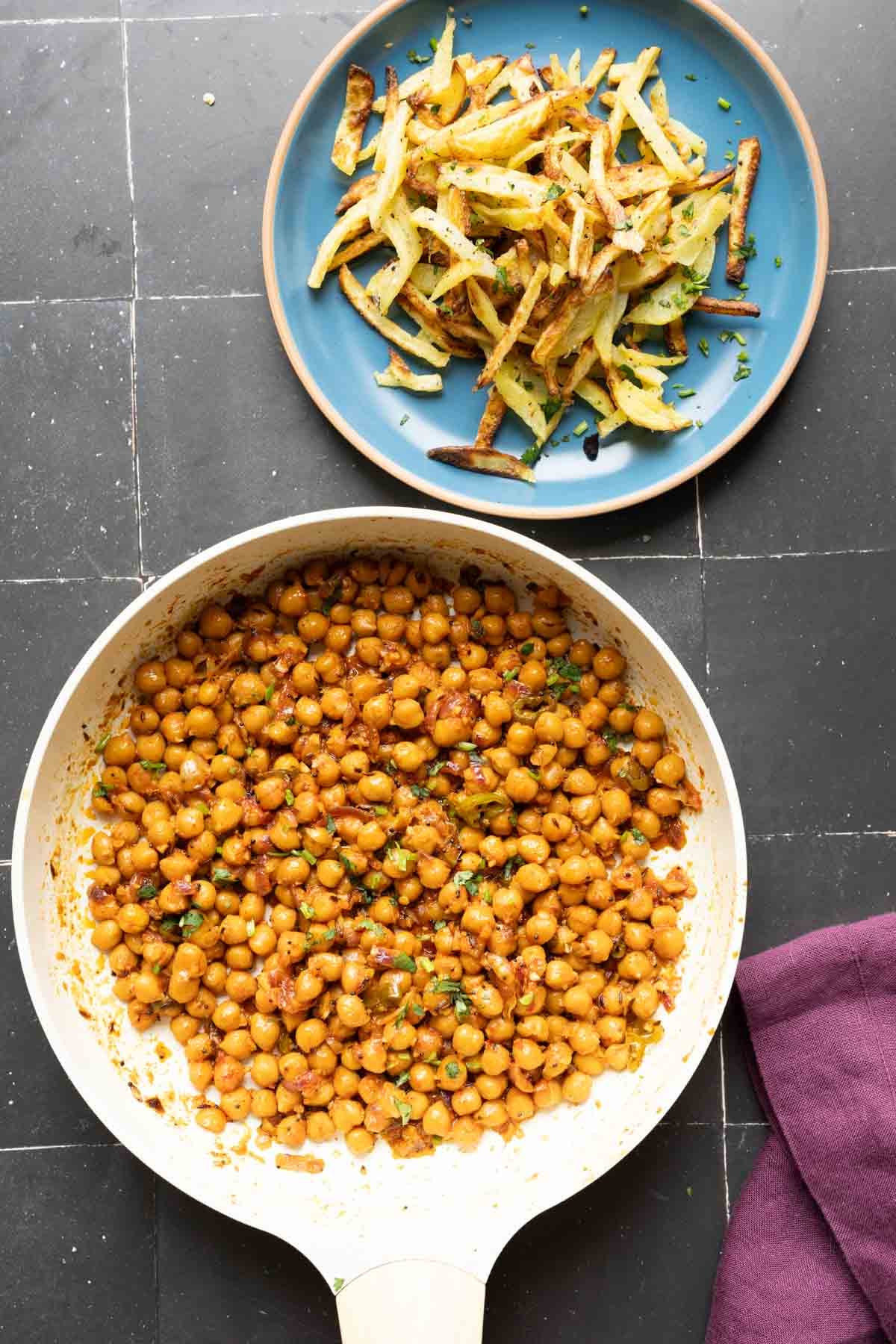
- The Simmering Phase: The introduction of chickpeas, water, and salt allows for a 10-minute simmering period. During this interval, the legumes absorb the liquid and aromatic essences, resulting in a tender texture that remains firm enough to hold its shape for various serving formats.
- Final Acidification: The finishing touch involves the incorporation of Kashmiri chili powder for color and subtle heat, followed by white vinegar. By adding the vinegar at the final stage of cooking and removing the pan from the heat, the chef preserves the volatile notes of the acid, which would otherwise evaporate under prolonged high heat.
Nutritional Data and Dietary Implications
For the health-conscious consumer, the metrics provided for this dish are significant. With 479 calories per serving, the dish is calorie-dense enough to be a primary meal while remaining within a manageable range for weight management. The high fiber content (15g) is particularly noteworthy, as the average adult daily intake of fiber in Western diets often falls below the recommended 25–30 grams. The inclusion of complex carbohydrates from the potatoes, combined with the plant-based protein of the chickpeas, creates a balanced glycemic response, potentially offering sustained energy levels for the consumer.
Versatility in Modern Dining
The rise of "fusion" home cooking has encouraged the development of dishes that can be repurposed across multiple meals. The Chili Garlic Vinegar Chickpeas and crispy potatoes are designed as a foundational "building block" for a week of dining:
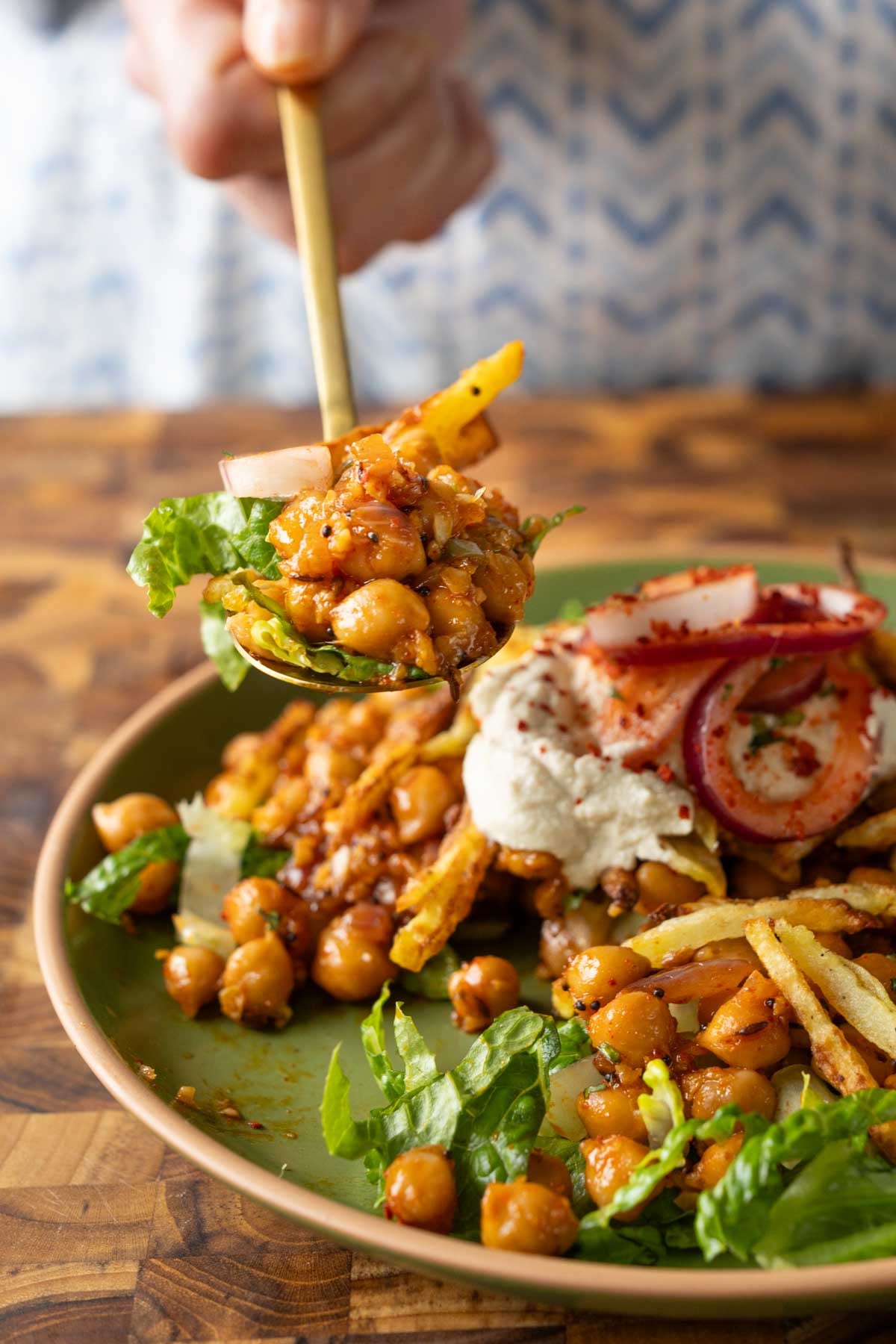
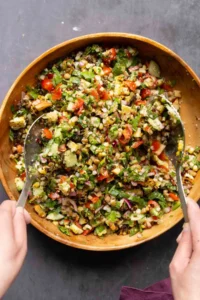
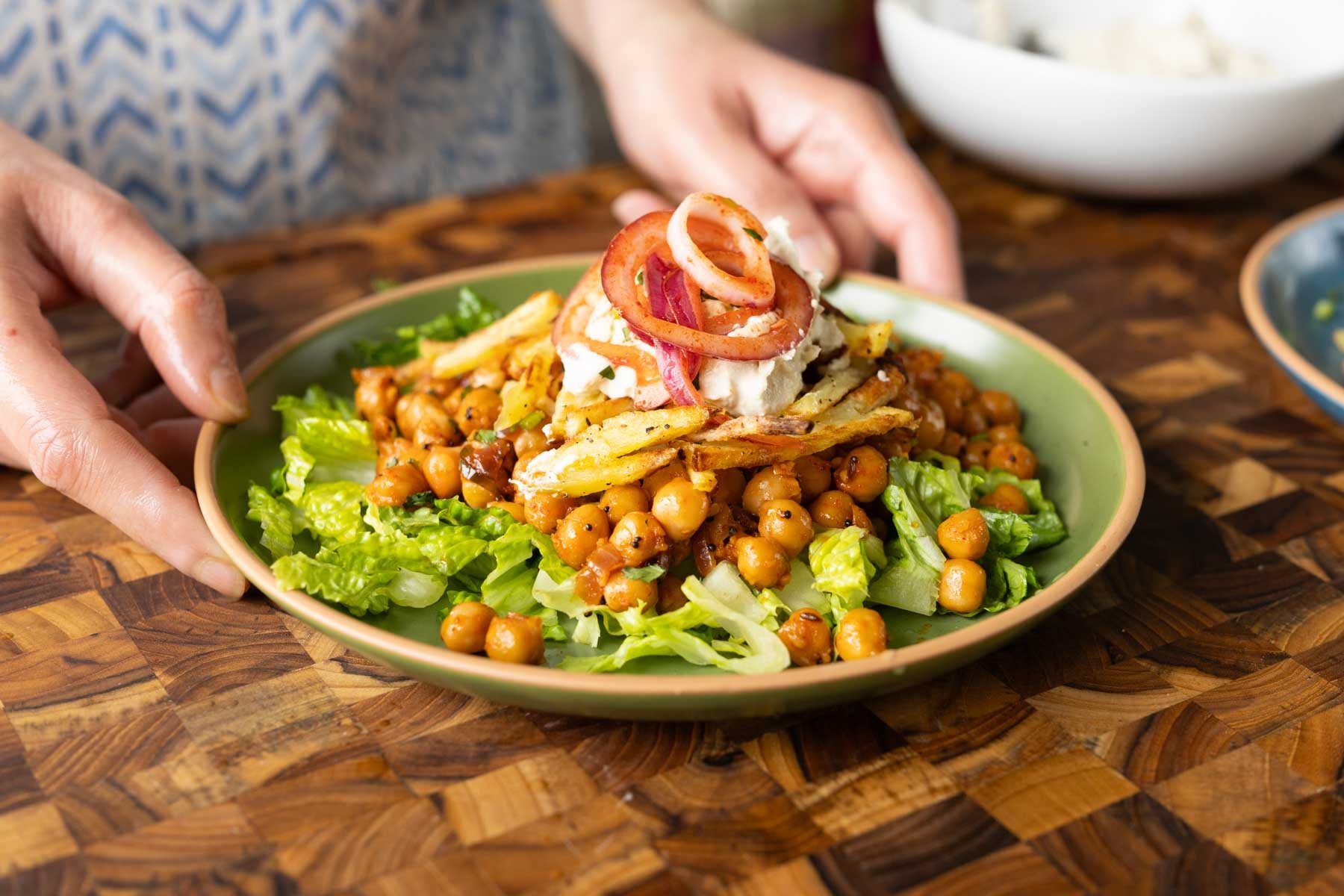
- Salad Bowls: Serving the mixture over fresh greens provides a crunch-heavy, protein-rich lunch.
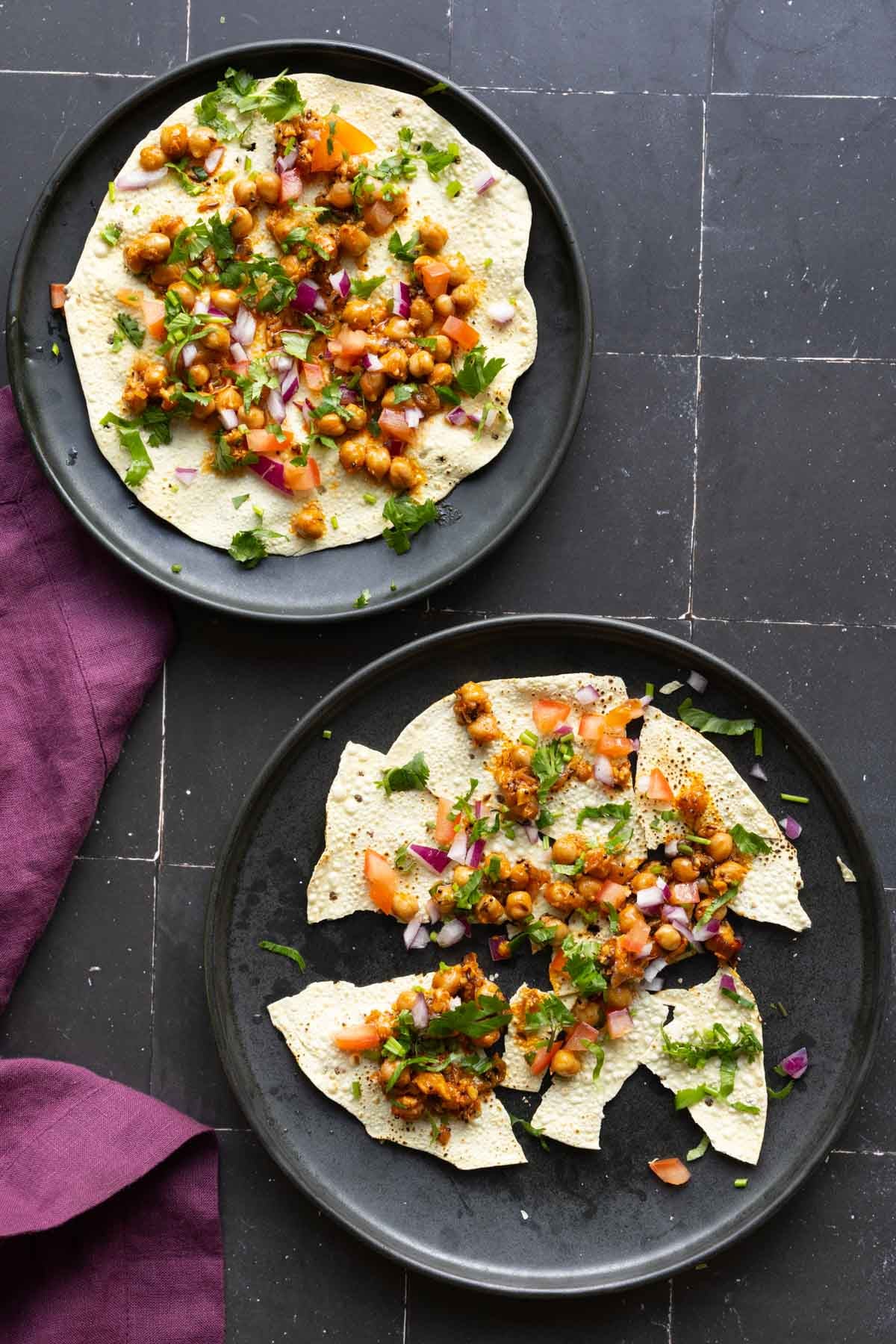
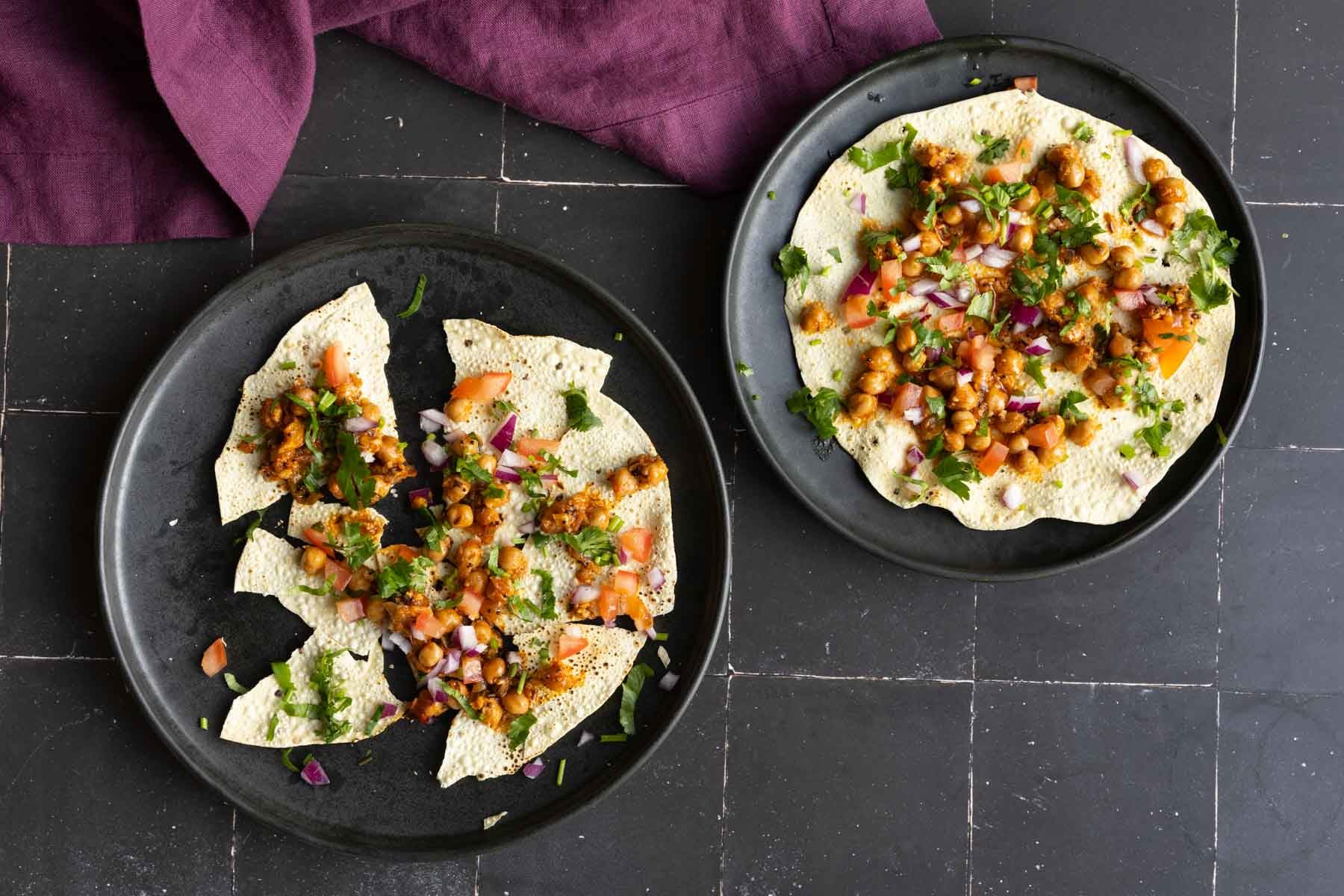
- Fusion Nachos: Utilizing papadums—thin, crisp discs made from lentil or chickpea flour—as a vehicle for the chickpeas creates a gluten-free alternative to traditional corn-based nachos.
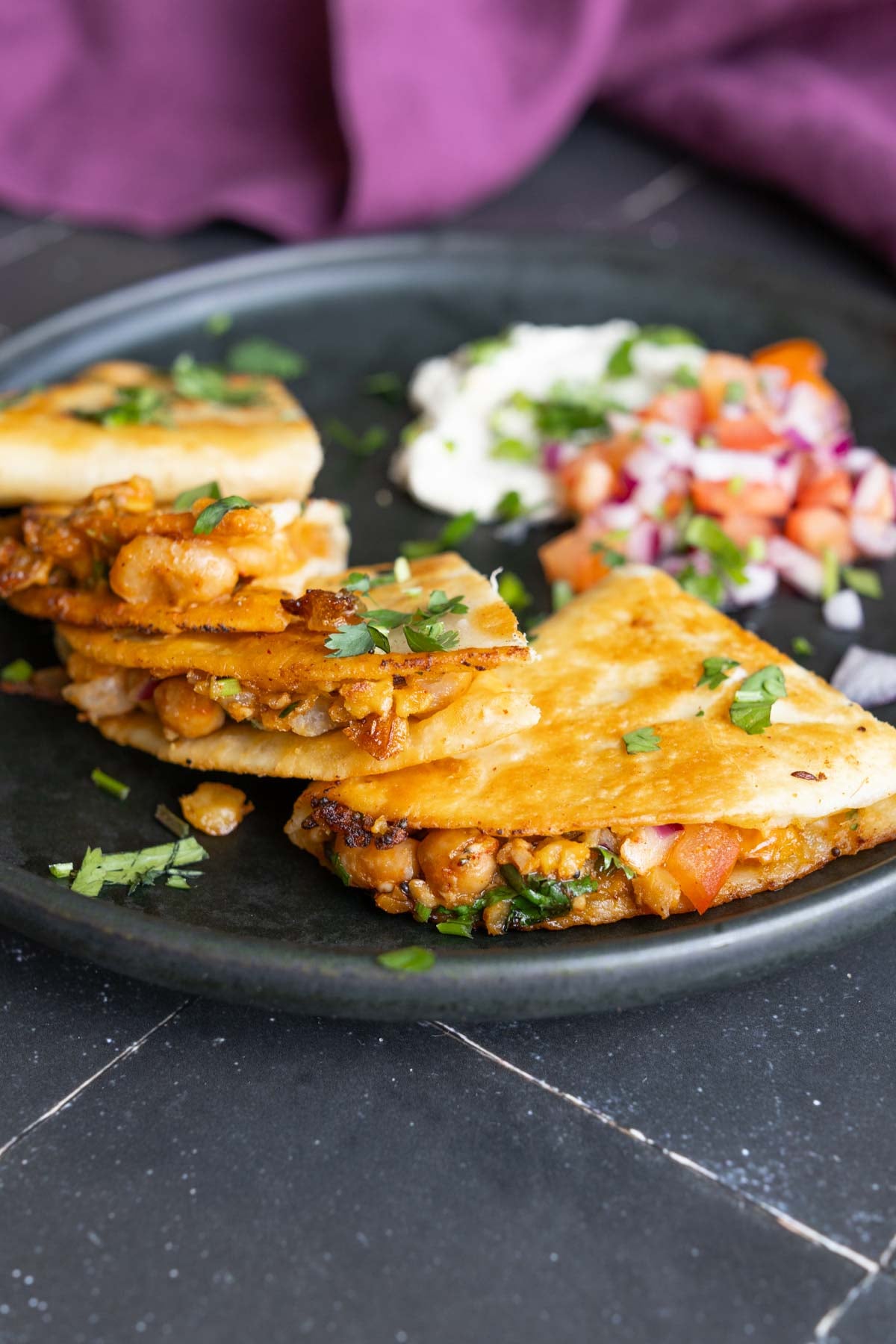
- Smashed Tacos: By partially crushing the chickpeas, they gain a spreadable texture that adheres well to tortillas, allowing for a structured handheld meal.
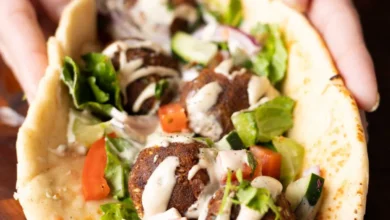
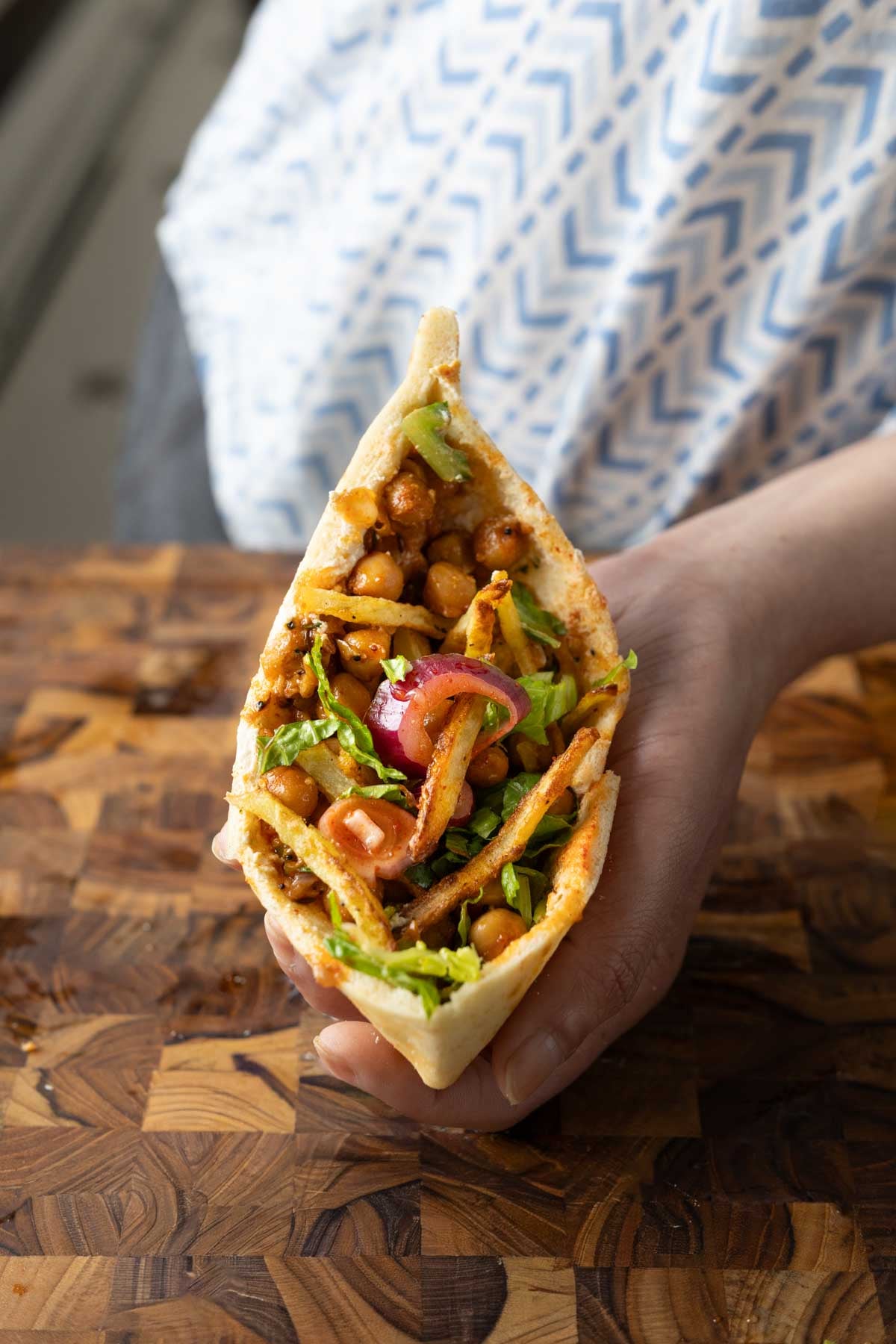
- Pita Pockets: The combination functions as a hearty filling for Mediterranean-style pitas, often paired with whipped tofu or tahini-based sauces to add creaminess.
Expert Analysis on Culinary Trends
Culinary historians and food analysts observe that the success of recipes like these lies in their ability to bridge traditional ethnic flavor profiles with modern, Western-style meal prep habits. The move toward "one-pot" or "one-skillet" cooking—a direct response to the time-poor nature of the modern workforce—does not necessarily lead to a decline in quality. Rather, it has shifted the focus toward high-impact ingredients that deliver intense flavor with minimal processing.
Furthermore, the emphasis on allergen-friendly ingredients (gluten-free, soy-free, nut-free) reflects a broader shift in the food industry toward inclusivity. As more households manage food sensitivities or dietary restrictions, recipes that rely on whole-food bases like chickpeas and potatoes are gaining traction over processed meat-substitute products.
Storage and Practicality
From a logistics perspective, the dish is highly stable. The acidity of the vinegar acts as a natural preservative, allowing the chickpeas to remain palatable for several days when refrigerated in an airtight container. The potato strips, however, are best prepared closer to the time of consumption to ensure they retain their crispy exterior. For those practicing batch cooking, it is recommended to prepare the chickpea base in bulk while crisping the potatoes in small, fresh batches as needed.
Conclusion: The Future of Home Cooking
The popularity of the Chili Garlic Vinegar Chickpeas with Crispy Potato Strips serves as a microcosm of contemporary food preferences: high nutritional value, low complexity, and a focus on global, spice-forward profiles. As supply chains for staples like legumes remain robust and the awareness of the health benefits of plant-centric diets grows, dishes that transform simple, shelf-stable ingredients into complex meals are likely to remain a permanent fixture in the modern kitchen. By integrating traditional techniques like seed-tempering with modern cooking methods like air-frying, this dish exemplifies the efficiency and flavor-first approach that defines 21st-century culinary evolution.