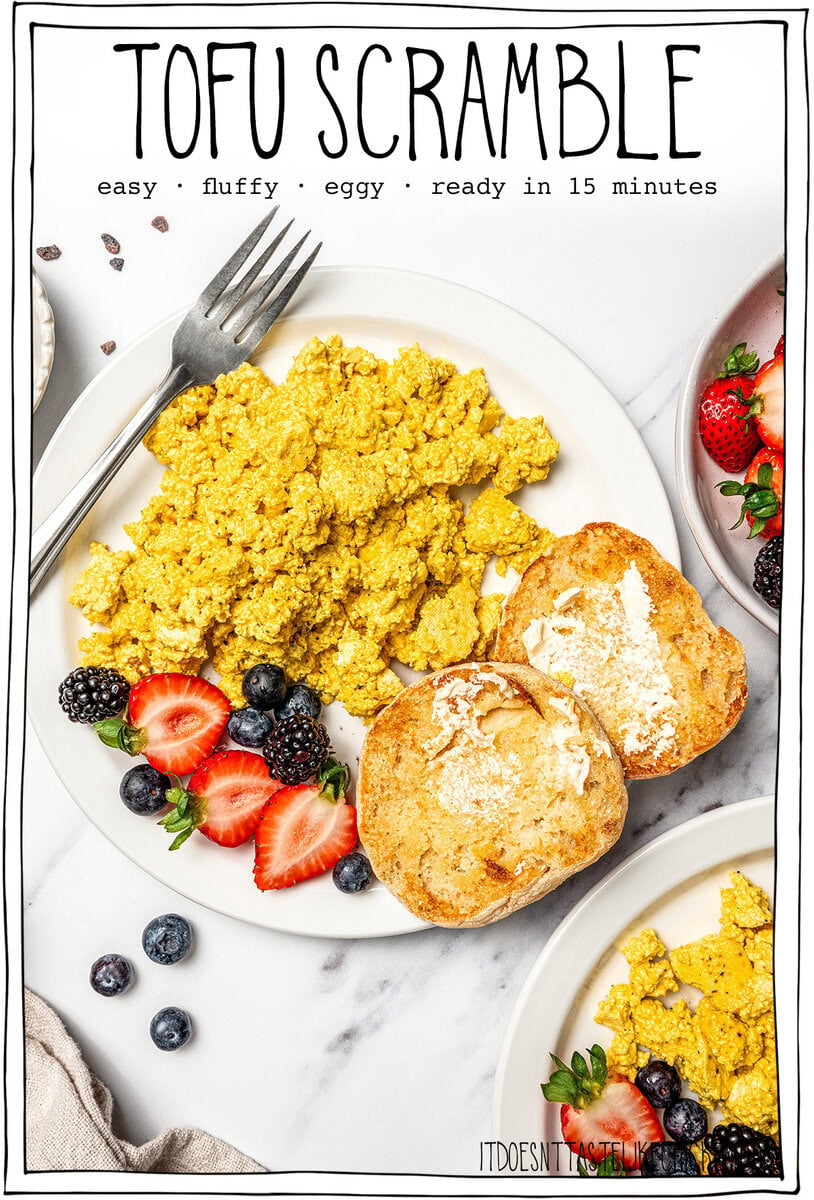
The contemporary global culinary landscape is experiencing a profound shift toward plant-based nutrition, driven by rising consumer awareness regarding environmental sustainability, animal welfare, and metabolic health. Within this broader dietary evolution, breakfast—traditionally anchored by animal proteins such as eggs, dairy, and cured meats—has emerged as a primary site of culinary innovation. Central to this morning renaissance is the tofu scramble, a versatile, high-protein, plant-based alternative that mimics the texture and savory profile of traditional scrambled eggs. Culinary data and consumer trend analyses from major food research firms indicate that demand for quick, nutrient-dense vegan breakfast options has accelerated significantly over the past decade, transforming humble soybean derivatives into staples of the modern pantry.
Background Context and the Rise of Plant-Based Breakfasts
The culinary journey of the tofu scramble traces its origins to the early waves of Western vegetarian and countercultural movements in the mid-to-late 20th century. Pioneers of plant-based cooking sought ways to replicate familiar, comforting textures without relying on animal agriculture. Tofu, a traditional East Asian food produced by coagulating soy milk and pressing the resulting curds into solid white blocks, quickly became a favored medium due to its neutral flavor profile and malleable moisture content.
Historically, early iterations of plant-based scrambles were often dense, overly spiced, or lacked the distinct mouthfeel of eggs. However, contemporary advancements in culinary techniques—most notably the incorporation of specialized seasonings and precise moisture-management methods—have elevated the dish from a niche alternative to a mainstream culinary phenomenon. Today, professional chefs and home cooks alike embrace the tofu scramble not merely as a substitute, but as a culinary canvas capable of standing on its own merits.
Nutritional Profile and Health Implications
From a nutritional standpoint, the standard tofu scramble offers a compelling profile for health-conscious consumers. An average four-serving preparation utilizing firm or extra-firm tofu provides significant macronutrient balance. Clinical dietitians and sports nutritionists frequently highlight plant-based proteins as vital components of a heart-healthy diet, noting that soy products deliver complete proteins containing all nine essential amino acids without the saturated fats typically associated with animal-derived breakfast options.
According to nutritional data associated with standard preparation metrics, a single serving of a basic tofu scramble yields approximately 132 kilocalories, 11 grams of protein, 8 grams of fat (predominantly unsaturated fats beneficial for cardiovascular health), and just 5 grams of carbohydrates. Furthermore, the inclusion of mineral-rich ingredients contributes to daily dietary requirements for calcium and iron. For individuals managing hypercholesterolemia, diabetes, or hypertension, replacing morning eggs with a soy-based alternative offers a viable dietary modification supported by cardiologists and endocrinologists worldwide.
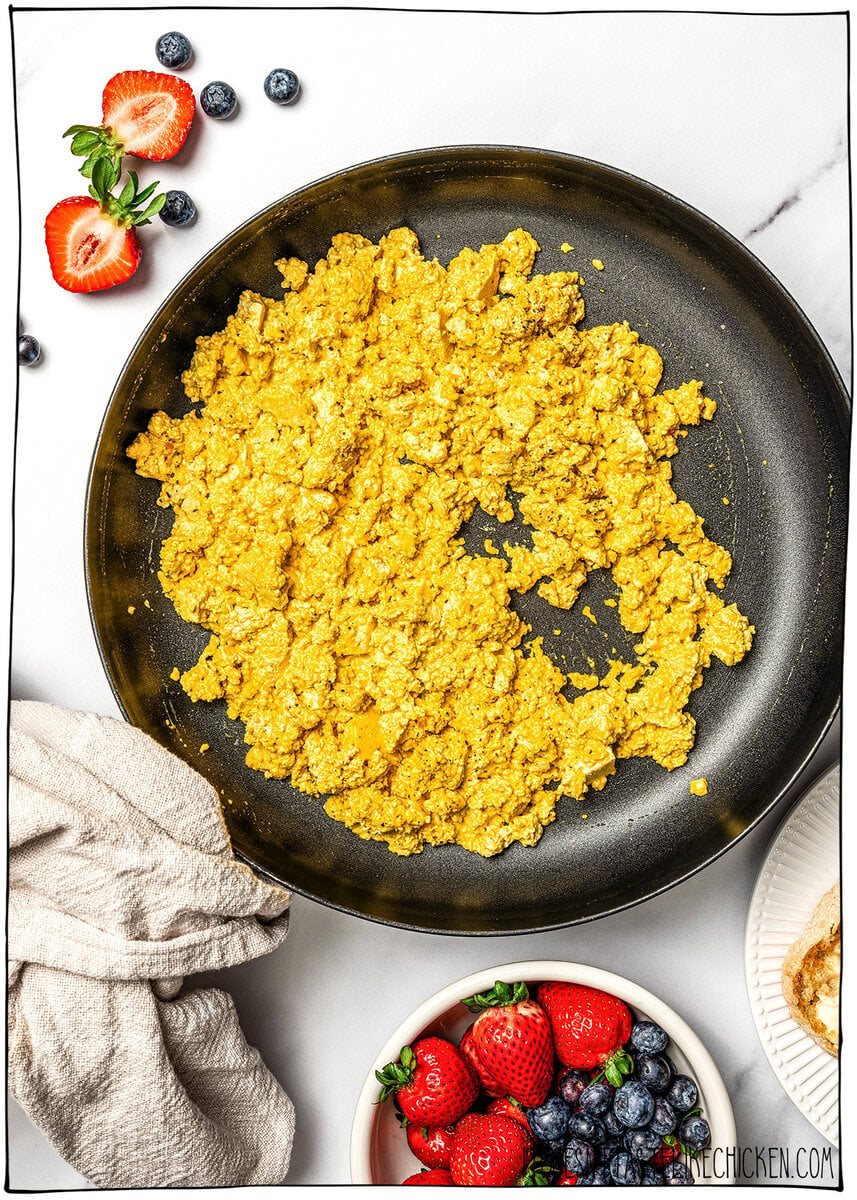
Essential Ingredients and the Science of Flavor
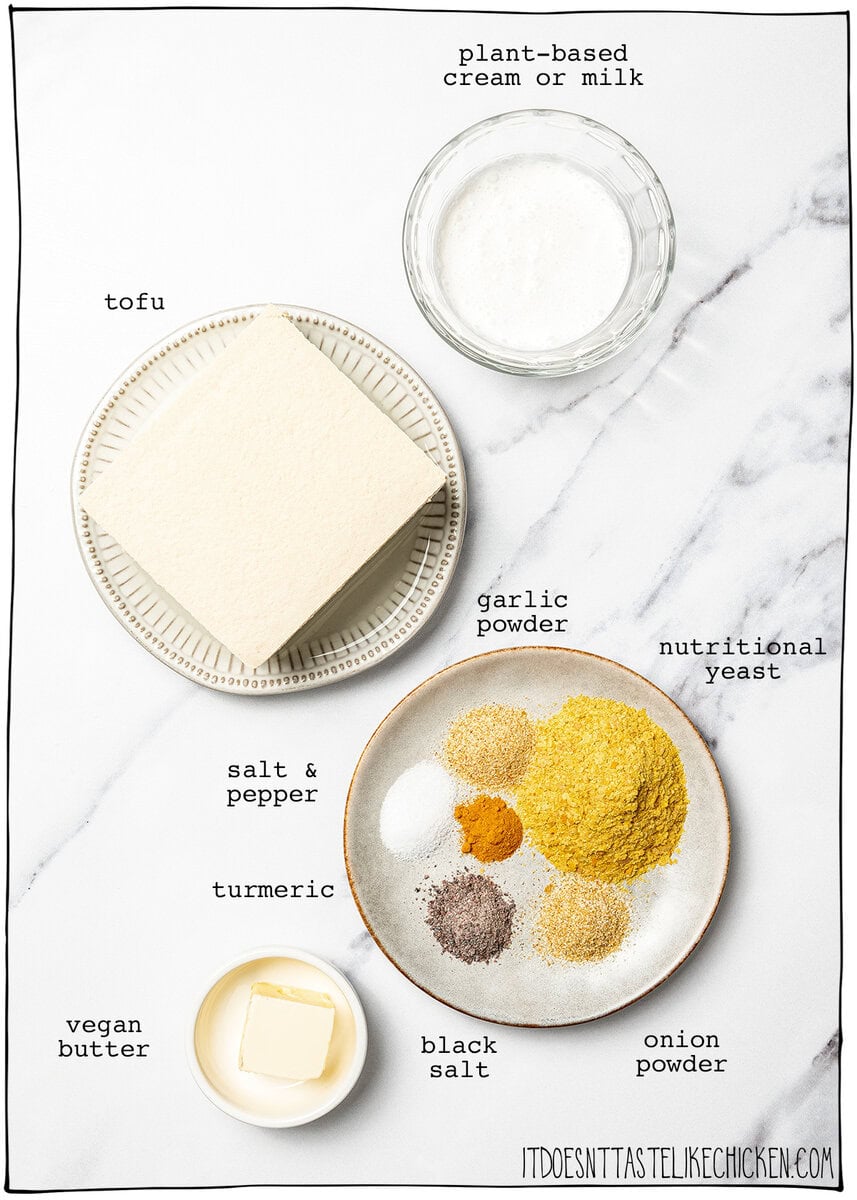
Replicating the sensory experience of scrambled eggs using a plant-based matrix requires an understanding of both physical texture and chemical flavor compounds. The fundamental components of an effective tofu scramble comprise three core elements: the protein base, the lipid medium, and the seasoning profile.
- The Protein Base: Extra-firm or firm tofu serves as the foundational structural element. Unlike soft or silken varieties, firm tofu possesses a lower water content, allowing it to crumble into irregular, curd-like shapes that retain their structural integrity when subjected to thermal energy in a skillet.
- The Lipid Medium: Vegetable oil, olive oil, or vegan butter coats the soy curds, simulating the unctuous mouthfeel provided by the fats naturally present in egg yolks. For those adhering to oil-free dietary regimens, vegetable broth or water functions as an effective thermal conductor.
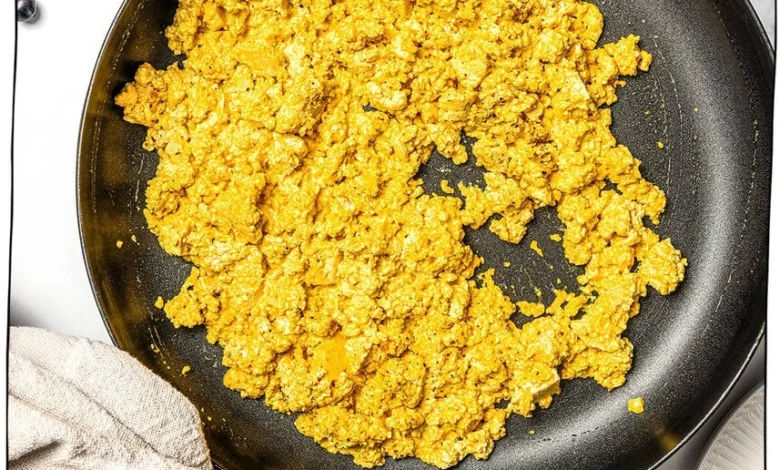
- The Seasoning Matrix: While turmeric is universally employed to impart the characteristic golden-yellow hue associated with traditional scrambled eggs, the true alchemy of the dish relies on a specialized mineral compound known as black salt, or kala namak.
Kala namak is a volcanic rock salt mined primarily in regions of the Indian subcontinent. Due to its high concentration of sulfur compounds—specifically hydrogen sulfide, sodium sulfate, and iron sulfide—the salt possesses a distinct aroma and flavor profile that closely mirrors boiled or scrambled eggs. Culinary scientists note that the integration of black salt bridges the psychological and sensory gap for consumers transitioning away from animal products, providing an authentic taste experience without synthetic additives.
Chronology of Preparation: A Standardized 15-Minute Protocol
The operational efficiency of the tofu scramble has contributed heavily to its widespread adoption in households facing tight morning schedules. The entire cooking process requires approximately 15 minutes, divided into concise prep and thermal phases.
- Phase 1: Preparation (5 Minutes). The process begins with draining the excess moisture from a standard block of firm or extra-firm tofu. While pressing is optional for a softer, creamier scramble, a brief press enhances the ability of the curd to absorb subsequent seasonings. The tofu is then manually crumbled into a bowl or directly into a heated skillet, creating varying particle sizes that mimic real egg curds.
- Phase 2: Thermal Cooking (10 Minutes). A skillet is heated over medium-high heat with a chosen cooking oil or broth. If incorporating optional aromatics—such as yellow onions, bell peppers, mushrooms, or garlic—these are sautéed first until softened and translucent. The crumbled tofu is then introduced to the pan, accompanied by the binding spices: ground turmeric for color, garlic powder, onion powder, black pepper, and salt.
- Phase 3: Finishing and Emulsification. The mixture is stirred continuously for several to ten minutes, allowing the moisture within the tofu to evaporate and the flavors to concentrate. Crucially, the sulfur-rich black salt is added near the very end of the cooking process; prolonged exposure to high heat can diminish its volatile sulfur compounds, muting its signature eggy aroma.
Culinary Variations and Customization
One of the primary drivers of the tofu scramble’s enduring popularity is its capacity for endless adaptation. Culinary professionals categorize these variations into distinct regional and functional profiles:
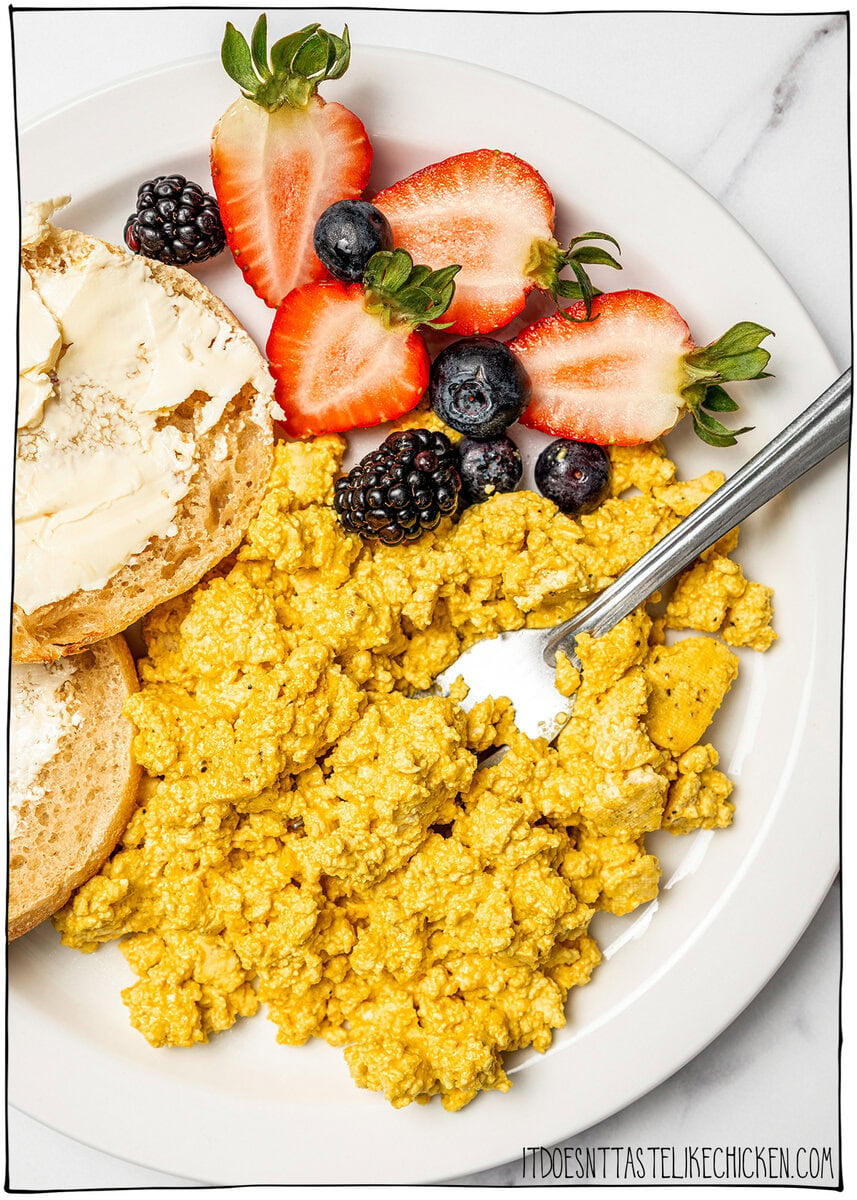
- The Southwest Scramble: This variation incorporates robust aromatics including bell peppers, jalapeños, and red onions, seasoned with cumin, chili powder, and smoked paprika. Toward the end of the cooking cycle, drained and rinsed black beans are folded into the mixture, elevating both the protein density and the fiber content.
- The Green-Market Scramble: Focusing on micronutrient density, this iteration folds in delicate leafy greens such as baby spinach, kale, or Swiss chard during the final minutes of cooking, allowing residual heat to wilt the foliage without compromising its vibrant color or structural integrity.
- The Protein-Boosted Variant: For athletes and individuals requiring higher caloric and macronutrient intake, cooks frequently integrate crumbled vegan sausage, tempeh bacon, or nutritional yeast—a deactivated yeast flakes product that imparts a savory, cheesy umami depth while supplying additional B-complex vitamins.
Storage, Reheating, and Food Safety Protocols
As consumer interest in meal-prepping surges, the logistical viability of prepared foods has become a major consideration in domestic kitchen management. The tofu scramble demonstrates exceptional stability when stored correctly, making it an ideal candidate for batch cooking.
Food safety guidelines dictate that cooked tofu scramble should be cooled to room temperature within two hours of preparation before being transferred to an airtight container. Stored in a refrigerator maintained at or below 4 degrees Celsius (40 degrees Fahrenheit), the dish remains fresh and microbiologically safe for up to three days.

When reheating, maintaining the moisture balance is critical, as refrigeration can cause the soy proteins to release residual water and dry out. Culinary technicians recommend reheating the scramble gently in a skillet over medium-low heat, accompanied by a small splash of plant-based milk (such as unsweetened soy, oat, or almond milk) or water. Alternatively, microwave reheating in 30-second increments with a covered container yields satisfactory results, provided the dish is stirred periodically to ensure even thermal distribution.
Broader Economic and Environmental Implications
The proliferation of accessible, plant-based recipes like the basic tofu scramble reflects broader structural changes within the global food economy. As agricultural economists and environmental scientists document the significant greenhouse gas emissions, land use, and water consumption associated with intensive poultry and livestock farming, consumer preferences are shifting toward resource-efficient alternatives.

Soy production, while subject to its own environmental scrutiny depending on sourcing and deforestation practices, generally requires fewer natural resources per gram of protein than conventional egg production. Furthermore, the economic affordability of staple ingredients—tofu, basic spices, and seasonal vegetables—democratizes access to nutrient-dense breakfasts, insulating households from price volatility in the commercial egg market, which has historically been vulnerable to avian influenza outbreaks and supply chain disruptions.
Public health advocates also point to the psychological benefits of accessible culinary education. By demystifying plant-based cooking through simple, single-pan recipes that require no specialized culinary training, home cooks are empowered to make dietary choices that align with preventative healthcare objectives. As nutritional science continues to validate the long-term benefits of reducing animal fat consumption, foundational recipes like the easy tofu scramble are poised to remain permanent fixtures of the modern domestic kitchen, bridging the gap between nutritional necessity and culinary satisfaction.