Taste Argentina: Learn By Drinking Course Offers an Immersive Exploration of South America’s Premier Winemaking Regions

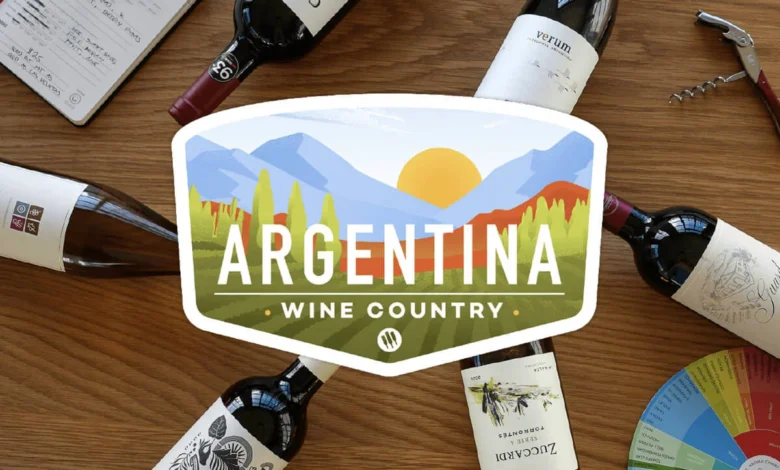
The global appreciation for South American viticulture has reached new heights, prompting wine education platforms to innovate how enthusiasts and novices alike interact with regional offerings. At the forefront of this educational evolution is a newly launched immersive program designed to connect the sensory experience of tasting with the geographical, historical, and climatic realities of winemaking. Titled Learn By Drinking: Argentina, this comprehensive educational offering bridges the gap between traditional textbook learning and practical sensory evaluation, leveraging the unique terroir of a country celebrated for its high-altitude vineyards and diverse microclimates.
Main Facts of the Curriculum
The newly introduced curriculum is meticulously structured to guide participants through the vast and varied landscape of Argentine wine production, stretching from the wind-swept, southern reaches of Patagonia to the dramatic, high-altitude vineyards of Salta in the north. At its core, the program focuses on six quintessential wine varieties that define Argentina’s modern identity on the global stage. These include internationally renowned styles such as Malbec and Cabernet Sauvignon, as well as distinctive regional expressions like Torrontés.
Rather than relying solely on theoretical instruction, the program champions a sensory-driven pedagogical approach. The central premise is that human taste memory serves as one of the most powerful and evocative tools for retaining complex geographical and agricultural knowledge. By pairing structured tastings with detailed regional guides, participants are taught to draw direct correlations between environmental factors—such as diurnal temperature shifts, intense solar radiation, glacial meltwater irrigation, and diverse soil compositions—and the final characteristics found in the glass.
Chronology and Development of the Educational Initiative
The genesis of this immersive course reflects a broader shift in consumer behavior within the global wine market over the past decade. As wine enthusiasts increasingly seek out authentic, place-driven narratives rather than generic mass-market products, educational providers have faced rising demand for interactive, remote-accessible learning experiences.
Planning for the Argentina-focused curriculum began following extensive field research across South America’s primary wine corridors, particularly within Mendoza, San Juan, and the emerging cool-climate zones of the Atlantic coast. Developers sought to create a structured timeline for learners, allowing them to progress systematically from foundational tasting techniques to advanced regional comparisons. The formal launch of the program establishes a milestone for digital wine education, providing a standardized yet engaging framework that can be completed independently by participants worldwide.
Expert Leadership and Instruction
To ensure rigorous academic and practical standards, the program is led by renowned sommelier and wine communicator Madeline Puckette. A distinguished veteran of the wine trade with more than a decade of industry experience, Puckette is a recipient of the prestigious International Wine and Spirit Competition’s "Wine Communicator of the Year" award and has earned recognition as a James Beard Award-winning author.
Throughout the curriculum, Puckette serves as the primary instructor, offering detailed guidance on professional tasting strategies, sensory evaluation techniques, and the specific aromatic and structural markers to look for when assessing diverse wine styles. Her instructional methodology emphasizes critical thinking, helping students move beyond subjective descriptors like "good" or "bad" to articulate precise observations regarding acidity, tannin structure, alcohol levels, and aromatic profiles.
Logistical Integration and Accessibility
While the curriculum itself is offered as a standalone digital educational product, organizers have implemented strategic partnerships to streamline the practical implementation for learners. A notable collaboration has been established with national wine retailer Wine Access, specifically tailored to residents of the United States. Through this partnership, participants have the option to purchase a curated collection containing the exact six regional wines highlighted throughout the syllabus, ensuring that students are tasting the designated benchmark styles directly referenced in the instructional materials.
This logistical alignment addresses a common barrier in remote wine education: the difficulty of sourcing specific, high-quality regional bottles independently. By coordinating the educational content with readily accessible distribution channels, the program minimizes friction for the learner, thereby maximizing engagement and educational retention.
Contextual Background on Argentine Viticulture
To fully appreciate the scope of the curriculum, it is essential to examine the unique geographical and historical context that shaped Argentina’s wine industry. Historically dominated by high-yield, mass-market production intended for domestic consumption, the Argentine wine sector underwent a profound modernization transformation during the late 20th and early 21st centuries. Producers shifted their focus from quantity to quality, heavily investing in drip irrigation, modern stainless-steel fermentation tanks, and French oak aging programs.
Crucially, Argentina’s wine geography is defined by its proximity to the Andes Mountains. Unlike many European wine regions situated at lower elevations, Argentine vineyards frequently sit at altitudes ranging from 2,000 to over 10,000 feet above sea level. These elevated sites experience intense ultraviolet sunlight during the day, which stimulates thick grape skins rich in color pigments and protective tannins, followed by dramatic nighttime temperature drops that preserve vital natural acidity. This unique combination yields wines characterized by vibrant freshness, concentrated fruit flavors, and structured palates.
Furthermore, the rain-shadow effect created by the Andes mountain range results in an arid, desert-like climate across much of the western wine regions. This lack of natural humidity drastically reduces the incidence of fungal diseases, enabling sustainable and organic viticultural practices to flourish with minimal chemical intervention. Irrigation relies primarily on pure, mineral-rich snowmelt channeled directly from Andean glaciers down through a sophisticated network of canals originally engineered by indigenous populations and later expanded by European immigrants.

Broader Industry Implications and Economic Impact
The introduction of specialized regional courses such as Learn By Drinking: Argentina carries significant implications for the broader alcoholic beverage and tourism sectors. As international travel restrictions fluctuate and consumers increasingly look for ways to experience global cultures from home, digital education acts as a vital bridge for cultural and economic exchange.
From an economic perspective, structured educational programs that highlight specific national portfolios help drive export demand for premium and ultra-premium tiers. By educating consumers on the nuance and labor-intensive realities of high-altitude viticulture, programs of this nature justify higher price points for artisanal producers who might otherwise struggle to compete against industrial volume brands on supermarket shelves.
Industry analysts note that consumer education directly correlates with market premiumization. When a buyer understands the concept of terroir—specifically how the calcified soils of the Uco Valley or the extreme diurnal shifts of Salta impart distinct mineral and herbal notes into a glass of Malbec or Torrontés—they develop brand loyalty rooted in appreciation rather than mere price point.
Future Outlook for Digital Wine Curriculum
The success of regionally targeted educational formats suggests a burgeoning trend within culinary arts and beverage training. As digital platforms continue to integrate high-definition visual media, interactive tasting notes, and direct-to-consumer logistics partnerships, the boundaries between traditional classroom instruction and remote learning are blurring.
For Argentina’s wine industry, continued investment in global digital outreach ensures that its rich viticultural narrative remains accessible to emerging markets across North America, Europe, and beyond. By demystifying complex regional classifications and empowering consumers with practical tasting frameworks, initiatives like the newly launched curriculum play a pivotal role in shaping the next generation of informed wine enthusiasts.