At the table with Jesús Jiménez of Bodega Numanthia: Exploring the legacy of Spain’s centenary vines

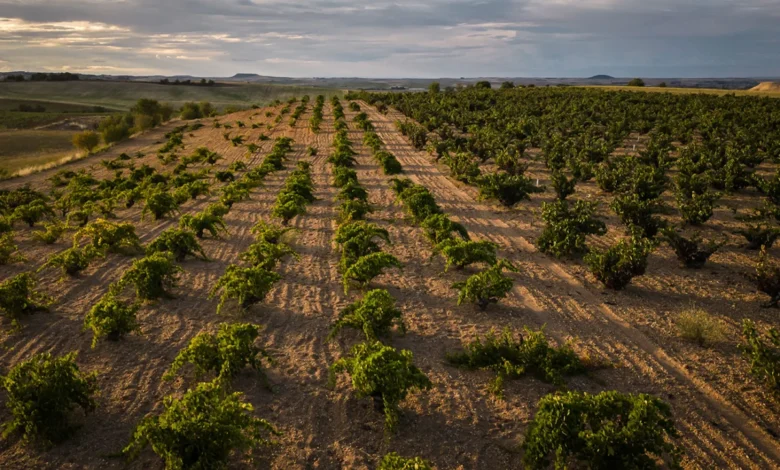
The landscape of Spanish viticulture is anchored by tradition, but few regions possess the geological and historical idiosyncrasies of Toro. Nestled in the heart of the Castilla y León region, this denomination has emerged from relative obscurity in the late 1990s to become a global benchmark for high-altitude, concentrated red wines. At the center of this transformation is Bodega Numanthia, an estate under the LVMH umbrella that has become synonymous with the preservation of pre-phylloxera vines. Leading the technical direction of this historic house is Jesús Jiménez, an agricultural engineer and enologist whose career has traced a path from the family vineyards of Toledo to the helm of some of Spain’s most prestigious wineries.
As the industry prepares for the upcoming Decanter Fine Wine Encounter London on 6 November, Jiménez is set to provide a rare, intimate look at the nuances of the Tinta de Toro grape. Attendees of the event’s exclusive three-course lunch, hosted alongside Decanter content director Tina Gellie, will have the opportunity to taste vintages that highlight the evolution of the estate, including the Numanthia 2018 and 2019, as well as the critically acclaimed Termanthia 2015.
A Chronology of Craftsmanship
The trajectory of Jesús Jiménez is deeply rooted in the soil of La Mancha. Born into a family of winegrowers, his early education was experiential rather than academic. While his peers were in school, a young Jiménez was learning the intricacies of fermentation under the guidance of his grandfather and gaining his first mechanical experiences at the helm of a tractor in his father’s vineyards. This early exposure to the rhythm of the vine provided a foundational philosophy: viticulture is a symbiotic exchange. "All the care we give to the vineyard, it gives back to us in spades," Jiménez reflects.
Following his formative years in Toledo, Jiménez pursued formal training in Agricultural Engineering, followed by a Master’s degree in Viticulture and Enology, a program facilitated by UNESCO. His professional career began with a focus on sustainable water management in vineyards—a critical area of study given the increasing frequency of drought conditions in Spain. This expertise led him to the Los Nevados winery in Ciudad Real, where he served as viticulture director and later technical director.
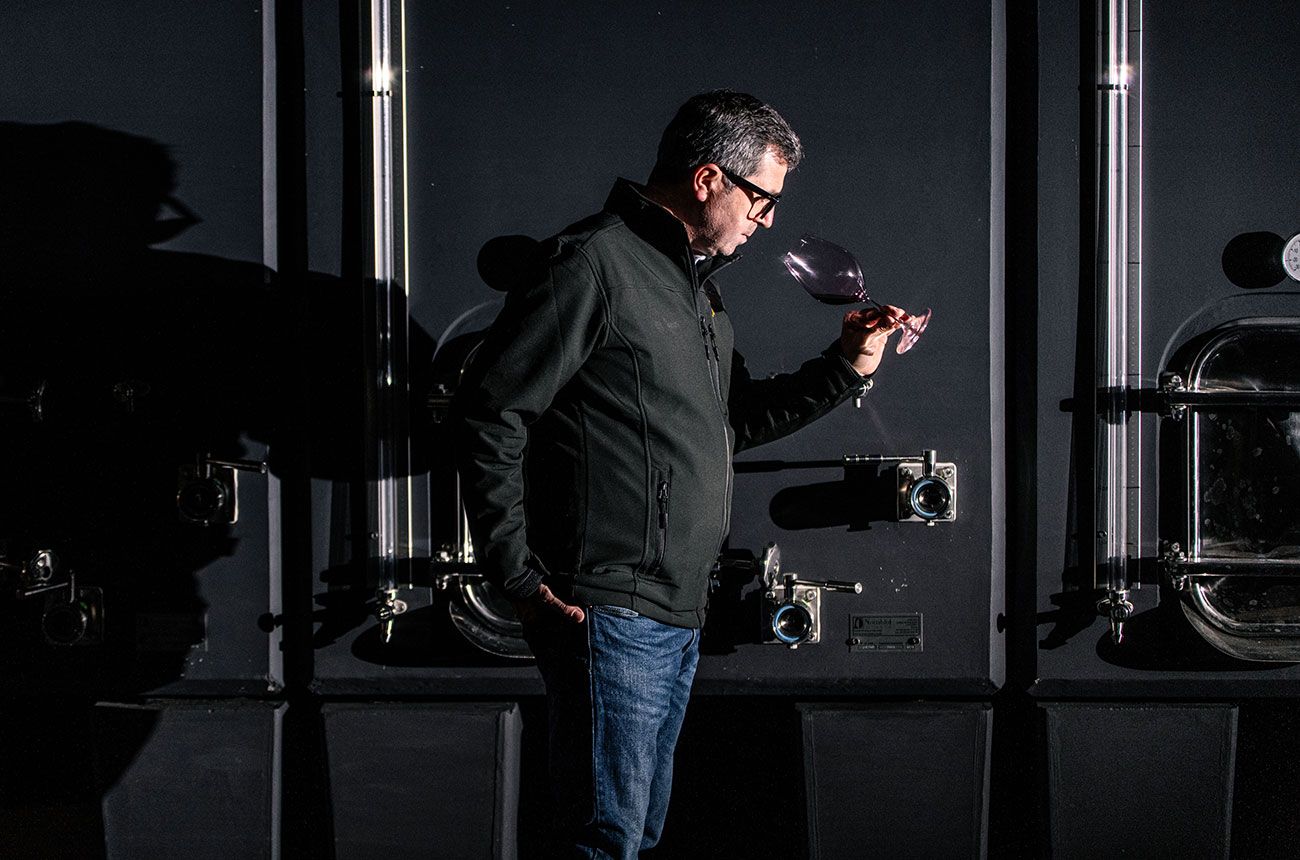
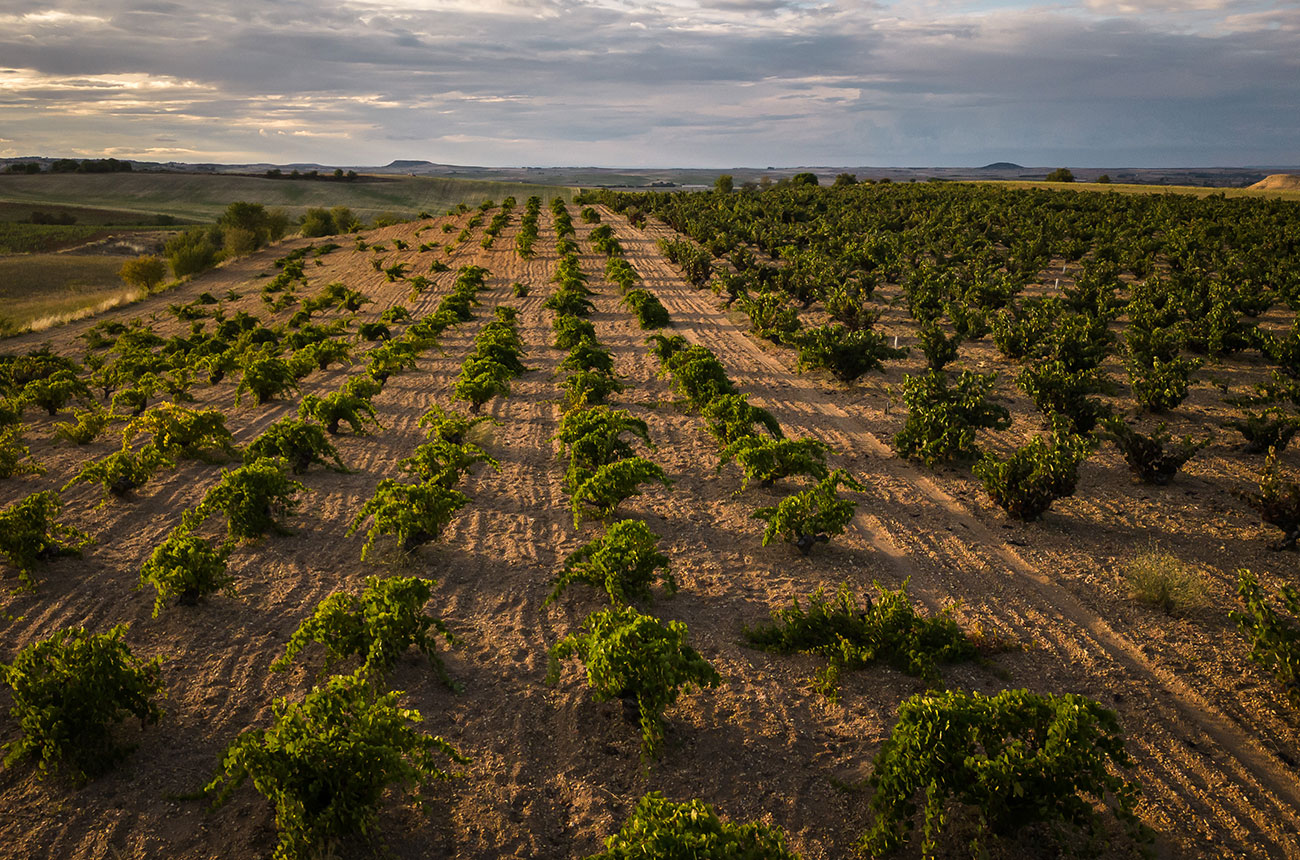
His career then shifted toward a broader international perspective, working under the mentorship of legendary French winemaker François Lurton and the renowned consultant Michel Rolland. Through these collaborations across the Rueda and Toro regions, Jiménez honed a "bold vision" for blending, learning to balance the raw intensity of Spanish fruit with the structural precision required by global fine wine standards. Today, at Bodega Numanthia, he manages a complex mosaic of over 100 individual vineyard blocks, averaging one hectare each, with vines that boast an average age of 85 years.
The Toro Terroir: A Living Relic
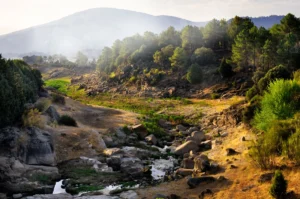
The region of Toro is often described as a "relic" of European viticulture. Its geographical isolation and sandy soil composition have provided a natural defense against the phylloxera louse that devastated the majority of the continent’s vineyards in the late 19th century. This has left the region with a rare collection of ungrafted, ancient vines—some reaching up to 200 years in age.
From a technical standpoint, the Tinta de Toro variety—a local adaptation of Tempranillo—is uniquely suited to the extreme continental climate of the area. Jiménez notes that the historical pressure of the environment has forced the plant to evolve, resulting in smaller, loose bunches with thicker skins. These thick skins are not merely an aesthetic trait; they serve as a biological defense against fungal pathogens and facilitate a higher concentration of polyphenols.
The resulting wines are defined by their "unique tannins," which allow for long-term aging potential that, in optimal conditions, can span two decades or more. "Our wines aren’t great because the vines are old; our vines are old because they have always grown great wines," Jiménez explains. This distinction is critical to the Numanthia philosophy, which posits that quality is inherent to the specific plots of land rather than just the age of the wood.
Economic and Cultural Implications
The rise of Toro as a premium wine destination has had significant economic impacts on the Castilla y León region. For decades, the area’s potential remained untapped, with production largely aimed at local consumption. The arrival of investors and technical directors like Jiménez has shifted the focus toward high-end export markets.

The strategy employed at Bodega Numanthia relies on a decentralized management style, treating the 100-plus blocks as individual components of a larger puzzle. By maintaining this level of granular control, the winery is able to mitigate the risks associated with climate change and extreme weather. The ability to source fruit from varied micro-plots—some of which are pre-phylloxera—provides a hedge against the volatile shifts in temperature that characterize the region.
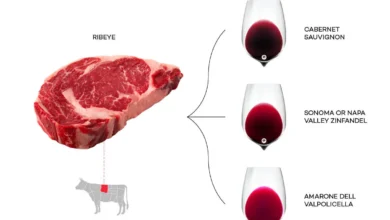
Furthermore, the regional tourism sector has seen a surge in interest as wine lovers seek out the historical and cultural assets of the surrounding cities. Within a one-hour radius of the estate, visitors can access the historical hubs of Salamanca, Zamora, and Valladolid. The integration of high-end gastronomy—such as the region’s famous roast suckling lamb and the "chuletón de Aliste" rib-eye—with the bold, structured profile of Tinta de Toro has created a robust hospitality model that sustains the local economy.
Perspectives on Modern Gastronomy
In the modern fine-dining context, the pairing of robust red wines with diverse cuisines is evolving. While traditional wisdom dictates that high-tannin reds like Numanthia are best suited for red meats, Jiménez advocates for a more adventurous approach. He points to the success of pairing these wines with grilled fish, noting that the texture of the wine, when properly integrated, can complement rather than overwhelm the delicacy of the dish.
For those planning to explore the region, Jiménez recommends a focus on the intersection of architecture and history. He points to the Museo Casa Botines and the Palacio Episcopal de Astorga—both designed by Antoni Gaudí—as essential stops for any traveler interested in the broader cultural tapestry of Spain.
For the London-based enthusiast, Jiménez suggests an appreciation for authentic Spanish hospitality. Whether at a traditional establishment like Hispania or a more casual, contemporary venue like the Prince Arthur in Chelsea, the goal remains the same: to foster an environment where wine serves as the catalyst for conversation.
Looking Ahead
As Jiménez looks toward the future, his focus remains on the "potential yet to be unearthed" within the Toro region. The challenge for the next generation of viticulturists will be to balance the preservation of these centenary assets with the demands of a changing climate. By continuing to document the behavior of these ancient vines and refining the extraction methods in the cellar, Jiménez and his peers are ensuring that the "silent" history of Toro continues to resonate with modern consumers.
The upcoming Fine Wine Encounter serves as a bridge between this historical legacy and the future of the industry. By providing an educational platform for attendees to taste the 2015, 2018, and 2019 vintages, the event highlights the consistency and evolution of a brand that has become a global ambassador for the region. For Jiménez, the goal is simple: to share the "alluring profile" of Tinta de Toro, ensuring that the legacy of his father and grandfather is not only preserved but elevated for a global audience. Through his meticulous work in the vineyard and his strategic leadership in the cellar, he continues to prove that in the world of fine wine, the most significant innovations are often those that respect the wisdom of the past.