Beyond the Butter: Why Chardonnay is the World’s Most Misunderstood Wine and Nine Varieties to Drink Next

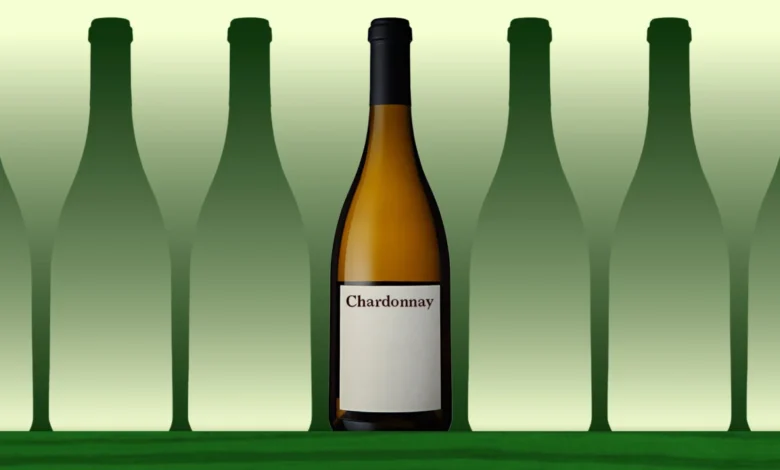
The global perception of Chardonnay remains inextricably linked to a specific sensory profile: heavy, buttery, oak-driven, and intensely creamy. For decades, marketing trends and widespread commercial winemaking popularized these heavy-handed styles, causing many wine consumers to reject the varietal entirely. However, this one-dimensional reputation obscures the reality of the grape. Chardonnay is arguably the most malleable and diverse white grape variety in the world, capable of expressing everything from chalky, laser-focused minerality to rich, structured age-ability.
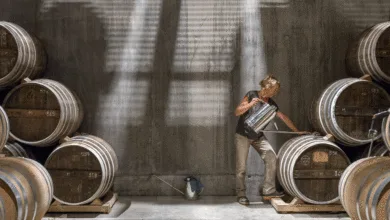
The characteristics commonly attributed to Chardonnay—such as buttery textures and toast notes—are rarely inherent to the grape itself. Instead, they are the direct result of deliberate winemaking choices, including oak barrel fermentation, malolactic fermentation (a secondary bacterial conversion that softens malic acid into creamy lactic acid), and extended aging on the lees (spent yeast cells). When these techniques are stripped away, or applied with restraint, the grape reveals an entirely different personality.
Understanding Chardonnay’s true nature requires examining its historical epicenter in Burgundy, France, alongside the insights of contemporary sommeliers, wine directors, and viticulturists. For consumers looking to expand their palates, the global wine market offers an array of alternative varietals that mirror Chardonnay’s complex textures and structural elements, frequently at a significantly lower price point.
The Historical Context and Versatility of Chardonnay
To comprehend the modern landscape of Chardonnay, one must trace its origins to the limestone-rich soils of Burgundy, where it has been cultivated for centuries. Historically, regional producers let the terroir speak through the grape, yielding wines defined by cool-climate acidity, flinty minerality, and restrained fruit profiles, as seen in the unoaked styles of Chablis. As the grape spread globally during the late 20th century—particularly to New World regions like California and Australia—winemakers experimented heavily with new oak and aggressive extraction, spawning the "butter bomb" phenomenon that permanently altered public perception.
Despite this commercial detour, industry professionals emphasize that adaptability remains Chardonnay’s defining trait.
"One of the things that makes Chardonnay such an exciting grape is its versatility and range of styles. You have everything from crisp, minerally Chablis to flinty oaked Meursault to stereotypical butter bombs," explains Greg Stokes, owner of Columbus, Ohio’s Cordial Cocktail Club and bottle shop.
This versatility stems from the grape’s chemical and structural composition. It possesses a neutral flavor profile that readily absorbs secondary aromas from oak, maintains a balanced acid backbone in cool climates, and develops weight and glycerin in warmer regions. Winemakers utilize this canvas to manipulate texture, mouthfeel, and aromatic intensity through technical interventions.
Chronology of Winemaking Techniques Shaping White Wine
The evolution of white winemaking styles, particularly regarding Chardonnay and its textural equivalents, can be broken down into three major historical shifts:
- Pre-20th Century Traditionalism: Dominated by regional European practices, where white wines relied primarily on native yeasts, neutral vessels (such as old wooden casks or concrete), and basic gross-lees settling. The resulting wines were leaner, highly acidic, and deeply tied to local chalk or limestone soils.
- The Late 20th Century Oak Revolution: Marked by the rise of industrial winemaking, heavy toasted new French and American oak, and widespread induction of malolactic fermentation. This era prioritized approachable, fruit-forward, and heavy-bodied profiles, establishing the ubiquitous "buttery Chardonnay" stereotype in global markets.
- The Contemporary Minimalist Movement (2010s–Present): A global pivot back to terroir-driven, lower-intervention winemaking. Producers increasingly utilize neutral oak, amphorae, concrete eggs, and extended lees contact without excessive stirring, celebrating tension, salinity, and natural acidity across both Chardonnay and lesser-known alternative white varieties.
Market Implications and Economic Realities
The over-reliance on Chardonnay in global vineyards has created both economic advantages and vulnerabilities for the agricultural sector. As one of the most widely planted white wine grapes globally, covering hundreds of thousands of hectares across every major continent, its supply chain is immense. However, shifts in consumer preferences toward lighter, fresher, and more affordable white wines have put pressure on traditional producers of heavy, oak-aged styles.
For consumers, the financial barrier to entry for top-tier Burgundian Chardonnay can be prohibitive, with premier cru and grand cru bottles frequently commanding hundreds or thousands of dollars. This economic reality has fueled a surging market demand for alternative grape varieties that replicate Chardonnay’s tactile weight, high acidity, and aging potential without the steep price tag.
Industry data indicates that exploration of alternative regional white varietals has grown steadily over the past decade, driven by younger demographics seeking value and authenticity. By identifying which structural elements of Chardonnay they enjoy—whether it is the crisp acidity, the rich mouthfeel, or the capacity for bottle age—consumers can navigate a vast ecosystem of over 10,000 known wine grape varieties.
Nine Alternative Grape Varieties for Chardonnay Enthusiasts
For those seeking to move beyond conventional Chardonnay while retaining its structural appeal, wine professionals recommend exploring nine distinct grape varieties cultivated across Europe, the Americas, and the Southern Hemisphere.
1. Aligoté
Long overshadowed by Burgundy’s prestigious Chardonnay and Pinot Noir, Aligoté has experienced a renaissance over the past two decades. Historically viewed as a rustic workhorse, dedicated producers have elevated the grape through meticulous vineyard management and low yields.
"Aligoté wines are bright and full of zesty citrus, smoke, and light herbal notes," notes Derek Mizell, wine lead at Only the Wild Ones in Austin, Texas. Producers such as Sylvain Pataille and Alice et Olivier de Moor demonstrate the varietal’s capability to deliver high-acid, mineral-driven profiles at a fraction of the cost of mainstream white Burgundy.
2. Chenin Blanc
Renowned for its remarkable adaptability, Chenin Blanc thrives across cool, moderate, and warm climates. It yields styles ranging from bone-dry and sparkling to unctuously sweet and age-worthy. Hailing natively from France’s Loire Valley, the grape has also found a massive secondary home in South Africa, where historical plantings under the synonym Steen make the country a leading global producer.
"If you love a rich, buttery Chardonnay, try a barrel-aged Chenin from South Africa, or if you prefer a crisp, unoaked version, look for Vouvray in the Loire Valley," advises Aaron Walker, director of winemaking operations at California’s Pali Wine Co.
3. Viognier
Originating in the Northern Rhône Valley, Viognier shares Chardonnay’s affinity for a luxurious, oily texture and full-bodied presence, though it typically leans into more flamboyant, aromatic territory.
"If you like Chardonnay for its fruitiness while having that round texture and fuller body, Viognier is a great alternative because it has all the same characteristics, just with slightly different fruit flavors," states Wade Hill, sommelier at Lautrec in Pennsylvania. Beyond its native France, exciting expressions are emerging from the cooler microclimates of Virginia and South Australia.
4. Sémillon
Sémillon bridges the gap between crisp, youthful vitality and complex bottle aging. Young expressions are zippy and bright, dominated by lemon and green apple notes, whereas mature bottlings develop deep secondary characteristics of honey, beeswax, and toast. While traditionally famous for its blending role in Bordeaux’s dry and sweet iterations, Australia’s Hunter Valley has established a global benchmark for single-varietal, dry Sémillon. Notable New World expressions, such as Adega Vinho’s 2023 Sémillon Reserve, offer compelling alternatives for fans of textured white wines.
5. Marsanne
Marsanne is the backbone of the celebrated white wines of Hermitage in the Rhône Valley, frequently co-fermented with Roussanne. When bottled as a single varietal, it presents a rich, full-bodied palate defined by pear, stone fruit, and subtle hints of almond and honey with age.
"Those who love Chardonnay for its texture should try Marsanne," says Braith Gill, beverage director at Brennan’s in New Orleans. While French iterations remain classic, warmer-climate regions in California, Australia, and Texas—such as Uplift Vineyard’s 2024 Marsanne from the Texas Hill Country—produce vibrant, expressive examples.
6. Grenache Blanc
A mutation of the red Grenache grape, Grenache Blanc is a full-bodied white variety native to Spain with deep historical roots in Southern France. The grape delivers a plush palate characterized by white peach, green pear, and melon, complemented by subtle floral and herbal undertones.
"You get those green and golden apple notes, along with a broad, rounded mouthfeel that can remind you of a Chardonnay that has gone through malolactic fermentation," explains Fah Sathirapongsasuti, sommelier, winemaker, and co-owner of California’s Sunset Cellars. Spain’s Terra Alta provides fresh, mineral expressions, while Priorat and the Southern Rhône offer richer, weightier styles.
7. Garganega
As the indigenous force behind Italy’s Soave wines in the Veneto region, Garganega spans a wide spectrum from lean and skeletal to round, nutty, and decadent. It offers a compelling alternative for drinkers who appreciate Chardonnay’s structural weight but desire higher, more refreshing acidity. Classic examples like the Pieropan Soave Classico 2023 highlight the grape’s bright citrus and almond profile, while styles like the Pasqua Romeo and Juliet Passimento Bianco 2024 showcase its richer, riper capacity.
8. Godello
For wine enthusiasts whose palates lean specifically toward white Burgundy, the Spanish grape Godello offers a striking structural parallel.
"The body and fruity profile of Godello is very similar to French Chardonnay," observes Greg Stokes. "The younger styles like Emilio Moro ‘Polvorete’ or Alberto Orte ‘A Portela’ are perfect for the Chablis drinker, while bottles with more oak aging like Emilio Moro’s ‘La Revelía’ or Alberto Orte’s ‘Escalada Do Sil’ readily scratch an itch for those who crave Côte de Beaune Burgundies." The grape’s spiritual home is Valdeorras within Spain’s northwestern Galicia region.
9. Xarel-lo
While widely recognized as a foundational blending grape in Spain’s sparkling Cava production—providing structure, bracing acidity, and saline minerality—Xarel-lo also excels as a still wine. Native to Catalonia, still expressions yield textured, lively profiles marked by citrus, spice, and stone fruit. Extended time on the lees builds creaminess and aromatic complexity while preserving the grape’s distinct Mediterranean character. Producers such as Anima Mundi and Enric Soler in the Penedès region highlight the full potential of the varietal.
Conclusion
The enduring dominance of Chardonnay in the global wine market is well-deserved, but viewing the grape through the singular lens of heavy oak and butter limits the broader appreciation of viticultural art. By understanding the winemaking choices that shape white wine textures, consumers can unlock a vast spectrum of styles within the varietal itself. Furthermore, venturing beyond Chardonnay into the diverse worlds of Aligoté, Chenin Blanc, Viognier, Sémillon, Marsanne, Grenache Blanc, Garganega, Godello, and Xarel-lo opens up new avenues of discovery, offering structural familiarity, historical depth, and exceptional value.