The synergy between red wine and steak is a cornerstone of modern gastronomy, representing a sophisticated intersection of chemistry, tradition, and culinary technique. While the fundamental directive in viticulture and butchery suggests that dry red wines are the ideal accompaniment to beef, the nuance of this relationship depends heavily on the specific cut of meat, its fat content, and the method of preparation. As the global steakhouse market continues to expand—projected to reach new heights in the post-pandemic luxury dining sector—understanding the mechanics of these pairings has transitioned from a niche skill of the sommelier to an essential component of the epicurean lifestyle.

The Chemical Foundation of Pairing: Tannins and Proteins
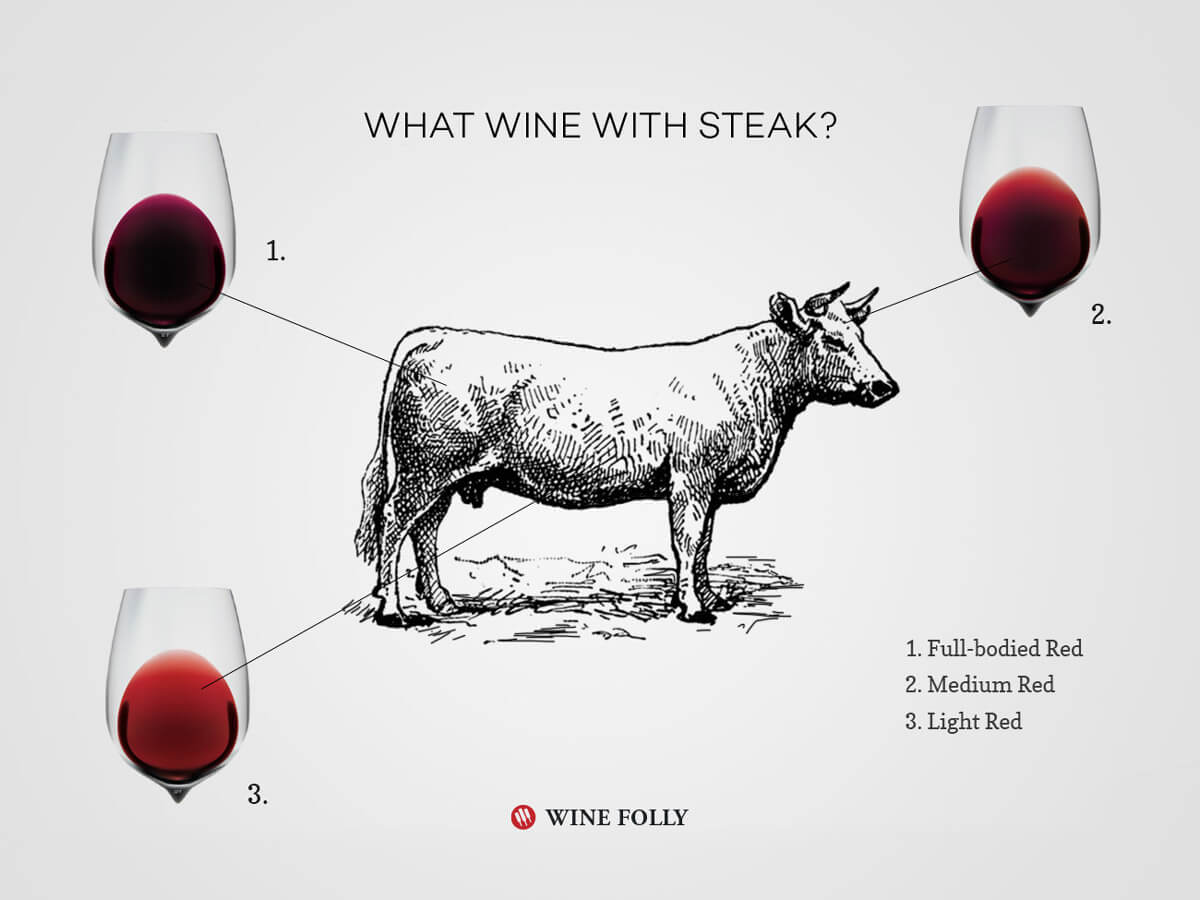
To understand why certain wines elevate the experience of eating steak, one must look at the molecular interaction between tannins and proteins. Tannins are polyphenolic compounds found in the skins, seeds, and stems of grapes, as well as in the oak barrels used for aging. They are responsible for the astringent, mouth-drying sensation often associated with bold red wines. When a high-tannin wine, such as a Cabernet Sauvignon or a Nebbiolo, is consumed alongside a marbled steak, the tannins bind to the proteins and fats in the meat.
This chemical reaction serves a dual purpose: it softens the perception of the wine’s astringency, making it taste fruitier and smoother, while simultaneously "cleansing" the palate of the heavy fats found in the beef. Consequently, the rule of thumb in the industry is that leaner cuts of meat require lighter, more acidic wines, whereas richer, fattier cuts demand high-tannin wines that can structurally withstand and cut through the lipid layers.
A Chronology of Steak and Wine in Culinary History
The tradition of pairing fermented grape juice with roasted bovine meat traces back to antiquity, but the formalized "steakhouse" culture began to take shape in the late 18th and early 19th centuries.
- The 1700s: In Great Britain, "Beefsteak Clubs" became prominent, where political and social elites gathered to consume steak and port or claret (Bordeaux), establishing the early connection between red meat and red wine as a symbol of status.
- The 1830s: Delmonico’s opened in New York City, often cited as the first fine-dining restaurant in the United States. It popularized specific cuts like the "Delmonico steak" (a ribeye or strip) and offered extensive wine lists featuring French imports.
- The 1970s: The "Judgment of Paris" in 1976 revolutionized the industry by proving that California Cabernets could compete with French Bordeaux. This led to a surge in the availability of "steak-ready" New World wines.
- Modern Era: Today, the focus has shifted toward "terroir-based" pairing, where the origin of the beef (grass-fed vs. grain-fed) and the origin of the wine are matched to reflect regional characteristics.
Detailed Analysis of Primary Steak Cuts and Their Oenological Matches
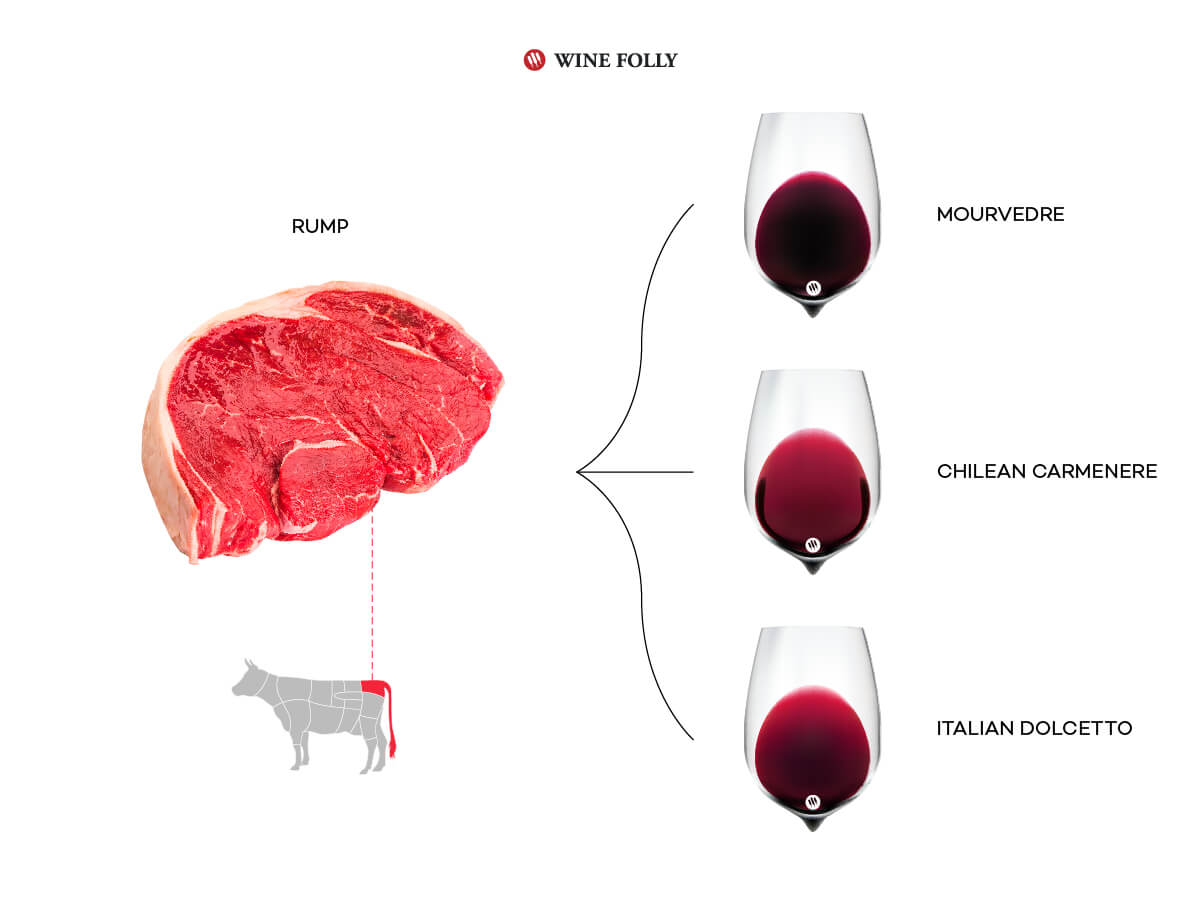
The Sirloin: The Versatile Standard
The sirloin is a relatively lean cut with light marbling and a characteristic strip of fat along the perimeter. Because it is often seasoned with complex rubs or served with various sauces, it requires a "work-horse" wine—one that offers flexibility.
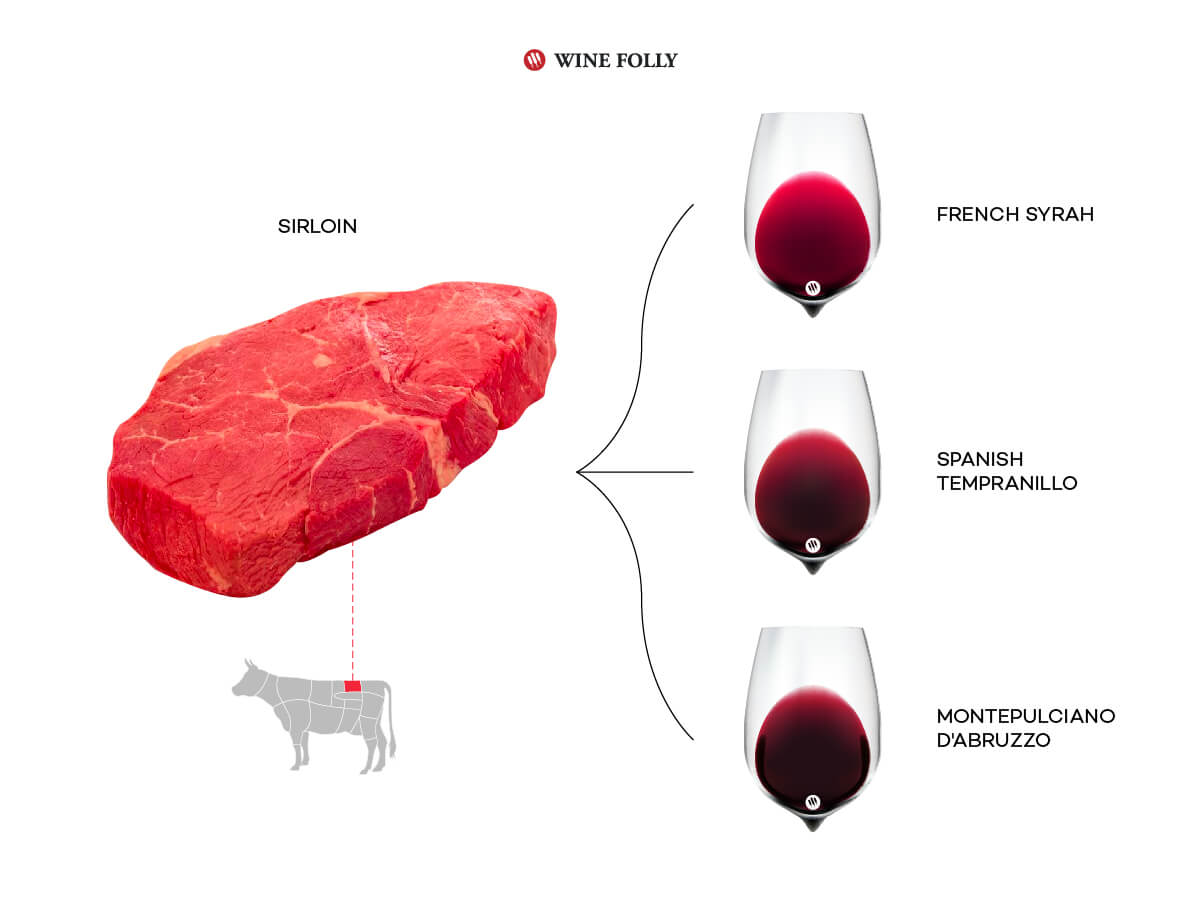
- Recommended Varietals: Syrah (Shiraz), Grenache, or a Cotes du Rhone blend.
- Scientific Rationale: These wines often possess a balance of spice and dark fruit that complements the char of a grilled sirloin without overwhelming the meat’s natural flavor.
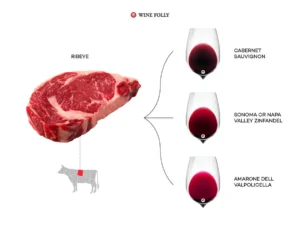
Ribeye and Bone-In: The High-Fat Powerhouse
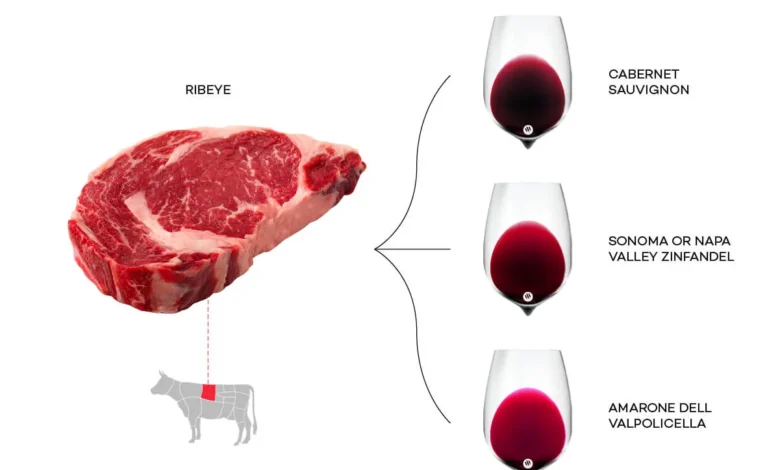
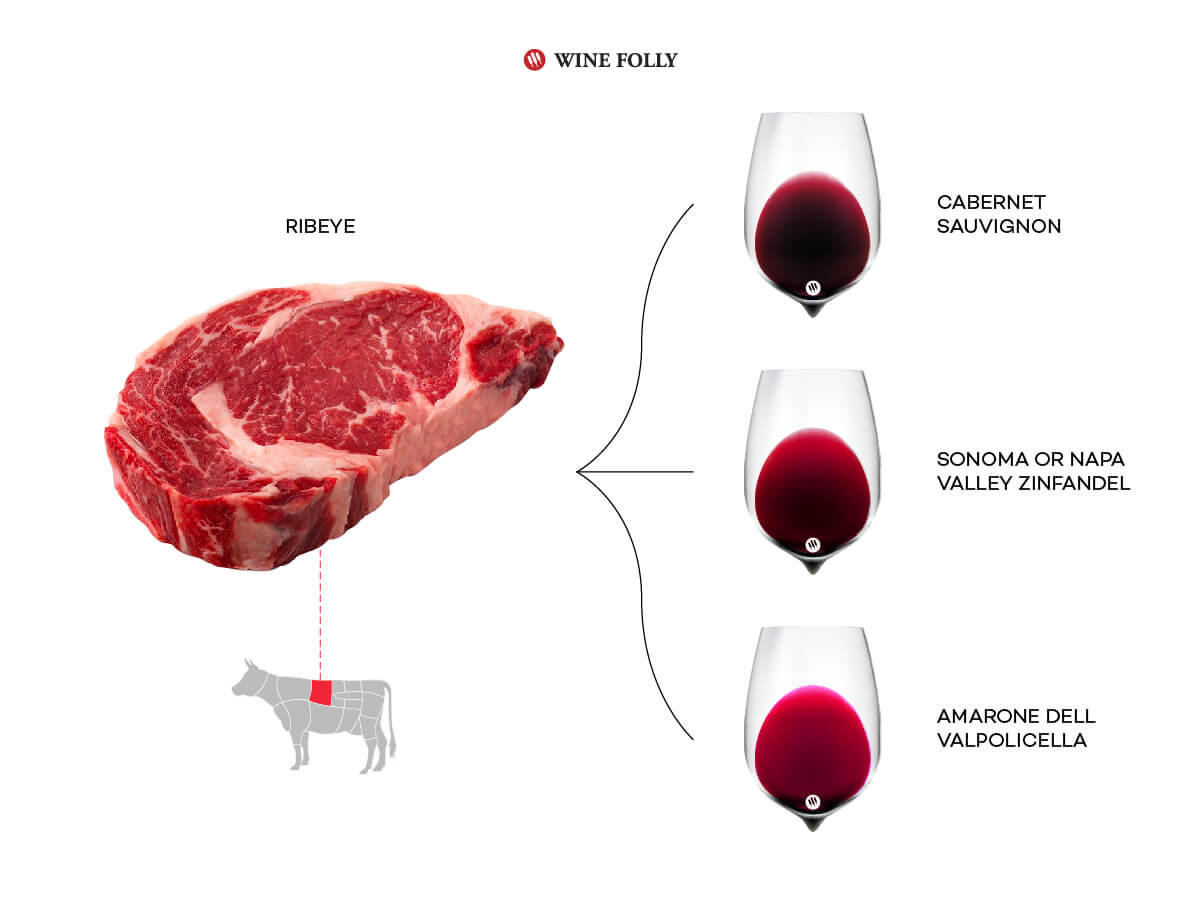
The ribeye is widely considered the most flavorful cut due to its high degree of intramuscular fat (marbling). Whether served as a standard cut or a "Tomahawk" bone-in version, it presents a rich, buttery profile.
- Recommended Varietals: Cabernet Sauvignon, Tannat, or Petit Verdot.
- Scientific Rationale: The high fat content of the ribeye acts as a foil for the aggressive tannins found in these varietals. The wine provides a necessary structural contrast to the richness of the beef.
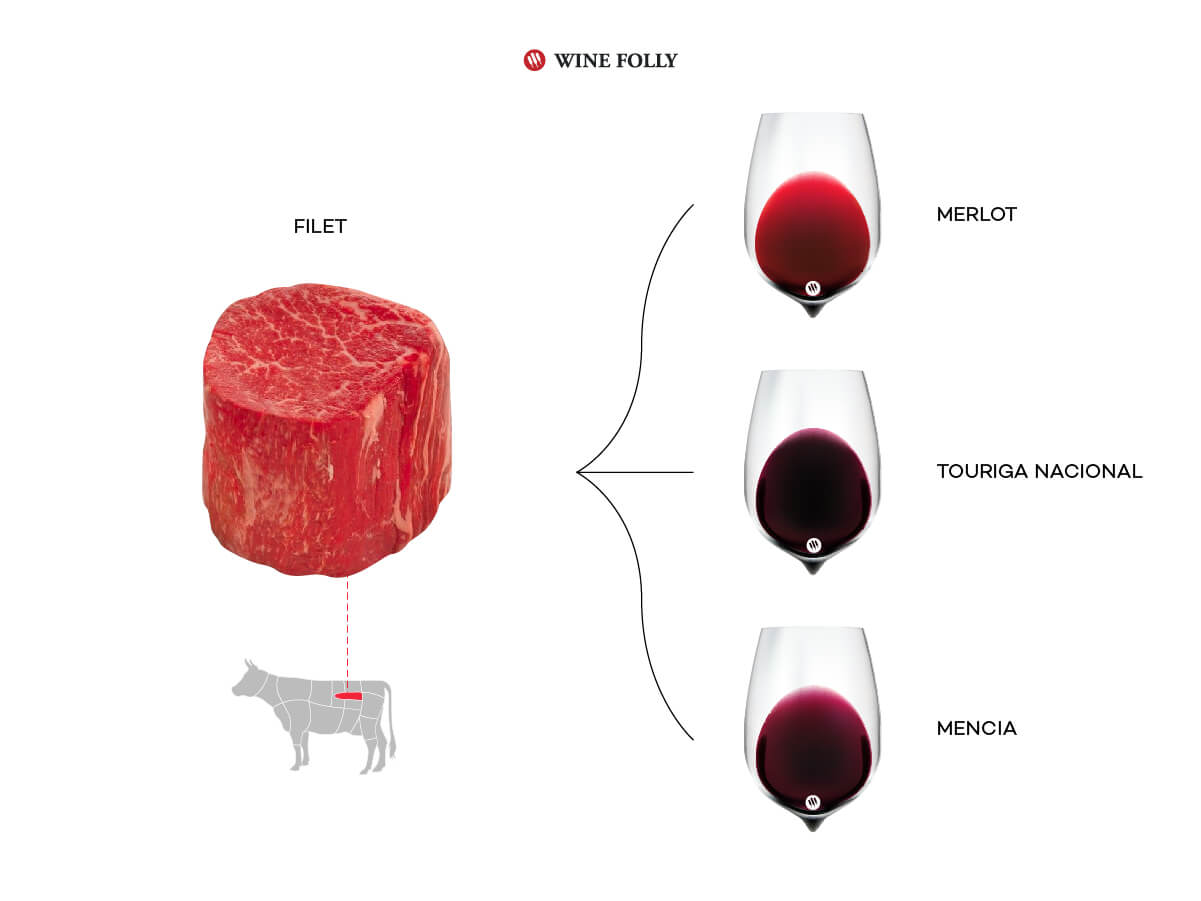
Filet Mignon: The Lean Elegant
As the "Cadillac" of steaks, the filet mignon is prized for its tenderness and subtle flavor profile. Because it lacks significant fat, a high-tannin wine would overwhelm the palate, leaving the meat tasting metallic or bland.
- Recommended Varietals: Pinot Noir, Merlot, or an aged Rioja.
- Scientific Rationale: These wines offer higher acidity and more delicate fruit notes, which enhance the tenderness of the filet without "stepping on its toes." Professional chefs often recommend a rarer cook for the filet to maintain its moisture, which further supports the choice of a lighter red.
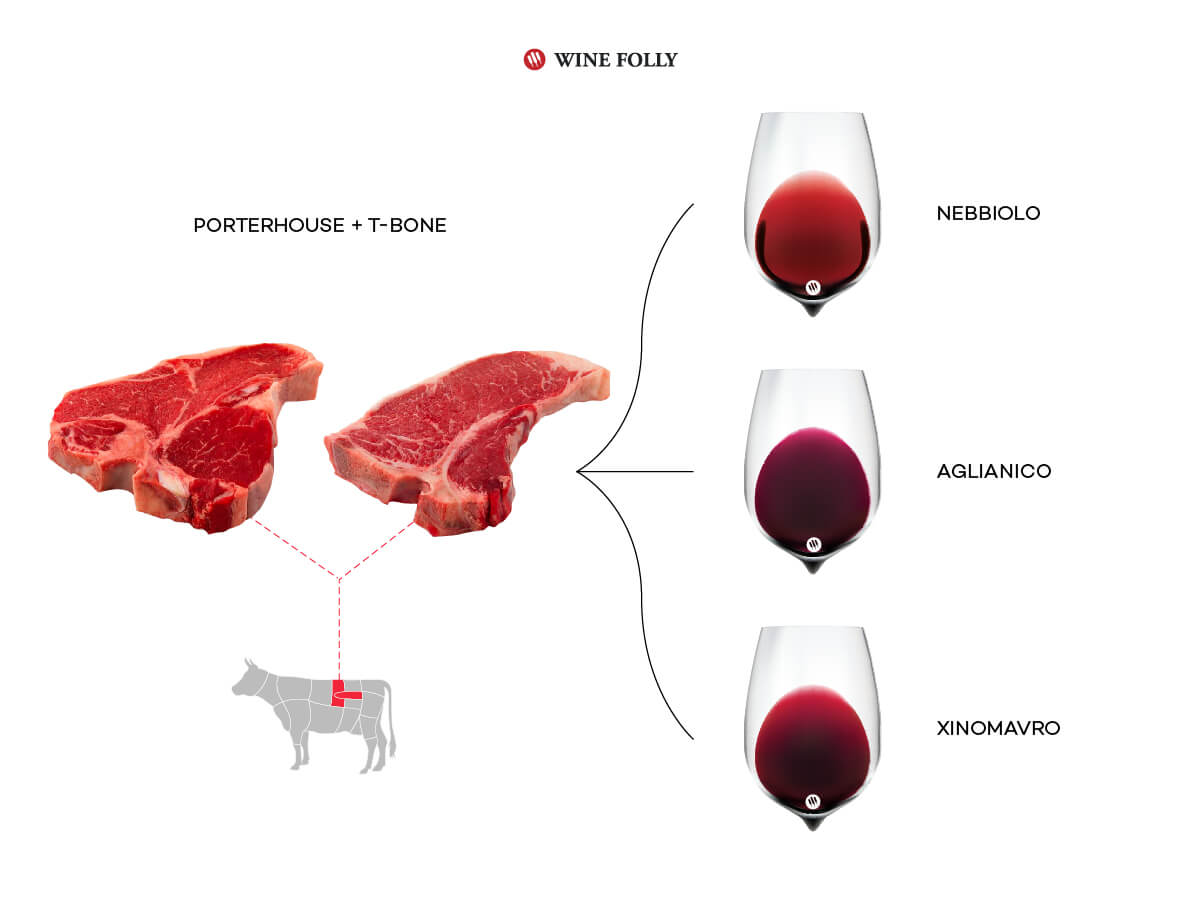
Porterhouse and T-Bone: The Dual Profile
These cuts are unique because they contain both a piece of the tenderloin (filet) and the top loin (strip). This creates a challenge for pairing, as one side of the bone is lean and the other is firmer and more flavorful.
- Recommended Varietals: Sangiovese (Chianti Classico) or Zinfandel.
- Scientific Rationale: Aromatic and medium-bodied reds provide enough complexity to satisfy the strip side while remaining light enough to avoid overpowering the filet side.
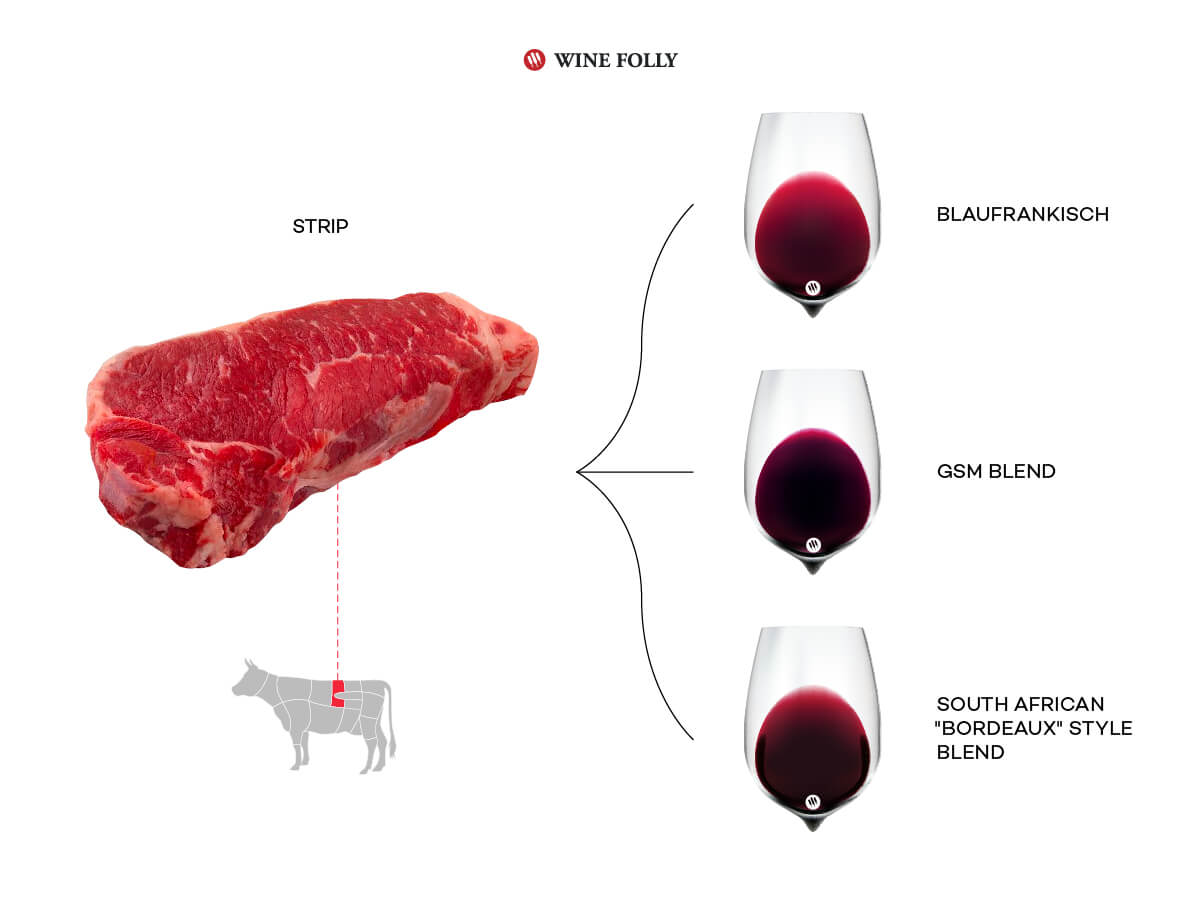
The Strip: The Flavor-Value Hybrid
Known as the New York or Kansas City Strip, this cut has a tighter grain and more connective tissue than the ribeye but remains highly flavorful. It is often prepared in cast-iron pans with butter basting.
- Recommended Varietals: Bordeaux Blends or Malbec.
- Scientific Rationale: The strip requires a wine that can cut through the butter-basted exterior. Malbec, with its plum-like fruit and moderate tannins, provides an ideal balance for the savory, salty crust of a pan-seared strip.
Specialized Cuts and Preparation Nuances
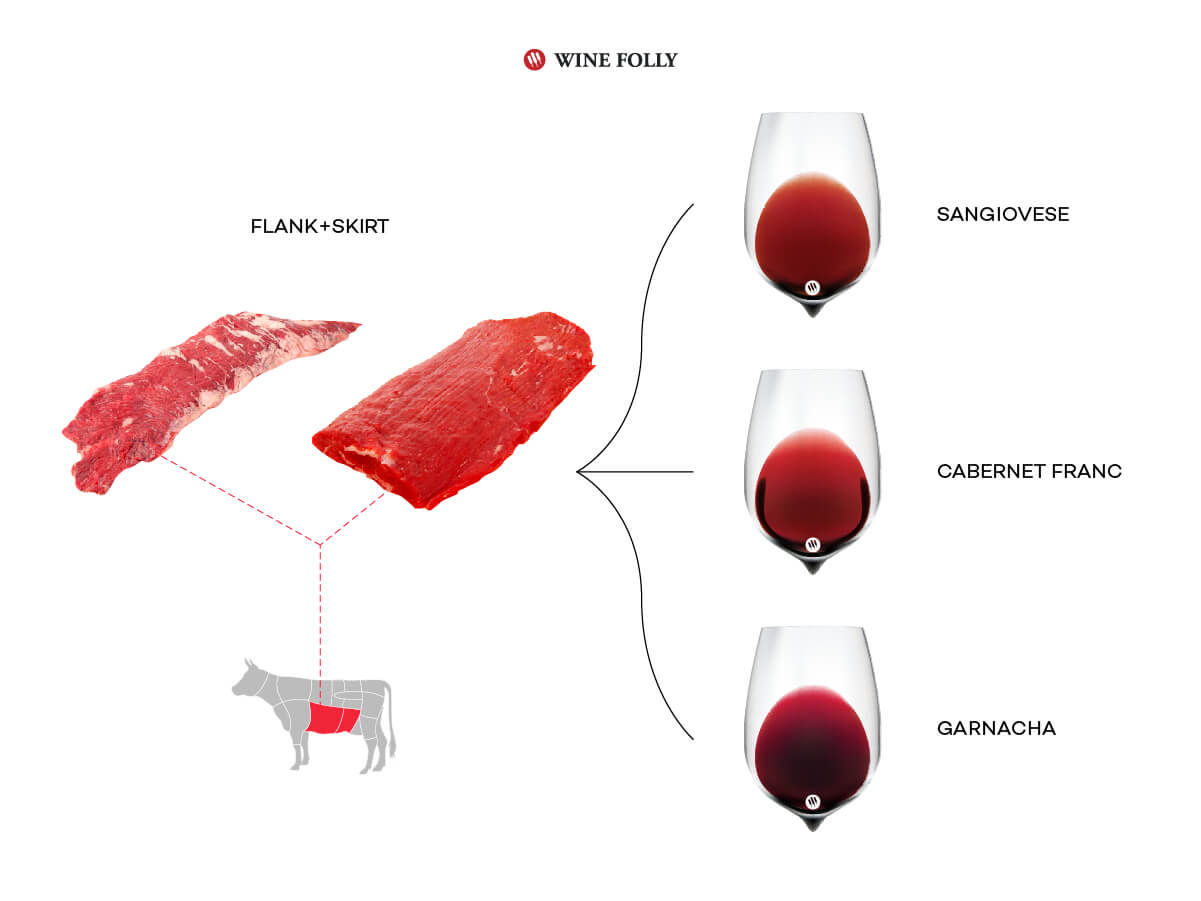
Flank and Skirt Steak
Commonly used in fajitas or marinated preparations, these cuts are fibrous and "chewy" if not prepared correctly. They are often cooked over high heat to a medium-rare finish and sliced against the grain.
- Pairing Strategy: Malbec or Carmenere. These wines offer a "juiciness" that complements the texture of tougher cuts, turning a potentially chore-like chewing experience into a savory one.
Brisket: The Smoked Exception
Brisket is unique in the steak world because it requires a "low and slow" cooking method, typically involving wood smoke. The presence of smoke introduces a third variable to the pairing equation beyond just fat and protein.
- Pairing Strategy: Shiraz or Zinfandel.
- Analysis: These wines often possess smoky, peppery, or tobacco-like notes that mirror the flavors imparted by hickory or oak wood chips during the smoking process.
Industry Perspectives and Expert Analysis
Current trends in the hospitality industry suggest a shift toward "democratizing" wine knowledge. According to recent market reports, consumers are increasingly moving away from rigid pairing rules in favor of personal preference, yet the underlying demand for quality remains.
"The modern diner is more adventurous," notes a consensus of industry analysts. "We are seeing a rise in the popularity of ‘off-the-beaten-path’ pairings, such as sparkling reds (Lambrusco) with fatty steaks, which use carbonation rather than tannins to cleanse the palate."
Furthermore, the environmental impact of beef production is influencing pairing choices. As more diners opt for grass-fed beef—which is leaner and has a more "herbal" flavor than grain-fed beef—sommeliers are recommending wines with "earthier" profiles, such as Cabernet Franc or cool-climate Syrah, to match the meat’s natural gaminess.
Economic and Global Impact
The steak and wine industry represents a multi-billion dollar global economy. In the United States alone, steakhouse revenue is a significant indicator of consumer confidence and luxury spending. The symbiotic relationship between the two industries is evident in "revenue per available seat" metrics, where wine sales often account for 20% to 30% of a high-end steakhouse’s total income.
Globally, countries like Argentina have built their tourism and export identities around this pairing. The Argentinian Malbec industry grew in direct correlation with the country’s reputation for world-class beef, demonstrating how a culinary pairing can drive national economic policy and international trade.
Concluding Summary of Best Practices
While individual preference is paramount, the following data-driven guidelines provide a framework for a successful dining experience:
- Lean Meats: Match with lighter wines (Pinot Noir) and aim for a rarer cook to preserve tenderness.
- Fatty Meats: Match with high-tannin wines (Cabernet Sauvignon) and high-heat cooking methods (grilling) to render fat.
- Smoked/Seasoned Meats: Match the wine to the dominant spice or smoke profile rather than the meat itself.
As the culinary world continues to evolve, the guide to wine and steak pairing remains a living document, influenced by changes in agriculture, viticulture, and global taste. However, the core principle remains unchanged: the best pairing is one that enhances the characteristics of both the vine and the pasture, creating a harmonious balance on the palate.