Khymos Unveils Major Digital Overhaul Including Domain Migration Mobile Optimization and Brand Identity Refresh

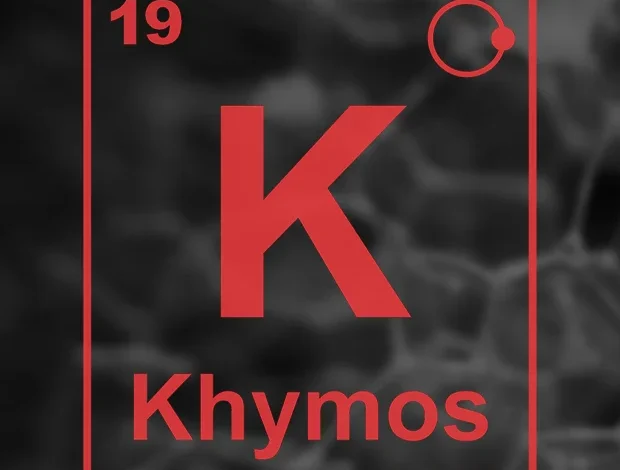
The culinary science and molecular gastronomy community is celebrating a significant digital milestone as the renowned online publication Khymos officially rolls out a comprehensive infrastructure upgrade, domain migration, and brand identity overhaul. After years of operating on a sub-domain, the platform has successfully transitioned its primary web address to the root domain at khymos.org, ensuring seamless navigation for its global readership. Alongside the technical migration, the site has embraced a fully responsive WordPress framework, finally bringing mobile optimization to a platform historically constrained to desktop viewing. Completing the modernization effort is a newly designed vector logo that cleverly bridges the gap between the publication’s namesake and fundamental chemical nomenclature.
This long-awaited digital renaissance addresses years of technical backlog while positioning the pioneering resource for sustained longevity in an increasingly mobile-first digital ecosystem. Long-standing visitors and newcomers alike will find that while the foundational archive of food science insights, hydrocolloid guides, and flavor-pairing matrices remains intact, the underlying architecture has been brought up to contemporary web standards.
Chronology of a Digital Evolution
The journey of Khymos mirrors the broader evolution of molecular gastronomy and food science communication on the internet. Established during the mid-2000s—a period when blogs were emerging as vital tools for decentralized scientific discourse—Khymos quickly carved out a specialized niche. It became an indispensable digital handbook for chefs, scientists, and culinary enthusiasts seeking to decode the physical and chemical transformations occurring during cooking.
In its early operational phases, web standards prioritized desktop computer displays. JavaScript libraries and cascading style sheets were rarely optimized for the myriad screen sizes and mobile operating systems that dominate contemporary internet consumption. For over a decade, visiting Khymos on a smartphone or tablet required frustrating zooming, horizontal scrolling, and cumbersome navigation.
Planning for the recent comprehensive overhaul began in earnest as digital accessibility standards shifted decisively toward mobile-first indexing. Over the past several months, site administrators orchestrated a meticulous behind-the-scenes migration. The complex undertaking involved transferring vast databases of specialized articles, recipes, and reference charts from the legacy sub-domain to the primary root domain. To prevent broken links in academic citations, culinary syllabi, and external blog posts accumulated over nearly twenty years, the migration included the implementation of robust, permanent 301 server redirects. This technical safeguard ensures that all historical URLs automatically direct users to the newly optimized pages without loss of data or traffic interruption.
Decoding the New Visual Identity: Chemistry Meets Typography
Central to the 2020 relaunch is the introduction of a completely redesigned logo, replacing the dated aesthetic of the early internet era with a minimalist, science-inspired emblem. The visual rebranding was crafted with deliberate nods to chemical science, reflecting the core editorial mission of the platform.
The prominent letter "K" serves a dual purpose. Beyond functioning as the initial letter of the publication’s name, it represents the elemental symbol for potassium, which holds atomic number 19 on the periodic table of elements. This subtle numerical reference has been woven into the brand architecture. Furthermore, the minimalist design features a distinct dot positioned on an orbital ring surrounding or adjacent to the letter. This artistic choice is not merely decorative; it serves as a chemical nod to the atomic structure of potassium, specifically highlighting the single valence electron residing in its outermost shell.
This attention to detail resonates deeply with the readership of Khymos, an audience that typically possesses a keen appreciation for scientific accuracy, chemical precision, and the underlying mechanics of culinary arts. By embedding fundamental chemistry directly into its corporate identity, the platform reinforces its commitment to rigorous, science-based culinary exploration.
Background Context: The Evolution of Culinary Blogs and Mobile Accessibility
The transition to a responsive web design template is more than a mere aesthetic upgrade; it represents a critical adjustment to changing user habits across the digital publishing landscape. According to global web traffic analytics, mobile devices surpassed desktop computers in global web page views as early as 2016. In the years following, search engine algorithms, most notably those deployed by Google, instituted strict mobile-friendliness criteria, penalizing non-responsive websites in search engine result pages.
For specialty educational and scientific blogs like Khymos, staying accessible on mobile devices is vital for continued relevance. Culinary professionals, laboratory researchers, and culinary students frequently access reference materials in active environments—such as professional restaurant kitchens, test laboratories, and academic classrooms—where desktop computers are impractical. The long-overdue adoption of a responsive layout means that complex tables of hydrocolloid concentrations, flavor-pairing charts, and in-depth chemical breakdowns can now be seamlessly accessed on smartphones and tablets right at the workstation or kitchen counter.
Industry analysts note that independent niche publications face unique challenges when attempting major technical migrations. Unlike commercial media conglomerates backed by dedicated engineering teams, specialized blogs are frequently maintained by individual experts or small editorial collectives. Consequently, infrastructure updates are often deferred, making the successful completion of the Khymos migration a notable achievement for independent digital publishing in the food science sector.
Industry Implications and Future Outlook
The successful modernization of Khymos carries several implications for the broader niche of food science communication and online culinary education.
First, the preservation of legacy content through systematic URL redirection safeguards an irreplaceable digital archive. Over the past fifteen years, Khymos has compiled unique resources, including comprehensive translations of modernist cooking concepts, summaries of academic papers, and pioneering guides on flavor pairing inspired by Heston Blumenthal and François Benzi. By ensuring this archive remains easily discoverable and accessible via modern search engines, the platform protects a valuable foundational text of the modern culinary movement.
Second, the mobile optimization of the site significantly broadens its pedagogical utility. Culinary schools and university food science departments frequently include Khymos on their reading lists and resource directories. With the new responsive framework, students can seamlessly integrate the platform into mobile-based research workflows, enhancing its viability as a modern educational tool.
Finally, the brand refresh signals a renewed commitment to active publication and engagement. While the site has experienced periods of intermittent updates typical of independent, expert-led blogs, the structural overhaul provides a stable, modern foundation for future content creation. Observers in the culinary science community have expressed optimism that the lowered technical friction of the new platform may encourage further contributions, updates, and deep dives into emerging trends such as fermentation science, sustainable food technologies, and advanced texture modification.
As digital standards continue to evolve, the modernization of Khymos ensures that this cornerstone of molecular gastronomy will remain an accessible, authoritative, and visually refined resource for generations of chefs, scientists, and food enthusiasts worldwide.