
Spicy Crab Spring Rolls

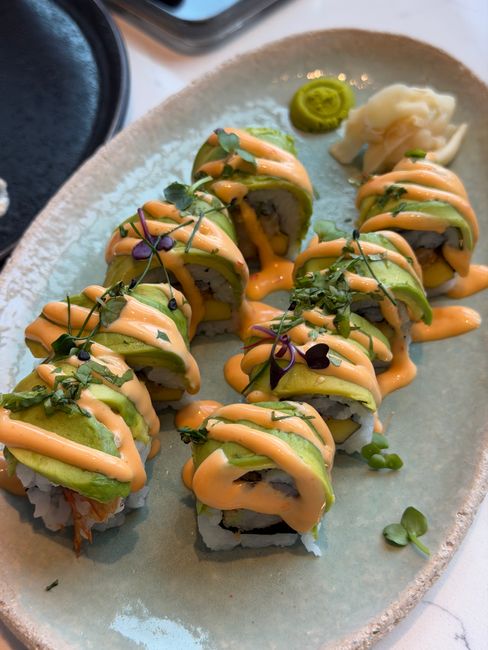
Spicy Crab Spring Rolls: A Culinary Deep Dive into Flavor, Texture, and Preparation
Spicy crab spring rolls represent a vibrant fusion of oceanic freshness and fiery heat, encapsulated within the satisfying crispness of a fried wrapper. This popular appetizer, found on menus across Southeast Asian and increasingly globalized culinary landscapes, offers a complex flavor profile that appeals to a broad spectrum of palates. The inherent sweetness of crab meat is expertly balanced by the pungent kick of chili, while aromatic herbs and vegetables contribute layers of complexity. The textural contrast between the tender, flavorful filling and the audibly crunchy exterior elevates the eating experience from a mere snack to a genuine culinary delight. Understanding the nuances of preparing and sourcing ingredients for these rolls is key to achieving an authentic and exceptionally delicious outcome. This article will explore the essential components, preparation techniques, ingredient variations, and serving suggestions that define exceptional spicy crab spring rolls, aiming to provide a comprehensive guide for both home cooks and culinary enthusiasts.
The foundation of any successful spicy crab spring roll lies in the quality and type of crab meat utilized. While various crab species can be employed, lump crab meat, often sourced from blue crabs or Dungeness crabs, is frequently preferred for its sweet flavor and appealing texture. The distinct lumps hold their shape during mixing and cooking, providing a satisfying chew that contrasts with the finer textures of other filling components. Freshly cooked and picked crab meat is ideal, offering the purest expression of the ocean’s bounty. If fresh is not readily available, high-quality frozen lump crab meat can be a viable alternative, provided it is thawed properly and excess liquid is drained to prevent a soggy filling. The goal is to highlight the inherent sweetness and delicate brininess of the crab, ensuring it remains the star of the dish. Overcooking the crab prior to incorporating it into the filling can lead to a dry, rubbery texture, diminishing its appeal. Therefore, a gentle steaming or poaching method, followed by careful picking of the meat, is recommended.
The "spicy" element in spicy crab spring rolls is typically achieved through a combination of fresh chilies, chili pastes, or chili powders. The type and quantity of chili will dictate the heat level, allowing for customization to individual preferences. Common choices include bird’s eye chilies (Thai chilies) for their intense heat and fruity undertones, or jalapeños for a more moderate spice with a grassy flavor. Finely minced fresh chilies are often incorporated directly into the filling, infusing every bite with a vibrant heat. Alternatively, chili garlic sauce, sambal oelek, or gochujang (Korean chili paste) can be used to introduce a deeper, more complex chili flavor and a slightly thicker consistency to the filling. The judicious use of spice is crucial. It should complement, not overpower, the delicate flavor of the crab. A common approach is to introduce heat gradually, tasting and adjusting as you go. The goal is a pleasant warmth that lingers on the palate, enhancing the other flavors rather than overwhelming them.
Beyond the crab and the spice, a well-constructed spring roll filling is a symphony of complementary flavors and textures. Aromatics play a vital role in building depth. Finely minced garlic and ginger are almost indispensable, providing a pungent, earthy foundation that complements both the crab and the chili. Shallots, with their milder, sweeter onion flavor, can also be a welcome addition. Fresh herbs add brightness and a refreshing counterpoint to the richness of the filling. Cilantro, with its citrusy, herbaceous notes, is a classic pairing. Mint or Thai basil can also be incorporated for a more distinct aromatic profile. Finely shredded vegetables contribute both texture and nutrients. Common additions include shredded carrots for sweetness and crunch, finely chopped water chestnuts for a crisp, slightly nutty bite, and shredded napa cabbage or bok choy for moisture and a tender texture. The vegetables should be finely chopped or shredded to ensure they cook through evenly and don’t impede the rolling process.
The binding agents and seasonings further refine the filling. A small amount of cornstarch or flour can be used to bind the ingredients together, preventing the filling from becoming too loose and ensuring it holds its shape during frying. Soy sauce or tamari provides umami depth and a salty counterpoint. A touch of sesame oil adds a characteristic nutty aroma and flavor. Sugar, in moderation, can help to balance the savory and spicy elements, highlighting the natural sweetness of the crab. White pepper, with its less assertive heat and more nuanced flavor compared to black pepper, is often preferred for its delicate contribution. The consistency of the filling is paramount. It should be moist enough to hold together but not so wet that it causes the spring roll wrappers to tear or become soggy during frying.
The choice of spring roll wrappers is critical for achieving the desired crispiness. Traditional Chinese spring roll wrappers, typically made from wheat flour, water, and salt, are readily available in Asian grocery stores and are the standard choice for this application. They are thin, pliable, and become wonderfully crisp when fried. For those seeking a gluten-free option, rice paper wrappers, commonly used for fresh spring rolls, can also be adapted. However, it’s important to note that rice paper wrappers, when fried, tend to become more delicate and less uniformly crisp than wheat-based wrappers. The wrappers should be kept covered with a damp cloth to prevent them from drying out, which would make them brittle and difficult to work with.
The process of assembling spicy crab spring rolls requires a degree of care and precision. Lay a wrapper flat on a clean surface, with one corner pointing towards you. Place a portion of the filling near the bottom corner, leaving some space at the edges. Fold the bottom corner over the filling, tucking it in tightly. Fold in the left and right sides, creating a neat rectangular package. Then, tightly roll the spring roll upwards towards the top corner, ensuring a compact and secure seal. A small amount of water or a cornstarch slurry can be used to moisten the final edge of the wrapper to ensure a proper seal, preventing the filling from escaping during frying. Overfilling the wrappers can lead to bursting during cooking. Conversely, underfilling can result in a flimsy roll that lacks substance. The aim is a balanced ratio of wrapper to filling.
Frying is the transformative step that renders these rolls golden brown and exquisitely crisp. While deep-frying is the most common and effective method for achieving optimal crispness, pan-frying or air-frying can also be employed with varying degrees of success. For deep-frying, a neutral oil with a high smoke point, such as vegetable oil, canola oil, or peanut oil, is essential. The oil should be heated to a consistent temperature, typically between 350°F and 375°F (175°C to 190°C). Overheated oil can cause the wrappers to burn before the filling is heated through, while oil that is too cool will result in greasy, soggy rolls. Fry the spring rolls in batches, ensuring not to overcrowd the pan, as this will lower the oil temperature and hinder proper crisping. Fry for several minutes per side, or until the wrappers are deeply golden brown and uniformly crispy.
Drain the fried spring rolls on a wire rack set over a baking sheet to allow excess oil to drip away, maintaining their crispness. Avoid draining them directly on paper towels, as this can trap steam and lead to a softer exterior. The temperature of the fried spring rolls is important; they are best enjoyed immediately after frying when their crispness is at its peak. However, they can also be prepared ahead of time and reheated in a hot oven or air fryer to restore their crispness.
Spicy crab spring rolls are typically served with a variety of dipping sauces that complement and enhance their complex flavor profile. A classic accompaniment is a sweet chili sauce, which offers a concentrated burst of sweetness and heat. For a tangier option, a plum sauce or a sweet and sour sauce can provide a pleasing contrast. Soy-based dipping sauces, often infused with ginger, garlic, and a touch of vinegar, are also popular. For those who enjoy an extra kick, a sriracha-based sauce or a chili oil can be offered. The dipping sauce should not be an afterthought; it is an integral part of the overall tasting experience. The ideal sauce will provide a counterpoint to the richness of the filling and the crispness of the wrapper, adding another layer of flavor and moisture.
Variations on the classic spicy crab spring roll abound, reflecting regional influences and individual culinary creativity. Some recipes incorporate a touch of coconut milk into the filling for added richness and a subtle tropical sweetness. Others may include finely diced mushrooms, such as shiitake, for an earthy umami boost. For those seeking a different protein, shrimp can be combined with the crab, or even used as a standalone filling. The spice level can be adjusted by incorporating different types of chilies or by adding a pinch of cayenne pepper or red pepper flakes. The inclusion of finely chopped water chestnuts not only adds crunch but also a touch of subtle sweetness. Some recipes might even feature a hint of lemongrass or kaffir lime leaf for a more pronounced Southeast Asian aroma. The beauty of this dish lies in its adaptability, allowing for personalization to suit a wide range of taste preferences and ingredient availability.
The culinary significance of spicy crab spring rolls extends beyond their immediate appeal as a delicious appetizer. They represent a masterful interplay of textures and flavors, a testament to the art of balancing sweetness, spice, and savory notes. The preparation process itself, from sourcing the freshest crab to meticulously assembling and frying the rolls, offers a rewarding culinary journey. Whether enjoyed as a starter at a formal meal or as a casual snack, these rolls consistently deliver a satisfying and memorable eating experience. Their global popularity is a testament to their universal appeal, bridging cultural divides through the shared appreciation of well-executed comfort food with a flavorful punch. The crisp exterior giving way to a tender, spicy, and sweet interior is a sensory delight that keeps diners coming back for more. The strategic use of keywords such as "spicy crab spring rolls," "crab appetizer," "Asian spring rolls," "crispy crab rolls," and "seafood spring rolls" can significantly enhance the search engine visibility of content related to this dish, attracting a wider audience of culinary enthusiasts. Understanding the constituent elements, from the precise preparation of the crab filling to the optimal frying techniques, is key to unlocking the full potential of this beloved culinary creation.


