Beyond the Supermarket Shelf: A Global Exploration of 23 Rice Varieties and Their Culinary Applications

Rice remains the single most critical caloric staple for human civilization, nourishing more than half of the global population on a daily basis. Despite its foundational role in worldwide agriculture and gastronomy, the average home cook rarely ventures beyond two or three familiar cultivars found on standard supermarket shelves. However, the world of Oryza sativa—alongside related aquatic grasses—encompasses an astonishing array of genetic diversity. Grain length, localized starch composition, regional terroir, and centuries of selective agricultural breeding dictate how each specific variety behaves under heat and liquid.
Understanding these scientific and cultural nuances transforms how rice is utilized in professional and domestic kitchens alike. From the elongated, popcorn-like fragrance of aged Himalayan basmati to the intensely clinging starches of Italian carnaroli and the anthocyanin-rich dark grains of heirloom black rice, every cultivar tells a story of geography, climate, and culinary heritage.
The Botanical and Agricultural Anatomy of Rice
To understand the vast divergence among the world’s rice varieties, one must examine the fundamental science of the grain. Rice is categorized primarily by grain length (short, medium, and long) and starch composition (specifically the ratio of amylose to amylopectin). High-amylose rices tend to cook up fluffy with separate grains, whereas high-amylopectin rices (often termed glutinous or sticky) clump together cohesively. Furthermore, milling processes dictate whether the nutrient-dense outer bran layer remains intact, transitioning a grain from a highly polished white state to a fiber-rich brown or colored alternative.
Agronomists and culinary historians note that rice cultivation dates back nearly 10000 years, with simultaneous domestication events occurring in the Yangtze River valley of China and the Ganges River valley of India. Over millennia, regional microclimates—ranging from the high-altitude Himalayan foothills to the flooded delta marshes of southern France—have shaped the physical and organoleptic properties of local harvests.
Global Staples: The Heavyweights of Basmati and Jasmine
Among long-grain aromatics, two varieties dominate international export markets and culinary traditions:
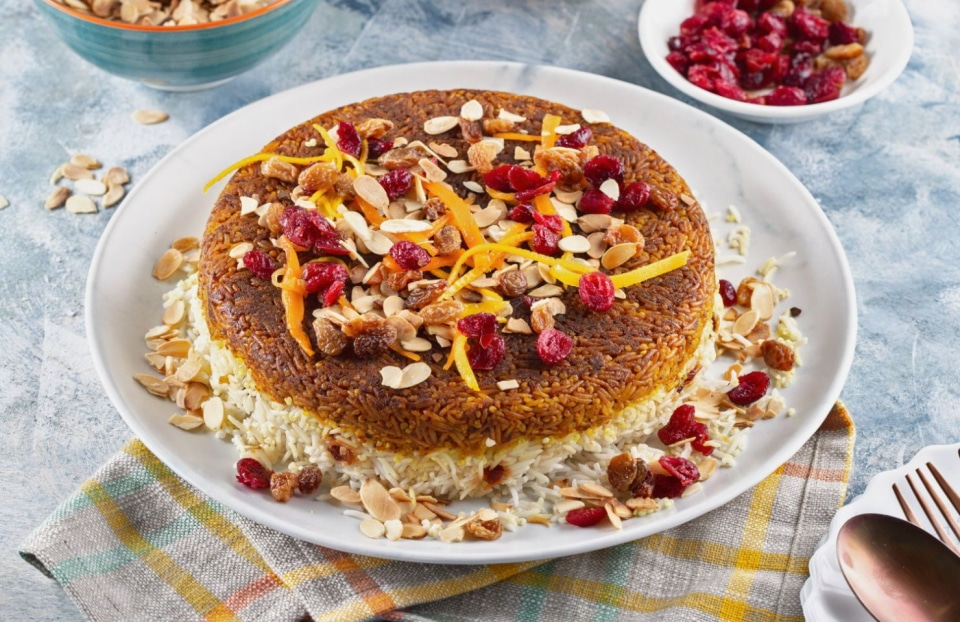
Basmati Rice: Cultivated primarily in the fertile, mineral-rich foothills of the Himalayas across India and Pakistan, basmati is widely regarded as the gold standard of aromatic long-grain rice. Its name translates to "fragrant," a characteristic driven by a naturally occurring chemical compound, 2-acetyl-1-pyrroline, which intensifies as the harvested grain ages. Traditional processors rest harvested basmati for a year or more to maximize this aroma and firm up the grain structure. When cooked, the grains elongate dramatically, maintaining a fluffy, non-sticky profile that makes it ideal for biryanis, pilafs, and Middle Eastern rice dishes.
Jasmine Rice: Hailing predominantly from Thailand and broader Southeast Asia, jasmine rice offers a delicate, floral aroma. Unlike the distinct separation of basmati, jasmine grains cook to a softer, slightly clinging texture that facilitates consumption with chopsticks without turning gluey. Isaan, located in northeastern Thailand, produces the benchmark commercial varieties, though cultivation has expanded globally to meet steady international demand.
Starch and Structure: The Short-Grain Masters of Risotto and Sushi
Moving away from aromatic long grains, short- and medium-grain varieties are defined by their starch release and structural integrity during cooking.

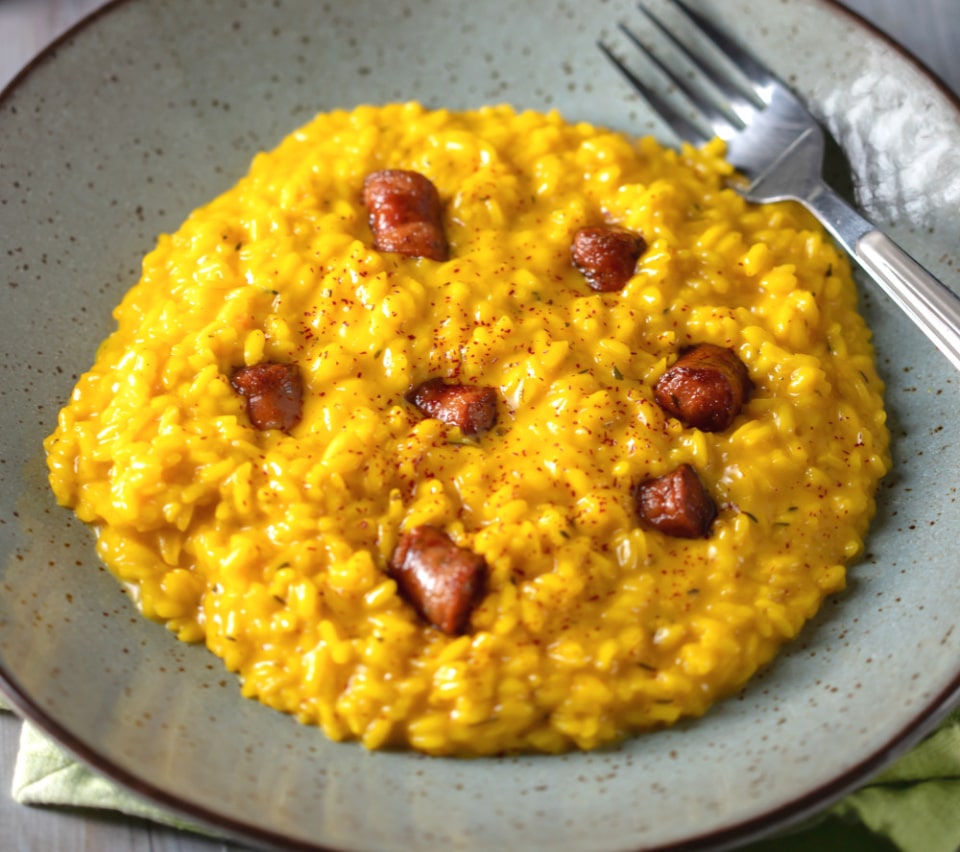
Arborio, Carnaroli, and Vialone Nano: These Italian short-grain cultivars form the holy trinity of risotto preparation, predominantly grown in the Po Valley and surrounding northern regions. Arborio, the most widely exported, features a high concentration of starch in its core that releases gradually during the traditional method of continuous stirring and slow liquid addition. Carnaroli, frequently dubbed the "king of risotto rice," possesses a firmer internal structure and higher starch content, making it exceptionally resistant to overcooking and favored by professional chefs seeking an al dente bite. Vialone Nano, native to Verona and protected by a Protected Designation of Origin (PDO), absorbs liquid rapidly and produces a looser, creamier style of risotto known as risotto all’onda.
Japanese Short-Grain (Japonica): Cultivars such as Koshihikari are prized for their glossy sheen, subtle sweetness, and cohesive texture. Grown famously in Niigata Prefecture, these varieties provide the ideal adhesive quality necessary for traditional sushi and onigiri without losing their individual grain integrity.
Glutinous (Sticky) Rice: Despite its name, this variety contains zero dietary gluten; the term refers entirely to its abundant amylopectin content. Requiring pre-soaking and steaming rather than boiling, it serves as the backbone for iconic regional dishes, ranging from Thai mango sticky rice to savory Chinese bamboo-leaf-wrapped zongzi.

Terroir-Driven Specialties: Spanish Paella and European Heritage Grains
European agriculture has preserved several distinct rice varieties tightly bound to specific geographic indicators:
Bomba and Calasparra: Hailing from Valencia and Murcia in Spain, these short, round grains are essential for authentic paella. Unlike risotto rice, Bomba and Calasparra do not release excessive starch into their cooking liquid. Instead, they absorb up to three times their volume in broth—infusing deeply with saffron and seafood flavors—while keeping the individual grains completely separate and firm.
Camargue Red Rice: Cultivated in the marshy, saline wetlands of southern France’s Rhone delta—an ecosystem famous for wild horses and flamingos—this medium-grain rice retains a reddish-brown bran layer. Protected by a Geographical Indication, it yields a robust, nutty flavor and a remarkably chewy texture that holds up well in cold Mediterranean grain salads.

Indigenous Legacies and Colored Varieties of Asia and the Americas
The global catalog of rice extends deep into colored and heritage grains, many of which carry significant historical or nutritional profiles:
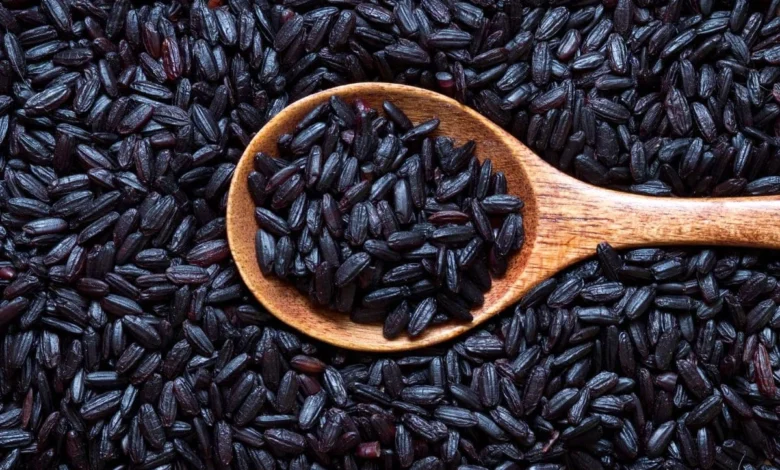
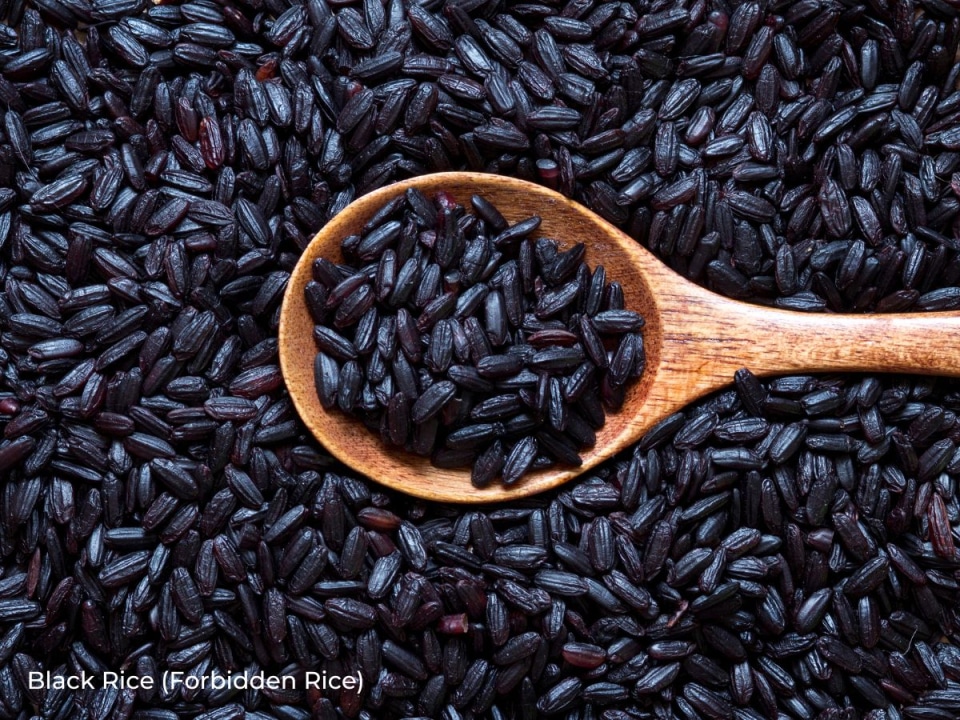
Black Rice (Forbidden Rice): Once allegedly reserved exclusively for Chinese emperors, this deeply pigmented grain owes its dramatic color and antioxidant properties to a high concentration of anthocyanins. It cooks into a chewy, nutty, dark purple staple used in both savory bowls and rich coconut desserts.
Carolina Gold: A foundational element of American culinary history, Carolina Gold drove the economy of the Lowcountry in South Carolina before nearly vanishing in the 20th century. Revived through modern seed-saving initiatives, this medium-length grain is prized for its tender texture and mild, nutty flavor, anchoring classic dishes like Hoppin’ John and Charleston red rice.

Bhutanese Red and Kerala Matta: High-altitude Himalayan farming produces Bhutanese red rice, a semi-milled grain that cooks much faster than standard brown rice while retaining essential nutrients. Meanwhile, Kerala Matta (Rosematta) from southern India features a coarse, parboiled red bran that stands up to fiery, coconut-heavy regional fish curries.
Wehani and Texmati: Developed in the United States, Wehani is an aromatic reddish-brown mutation bred from basmati stock, offering a nutty, popcorn-like scent and a robust chew. Texmati, another American hybrid, blends basmati traits with domestic long-grain varieties to provide a reliable, economical aromatic option for home kitchens.
Ponni and Suwandel: South Indian Ponni rice serves as a daily household staple for sambar rice and dosas, valued for its affordability and consistent yield. In contrast, Sri Lankan Suwandel is a rare heirloom variety cultivated for festive ceremonies, celebrated for its buttery fragrance, delicate milky flavor, and superior micronutrient content.
The Whole-Grain Alternatives: Brown and Wild Rice
Brown Rice: Rather than a distinct botanical variety, brown rice represents any harvested rice grain from which only the outermost inedible hull has been removed. By leaving the nutrient-dense bran and germ layers intact, the grain provides significantly higher levels of dietary fiber, magnesium, and B vitamins compared to its polished white counterparts, though it requires extended cooking times and possesses a shorter shelf life.
Wild Rice: Strictly speaking, wild rice is not true rice (Oryza), but rather the edible seed of an aquatic grass (Zizania) indigenous to the shallow lakes and rivers of the North American Great Lakes region. Cultivated and hand-harvested for centuries by Indigenous peoples in Minnesota, Wisconsin, and southern Canada, wild rice features long, dark grains with an intense, earthy, and nutty flavor profile, making it a favorite for hearty autumnal stuffings, soups, and multi-grain blends.
Implications for the Modern Culinary Landscape
As global food culture shifts toward authenticity, sustainability, and nutritional awareness, the culinary appreciation for diverse rice varieties is expanding beyond immigrant communities and fine-dining establishments. Agricultural economists note that preserving heirloom seeds—such as Carolina Gold and Sri Lankan Suwandel—protects vital agricultural biodiversity against the homogenization driven by mass-produced industrial hybrids.
For home cooks, stepping outside the comfort zone of standard white long-grain rice opens up a vast spectrum of textures, aromas, and historical connections. Whether striving for the perfect fluid consistency of a Veronese risotto, the saffron-infused crispness of a Valencian paella, or the robust, earthy chew of an ancient Himalayan harvest, matching the correct rice variety to its intended culinary application remains one of the most transformative skills in the kitchen.