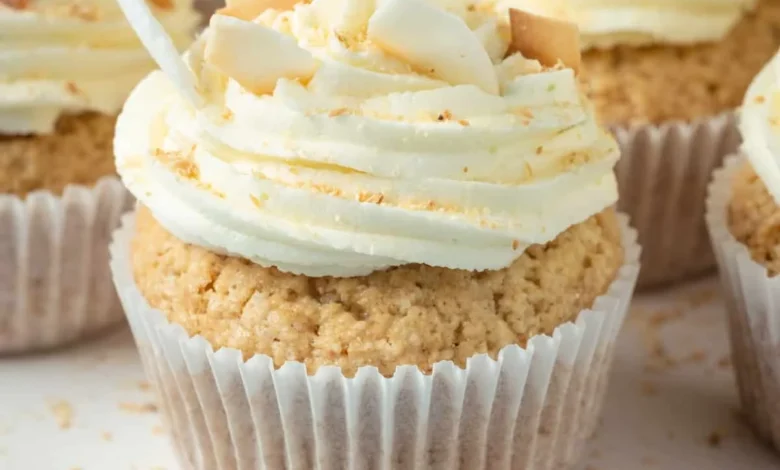
The production of these cupcakes relies on a precise synthesis of fats and plant-derived proteins to achieve a texture that is notably dense yet supple. Unlike standard sponge cakes, which often rely on high-volume aeration, this specific formula utilizes desiccated coconut—a dehydrated form of coconut meat—as a primary structural component. This ingredient serves a dual purpose: it acts as a moisture-retaining agent while simultaneously providing the high oil content necessary to mimic the richness of conventional dairy butter.

Historical Context and Culinary Evolution
The rise of high-quality vegan alternatives has transformed from a niche market into a robust segment of the global bakery industry. Data from industry analysts indicates that the plant-based baking market has grown significantly over the last decade, driven by consumer demand for ethical sourcing and health-conscious alternatives to animal-derived ingredients. The creation of these cupcakes follows this trend, moving away from simple substitutions toward complex ingredient layering.

The integration of lime into the buttercream frosting is a strategic culinary choice. In the realm of confectionery chemistry, the acidity of the lime serves to cut through the heavy, fatty richness of the coconut-based buttercream. By incorporating citrus zest and juice, the recipe creates a "bright" finish that balances the saturated fats found in coconut oil or vegan butter substitutes. This technique mirrors high-end pastry practices where acidic elements are used to enhance the overall sensory experience of a dessert.

Technical Composition and Ingredient Analysis
The foundational ingredients for the cupcake base include all-purpose flour, sugar, leavening agents, and a significant portion of desiccated coconut. The inclusion of the latter is the primary variable that differentiates these cupcakes from standard vanilla or lemon cakes. In typical baking, large inclusions like coconut, nuts, or dried fruits are known to increase the "crumb density."

While critics of vegan baking often point to the tendency for plant-based cakes to become overly dense or gummy, the careful calibration of leavening agents—specifically the reaction between acidic components like lime and basic leavening agents—ensures that the final product maintains a structural rise. Professional bakers note that the "thickness" of the batter, which is a frequently observed trait in this specific recipe, is a sign of high protein and fiber content provided by the shredded coconut. This density is often perceived by consumers as a sign of quality and substance, distinguishing the product from mass-produced, aerated commercial cupcakes.

Standardized Preparation and Methodological Workflow
The manufacturing or preparation process follows a logical, sequential workflow typical of professional pastry production. It begins with the preparation of the desiccated coconut. By toasting the coconut before integration, the natural oils are released, which enhances the nutty, aromatic profile of the finished cupcake.

- Preparation of the Base: The process begins with the integration of dry ingredients, followed by the incorporation of wet ingredients. The timing of this step is critical to prevent gluten over-development, which would result in a tough texture.
- Baking Protocol: The batter is transferred to lined trays to ensure uniform distribution and even heat penetration. The cupcakes are baked at a controlled temperature to ensure the exterior caramelizes slightly while the center retains moisture.
- Frosting Development: The coconut-lime buttercream represents the most technical aspect of the assembly. Achieving a "silky" consistency requires the emulsification of vegan fat—often coconut-based—with powdered sugar and citrus acidity. This requires a stable temperature environment to prevent the butter from breaking down or becoming too soft.
- Final Assembly: Cooling protocols are strictly observed. Applying frosting to a warm cupcake causes the fat to melt, destroying the aesthetic integrity of the decoration.
Economic and Market Implications
The increasing popularity of such recipes has clear implications for the retail sector. As consumers become more proficient in creating professional-grade vegan desserts at home, there is a subsequent rise in the demand for high-quality, specialty ingredients such as premium desiccated coconut and organic lime extracts.

From an economic standpoint, the "do-it-yourself" movement regarding premium vegan desserts reflects a broader trend of "premiumization" in home cooking. Consumers are moving away from pre-packaged, highly processed snack foods toward recipes that offer transparency in ingredients and a higher quality of flavor. This shift has forced manufacturers to improve the quality of vegan baking supplies, as home bakers now demand products that perform identically to their dairy-based counterparts.

Dietary and Nutritional Considerations
The nutritional profile of these cupcakes is, like most traditional confectionery, high in caloric density. With an approximate energy content of 447 kcal per serving, these cupcakes are positioned as indulgent treats rather than dietary staples. The primary macronutrients consist of carbohydrates and fats, derived largely from the combination of sugars and the high fat content inherent in coconut products.

While vegan products are sometimes erroneously categorized as inherently "healthier" than their traditional counterparts, this specific recipe serves as a reminder that plant-based does not necessarily equate to low-calorie. The fiber content, provided by the desiccated coconut, offers a minor nutritional benefit, but the focus of this recipe remains on taste, texture, and the successful application of vegan culinary principles.

Storage and Preservation Standards
The shelf-life of these cupcakes is determined by the stability of the fats used in the frosting and the moisture content of the crumb. Due to the high fat and sugar content, these cupcakes are remarkably stable. When stored at room temperature, they maintain their integrity for up to 72 hours. For longer-term storage, refrigeration is recommended to prevent the fats in the buttercream from oxidizing.

Freezing the cupcakes, both frosted and unfrosted, has become a common practice for household management. When properly sealed, the cupcakes can retain their quality for up to three months. The recommended thawing process involves a slow transition from freezer to refrigerator, followed by a final period at room temperature. This gradual temperature change is essential to prevent condensation, which can ruin the texture of the frosting.

Future Perspectives in Vegan Pastry
The success of recipes like the vegan coconut cupcake demonstrates that the gap between traditional and plant-based baking is closing. Through the use of innovative ingredients and traditional techniques, the culinary world is moving toward a more inclusive future where dietary preferences do not require a compromise in quality or flavor.

As food science continues to advance, it is highly likely that we will see further refinements in the textures of vegan cakes, potentially incorporating new protein sources that offer the same structural benefits as eggs without the ethical or environmental impacts. For now, the combination of coconut and lime remains a gold standard in this category, offering a refined, balanced experience that continues to attract both vegan and non-vegan consumers alike. The enduring popularity of this flavor profile, combined with the accessibility of the required ingredients, ensures that these cupcakes will remain a staple in the repertoire of modern home bakers for the foreseeable future.