The Nutritional Profile of Legume-Based Diets
The fundamental appeal of Jeera Dal lies in its macro-nutrient composition. With approximately 19 grams of protein and 19 grams of fiber per serving, the dish provides a significant portion of the recommended daily intake for adults. Legumes, specifically red lentils (masoor dal), are recognized by the World Health Organization (WHO) and various agricultural agencies as essential components of food security due to their nitrogen-fixing capabilities in soil and their long shelf life.
From a health perspective, the inclusion of cumin (jeera) in the tempering process—the tadka—is not merely for flavor. Cumin is often cited in ethnobotanical studies for its potential digestive aid properties. When combined with garlic and chili, the resulting profile provides a thermogenic effect, which is a common feature in Ayurvedic culinary traditions designed to balance metabolism and improve nutrient absorption.
Chronology and Culinary Evolution
The term "dal" refers to both the split pulses themselves and the spiced soup prepared from them. The practice of preparing dal is ancient, dating back to the Indus Valley Civilization. Archaeological evidence suggests that lentils have been a dietary staple in the Indian subcontinent for over 4,000 years.
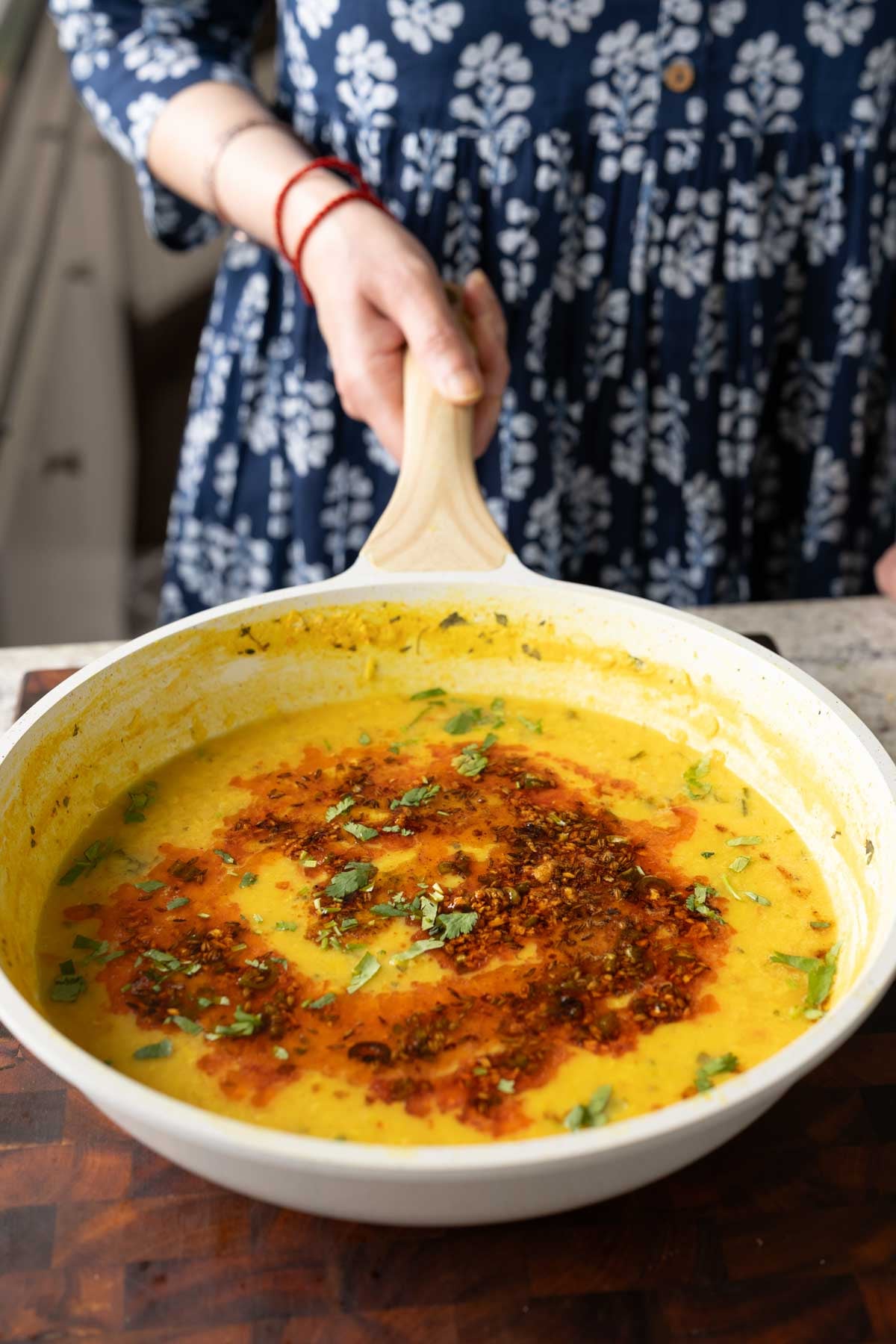
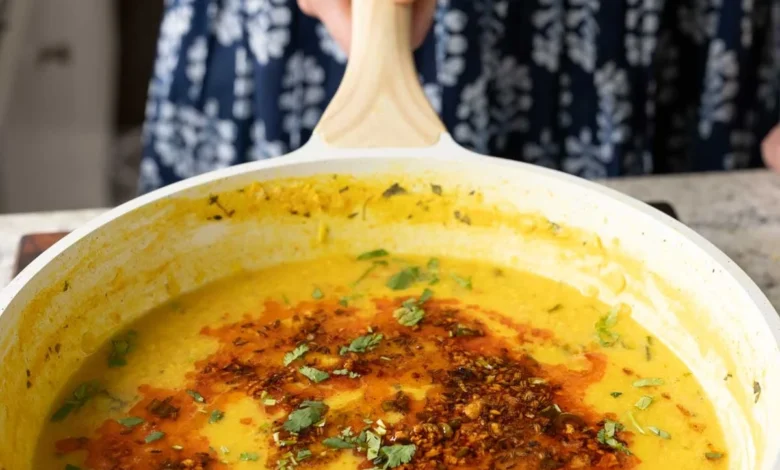
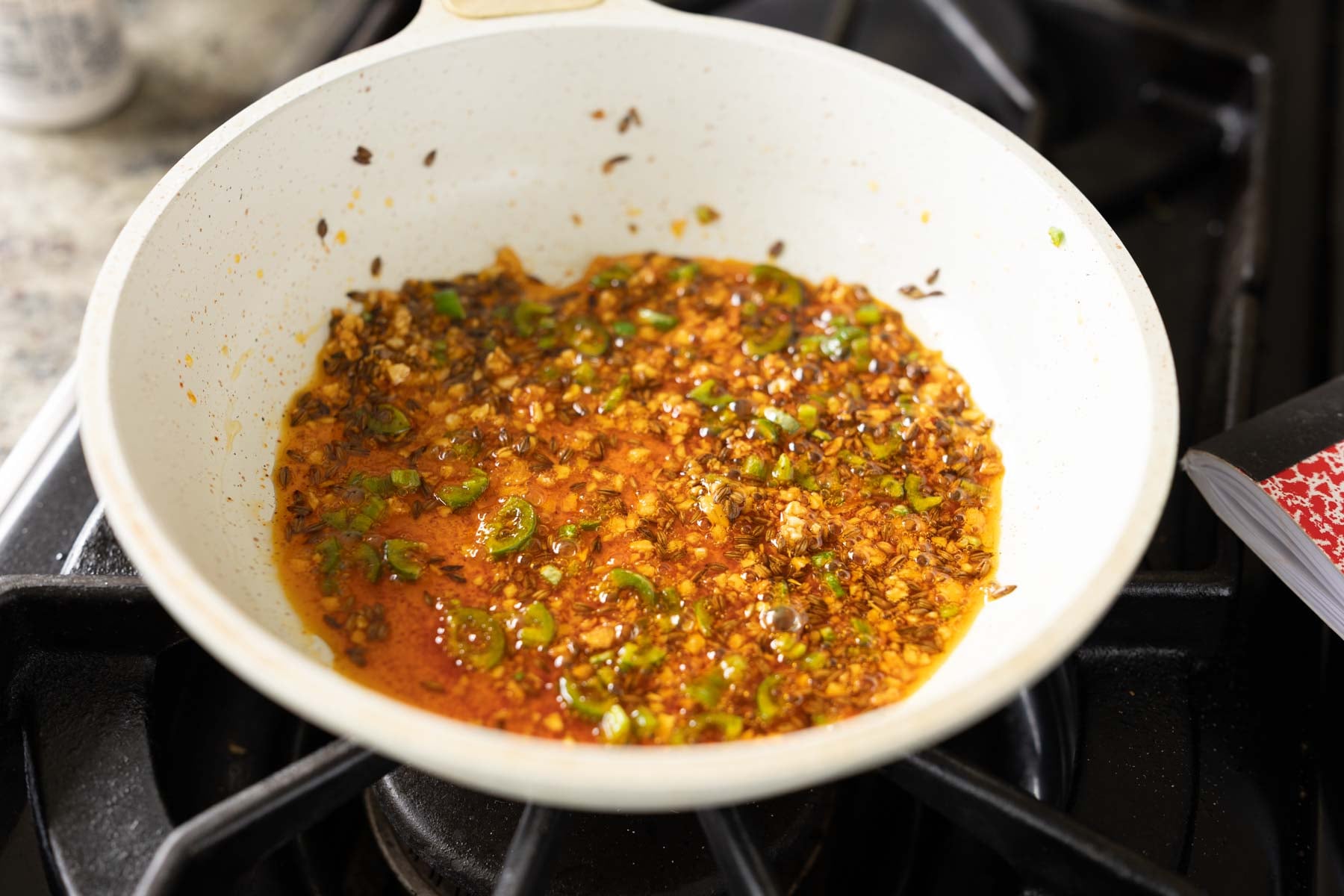
The preparation technique known as tadka—the rapid heating of spices in oil or fat to release essential oils—is a sophisticated chemical process that differentiates Indian lentil soups from other legume-based stews globally. Historically, this method was developed to ensure that spices were evenly distributed and that the fat-soluble compounds in spices like turmeric and chili were bioavailable. Over the last century, the "Jeera Dal" recipe has been adapted to include varied regional ingredients, such as the introduction of tomatoes for acidity and the incorporation of dried fenugreek leaves (kasuri methi) to add a complex, nutty finish.
Technical Preparation and Standardized Cooking Methods
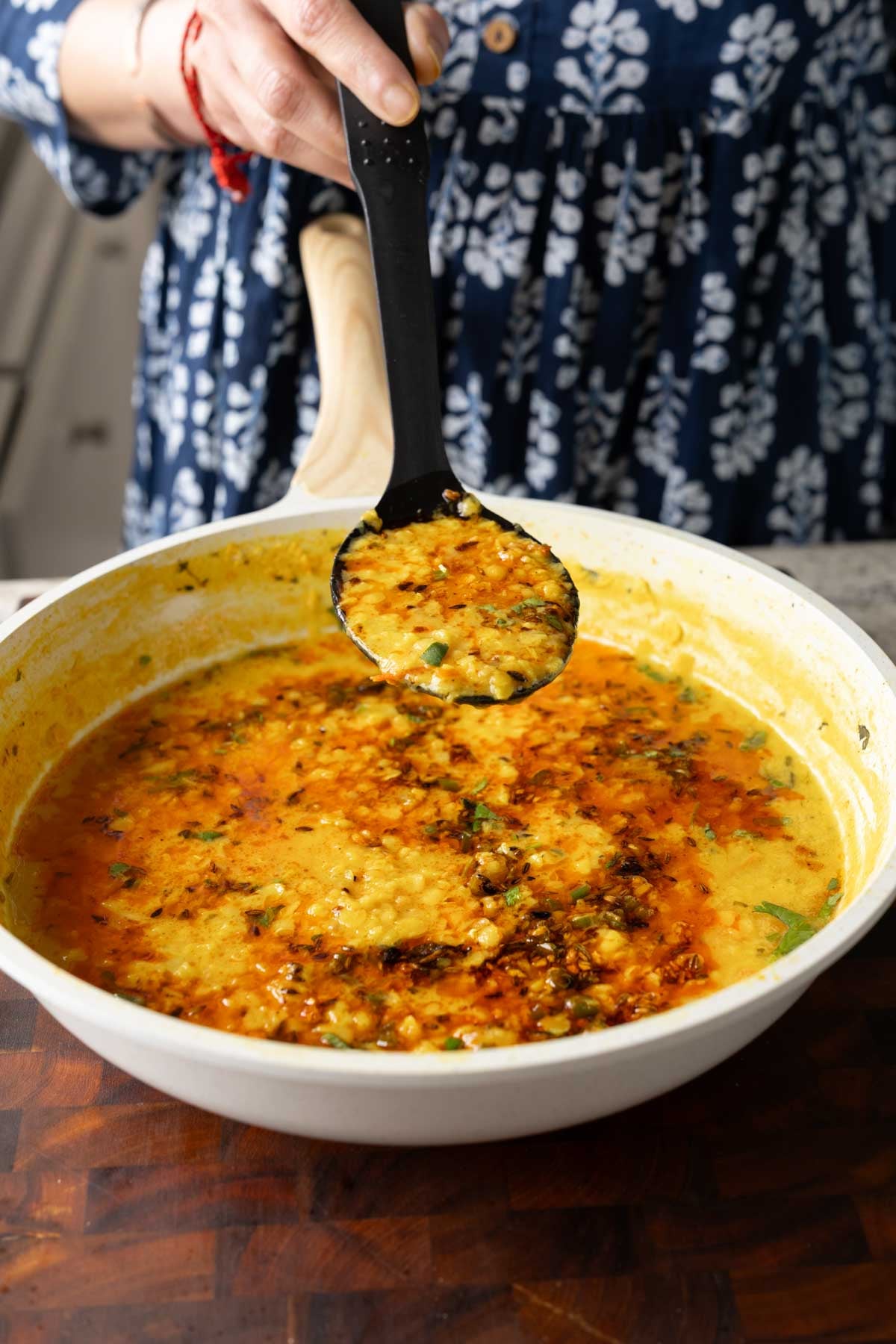
Professional chefs and nutritionists emphasize that the texture of Jeera Dal is a result of precise heat management. The standard preparation begins with the cleaning and rinsing of red lentils to remove surface starches. The boiling process, which typically spans 11 to 20 minutes depending on the hardness of the water and the age of the pulse, is designed to break down the cell walls of the lentils until they achieve a creamy consistency.
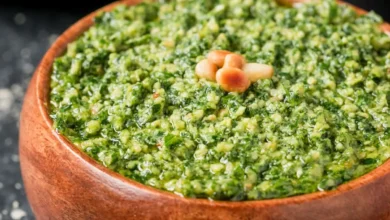
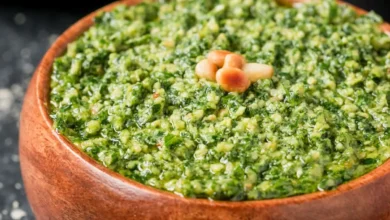
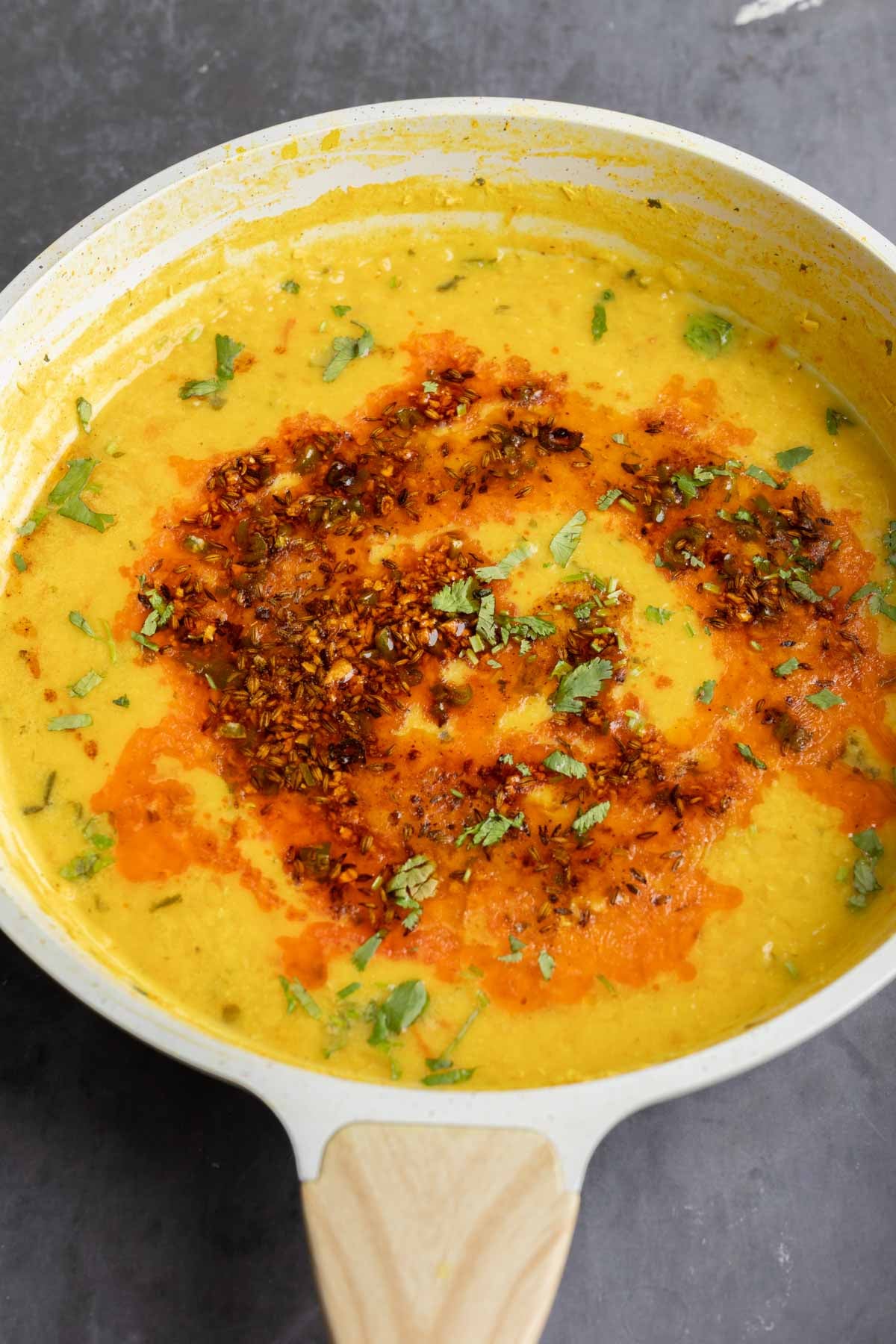
The tadka process is the final, critical step in the assembly. By heating oil to a specific temperature and introducing cumin seeds, garlic, and chili, the cook creates an aromatic infusion. The addition of asafoetida (hing) serves as a bridge, tempering the sulfurous notes of the garlic while enhancing the umami profile of the lentils. Culinary experts note that the timing of this step is vital; if the oil is too cool, the spices fail to bloom; if it is too hot, the aromatics burn, resulting in a bitter flavor profile.
Dietary Implications and Inclusivity
One of the most notable aspects of the modern iteration of Jeera Dal is its compatibility with diverse dietary restrictions. As global food markets shift toward gluten-free, nut-free, and soy-free labeling, Jeera Dal has emerged as a reliable "safe" dish for those with common food allergies.
The dish’s versatility allows for the integration of non-dairy yogurt, which serves as a contemporary substitute for traditional dairy, providing a creamy mouthfeel without the saturated fat content associated with heavy cream or butter. This adaptability makes it a standard recommendation for institutional nutritionists working in hospitals or schools, where providing culturally relevant yet allergy-conscious meals is a priority.
Global Consumption and Market Trends
Data from the Global Pulse Confederation indicates a steady increase in the consumption of lentils across North America and Europe. This growth is attributed to the rise of the "flexitarian" movement, where consumers are actively seeking plant-based protein alternatives to animal-derived products. Jeera Dal serves as an entry point for many consumers to the broader world of Indian cuisine because it relies on accessible, low-cost pantry staples.
Market analysts suggest that the demand for "simple ingredients" is a direct response to the complexity of modern, ultra-processed food environments. By focusing on lentils, tomatoes, and basic spices, Jeera Dal adheres to the "whole food" movement, which prioritizes ingredients that remain close to their natural state.
Comparative Nutritional Analysis
When measured against other common plant-based proteins, such as tofu or seitan, red lentils offer a unique profile that includes high levels of iron and potassium. A standard 332-calorie serving of Jeera Dal delivers approximately 6 milligrams of iron, which is essential for oxygen transport in the blood.
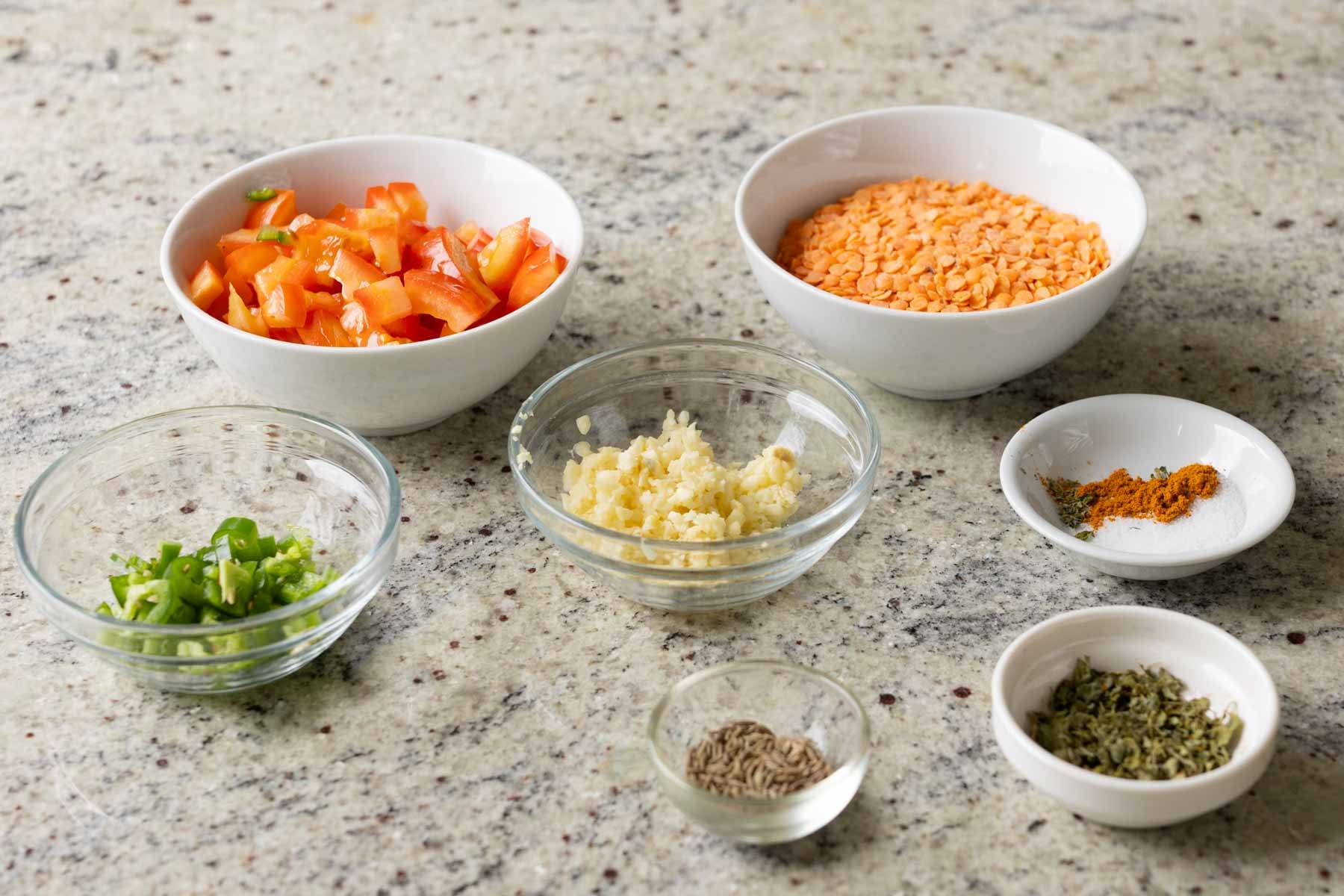
Table 1: Key Nutritional Indicators per Serving
- Protein: 19g
- Fiber: 19g
- Iron: 6mg
- Potassium: 775mg
- Saturated Fat: 1g
This density of nutrients, relative to the total caloric count, classifies Jeera Dal as a nutrient-dense food, making it an effective tool for weight management and cardiovascular health.
Conclusion and Future Outlook
As the world moves toward more sustainable agricultural models, the importance of pulses like red lentils cannot be overstated. Their low water footprint compared to animal protein production makes them an environmentally conscious choice for the future of global food systems.
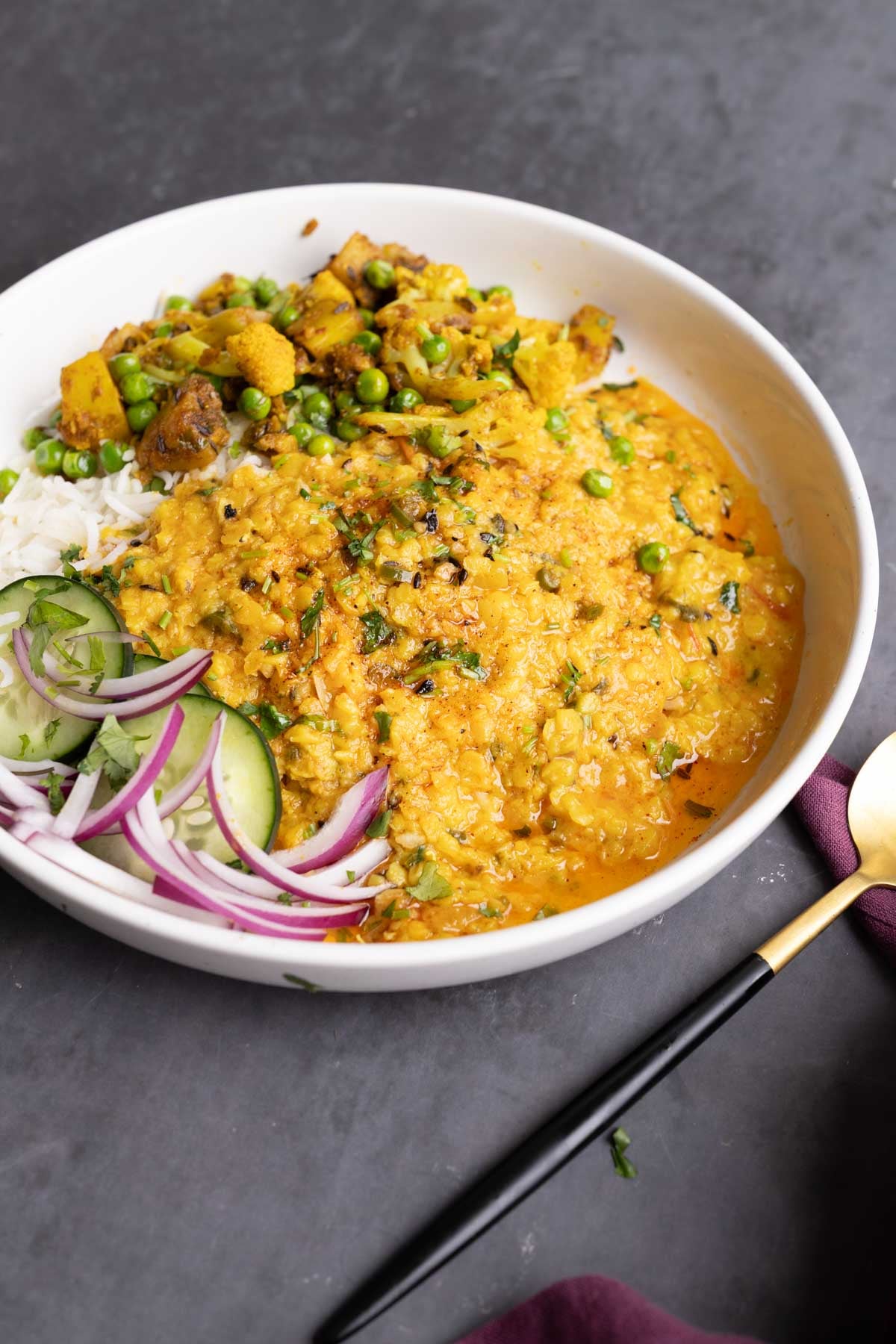
Jeera Dal, therefore, is more than a simple soup; it is a synthesis of historical culinary wisdom and modern nutritional science. By maintaining the integrity of its preparation—from the slow simmering of the lentils to the vibrant, aromatic tadka—this dish continues to provide a blueprint for a healthy, sustainable, and highly flavorful diet. Whether consumed as a standalone meal or paired with traditional sides like aloo gobi or basmati rice, it remains a testament to the fact that minimal intervention with high-quality ingredients can produce superior results in both flavor and health.