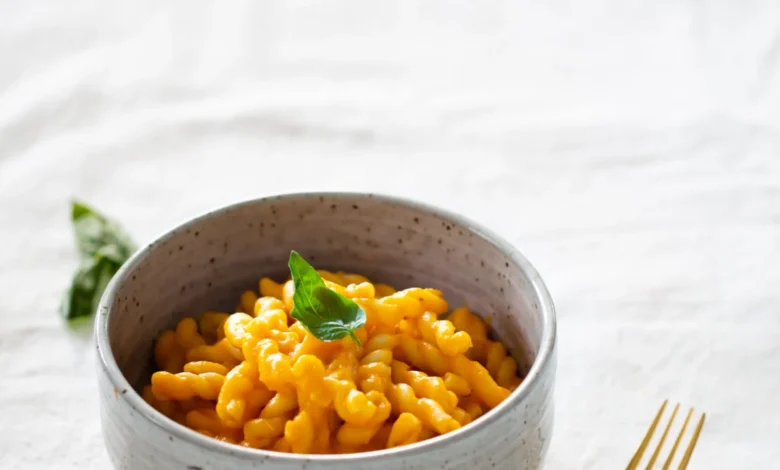
In the evolving landscape of modern home cooking, culinary professionals and everyday household chefs are constantly seeking innovative methods to merge nutritional density with exceptional flavor profiles, all while maintaining efficiency in the kitchen. A prime example of this gastronomy trend is highlighted in a popular recipe developed by culinary creator Alejandra Graf, known for her work on platforms such as Piloncillo y Vainilla and Ale Cooks. The recipe, centered around a roasted tomato and butternut squash pasta sauce, addresses a common domestic challenge: incorporating nutrient-rich orange vegetables into meals seamlessly while delivering a creamy texture entirely devoid of dairy. As dietary preferences shift toward plant-based, vegan, and health-conscious alternatives without sacrificing comfort food appeal, recipes utilizing whole, roasted produce are experiencing a surge in widespread adoption across North American households.
Main Facts of the Recipe and Preparation Process
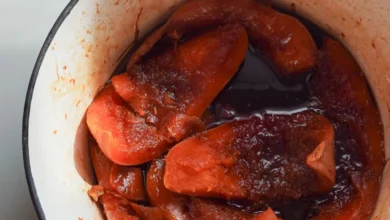
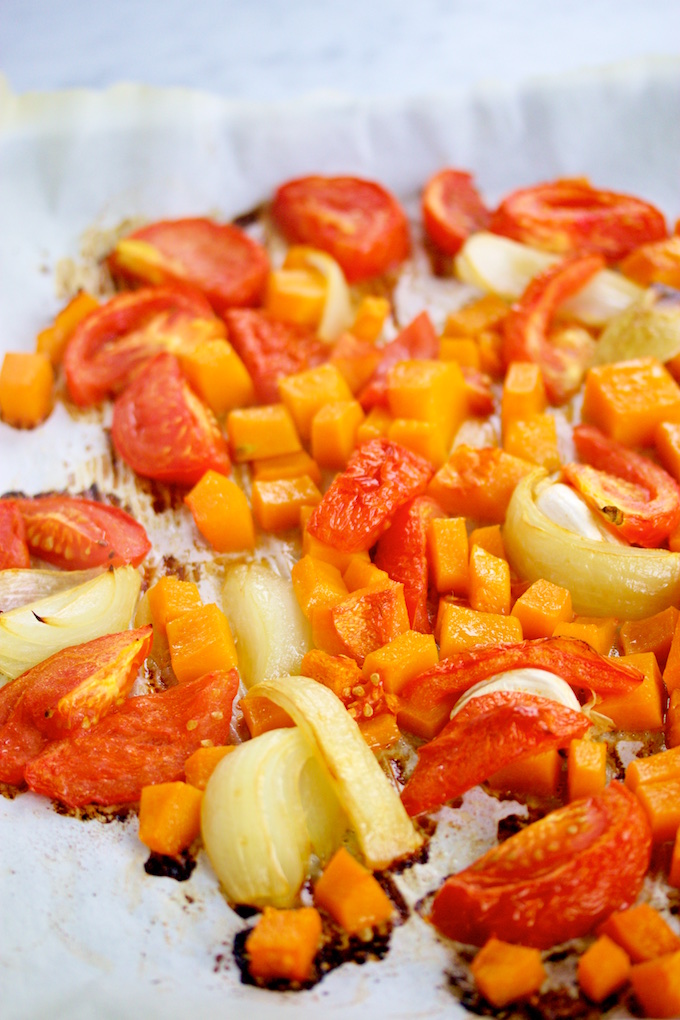
The core concept of Graf’s signature recipe relies on the simple yet transformative technique of vegetable roasting. By taking whole or chopped ingredients—specifically butternut squash, ripe tomatoes, and onions—and roasting them until they achieve optimal caramelization, the natural sugars within the produce are concentrated. This process creates a rich flavor depth that traditionally requires hours of simmering or the addition of heavy cream, butter, and processed thickeners.
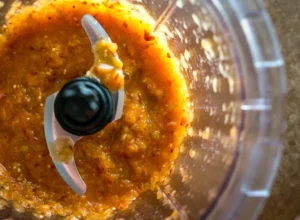
Once roasted, the vegetables are transferred directly to a blender and liquefied. The natural starches and fibrous consistency of the roasted butternut squash yield an exceptionally smooth, velvet-like texture that mimics dairy-based cream sauces while remaining completely vegan. The tomatoes provide the necessary acidity and vibrant red coloration, balancing the natural sweetness of the squash.
According to standardized recipe metrics, the preparation of this dish requires approximately 20 minutes of active kitchen time—primarily involving the peeling, seeding, and chopping of the butternut squash—followed by 20 minutes of thermal cooking or roasting time in the oven. The total time elapsed from the initial preparation to the final plating stands at 40 minutes, positioning the dish as an ideal weekday meal option for working professionals and busy families. With a caloric footprint of approximately 171 kilocalories per serving, alongside notable concentrations of dietary fiber, vitamin A, and vitamin C, the dish offers a nutritionally balanced profile that appeals to dietitians and health advocates alike.
Chronology and Development of the Culinary Trend
The conceptualization of vegetable-forward, cream-free sauces did not emerge in a vacuum; rather, it represents a culmination of decades of shifting culinary paradigms that prioritize health, accessibility, and waste reduction.
During the early 2010s, as food bloggers and digital recipe developers began sharing cross-cultural kitchen adaptations inspired by immigration and international travel, ingredients traditionally marginalized or pigeonholed into specific regional dishes began to see cross-over appeal. For creators like Graf—who transitioned from cooking in Mexico to navigating supermarkets in the United States—the year-round availability of butternut squash served as a catalyst for experimentation. Initially viewed as a seasonal autumn or winter squash, butternut squash gradually transitioned into a staple ingredient found across grocery store produce aisles in all four seasons.

By the mid-2010s, specifically around 2015 when the foundational iterations of this roasted tomato and squash sauce were initially documented and published online, the intersection of plant-based eating and smart parenting strategies gained significant traction. Home cooks increasingly sought innovative ways to introduce nutrient-dense vegetables to children or family members resistant to eating visible orange vegetables.
As digital media platforms evolved through the late 2010s and early 2020s, featuring short-form video content and high-definition photography, recipes emphasizing streamlined cooking methods—such as "sheet pan" roasting and single-blender sauces—began dominating search engine algorithms. The longevity of this specific recipe, spanning updates and republished adaptations into the mid-2020s, underscores a permanent shift in how households approach comfort food cooking: prioritizing functional nutrition without sacrificing sensory satisfaction.
Supporting Data and Nutritional Profile
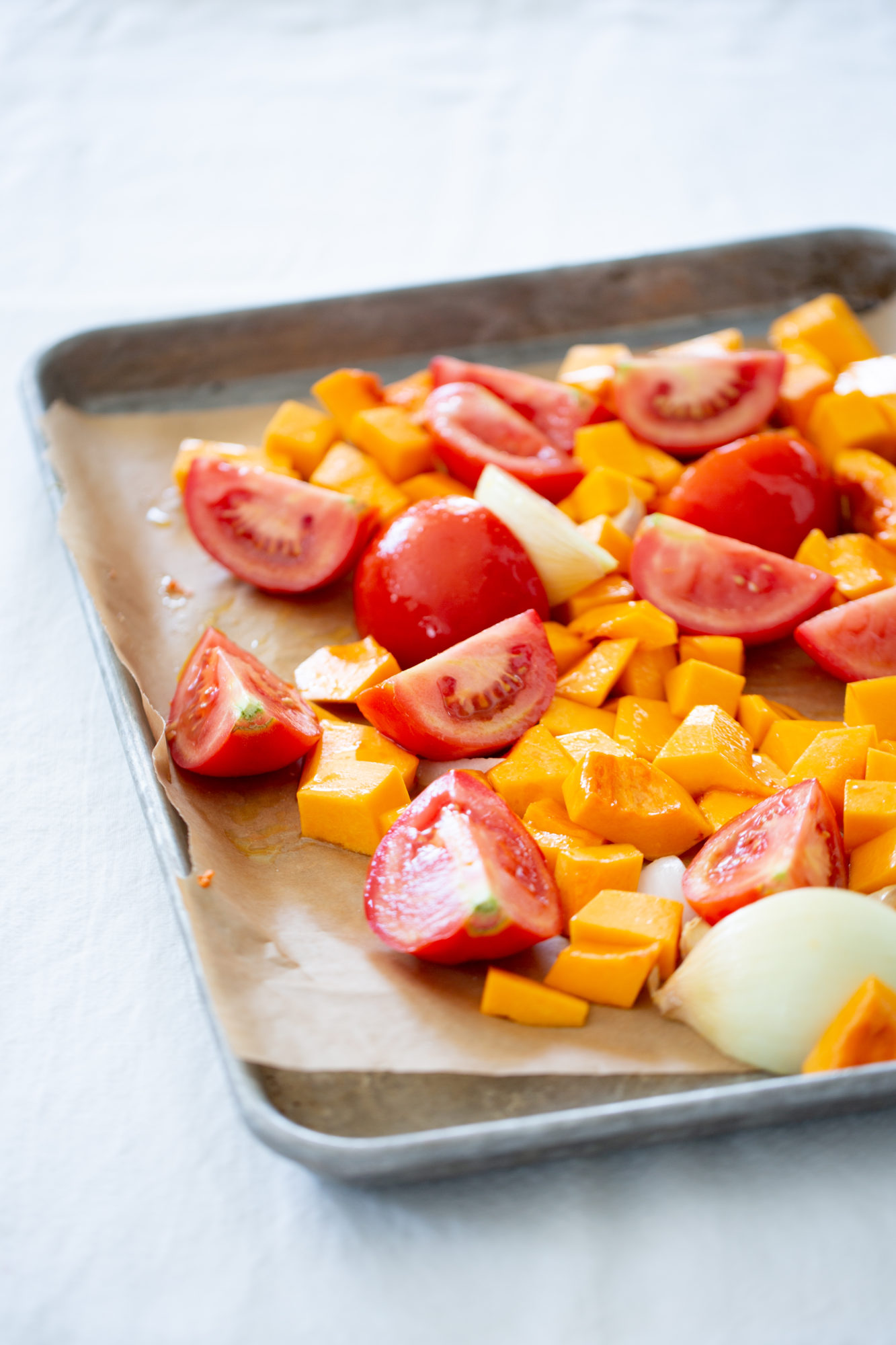
A detailed examination of the nutritional data associated with the roasted butternut squash and tomato pasta sauce reveals a composition tailored to modern dietary guidelines. Standardized laboratory and nutritional estimations per single serving indicate the following profile:
- Calories: 171 kcal
- Carbohydrates: 42 g
- Dietary Fiber: 7 g
- Sugars: 9 g
- Protein: 4 g
- Total Fat: 1 g
- Saturated Fat: 0.1 g
- Sodium: 16 mg
- Potassium: 1,275 mg
- Vitamin A: 33,759 IU
- Vitamin C: 75 mg
- Calcium: 166 mg
- Iron: 3 mg
The remarkably low fat and sodium content, coupled with high levels of potassium, dietary fiber, and essential micronutrients like Vitamin A and C, explain the medical and nutritional endorsement of root- and gourd-based vegetable purées. Furthermore, the inclusion of 7 grams of dietary fiber per serving contributes significantly to satiety, making plant-based pasta sauces an effective component of weight management and cardiovascular health strategies.
Official Responses and Culinary Community Reactions
While informal recipes published by independent food creators do not typically elicit formal corporate press releases or governmental statements, the broader culinary community, nutritionists, and digital food platforms have extensively validated the utility of such cooking methodologies.
Culinary educators and plant-based nutrition advocates frequently cite vegetable-blended sauces as a vital bridge for consumers attempting to transition away from ultra-processed convenience foods. By demonstrating that complex, creamy textures can be achieved through simple thermal techniques like roasting and blending, creators empower home cooks to take control of their ingredient intake, significantly reducing reliance on sodium-heavy, commercially manufactured jarred sauces.
Furthermore, user engagement metrics across digital recipe archives demonstrate high retention and positive feedback loops. Frequently asked questions within the culinary community—such as queries regarding the substitution of butternut squash with kabocha squash or pumpkin varieties, the exclusion of chili elements for sensitive palates, and the adaptability of the sauce as a broth-diluted soup base—illustrate an active, participatory audience that continuously experiments with and validates the recipe’s core framework.

Broader Impact and Culinary Implications
The widespread popularity of dishes like pasta with roasted tomato and butternut squash sauce reflects broader socioeconomic and cultural shifts in contemporary domestic life. As consumers navigate economic pressures, rising grocery costs, and heightened awareness of health and wellness, versatile ingredients that offer multiple applications—such as functioning concurrently as a pasta coating, a dip, or a soup base—gain exceptional value.
Moreover, the emphasis on vegan and plant-forward dining is no longer viewed as a fringe dietary restriction but as a mainstream culinary choice driven by sustainability, animal welfare, and personal health goals. Recipes that achieve sensory richness through natural means—such as the maillard reaction during vegetable roasting rather than the addition of chemical emulsifiers or dairy fats—represent the future of accessible, high-end home cooking.
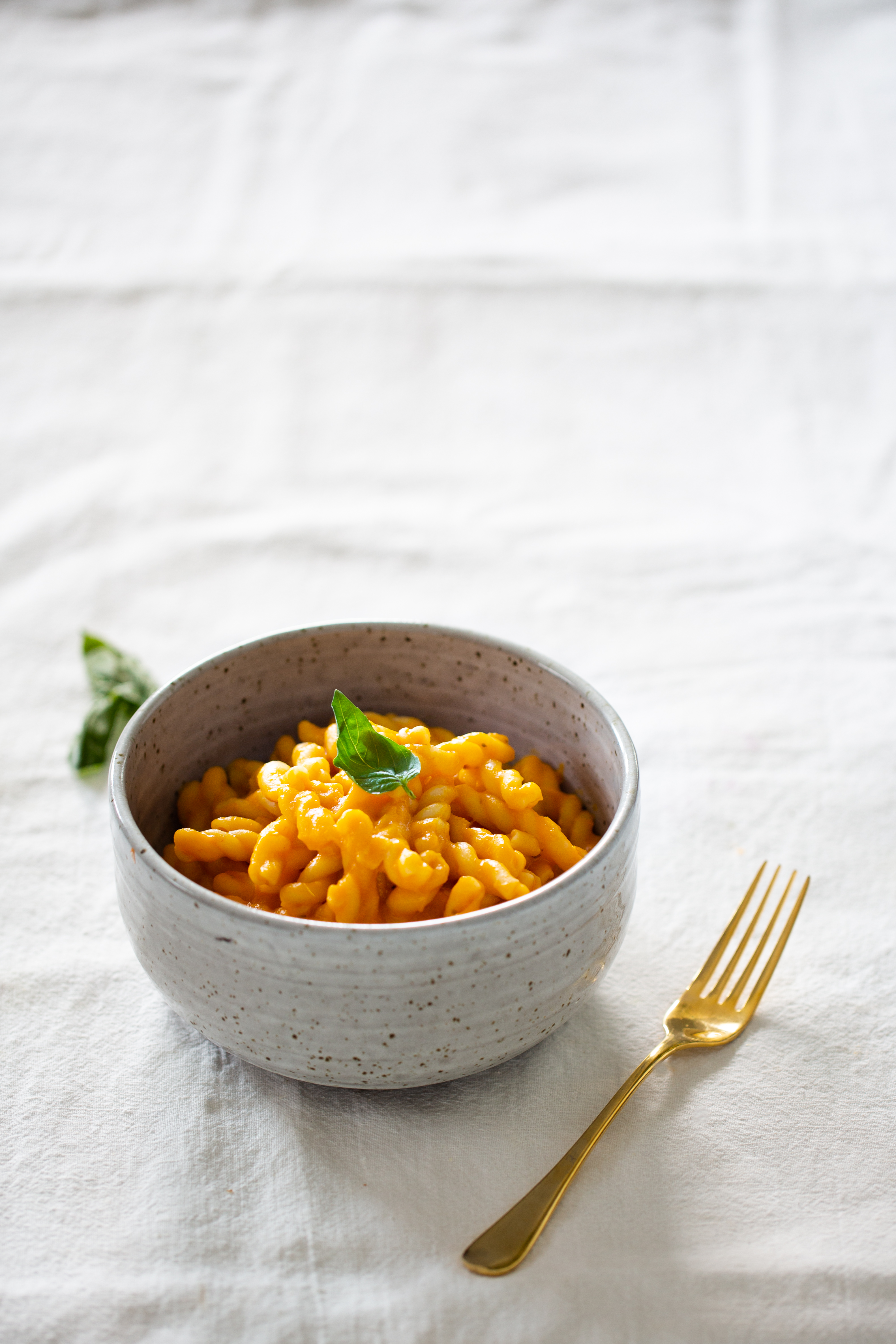
Ultimately, the enduring appeal of Alejandra Graf’s roasted vegetable sauce lies in its democratization of gourmet techniques. By translating professional culinary concepts into accessible, 40-minute household routines, the recipe bridges the gap between sophisticated gastronomy and everyday nutrition, ensuring its relevance in modern kitchens for years to come.